

Free Baucau Travel Guide & Mobile App
Plan your Baucau trip with Evendo. Get free guides to top attractions, restaurants, hotels, and bars. Web access or download the mobile app.


Baucau, Timor-Leste’s historic eastern town, blends Portuguese-era streets, limestone landscapes, local markets, quiet beaches and mountain villages.
A Plateau Town with a Portuguese Legacy
Baucau stands on a limestone plateau on Timor-Leste’s north-eastern coast, roughly east of Dili and above the coastal settlement often called Kota Baru, or New Town. Its elevated old town retains traces of Portuguese administration in broad streets, weathered public buildings and verandah-fronted houses, while the lower town is more closely tied to markets, transport and everyday commerce. The distinction between the two areas gives Baucau a spacious, layered character that differs from the capital’s denser urban rhythm.Read more about Baucau
Markets, Faith and Local Life
Coast, Springs and Eastern Landscapes
When is the best time to visit Baucau?
Best: June–August · 28–29°C| Month | High (°C) | Rainfall (mm) |
|---|---|---|
| January | 32 | 175 |
| February | 33 | 175 |
| March | 33 | 175 |
| April | 32 | 120 |
| May | 31 | 90 |
| June (best) | 29 | 50 |
| July (best) | 28 | 40 |
| August (best) | 29 | 40 |
| September | 30 | 50 |
| October | 31 | 90 |
| November | 32 | 120 |
| December | 32 | 160 |
Getting to and around Baucau
How to get there
Transportation
Best attractions in Baucau
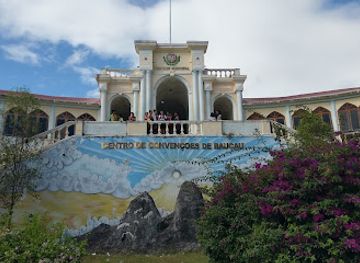
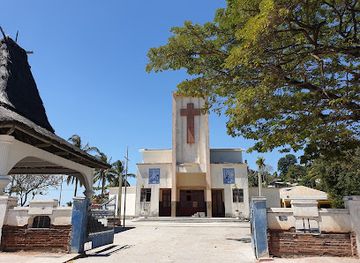
Baucau’s principal sightseeing is spread between its elevated old town and the lower commercial centre. The upper town offers a walk through broad Portuguese-era streets, shaded compounds and civic buildings, with the Pousada de Baucau providing one of the most recognisable historic settings. The Cathedral of St Anthony brings a strong Catholic presence, while the central market in the lower town reveals the practical rhythm of regional trade through produce, textiles and household goods. The descent towards the coast opens views across dry hills and the Timor Sea, and nearby beaches and natural springs provide a contrasting landscape, although local advice about conditions is essential. A trip to Venilale, outside Baucau municipality’s urban centre, adds mountain scenery and the wartime tunnel complex associated with the Japanese occupation. Together these places show Baucau as an eastern regional hub rather than a conventional museum city, with its appeal lying in the relationship between historic streets, living communities and rugged surroundings.
-
Market
Baucau Old Market
Discover the vibrant Baucau Old Market, a cultural hub in Timor-Leste offering fresh produce, local crafts, and an authentic Timorese experience.
1 min walk · 0.1 km from city centre
-
Tourist attraction
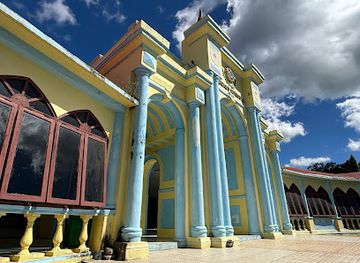
St. Anthony Cathedral
Discover the serene beauty and cultural significance of St. Anthony Cathedral, a must-visit tourist attraction in Baucau, Timor-Leste.
1 min walk · 0.1 km from city centre
-
Swimming pool
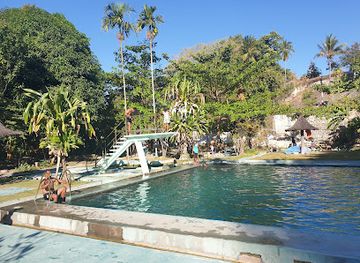
Piscina de Baucau
Experience the ultimate relaxation at Piscina de Baucau, a serene swimming pool in Baucau, East Timor, surrounded by lush greenery and stunning views.
3 min walk · 0.3 km from city centre
-
Statuary
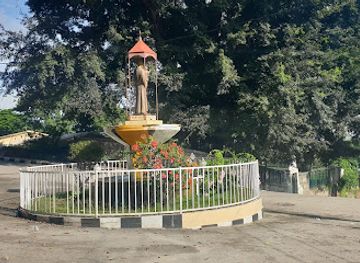
Kota Lama Baucau
Explore the captivating statuary of Kota Lama Baucau, a historical gem in East Timor that reflects the region's rich cultural heritage.
1 min walk · 0.1 km from city centre
Best landmarks in Baucau
Baucau’s most expressive landmarks belong to different chapters of its history. The Pousada de Baucau, a Portuguese-era building set on the plateau, represents the colonial administration’s attempt to establish a formal civic centre in the east and remains notable for its setting and verandah architecture. The Cathedral of St Anthony is a major Catholic landmark and reflects the institution’s enduring importance in Timorese public life. The upper town’s surviving Portuguese-influenced streets, civic buildings and houses form an architectural ensemble rather than a single monument, with weathered façades revealing years of adaptation. Below the plateau, the central market is less monumental but equally significant as a living civic space where regional commerce converges. Outside the town, Venilale’s wartime tunnels provide a sobering reminder of Japanese occupation and the civilian experience of the Second World War, linking Baucau’s landscapes to the wider history of Timor-Leste.
-
 Hotel
Pousada de Baucau
Experience the charm of Timor-Leste at Pousada de Baucau, a serene hotel offering comfort, stunning views, and a warm welcome in the heart of Baucau.
5 min walk · 0.4 km from city centre
-
Guest house
daTerra Agroecological Farm
Discover the tranquil beauty of Baucau at daTerra Agroecological Farm, where sustainability meets authentic Timorese culture.
5 min drive · 1.8 km from city centre
-
Restaurant
Restaurante Amalia
Experience the authentic flavors of Timor-Leste at Restaurante Amalia, the heart of culinary delight in Baucau.
2 min walk · 0.2 km from city centre
-
Market
Baucau Old Market
Discover the heart of Timor-Leste at Baucau Old Market, where local culture, vibrant crafts, and fresh produce come alive.
1 min walk · 0.1 km from city centre
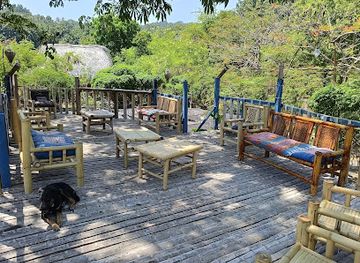
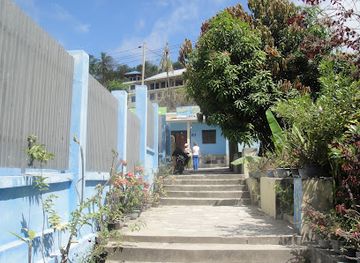
Explore Baucau on the map
Plan your Baucau trip on one map. See where the top attractions, landmarks, restaurants, bars and hotels are, find what's near where you're staying, and book hotels and experiences in a few clicks.
Best hotels in Baucau
Best restaurants in Baucau
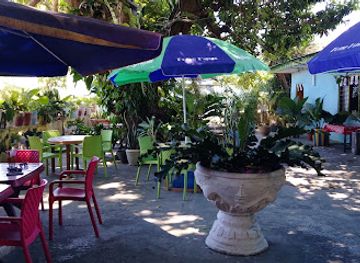
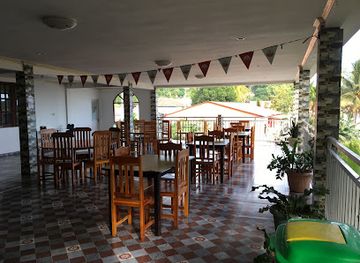
Baucau’s food scene is modest, local and closely connected to the market economy rather than built around a large restaurant circuit. Small eateries and roadside stalls serve rice with vegetables, grilled fish or meat, noodles and simple soups, while local households and cafés draw on Timorese staples such as maize, cassava, sweet potato, leafy greens and beans. Batar da’an, a traditional maize-and-bean dish, may appear alongside other home-style preparations, and coastal areas contribute fresh fish when supplies and transport allow. The central market is useful for observing produce from the surrounding districts, including fruit, spices and seasonal ingredients. Portuguese and Indonesian influences can be seen in cooking methods and café habits, but the everyday dining experience is distinctly Timorese: informal, generous and dependent on what is available that day. Services may be limited outside busy periods, so meals are often best arranged through accommodation or local recommendations.
-
Restaurant
Restaurante Amalia
Experience the authentic taste of Timor-Leste at Restaurante Amalia in Baucau—where local flavors meet warm hospitality.
2 min walk · 0.2 km from city centre
-
Restaurant
Restaurante Victoria
Experience authentic Timorese cuisine at Restaurante Victoria in Baucau - where local flavors meet breathtaking views.
1 min walk · 0.1 km from city centre
-
Restaurant
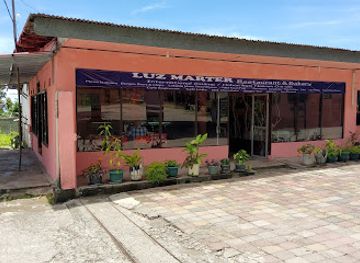
Luz Marter Restaurant & Bakery
Discover the authentic tastes of East Timor at Luz Marter Restaurant & Bakery – a culinary gem in Baucau serving traditional dishes and delightful pastries.
8 min drive · 2.8 km from city centre
-
Grill
Mulia Grilled Fish
Discover authentic grilled seafood at Mulia Grilled Fish in Laga - where every meal is a celebration of fresh flavors and local traditions.
32 min drive · 12 km from city centre
Best bars in Baucau
Baucau has a restrained evening scene rather than a developed bar and nightclub circuit. After dark, social life is more likely to centre on family compounds, small cafés, roadside food stalls and informal gatherings than on dedicated entertainment districts. A few guesthouses and restaurants may serve beer, soft drinks and simple evening meals, but opening patterns and available venues can change, particularly outside the busiest travel periods. Catholic institutions and community life also shape the town’s evening rhythm, with religious events and local celebrations sometimes more significant than nightlife in the clubbing sense. Roads and pavements are uneven or poorly lit in places, so visitors should arrange a trusted ride or return to accommodation before late hours rather than walking long distances. Baucau’s quieter evenings are best understood as part of its regional character, with conversation and community activity taking precedence over loud venues.
-
Hotel
Pousada de Baucau
Discover the serene beauty and cultural richness of Timor-Leste at Pousada de Baucau, your perfect retreat by the coast.
5 min walk · 0.4 km from city centre
-
Restaurant
Restaurante Amalia
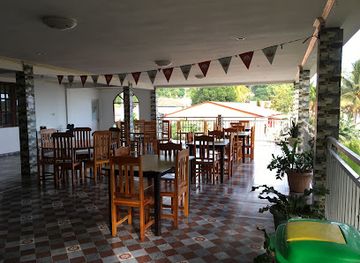
Experience the vibrant flavors of Timorese cuisine at Restaurante Amalia in the heart of Baucau, where every dish tells a story.
2 min walk · 0.2 km from city centre
-
Restaurant
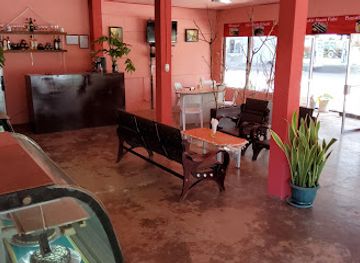
Restaurante Victoria
Experience the authentic flavors of Timor-Leste at Restaurante Victoria, a charming eatery in Baucau offering delicious local cuisine.
1 min walk · 0.1 km from city centre
-
Restaurant
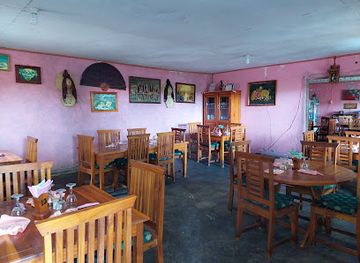
Luz Marter Restaurant & Bakery
Discover the culinary delights of Luz Marter Restaurant & Bakery, where traditional Timorese flavors meet international cuisine in Baucau.
8 min drive · 2.8 km from city centre
Best nightclubs in Baucau
Baucau has a restrained evening scene rather than a developed bar and nightclub circuit. After dark, social life is more likely to centre on family compounds, small cafés, roadside food stalls and informal gatherings than on dedicated entertainment districts. A few guesthouses and restaurants may serve beer, soft drinks and simple evening meals, but opening patterns and available venues can change, particularly outside the busiest travel periods. Catholic institutions and community life also shape the town’s evening rhythm, with religious events and local celebrations sometimes more significant than nightlife in the clubbing sense. Roads and pavements are uneven or poorly lit in places, so visitors should arrange a trusted ride or return to accommodation before late hours rather than walking long distances. Baucau’s quieter evenings are best understood as part of its regional character, with conversation and community activity taking precedence over loud venues.
-
Hotel
Pousada de Baucau
Experience comfort and culture at Pousada de Baucau, your perfect base for exploring the stunning landscapes of East Timor.
5 min walk · 0.4 km from city centre
-
Swimming pool
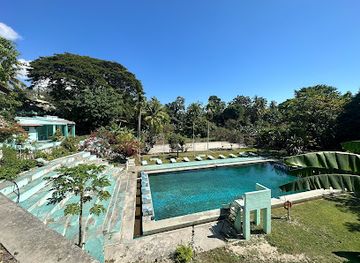
Piscina de Baucau
Dive into relaxation at Piscina de Baucau, a serene swimming pool oasis in the heart of Timor-Leste's picturesque Baucau region.
3 min walk · 0.3 km from city centre
-
Swimming pool
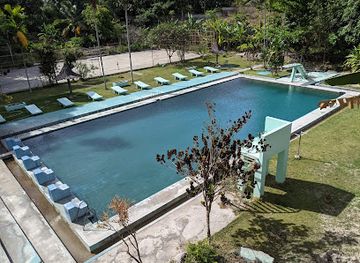
Piscina De Baucau
Experience the serene ambiance of Piscina De Baucau, a refreshing swimming pool oasis nestled in the heart of Timor-Leste's captivating landscapes.
3 min walk · 0.3 km from city centre
Best shops in Baucau
Shopping in Baucau is centred on practical local commerce rather than large modern retail complexes. The central market is the main place to browse seasonal fruit, vegetables, spices, household goods, clothing and small items brought in from surrounding districts. Informal stalls and modest shops line the lower town, while the upper area has fewer concentrated retail opportunities. Timorese tais, handwoven textiles made in different regional patterns, may be available through local sellers or community contacts, although designs, quality and prices vary and visitors should ask about provenance rather than assuming every textile was made nearby. Coffee, palm-based products and locally grown foods can also appear in small shops, subject to supply. Shopping is a useful way to observe Baucau’s role as an eastern trading centre, but it is generally cash-based, unhurried and dependent on local production rather than a fixed souvenir market.
-
Convenience store
Toko Gemea
Explore Toko Gemea in Baucau, your one-stop convenience shop for local goods and snacks while experiencing Timorese culture.
5 min drive · 1.5 km from city centre
-
Shopping mall
BAUCAU MERCADO
Discover the colorful Baucau Mercado, a lively shopping hub where authentic Timorese culture and local craftsmanship come alive.
15 min walk · 1.2 km from city centre
-
Shopping mall
W Four Baucau
Discover a unique blend of shopping and dining at W Four Baucau, the vibrant shopping mall in the heart of Timor-Leste's Baucau.
5 min walk · 0.4 km from city centre
-
Home goods store
Loja Mateus
Discover Loja Mateus in Baucau, Timor-Leste - your go-to grocery store for local flavors and essential goods, enriching your travel experience.
7 min drive · 2.2 km from city centre
Get your free copy of our complete guide to Baucau, delivered straight to you.
Everything on this page, from attractions and restaurants to essentials and local phrases, in one PDF you can read offline, print or share.
Already have an account? Sign in
Your Baucau guide is ready.
We'll send it to · Not you? Sign out

Getting your guide ready…
We are putting together a fresh copy of the Baucau guide. This can take up to a minute.
This can take a few moments. If your browser asks, choose Allow so the download can start. You'll find the guide in your Downloads folder.
Nothing happened? Download it again
Sorry, the guide is taking longer than usual. Please try again in a minute, or get it by email instead.
Baucau essentials
Currency and Payment
Safety
Emergency Situations
Do's and Don'ts
Local Tips
From Eve
Local phrases worth knowing
You don't need to get them perfect. A few words go a long way, and locals appreciate the effort.
Basics
| English | Local | Say it |
|---|---|---|
| Hello | Bondia | [bon-dee-ya] |
| Goodbye | Adeus | [ah-deh-oosh] |
| Yes | Sim | [seem] |
| No | La'e | [lah-eh] |
| Please/You're welcome | Favor | [fah-vor] |
| Thank you | Obrigadu | [oh-bree-gah-doo] |
| Excuse me/Sorry | Deskulpa | [des-kool-pah] |
| How are you? | Diak ka lae? | [dee-ahk ka lah-eh] |
| Fine. And you? | Diak. O ita nia? | [dee-ahk. oh ee-tah nee-ya] |
| Do you speak English? | Ita koalia Ingles? | [ee-tah koh-ah-lee-ya een-glehsh] |
| I don't understand | Hau la kompriende | [how lah kohm-pree-ehn-deh] |
Eating & Drinking
| English | Local | Say it |
|---|---|---|
| I'd like to see the menu, please | Hau hakarak hare menu, favor | [how hah-kah-rak hah-reh meh-noo fah-vor] |
| I don't eat meat | Hau la manan karne | [how lah mah-nahn kahr-neh] |
| Cheers! | Saude! | [sow-deh] |
| I would like to pay, please | Hau hakarak selu, favor | [how hah-kah-rak seh-loo fah-vor] |
Emergencies
| English | Local | Say it |
|---|---|---|
| Help! | Ajuda! | [ah-joo-dah] |
| Go away! | Ba oin! | [bah oh-een] |
| Call the Police! | Liga Polisia! | [lee-gah poh-lee-see-ah] |
| Call a doctor! | Liga dotor! | [lee-gah doh-tohr] |
| I'm lost | Hau laran | [how lah-rahn] |
| I'm ill | Hau moras | [how moh-rahs] |
Shopping
| English | Local | Say it |
|---|---|---|
| I'd like to buy... | Hau hakarak sosa... | [how hah-kah-rak soh-sah] |
| I'm just looking | Hau de'it hare | [how deh-eet hah-reh] |
| How much is it? | Hira ona? | [heer-ah oh-nah] |
| That's too expensive | Ne'e barak | [neh-eh bah-rak] |
| Can you lower the price? | Ita bele hatama hira? | [ee-tah beh-leh hah-tah-mah heer-ah] |
Time & Numbers
| English | Local | Say it |
|---|---|---|
| What time is it? | Oras ne'e hira? | [oh-rahs neh-eh heer-ah] |
| It's one o'clock | Hira ida | [heer-ah ee-dah] |
| Half past (10) | Tolu nulu resin | [toh-loo noo-loo reh-seen] |
| Morning | Kalan | [kah-lahn] |
| Afternoon | Tarde | [tahr-deh] |
| Evening | Tuku leten | [too-koo leh-tehn] |
| Yesterday | Horiseik | [hoh-ree-sayk] |
| Today | Ohin | [oh-heen] |
| Tomorrow | Aban | [ah-bahn] |
| 1 | Ida | [ee-dah] |
| 2 | Rua | [roo-ah] |
| 3 | Tolu | [toh-loo] |
| 4 | Apat | [ah-paht] |
| 5 | Lima | [lee-mah] |
| 6 | Hatu | [hah-too] |
| 7 | Nee | [neh-eh] |
| 8 | Ualu | [wah-loo] |
| 9 | Sia | [see-ah] |
| 10 | Sanulu | [sah-noo-loo] |
Transport & Directions
| English | Local | Say it |
|---|---|---|
| Where's a/the...? | Iha ne'e... | [ee-hah neh-eh] |
| What's the address? | Enderecu saida ne'e? | [ehn-deh-reh-soo sah-ee-dah neh-eh] |
| Can you show me (on the map)? | Ita bele hatudu hau (iha mapa)? | [ee-tah beh-leh hah-too-doo how (ee-hah mah-pah)] |
| When's the next (bus)? | Bainhira bus dahuluk? | [bah-een-hee-rah boos dah-hoo-look] |
| A ticket (to ....) | Bilhete (ba ....) | [beel-eh-teh (bah)] |
History of Baucau
A Timorese Settlement Before Colonial Rule
The Baucau area developed within the customary landscapes of eastern Timor long before European administration. Communities organised social and political life through local kinship systems and customary authorities, with agriculture, livestock, forest products and regional exchange shaping settlement patterns. The upland plateau and nearby coast connected interior communities with trading routes across the north of the island. Timorese society was never politically uniform, and relationships between local rulers, neighbouring domains and foreign powers changed over time. These older structures continued to influence land, authority and community identity after Portuguese rule expanded, and they remain part of the cultural context in which contemporary Baucau is understood.
Portuguese Administration and Baucau
Portuguese influence in the region grew through a combination of missionary activity, trading relationships and colonial administration. Baucau became an important centre in eastern Portuguese Timor, with government buildings, roads, religious institutions and planned streets established around the elevated town. The colonial presence was limited in reach compared with European colonies in larger territories, and it operated alongside Timorese authorities and customary systems rather than replacing them entirely. The surviving upper-town layout, verandah architecture and Catholic institutions reflect this period. Portuguese rule also brought taxation, labour demands and political control, experiences that shaped local memories as much as the physical buildings left behind.
War and Japanese Occupation
Timor became a strategically important battleground during the Second World War. Japanese forces occupied Portuguese Timor from 1942, while Australian troops operated with Timorese support against them in the campaign commonly known as the Battle of Timor. Civilians suffered displacement, forced labour, food shortages and reprisals, and the conflict caused extensive destruction across the island. In the Baucau region, wartime infrastructure and underground works are associated particularly with Venilale, where tunnels were built during the occupation. The war disrupted communities and colonial administration alike, leaving memories that remain important in Timor-Leste’s twentieth-century history.
Decolonisation and Indonesian Rule
Portugal’s revolution in 1974 opened a short and turbulent period of decolonisation in Timor-Leste. Political competition between Timorese movements was followed by Indonesia’s invasion in December 1975 and the incorporation of the territory as its 27th province in 1976, a status not recognised by the United Nations. Baucau became a significant administrative and military centre during the Indonesian occupation. Resistance networks operated across the territory, while civilians experienced displacement, restrictions and violence. The occupation also brought roads, schools and public administration within an Indonesian framework, but these changes occurred amid conflict and widespread human-rights abuses.
Independence and Municipal Renewal
A United Nations-sponsored referendum in 1999 produced a decisive vote for independence, followed by violence and destruction by pro-integration forces. International peacekeeping and transitional administration preceded the restoration of independence on 20 May 2002. Baucau entered the new republic as Timor-Leste’s second-largest urban centre and an important eastern hub for education, administration, commerce and transport. Reconstruction has been gradual, with colonial buildings, religious institutions and public spaces existing alongside newer concrete construction. The city’s present identity reflects the coexistence of customary Timorese culture, Catholic practice, Portuguese traces, Indonesian-era legacies and the institutions of an independent state.
Baucau in Photos
Browse through our photo collection highlighting the charm and character of the destination.
Cities near Baucau
The closest cities to Baucau, if you have time for more than one stop.
-

-

-

-

-


Swipe for more cities
Explore more

Explore more of Timor-Leste
Discover Timor-Leste, a captivating blend of history, culture, and natural beauty in Southeast Asia, boasting pristine beaches, vibrant marine life, and lush landscapes.
Explore Timor-Leste