

Free Same Travel Guide & Mobile App
Plan your Same trip with Evendo. Get free guides to top attractions, restaurants, hotels, and bars. Web access or download the mobile app.


Same, Timor-Leste, offers mountain landscapes, Manufahi history, local markets, tais craftsmanship and a quieter window onto rural Timorese life and culture.
A Mountain Town in Manufahi
Same is the administrative centre of Manufahi municipality in southern Timor-Leste, set among upland valleys, cultivated slopes and forested mountains. Much smaller and quieter than Dili, it offers an opportunity to encounter the country beyond its capital, where daily life is closely connected to agriculture, Catholic traditions, local markets and extended family networks. The approach from the north follows winding roads through changing highland scenery, with views shaped by seasonal rain, dry grasslands and rugged ridges.Read more about Same
History in the Landscape
Markets, Mountains and Rural Life
When is the best time to visit Same?
Best: June–August · 27°C| Month | High (°C) | Rainfall (mm) |
|---|---|---|
| January | 28 | 200 |
| February | 28 | 200 |
| March | 29 | 200 |
| April | 29 | 200 |
| May | 28 | 200 |
| June (best) | 27 | 200 |
| July (best) | 27 | 200 |
| August (best) | 27 | 200 |
| September | 28 | 200 |
| October | 28 | 200 |
| November | 29 | 200 |
| December | 28 | 200 |
Getting to and around Same
How to get there
Transportation
Best attractions in Same
Same’s principal attractions are connected with its history and highland setting rather than a large collection of formal visitor facilities. The central market offers an immediate view of everyday Manufahi life, with produce, household goods and locally traded textiles changing according to the day and season. The main Catholic church in Same provides a quiet architectural and cultural point of reference, while the town’s civic streets reveal its role as the municipality’s administrative centre. Outside the built-up area, Mount Kablaki and the surrounding ridges provide the most compelling scenery, with cultivated slopes, forest patches and broad southern views rewarding travellers who arrange local guidance. Short excursions through nearby villages can introduce traditional houses, farming practices and tais weaving, although these should be approached through respectful introductions rather than treated as staged performances. Same is most rewarding for visitors interested in landscape, local history and the texture of rural life.
-
National park
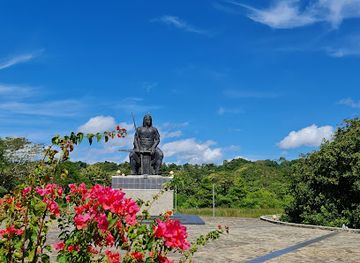
Parque Nacional de Dom Boaventura, Same Manufahi Timor Leste
Explore the breathtaking beauty of Parque Nacional de Dom Boaventura, a serene national park in Timor Leste, perfect for outdoor adventures and wildlife enthusiasts.
21 min drive · 7.1 km from city centre
Best landmarks in Same
Same’s most meaningful landmarks reflect its role in Manufahi’s political, religious and community life. The main Catholic church stands as a visible reminder of the Portuguese and later Catholic influence that shaped public life in the region, while the central market represents the continuing importance of local exchange and agricultural production. Civic and administrative buildings in the town centre express Same’s present status as the capital of Manufahi municipality. Beyond the streets, Mount Kablaki forms a powerful natural landmark, linking the town to the mountain geography that has influenced settlement, cultivation and travel for generations. The wider Manufahi landscape also carries the memory of the rebellion led by Boaventura and the long struggle against colonial and occupying powers, giving otherwise modest buildings and roads a deeper historical context.
-
Mountain peak
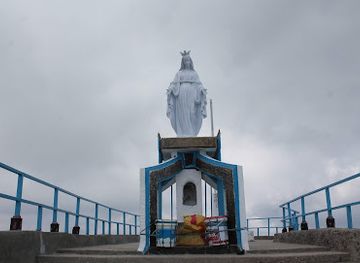
Tatamailau
Experience the breathtaking beauty and rich cultural heritage of Tatamailau, the highest peak in Timor-Leste, a paradise for adventurers and nature lovers.
40 min drive · 20 km from city centre
-
National park
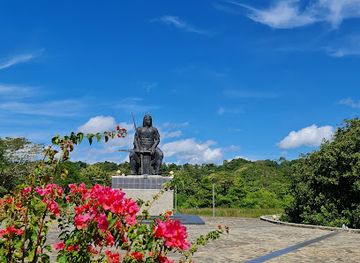
Parque Nacional de Dom Boaventura, Same Manufahi Timor Leste
Discover the breathtaking landscapes and rich biodiversity of Parque Nacional de Dom Boaventura in Timor Leste, a true paradise for nature lovers and adventurers.
21 min drive · 7.1 km from city centre
-
Bridge
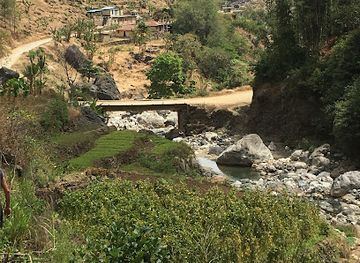
Ponte Mota Bandeira
Explore Ponte Mota Bandeira: a stunning bridge that showcases the natural beauty and cultural richness of Timor-Leste, perfect for photography and relaxation.
46 min drive · 26 km from city centre
Explore Same on the map
Plan your Same trip on one map. See where the top attractions, landmarks, restaurants, bars and hotels are, find what's near where you're staying, and book hotels and experiences in a few clicks.
Best hotels in Same
Best restaurants in Same
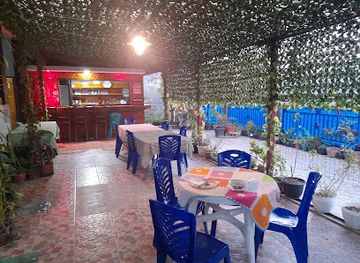
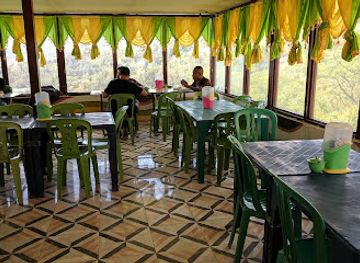
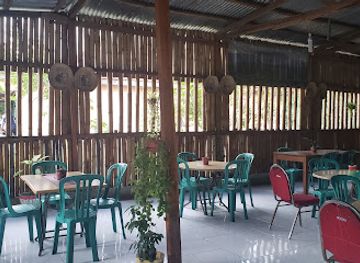
Dining in Same is centred on modest local eateries, market food and home-style cooking rather than a large restaurant scene. Meals commonly draw on rice, maize, vegetables, beans, eggs, chicken and fish, with chilli, garlic and locally available herbs adding flavour; availability varies with season and supply. Small warungs and roadside stalls may offer simple rice dishes, noodles, fried snacks, coffee and sweet drinks, while the market is useful for seeing the produce that supports household cooking in Manufahi. Timorese food reflects Indigenous traditions alongside Portuguese and Indonesian influences, although dishes and preparation differ between families and communities. Visitors staying in local accommodation may need to arrange meals in advance, especially outside the town centre. Carrying water and a few provisions is sensible when travelling into the surrounding mountains.
-
Restaurant
Restorante & Guest House de Sara
Discover authentic Timorese cuisine amidst breathtaking landscapes at Restorante & Guest House de Sara in Maubisse.
39 min drive · 19 km from city centre
-
Restaurant
Restaurante Amizade Maubisse
Discover the rich flavors of Timor-Leste at Restaurante Amizade Maubisse - where tradition meets culinary excellence.
40 min drive · 20 km from city centre
-
Restaurant
Lubi Cafe and Bar
Discover the flavors of Timor-Leste at Lubi Cafe and Bar – where local cuisine meets vibrant ambiance in Same.
3 min walk · 0.2 km from city centre
-
 Chinese
kayuan restaurant
Discover authentic Chinese cuisine at Kayuan Restaurant in Beremana - where tradition meets flavor in every dish.
37 min drive · 17 km from city centre
Best bars in Same
Same has a limited evening scene, with social life focused on family gatherings, small cafés, local eateries and informal street activity rather than purpose-built bars or nightclubs. In the centre, evenings may bring conversation over coffee, tea or soft drinks, while occasional community, church or municipal events provide a more public form of entertainment. Alcohol may be available in some local businesses, but opening times, choice and atmosphere are modest compared with Dili. There is little reason to expect a late-night entertainment district, and roads outside the centre can be dark with limited transport after sunset. Visitors should follow local etiquette, keep noise low near homes and religious buildings, and arrange their return to accommodation before travelling further into the surrounding countryside.
-
Restaurant
Lubi Cafe and Bar
Experience the best of local and international flavors at Lubi Cafe and Bar in Same, a must-visit restaurant for every traveler.
3 min walk · 0.2 km from city centre
-
Bar
Liquor Saksaur
Discover the lively atmosphere of Liquor Saksaur, Ainaro's hotspot for drinks and socializing, blending local culture with a vibrant nightlife experience.
35 min drive · 15 km from city centre
-
Bar
Gay pub Ankara
Experience the vibrant LGBTQ+ nightlife in Ankara's welcoming gay pub, where diversity and celebration come together for unforgettable moments.
37 min drive · 17 km from city centre

Best shops in Same
Shopping in Same is practical and local, with the central market and small roadside shops supplying fresh produce, household goods, clothing, snacks and basic travel provisions. The most distinctive purchases are likely to be tais, the handwoven textiles made across Timor-Leste and used in dress, ceremonies and presentation, although patterns, quality and availability depend on the individual maker or seller. Some communities also produce woven baskets and other household crafts, but visitors should ask about provenance rather than assuming that every textile was made locally. There are few dedicated boutiques or department stores, and retail choice is considerably narrower than in Dili. Bargaining may be part of informal market transactions, but it should be conducted courteously and without treating handmade work as a disposable souvenir.
-
Shopping mall
Centro Comercial Same
Explore the vibrant shopping scene at Centro Comercial Same, where local culture meets international retail in a bustling mall atmosphere.
4 min walk · 0.3 km from city centre
-
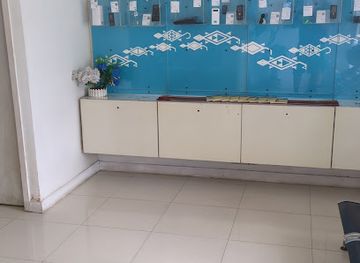
Cell phone store
Timor Telecom
Explore Same with Timor Telecom - your trusted partner for mobile connectivity in Timor-Leste.
2 min walk · 0.2 km from city centre
-
Grocery store
Anzor STAR
Explore the vibrant flavors of Timor-Leste at Anzor STAR, Vila's premier grocery store for local and international products.
36 min drive · 16 km from city centre
-
Coffee shop
Cafe D'ESPERANCA
Discover the cozy charm of Cafe D'ESPERANCA in Same, where every sip of coffee tells a local story.
8 min walk · 0.6 km from city centre


Get your free copy of our complete guide to Same, delivered straight to you.
Everything on this page, from attractions and restaurants to essentials and local phrases, in one PDF you can read offline, print or share.
Already have an account? Sign in
Your Same guide is ready.
We'll send it to · Not you? Sign out

Getting your guide ready…
We are putting together a fresh copy of the Same guide. This can take up to a minute.
This can take a few moments. If your browser asks, choose Allow so the download can start. You'll find the guide in your Downloads folder.
Nothing happened? Download it again
Sorry, the guide is taking longer than usual. Please try again in a minute, or get it by email instead.
Same essentials
Currency and Payment
Safety
Emergency Situations
Do's and Don'ts
Local Tips
From Eve
Local phrases worth knowing
You don't need to get them perfect. A few words go a long way, and locals appreciate the effort.
Basics
| English | Local | Say it |
|---|---|---|
| Hello | Bondia | [bon-dee-ah] |
| Goodbye | Adeus | [ah-day-oosh] |
| Yes | Sim | [seem] |
| No | Lae | [lie] |
| Please/You're welcome | Favor | [fah-vohr] |
| Thank you | Obrigadu | [oh-bree-gah-doo] |
| Excuse me/Sorry | Deskulpa | [deh-skool-pah] |
| How are you? | Di'ak ka lae? | [dee-ahk kah lie] |
| Fine. And you? | Di'ak. Ita? | [dee-ahk ee-tah] |
| Do you speak English? | Ita hatene Ingles? | [ee-tah hah-teh-neh een-glees] |
| I don't understand | La comperende | [lah kohm-peh-rehn-deh] |
Eating & Drinking
| English | Local | Say it |
|---|---|---|
| I'd like to see the menu, please | Hau hakarak hare menu, favor | [how hah-kah-rahk hah-reh meh-noo fah-vohr] |
| I don't eat meat | Hau la hakaik katu | [how lah hah-kah-ee-kah-kah-too] |
| Cheers! | Saude! | [sow-deh] |
| I would like to pay, please | Hau hakarak selu, favor | [how hah-kah-rahk seh-loo fah-vohr] |
Emergencies
| English | Local | Say it |
|---|---|---|
| Help! | Ajuda! | [ah-joo-dah] |
| Go away! | Ba oin! | [bah oh-een] |
| Call the Police! | Liga ba Polisia! | [lee-gah bah poh-lee-see-ah] |
| Call a doctor! | Liga ba doutor! | [lee-gah bah doh-too] |
| I'm lost | Hau mate | [how mah-teh] |
| I'm ill | Hau moras | [how moh-rahs] |
Shopping
| English | Local | Say it |
|---|---|---|
| I'd like to buy... | Hau hakarak hola... | [how hah-kah-rahk hoh-lah] |
| I'm just looking | Hau so buka-buka | [how soh boo-kah-boo-kah] |
| How much is it? | Kuantu mak? | [kwahn-too mahk] |
| That's too expensive | Ne'e naruk liu | [neh-eh nah-rook lee-oo] |
| Can you lower the price? | Ita bele hamenus preco? | [ee-tah beh-leh hah-meh-noos preh-soo] |
Time & Numbers
| English | Local | Say it |
|---|---|---|
| What time is it? | Hira agora? | [hee-rah ah-go-rah] |
| It's one o'clock | Husi ida iha oras | [hoo-see ee-dah ee-hah oh-rahsh] |
| Half past (10) | Tuan (10) | [too-ahn (ten)] |
| Morning | Manha | [mah-nyah] |
| Afternoon | Tarde | [tahr-deh] |
| Evening | Foho | [foh-hoo] |
| Yesterday | Tuku ona | [too-koo oh-nah] |
| Today | Ohin loron | [oh-heen loh-rohn] |
| Tomorrow | Aban | [ah-bahn] |
| 1 | Ida | [ee-dah] |
| 2 | Rua | [roo-ah] |
| 3 | Tolu | [toh-loo] |
| 4 | Haat | [hah-aht] |
| 5 | Lima | [lee-mah] |
| 6 | Neen | [neh-ehn] |
| 7 | Hitu | [hee-too] |
| 8 | Ualu | [wah-loo] |
| 9 | Sia | [see-ah] |
| 10 | Sanulu | [sah-noo-loo] |
Transport & Directions
| English | Local | Say it |
|---|---|---|
| Where's a/the...? | Iha nee... | [ee-hah neh-eh] |
| What's the address? | Enderecu saida? | [ehn-deh-reh-soo sah-ee-dah] |
| Can you show me (on the map)? | Ita bele hatudu hau (iha map)? | [ee-tah beh-leh hah-too-doo how (ee-hah map)] |
| When's the next (bus)? | Bainhira ba oin (onibus) tuir mai? | [bah-een-hee-rah bah oh-een (oh-nee-boos) too-ee-ee mai] |
| A ticket (to ....) | Bilhete (ba ....) | [beel-yeh-teh (bah)] |
History of Same
Manufahi Communities and Local Authority
Before European administration, the area around present-day Same was organised through local communities, customary authority and connections between mountain settlements and agricultural valleys. Manufahi was not an isolated political space: families, ritual relationships and exchanges linked villages across the southern highlands. Rice, maize, livestock and forest resources formed part of the local economy, while customary practices shaped land, leadership and ceremonial life. Much of this history was transmitted orally rather than through written records, and local accounts remain important for understanding the region. The modern town developed as an administrative centre, but the surrounding landscape still reflects older patterns of settlement, cultivation and movement.
Portuguese Administration and Catholic Influence
Portuguese authority expanded unevenly across Timor, relying on local rulers and alliances as well as military and administrative structures. Same became associated with the Kingdom of Manufahi, whose leaders retained considerable local influence while Portuguese control grew. Catholic missions and colonial administration gradually altered education, religious practice and public institutions, although customary beliefs and social structures continued alongside them. Roads, government buildings and the main church formed part of the colonial townscape. Portuguese rule also brought taxation, labour demands and political pressures that contributed to repeated resistance, particularly in regions where local authority remained strong.
The Manufahi Rebellion, 1895–1903
The defining colonial conflict in Same’s history was the Manufahi rebellion, led by the local ruler Boaventura. Resistance began in the 1890s and developed into a prolonged challenge to Portuguese authority, with opposition rooted in disputes over colonial demands, political control and the erosion of established local power. Portuguese forces eventually defeated the movement in 1903 after major fighting in the Manufahi region. The campaign caused extensive loss and disruption, and its consequences reshaped local leadership and colonial administration. Boaventura remains a powerful figure in Timorese historical memory, while the rebellion gives Same and the wider municipality a prominent place in the country’s anti-colonial history.
Occupation, War and Social Disruption
During the Second World War, Timor became a battlefield after Japanese forces occupied the island in 1942, drawing local communities into a wider conflict and causing severe hardship. After Portugal restored its rule, colonial structures continued until Timor-Leste declared independence in 1975. Indonesia invaded soon afterwards and incorporated the territory, beginning an occupation that lasted until 1999. In and around Manufahi, as elsewhere in Timor-Leste, the period brought military control, displacement, political repression and resistance. Rural communities were deeply affected, and the experiences of the occupation remain part of family memory and the country’s broader narrative of national struggle.
From Referendum to Municipal Centre
The 1999 United Nations-sponsored referendum resulted in a vote for independence, followed by widespread violence and destruction before an international force restored security. Timor-Leste became fully independent in 2002, and Same developed as the administrative centre of Manufahi municipality within the new state. Government services, roads, schools and health facilities gradually expanded, although infrastructure remains more limited than in Dili. Contemporary Same therefore combines the responsibilities of a municipal capital with the character of a rural highland town. Its identity is shaped by independent nationhood, the memory of resistance and the continuing importance of customary community life.
Same in Photos
Browse through our photo collection highlighting the charm and character of the destination.
Cities near Same
The closest cities to Same, if you have time for more than one stop.
-

-

-

-

-


Swipe for more cities
Explore more

Explore more of Timor-Leste
Discover Timor-Leste, a captivating blend of history, culture, and natural beauty in Southeast Asia, boasting pristine beaches, vibrant marine life, and lush landscapes.
Explore Timor-Leste