

Kao Island, Tonga Travel Guide
Discover Kao Island in Tonga, an uninhabited volcanic gem with lush landscapes, stunning hikes, and pristine beaches for the ultimate nature adventure.
Kao Island is the highest and one of the most striking islands in Tonga, boasting an impressive volcanic peak that rises dramatically from the ocean. This uninhabited island offers a unique opportunity for adventurous tourists who seek to explore raw, untouched nature. The island's lush greenery and stunning landscapes are a paradise for hikers and nature enthusiasts. While the island itself is uninhabited, the nearby Tongan islands provide easy access for day trips to Kao. The journey to Kao Island often includes a scenic boat ride, offering breathtaking views of the surrounding ocean and nearby islands. Once on Kao, visitors can hike to the summit of the volcano, where they are rewarded with panoramic views of the island chain and the vast Pacific Ocean. Kao Island is also a haven for bird watchers. The island's dense forests are home to a variety of bird species, some of which are endemic to Tonga. If you're lucky, you might spot rare birds that are seldom seen elsewhere. The island's remote location also means that its beaches are pristine and untouched, perfect for those looking to relax in a serene environment.

Know before you go
Hi, I'm Eve. Here are a few practical things to know before exploring Kao Island.
- Bring plenty of water and snacks as there are no facilities on the island.
- Wear sturdy hiking shoes for the trek to the volcano's summit.
- Hire a local guide for the best experience and to learn about the island's flora and fauna.
- Check weather conditions before planning your trip as the journey can be affected by rough seas.
Explore Kao Island: Things to Do, Places to Eat, Hotels & More
Handpicked recommendations for top attractions, local dining, accommodations, and more

Best attractions in Kao Island


Best landmarks in Kao Island
Top-rated picks
Best Landmarks

Mapu'a Vaea Blowholes
Experience the breathtaking Mapu'a Vaea Blowholes, a natural wonder in Tonga where seawater erupts dramatically, creating unforgettable views of nature's power.

Tongatapu
Explore the natural beauty and rich culture of Tongatapu, the largest island in Tonga, known for its stunning landscapes and warm Polynesian hospitality.

Royal Palace of Tonga
Discover the Royal Palace of Tonga, a historical gem in Nuku'alofa, where the beauty of Tongan culture and heritage comes to life.

Anahulu Cave
Discover the enchanting Anahulu Cave in Haveluliku, Tonga, where stunning stalactites and crystal-clear waters await your exploration.

Best restaurants in Kao Island
Top-rated picks
Best Restaurants

Coffee Post
Discover the rich flavors of Tongan coffee at Coffee Post in Maufanga - where every cup tells a story.

Little Italy Hotel
Discover the perfect blend of authentic Italian cuisine and comfortable accommodations at Little Italy Hotel in Nuku'alofa.

Friends Cafe
Discover culinary delights at Friends Cafe in Nuku'alofa - where local flavors meet cozy ambiance.

Cafe Escape
Experience authentic Tongan cuisine at Café Escape in Nuku'alofa – where local flavors meet warm hospitality.

Best bars in Kao Island
Top-rated picks
Best Bars
Little Italy Hotel
Discover the charm of Little Italy Hotel, where authentic Italian cuisine meets Tongan hospitality in the heart of Nuku'alofa.

Friends Cafe
Experience the flavors of Tonga at Friends Cafe, a cozy retreat in Nuku'alofa offering delicious local and international cuisine.

Cafe Escape
Discover the flavors of Tonga at Cafe Escape, a delightful restaurant in Nuku'alofa offering authentic dishes and a warm atmosphere.

Billfish Bar and Restaurant
Discover the lively Billfish Bar and Restaurant in Nuku'alofa, where local flavors and vibrant atmosphere meet for an unforgettable dining experience.

Best nightclubs in Kao Island
Top-rated picks
Best Nightclubs

Friends Cafe
Experience the vibrant flavors of Tonga at Friends Cafe in Nuku'alofa, where local cuisine meets warm hospitality.

Billfish Bar and Restaurant
Discover the vibrant flavors of Tonga at Billfish Bar and Restaurant, where fresh seafood meets a lively atmosphere in Nuku'alofa.

The TOP Restaurant and Lounge
Discover the best of Tongan cuisine at The TOP Restaurant and Lounge in Nuku'alofa, where fine dining meets a vibrant atmosphere.

Nauti Ruby's Bar & Restaurant
Discover the vibrant Nauti Ruby's Bar & Restaurant in Nuku'alofa, Tonga, where delicious food, refreshing drinks, and breathtaking ocean views await.

Best shops in Kao Island
Top-rated picks
Best Shops

Talamahu Market
Experience the vibrant flavors and cultural richness of Tonga at Talamahu Market in Nuku'alofa, a must-visit destination for every traveler.

Molisi Supermarket
Explore the vibrant offerings of Molisi Supermarket in Nuku'alofa, where local culture meets convenience in every aisle.

Hiki 'O Tonga
Experience the vibrant shopping scene at Hiki 'O Tonga, Nuku'alofa's premier mall for unique Tongan crafts and delicious local cuisine.
EZ TONGA ONLINE SHOPPING
Experience the vibrant shopping culture of Nuku'alofa at EZ Tonga Online Shopping, your go-to for local groceries and essentials.

Explore Kao Island on the Map
A handpicked selection of must-see spots in Kao Island, mapped for you.
Kao Island Essentials
-
Kao Island is part of the Ha'apai group in Tonga. The closest major airport is Fua'amotu International Airport on Tongatapu. From there, you can take a domestic flight to Lifuka Island's Salote Pilolevu Airport. Once you reach Lifuka, you can charter a boat to Kao Island. It's advisable to arrange boat charters in advance as they are not frequently available.
-
Kao Island is relatively small and rugged, making on-foot exploration the most practical means of getting around. There are no public transportation systems on the island, and rental vehicles are not available. For guided tours, it is best to arrange them through local tour operators in advance.
-
The official currency in Tonga is the Tongan Paʻanga (TOP). Credit cards are generally not accepted on Kao Island, so it's essential to carry enough cash for your entire stay. ATMs are not available on the island, so withdraw sufficient cash from the main islands like Tongatapu or Lifuka before your arrival.
-
Kao Island is generally safe for tourists. However, it's essential to take standard travel precautions. Avoid hiking alone in remote areas and always inform someone of your plans. There are no high-crime areas specifically targeting tourists, but it's wise to keep an eye on your belongings and avoid leaving valuables unattended.
-
In case of an emergency, contact local authorities in the Ha'apai group through your tour operator or accommodation provider. There are no medical facilities on Kao Island, so for medical emergencies, you will need to be transported to Lifuka or Tongatapu. It is advisable to have comprehensive travel insurance that covers medical evacuations.
-
Fashion: Do wear modest clothing, especially when visiting local villages. Avoid swimwear outside the beaches. Religion: Do respect local customs and participate respectfully if you visit any religious ceremonies. Public Transport: There is no public transport on the island. Plan your logistics in advance. Greetings: Do greet locals with a friendly 'Malo e lelei'. Eating & Drinking: Do try local Tongan cuisine and accept offerings graciously. Don’t waste food or refuse hospitality, as it is considered impolite.
-
To experience Kao Island like a local, engage with the community and learn about their way of life. Participate in traditional activities like fishing and weaving. Respect the natural environment by following the 'leave no trace' principles, and always ask for permission before taking photographs of people or private properties.
When is the best time to visit Kao Island?
Useful Local Phrases for Kao Island
You don't need to speak the language perfectly. Even learning a few simple words can make conversations warmer—and locals usually appreciate the effort.
— Eve

Here are the phrases I use most often in Kao Island. Try a few—you'll be surprised how far they go! 😊
❤️
-
- HelloMalo e lelei
[Mah-loh eh leh-leh] - GoodbyeOfa atu
[Oh-fah ah-too] - YesIo
[Ee-oh] - NoʻIkai
[Ee-kai] - Please/You're welcomeFakafetai
[Fah-kah-feh-tie] - Thank youMālō
[Mah-loh] - Excuse me/SorryFakamolemole
[Fah-kah-moh-leh-moh-leh] - How are you?ʻOku ō?
[Oh-koo oh] - Fine. And you?ʻIkai kei paʻanga. ʻO koe?
[Ee-kai keh-ee pah-ah-ngah. Oh koh-eh?] - Do you speak English?Ko e lea faka-Pālangi?
[Koh eh leh-ah fah-kah-pah-lahng-ee] - I don't understandʻIkai haʻu moʻui
[Ee-kai hah-oo moh-oo-ee]
- HelloMalo e lelei
-
- I'd like to see the menu, pleaseʻOku ou fiemaʻu ke vakai ha meini, fakafetai
[Oh-koo oh fee-eh-mah-oo keh vah-kahee hah meh-ee-nee, fah-kah-feh-tie] - I don't eat meatʻIkai haʻu kai meʻa kuka
[Ee-kai hah-oo kai meh-ah koo-kah] - Cheers!Manuia!
[Mah-noo-ee-ah] - I would like to pay, pleaseʻOku ou fiemaʻu ke totongi, fakafetai
[Oh-koo oh fee-eh-mah-oo keh toh-toh-nghee, fah-kah-feh-tie]
- I'd like to see the menu, pleaseʻOku ou fiemaʻu ke vakai ha meini, fakafetai
-
- Help!Fesoasoani!
[Feh-so-ah-so-ah-nee] - Go away!Alu!
[Ah-loo] - Call the Police!Fakatapu ki he Pulisi!
[Fah-kah-tah-poo kee heh Poo-lee-see] - Call a doctor!Fakatapu ki ha ʻatamai!
[Fah-kah-tah-poo kee hah ah-tah-my] - I'm lostNaʻake ʻalu
[Nah-ah-keh ah-loo] - I'm illNaʻake mate
[Nah-ah-keh mah-teh]
- Help!Fesoasoani!
-
- I'd like to buy...ʻOku ou fiemaʻu ke fakatau...
[Oh-koo oh fee-eh-mah-oo keh fah-kah-tow] - I'm just lookingʻOku ou tauhi ange
[Oh-koo oh tow-hee ah-ngheh] - How much is it?Ko e fakamaheni?
[Koh eh fah-kah-mah-heh-nee] - That's too expensiveʻOku maheni tēlē
[Oh-koo mah-heh-nee teh-leh] - Can you lower the price?Ko e tali pe ki muʻa e fakamaheni?
[Koh eh tah-lee peh kee moo-ah eh fah-kah-mah-heh-nee]
- I'd like to buy...ʻOku ou fiemaʻu ke fakatau...
-
- What time is it?Ko e hua taimi?
[Koh eh hoo-ah tah-ee-mee] - It's one o'clockKo e taimi ha?
[Koh eh tah-ee-mee hah] - Half past (10)Tānaki hifo (ʻuluaki)
[Tah-nah-kee hee-foh oo-loo-ah-kee] - MorningKiliki
[Kee-lee-kee] - AfternoonʻOtumotu
[Oh-too-moh-too] - EveningPō
[Poh] - YesterdayʻUa
[Oo-ah] - TodayʻAho
[Ah-hoh] - TomorrowʻApongipongi
[Ah-poh-nghee-poh-nghee] - 1Taha
[Tah-hah] - 2Fua
[Foo-ah] - 3Tolu
[Toh-loo] - 4Fā
[Fah] - 5Nima
[Nee-mah] - 6Ono
[Oh-noh] - 7Fitu
[Fee-too] - 8Valu
[Vah-loo] - 9Hiva
[Hee-vah] - 10ʻUluaki
[Oo-loo-ah-kee]
- What time is it?Ko e hua taimi?
-
- Where's a/the...?Ko fe...?
[Koh feh] - What's the address?Ko e fikaʻapa?
[Koh eh fee-kah-ah-pah] - Can you show me (on the map)?Ko e tali pe ki fakahaʻapai au (ki he lēmapa)?
[Koh eh tah-lee peh kee fah-kah-hah-ah-pie ow (kee heh leh-mah-pah)] - When's the next (bus)?ʻI he taimi hoko (pasi)?
[Ee heh tah-ee-mee hoh-koh pah-see] - A ticket (to ....)Tikiti (ki ...)
[Tee-kee-tee kee]
- Where's a/the...?Ko fe...?
History of Kao Island
-
Kao Island, the tallest of the Tongan islands, is believed to have been settled by Polynesians over a thousand years ago. Archaeological evidence suggests that the early inhabitants were skilled navigators and fishermen who utilized the island's rich marine resources. The volcanic soil also supported limited agriculture, allowing small communities to thrive.
-
Kao Island is a stratovolcano that emerged from the sea around 6,000 years ago. Its peak, rising to 1,030 meters above sea level, is the highest point in Tonga. The island has been shaped by numerous volcanic eruptions, the most notable occurring in 1846 and 1856. These eruptions have created unique geological features, including fumaroles and hot springs that continue to intrigue visitors.
-
Kao Island first came to the attention of Europeans in the late 18th century. In 1774, British explorer Captain James Cook sighted the island during his second voyage to the Pacific. His detailed maps and descriptions brought international awareness to this remote island, although it remained largely untouched by European hands for many years.
-
In the 19th century, Kao Island became a notable waypoint for whaling ships operating in the South Pacific. The island's sheltered bays provided a temporary haven for these vessels, which sought its calm waters to rest and resupply. This era brought brief interaction between the island's inhabitants and foreign sailors, adding a new layer to its cultural history.
-
During World War II, Kao Island played a strategic role due to its location in the South Pacific. Allied forces used the island as a lookout point to monitor enemy movements and ensure safe passage for military convoys. Remnants of this period, such as observation posts and makeshift airstrips, can still be found on the island.
-
In recent decades, Kao Island has gained recognition for its pristine natural environment and cultural heritage. Efforts have been made to preserve its unique ecological systems and historical sites. Today, the island attracts adventurous tourists who come to explore its rugged terrain, snorkel in its crystal-clear waters, and learn about its rich history.
Neighbouring destination travel guides
Browse our curated selection of top destinations, scenic points, and must-visit spots in the area.


Your all‑in‑one travel companion app
Explore expert travel guides, compare and book tours, experiences, hotels, and more—all from the palm of your hand. Download now for seamless trip planning wherever your wanderlust takes you.


Explore More of Tongatapu

Looking beyond Kao Island? Discover Tongatapu for broader travel guides, local hot-spots, and regional highlights.
Explore TongatapuExplore More of Tonga

Looking beyond Kao Island? Discover Tonga for broader travel guides, local hot-spots, and regional highlights.
Explore TongaKao Island in Photos
Browse through our photo collection highlighting the charm and character of the destination.
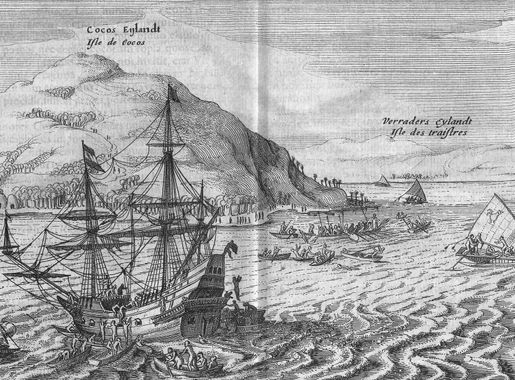
Kao Island: Tonga's Volcanic Treasure
Kao Island is the highest and one of the most striking islands in Tonga, boasting an impressive volcanic peak that rises dramatically from the ocean. This uninhabited island offers a unique opportunity for adventurous tourists who seek to explore raw, untouched nature. The island's lush greenery and stunning landscapes are a paradise for hikers and nature enthusiasts. While the island itself is uninhabited, the nearby Tongan islands provide easy access for day trips to Kao. The journey to Kao Island often includes a scenic boat ride, offering breathtaking views of the surrounding ocean and nearby islands. Once on Kao, visitors can hike to the summit of the volcano, where they are rewarded with panoramic views of the island chain and the vast Pacific Ocean. Kao Island is also a haven for bird watchers. The island's dense forests are home to a variety of bird species, some of which are endemic to Tonga. If you're lucky, you might spot rare birds that are seldom seen elsewhere. The island's remote location also means that its beaches are pristine and untouched, perfect for those looking to relax in a serene environment.