

Free Grand Turk Travel Guide & Mobile App
Plan your Grand Turk trip with Evendo. Get free guides to top attractions, restaurants, hotels, and bars. Web access or download the mobile app.


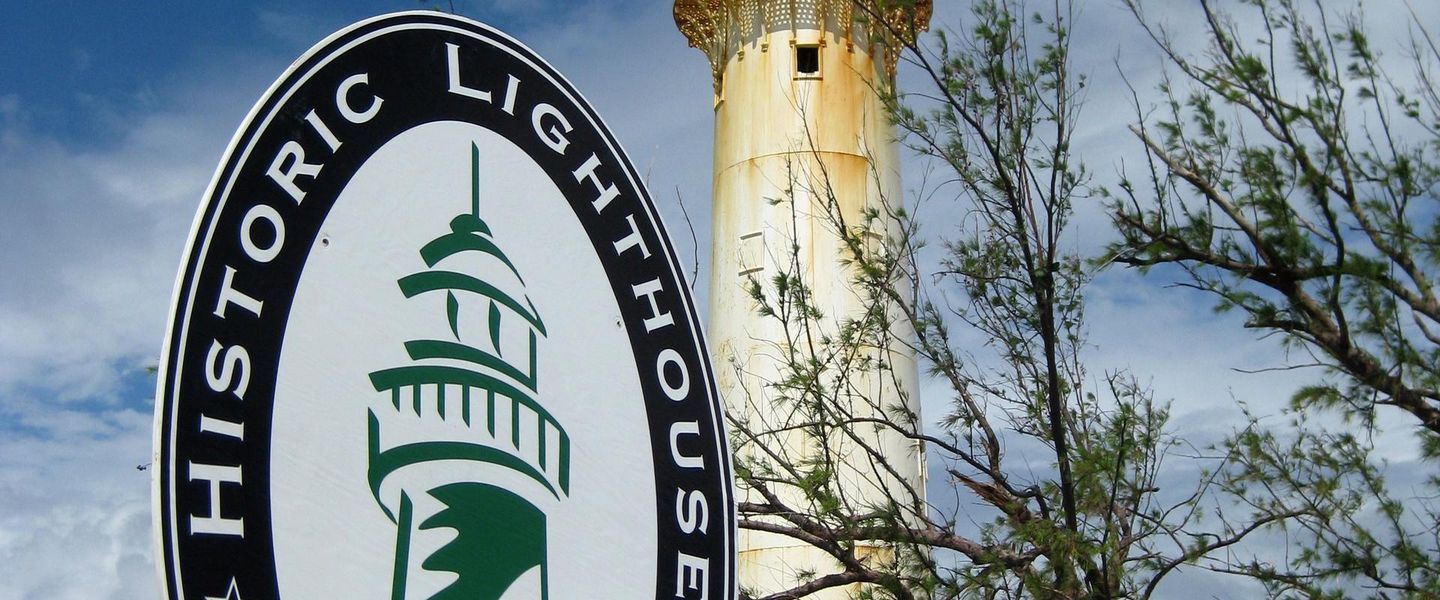


Grand Turk combines Cockburn Town’s colonial heritage, turquoise beaches, salt pans, diving, museums and relaxed island culture in the Turks and Caicos.
Island Capital and Historic Waterfront
Grand Turk is the administrative capital of the Turks and Caicos Islands, a compact island where British colonial history, Bermudian salt-making traditions and clear Caribbean water shape the experience. Cockburn Town, stretching along the western shore, is the territory’s oldest settlement and remains its cultural centre. Low pastel buildings, wooden verandahs and weathered masonry line Duke Street and Front Street, while the Turks and Caicos National Museum traces the islands’ story from Lucayan settlement to modern tourism.Read more about Grand Turk
Salt Pans, Beaches and the Sea
Contemporary Island Life
When is the best time to visit Grand Turk?
Best: March–May · 29–31°C| Month | High (°C) | Rainfall (mm) |
|---|---|---|
| January | 28 | 43 |
| February | 29 | 35 |
| March (best) | 29 | 27 |
| April (best) | 30 | 17 |
| May (best) | 31 | 7 |
| June | 32 | 4 |
| July | 32 | 4 |
| August | 33 | 6 |
| September | 32 | 7 |
| October | 31 | 14 |
| November | 31 | 25 |
| December | 29 | 36 |
Getting to and around Grand Turk
How to get there
Transportation
Best attractions in Grand Turk
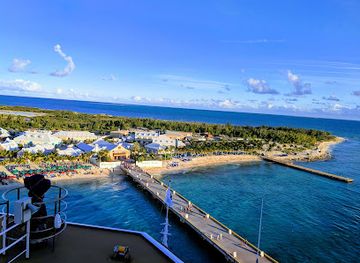
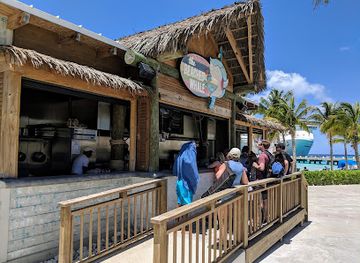
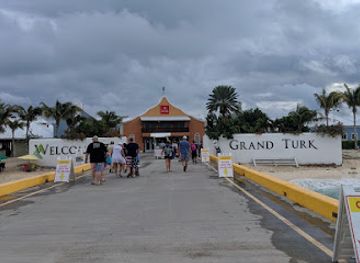
Grand Turk’s principal attractions are concentrated around its historic capital and marine environment. The Turks and Caicos National Museum in Cockburn Town presents Lucayan archaeology, maritime history and the story of the islands’ salt industry, while nearby streets reveal small churches, old homes and government buildings associated with the former colonial capital. At the northern end of the island, Grand Turk Lighthouse commands an exposed coastal setting and offers insight into the dangers faced by historic shipping. The former salt ponds, especially around Great Salt Pond, are central to understanding the island’s landscape and economy, with birdlife and broad, open views adding interest. Governor’s Beach provides an appealing stretch of sand and shallow turquoise water, while the reefs and dramatic walls offshore draw divers and snorkellers. The Grand Turk Cruise Center adds shops, restaurants and a beach area, although its atmosphere changes with the arrival of cruise ships.
-
Cruise terminal
Grand Turk Cruise Port
Experience the vibrant culture and stunning beaches at Grand Turk Cruise Port, your gateway to the enchanting Turks & Caicos Islands.
15 min drive · 5.0 km from city centre
-
Tourist attraction
Governor’s Beach
Discover the serene beauty of Governor's Beach in Cockburn Town, a tropical paradise perfect for relaxation, adventure, and stunning sunsets.
12 min drive · 4.1 km from city centre
-
National museum
Turks and Caicos National Museum
Explore the rich culture and history of the Turks and Caicos Islands at the Turks and Caicos National Museum in Cockburn Town.
11 min walk · 0.9 km from city centre
-
Beach
Pillory Beach
Explore the tranquil beauty of Pillory Beach in Cockburn Town, where pristine sands meet crystal-clear waters for the ultimate island getaway.
17 min walk · 1.4 km from city centre


Best landmarks in Grand Turk
Cockburn Town’s historic streets form Grand Turk’s most important ensemble of landmarks, with modest residences, public buildings and churches reflecting the island’s British and Bermudian connections. The Turks and Caicos National Museum occupies Guinep House, a historic building whose setting in the old capital connects the territory’s collections with the town’s architectural fabric. St Mary’s Anglican Church is a longstanding religious and civic presence, while the nearby salt ponds preserve the physical landscape of the industry that supported Grand Turk for generations. Grand Turk Lighthouse, built in 1852 at the northern tip, stands as a maritime marker rather than an urban monument and recalls the perilous reefs surrounding the island. Along the waterfront, old stonework, verandahs and low-rise buildings convey Cockburn Town’s former role as an administrative and trading centre, distinct from the newer commercial character of the cruise centre.
-
Cruise terminal
Grand Turk Cruise Port
Discover the stunning beauty and vibrant culture of Grand Turk Cruise Port, your gateway to the tropical paradise of the Turks and Caicos Islands.
15 min drive · 5.0 km from city centre
-
Caribbean
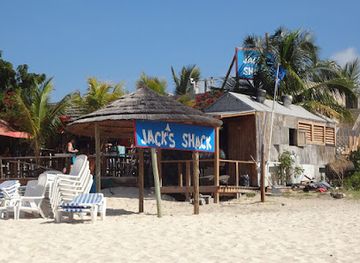
Jack's Shack Beach Bar & Grill
Experience the vibrant flavors and breathtaking views at Jack's Shack Beach Bar & Grill in the Turks and Caicos Islands.
13 min drive · 4.4 km from city centre
-
Historical landmark
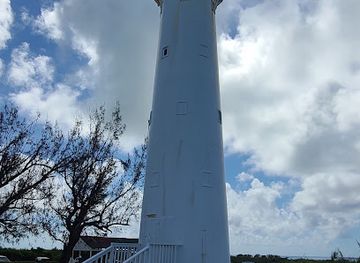
Grand Turk Lighthouse
Explore the iconic Grand Turk Lighthouse, a historical landmark offering stunning ocean views and a glimpse into the maritime heritage of the Turks and Caicos Islands.
13 min drive · 4.4 km from city centre
-
Restaurant
Margaritaville Grand Turk
Discover the vibrant atmosphere and delicious Caribbean cuisine at Margaritaville Grand Turk, the perfect destination for relaxation and fun.
15 min drive · 4.9 km from city centre
Explore Grand Turk on the map
Plan your Grand Turk trip on one map. See where the top attractions, landmarks, restaurants, bars and hotels are, find what's near where you're staying, and book hotels and experiences in a few clicks.
Best hotels in Grand Turk
Best restaurants in Grand Turk
Grand Turk’s dining scene reflects its island setting rather than the scale of a large resort centre. Fresh fish, conch prepared in salads or fritters, lobster when in season, peas and rice, and Caribbean-style sides appear in local restaurants and casual eateries, with menus shaped by Bahamian, Caribbean and British influences. Cockburn Town has the greatest concentration of independent places, from relaxed waterfront dining to small cafés and bars, while establishments near the cruise centre cater more directly to visiting passengers. Expect an unhurried rhythm and menus that depend partly on fishing, weather and supply links from other islands. Breakfast cafés, takeaway counters and simple beachside meals offer alternatives to formal dining, and local rum-based drinks commonly accompany evening meals. Restaurant availability and hours can vary, particularly outside cruise and high-tourism periods, so checking locally is useful.
-
Caribbean
Jack's Shack Beach Bar & Grill
Experience the best of Caribbean cuisine at Jack's Shack Beach Bar & Grill in Turks & Caicos - where great food meets stunning ocean views.
13 min drive · 4.4 km from city centre
-
Restaurant
Margaritaville Grand Turk
Discover tropical flavors at Margaritaville Grand Turk - where Caribbean cuisine meets stunning ocean views for an unforgettable dining experience.
15 min drive · 4.9 km from city centre
-
 Restaurant
Bohio Dive Resort
Experience adventure and relaxation at Bohio Dive Resort – your gateway to stunning beaches and vibrant marine life in Turks & Caicos.
17 min walk · 1.4 km from city centre
-
Restaurant
Sandbar Restaurant
Discover authentic Caribbean cuisine at Sandbar Restaurant in Cockburn Town, where stunning views meet delightful flavors.
5 min drive · 1.5 km from city centre
Best bars in Grand Turk
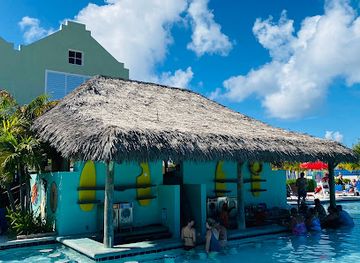
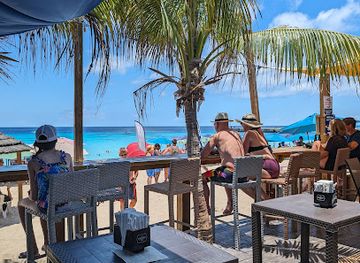
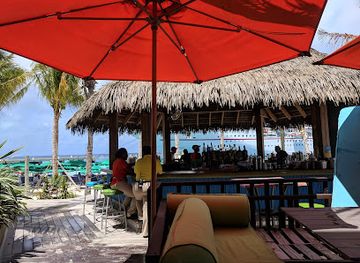
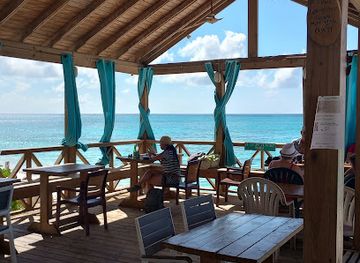
Grand Turk’s evening scene is intimate and sociable rather than club-focused. Cockburn Town has small bars and restaurants where residents and visitors gather for rum drinks, beer, conversation and views across the waterfront, while venues near the cruise centre are liveliest when ships are in port. Live music, informal island gatherings and occasional cultural events provide more characteristic entertainment than a large nightclub circuit. After dark, the island’s low density and limited street lighting make taxis or pre-arranged transport sensible when moving between venues, and visitors should respect the quieter atmosphere of residential streets. Evenings can also centre on sunset walks, stargazing or relaxed dinners, with activities shaped by the season, weather and cruise timetable. There is no broad entertainment district comparable with a major Caribbean resort, but the slower pace suits travellers seeking local conversation and uncomplicated nights.
-
Bar
Jack's Shack Beach Bar & Grill
Experience the vibrant flavors and lively atmosphere of Jack's Shack Beach Bar & Grill, a Caribbean gem in Grand Turk.
13 min drive · 4.4 km from city centre
-
Restaurant
Margaritaville Grand Turk
Indulge in Caribbean-inspired cuisine and vibrant island vibes at Margaritaville Grand Turk, a premier dining destination in the Turks & Caicos.
15 min drive · 4.9 km from city centre
-
Restaurant
Sandbar Restaurant
Experience the best of Caribbean cuisine at Sandbar Restaurant, where fresh flavors meet stunning ocean views in stunning Cockburn Town.
5 min drive · 1.5 km from city centre
-
Caribbean
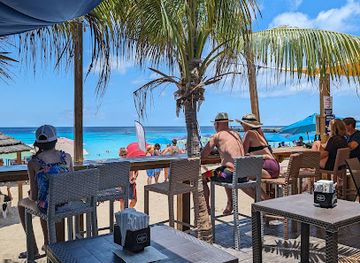
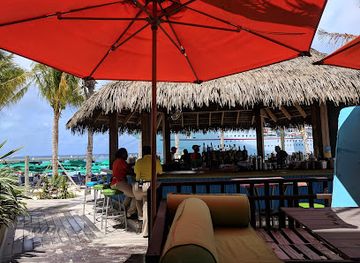
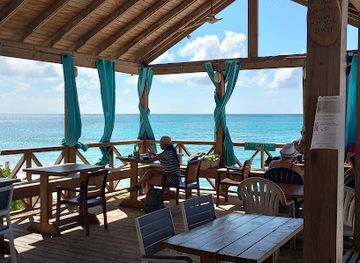
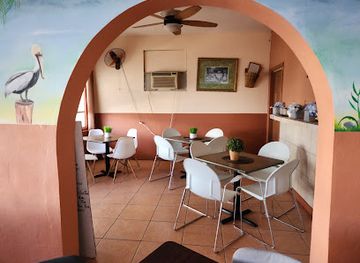
Barbie's Bar & Restaurant
Experience the vibrant flavors of the Caribbean at Barbie's Bar & Restaurant, a culinary gem in Cockburn Town, Turks & Caicos Islands.
11 min walk · 0.9 km from city centre
Best nightclubs in Grand Turk
Grand Turk’s evening scene is intimate and sociable rather than club-focused. Cockburn Town has small bars and restaurants where residents and visitors gather for rum drinks, beer, conversation and views across the waterfront, while venues near the cruise centre are liveliest when ships are in port. Live music, informal island gatherings and occasional cultural events provide more characteristic entertainment than a large nightclub circuit. After dark, the island’s low density and limited street lighting make taxis or pre-arranged transport sensible when moving between venues, and visitors should respect the quieter atmosphere of residential streets. Evenings can also centre on sunset walks, stargazing or relaxed dinners, with activities shaped by the season, weather and cruise timetable. There is no broad entertainment district comparable with a major Caribbean resort, but the slower pace suits travellers seeking local conversation and uncomplicated nights.
-
Bar
Jack's Shack Beach Bar & Grill
Discover the vibrant flavors and lively atmosphere of Jack's Shack Beach Bar & Grill in the heart of the Turks & Caicos Islands.
13 min drive · 4.4 km from city centre
-
Beach
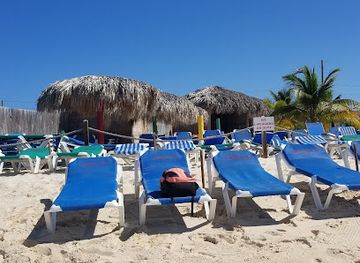
Bajari Beach Club
Discover the serene beauty and vibrant atmosphere of Bajari Beach Club, a stunning beach destination in Cockburn Town, Turks & Caicos Islands.
14 min walk · 1.1 km from city centre
-
Caribbean
Barbie's Bar & Restaurant
Experience the vibrant flavors of the Caribbean at Barbie's Bar & Restaurant in Cockburn Town, where every meal is a celebration of island culture.
11 min walk · 0.9 km from city centre
-
Bar
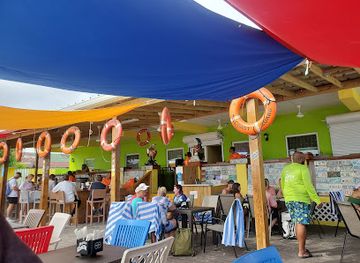
Beached Whale Bar & Grille
Discover the vibrant atmosphere and delicious cuisine at Beached Whale Bar & Grille in the stunning Turks & Caicos Islands.
15 min drive · 5.1 km from city centre
Best shops in Grand Turk
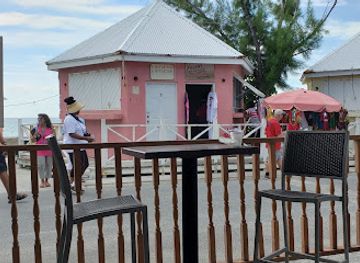
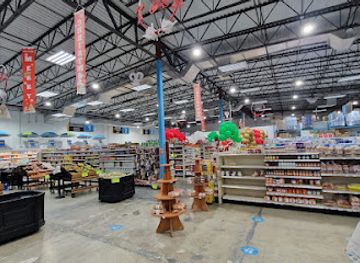
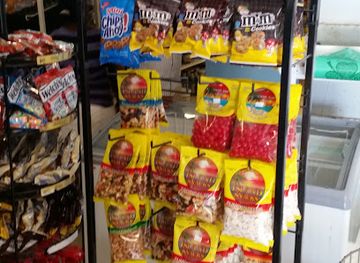
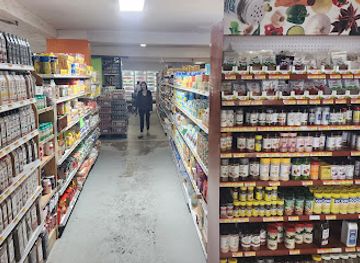
Shopping on Grand Turk is compact and concentrated mainly in Cockburn Town, around the waterfront and in the Grand Turk Cruise Center. Visitors will find small independent shops selling Turks and Caicos souvenirs, island-themed clothing, jewellery, artworks, locally made gifts and marine-inspired crafts, alongside convenience stores and practical beach supplies. Conch shells and other natural materials should be purchased only where their legal and sustainable sale is clear; coral, archaeological objects and protected wildlife products should never be taken from the shore or salt ponds. The cruise centre offers a more concentrated retail experience when ships are docked, while Cockburn Town is better suited to browsing at a slower pace and combining shopping with historic streets and museum visits. Local food products, rum, sauces and packaged specialities can make useful gifts, though travellers should check import rules for their destination before buying fresh or agricultural goods.
-
Off Licence
Grand Turk Liquors
Explore Grand Turk Liquors, your ultimate destination for local and international spirits in the heart of Cockburn Town, Turks & Caicos Islands.
17 min walk · 1.4 km from city centre
-
Supermarket
Graceway Grand Turk (Cee's Supermarket Store)
Discover the ultimate shopping experience at Graceway Grand Turk, offering a wide selection of local and international products in the heart of Turks and Caicos.
9 min walk · 0.7 km from city centre
-
Supermarket
QUALITY FOOD MART
Discover the vibrant shopping experience at Quality Food Mart, your go-to supermarket in Cockburn Town, Turks & Caicos Islands.
5 min drive · 1.7 km from city centre
-
Supermarket
Sunny Foods Wholesale and Cash N' Carry
Experience the vibrant flavors of the Caribbean at Sunny Foods, your essential supermarket in Cockburn Town, Turks & Caicos.
13 min walk · 1.0 km from city centre
Get your free copy of our complete guide to Grand Turk, delivered straight to you.
Everything on this page, from attractions and restaurants to essentials and local phrases, in one PDF you can read offline, print or share.
Already have an account? Sign in
Your Grand Turk guide is ready.
We'll send it to · Not you? Sign out

Getting your guide ready…
We are putting together a fresh copy of the Grand Turk guide. This can take up to a minute.
This can take a few moments. If your browser asks, choose Allow so the download can start. You'll find the guide in your Downloads folder.
Nothing happened? Download it again
Sorry, the guide is taking longer than usual. Please try again in a minute, or get it by email instead.
Grand Turk essentials
Currency and Payment
Safety
Emergency Situations
Do's and Don'ts
Local Tips
From Eve
Local phrases worth knowing
You don't need to get them perfect. A few words go a long way, and locals appreciate the effort.
Basics
| English | Local | Say it |
|---|---|---|
| Hello | Hai | [hay] |
| Goodbye | Tchau | [chow] |
| Yes | Sim | [seem] |
| No | Não | [nah-oo] |
| Please/You're welcome | Por favor/De nada | [por fah-vohr/deh nah-duh] |
| Thank you | Obrigado | [oh-bree-gah-doh] |
| Excuse me/Sorry | Com licença/Desculpe | [kohm leh-sen-sah/deh-skool-peh] |
| How are you? | Como vai? | [koh-moh vah-ee] |
| Fine. And you? | Bem. E você? | [beng/eh vehn-seh] |
| Do you speak English? | Você fala inglês? | [voh-say fah-lah een-glehss] |
| I don't understand | Eu não entendo | [eh-oo nah-oo ehn-ten-doh] |
Eating & Drinking
| English | Local | Say it |
|---|---|---|
| I'd like to see the menu, please | Eu gostaria de ver o cardápio, por favor | [eh-oo go-stah-ree-ah deh vehr oh kahr-dah-pee-oh/por fah-vohr] |
| I don't eat meat | Eu não como carne | [eh-oo nah-oo koh-moh kahr-nee] |
| Cheers! | Saúde! | [sah-oo-deh] |
| I would like to pay, please | Eu gostaria de pagar, por favor | [eh-oo go-stah-ree-ah deh pah-gahr/por fah-vohr] |
Emergencies
| English | Local | Say it |
|---|---|---|
| Help! | Ajuda! | [ah-zhoo-dah] |
| Go away! | Vai embora! | [vah-ee ehn-boh-rah] |
| Call the Police! | Chame a polícia! | [shah-meh ah poh-lee-see-ah] |
| Call a doctor! | Chame um médico! | [shah-meh oon meh-dee-koo] |
| I'm lost | Estou perdido | [eh-stoh pehr-dee-doh] |
| I'm ill | Estou doente | [eh-stoh doo-ehn-teh] |
Shopping
| English | Local | Say it |
|---|---|---|
| I'd like to buy... | Eu gostaria de comprar... | [eh-oo go-stah-ree-ah deh kohm-prahr] |
| I'm just looking | Eu só estou olhando | [eh-oo soo eh-stoh oh-lhahn-doh] |
| How much is it? | Quanto custa? | [kwahn-too koo-stah] |
| That's too expensive | Isso é muito caro | [ee-soh eh moo-eetoo kah-roo] |
| Can you lower the price? | Você pode baixar o preço? | [voh-say poh-deh bah-ee-shahr oh preh-soh] |
Time & Numbers
| English | Local | Say it |
|---|---|---|
| What time is it? | Que horas são? | [kee oh-rahss sah-ooh] |
| It's one o'clock | É uma hora | [eh oo-mah oh-rah] |
| Half past (10) | Meio-dia e meia (10) | [may-oh-jee-ah eh may-ah (10)] |
| Morning | Manhã | [mah-nyah] |
| Afternoon | Tarde | [tahr-deh] |
| Evening | Noite | [noy-tee] |
| Yesterday | Ontem | [ohn-tehn] |
| Today | Hoje | [oh-zhee] |
| Tomorrow | Amanhã | [ah-mah-nyah] |
| 1 | Um | [oom] |
| 2 | Dois | [doyss] |
| 3 | Três | [trehss] |
| 4 | Quatro | [kwa-troh] |
| 5 | Cinco | [seen-koh] |
| 6 | Seis | [sayss] |
| 7 | Sete | [seh-teh] |
| 8 | Oito | [oy-toh] |
| 9 | Nove | [noh-veh] |
| 10 | Dez | [dehss] |
Transport & Directions
| English | Local | Say it |
|---|---|---|
| Where's a/the...? | Onde fica o/a...? | [ohn-deh fee-kah oh/ah] |
| What's the address? | Qual é o endereço? | [kwahl eh oh ehn-deh-reh-soh] |
| Can you show me (on the map)? | Você pode me mostrar (no mapa)? | [voh-say poh-deh meh mohs-trahr/noh mah-pah] |
| When's the next (bus)? | Quando é o próximo (ônibus)? | [kwahn-doh eh oh proh-ksee-moh/ohn-ee-boos] |
| A ticket (to ....) | Um bilhete (para ....) | [oom beel-yeh-teh/pah-rah] |
History of Grand Turk
Lucayan Settlement and European Contact
Before European colonisation, Grand Turk was inhabited by Lucayan Taíno communities, who lived from fishing, shellfish, cultivation and maritime exchange across the Bahamian archipelago. Spanish voyages in the late fifteenth and early sixteenth centuries brought devastating disruption through enslavement, disease and forced movement, contributing to the collapse of Lucayan society. Later European interest centred on the islands’ strategic position, natural resources and salt ponds. The archaeological record, including Lucayan artefacts held by the Turks and Caicos National Museum, provides important evidence of the island’s first inhabitants and places Grand Turk within the wider pre-colonial history of the Caribbean.
British Settlement Takes Root
Permanent British settlement on Grand Turk developed during the eighteenth century, encouraged by the commercial value of its shallow salt ponds. Bermudian settlers brought expertise in salt raking, gathering and export, establishing a distinctive maritime economy based on seasonal labour and careful management of evaporation ponds. Grand Turk became the principal settlement of the Turks and Caicos Islands, and Cockburn Town grew as its administrative and trading centre. The island’s low buildings, churches, waterfront streets and salt-working landscape reflect this period, when local prosperity depended less on agriculture than on the dependable production and shipment of sea salt.
Capital, Salt and Maritime Trade
In 1766, Grand Turk became the seat of government for the Turks and Caicos Islands, reinforcing Cockburn Town’s political importance. Through the late eighteenth and nineteenth centuries, salt remained the foundation of the island economy, exported to markets around the Caribbean and North America. Enslaved people and, after emancipation, wage labourers performed much of the demanding work associated with the ponds, while merchants and shipowners connected the island to regional trade. The town’s churches, residences, warehouses and public buildings developed within this commercial setting. As larger-scale salt production elsewhere increased and conditions changed, Grand Turk’s industry gradually declined.
The Lighthouse and a Changing Coast
Grand Turk Lighthouse was erected in 1852 at the island’s northern end, where its light helped vessels navigate the reefs and approaches of the Turks and Caicos. Built during the period when maritime trade was central to island life, it is a reminder of the hazards and importance of regional shipping. The lighthouse stands within a broader landscape of scrub, cliffs and sea rather than an urban waterfront, illustrating Grand Turk’s close relationship with navigation and the ocean. As salt exports weakened, maritime administration, fishing and public service became increasingly important elements of the island’s economy and identity.
From Colonial Administration to Modern Tourism
Grand Turk remained the political centre of the Turks and Caicos Islands as the territory passed through changing forms of British administration and developed modern public institutions. The twentieth century brought improved communications, aviation and a gradual shift from salt production towards tourism and services. Grand Turk’s historic capital retained governmental and cultural importance even as Providenciales became the territory’s principal commercial and resort centre. The Turks and Caicos National Museum, established in Cockburn Town, preserves archaeological, maritime and social histories, while the cruise industry and marine tourism have added new visitors to an island whose older identity is still visible in its streets, ponds and shoreline.
Grand Turk in Photos
Browse through our photo collection highlighting the charm and character of the destination.
Cities near Grand Turk
The closest cities to Grand Turk, if you have time for more than one stop.
-

-

-

-

-


Swipe for more cities

