Dunblane Cathedral, Aberfeldy Travel Guide
Free Guide: Discover Scotland's medieval heart at Dunblane Cathedral: 12th-century tower, Pictish stones, massacre memorial, and active worship in a serene, weathered stone sanctuary near Stirling.


A brief summary of Dunblane Cathedral
Discover Scotland's medieval heart at Dunblane Cathedral: 12th-century tower, Pictish stones, massacre memorial, and active worship in a serene, weathered stone sanctuary near Stirling.
Dunblane Cathedral, nestled in the heart of Dunblane near Stirling, Scotland, is a medieval gem blending Romanesque and Gothic architecture. Dating back to the 12th century, this historic site features a distinctive red sandstone tower, rare 15th-century choir stalls, Pictish stones, and poignant memorials including one for the 1996 tragedy. Free to enter with donations welcome, it's open daily (Sundays from 2pm in summer) and remains an active Presbyterian church. Explore its weathered stones, stunning nave, and serene churchyard for a profound connection to Scotland's past.
On-site amenities
 Restrooms
 Seating areas
 Information boards
Opening hours
- Mon–Sat10 am–3 pm
- SunClosed
Opening hours as listed on the venue’s Google Business Profile. Hours can change for services and special events, so check with the venue before you go.
- Address
- The Cross, Dunblane FK15 0AQ
- Phone
- Website
Getting there
Driving
Train
Bus
Discover more about Dunblane Cathedral
History and Architecture
Dunblane Cathedral stands as one of Scotland's oldest continuously used religious sites, with Christian worship tracing back to around AD 600 when St Blane established a monastery on this Roman fort site. The current structure began around 1150 with a stone church and a separate defensive tower. Major expansion came in 1233 under Bishop Clement, incorporating the misaligned 11th-12th century tower into the nave's south wall. The red sandstone bell tower, six stories tall, features Romanesque lower arches and Gothic upper elements added around 1500 with Bishop Chisholm's arms. The nave, from circa 1240, boasts majestic columns and arches, while the roof was rebuilt in 1890 after centuries without one post-Reformation.
Interior Highlights
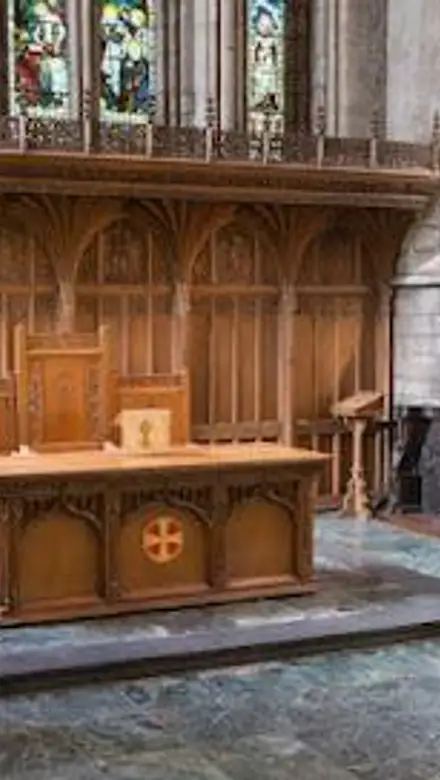
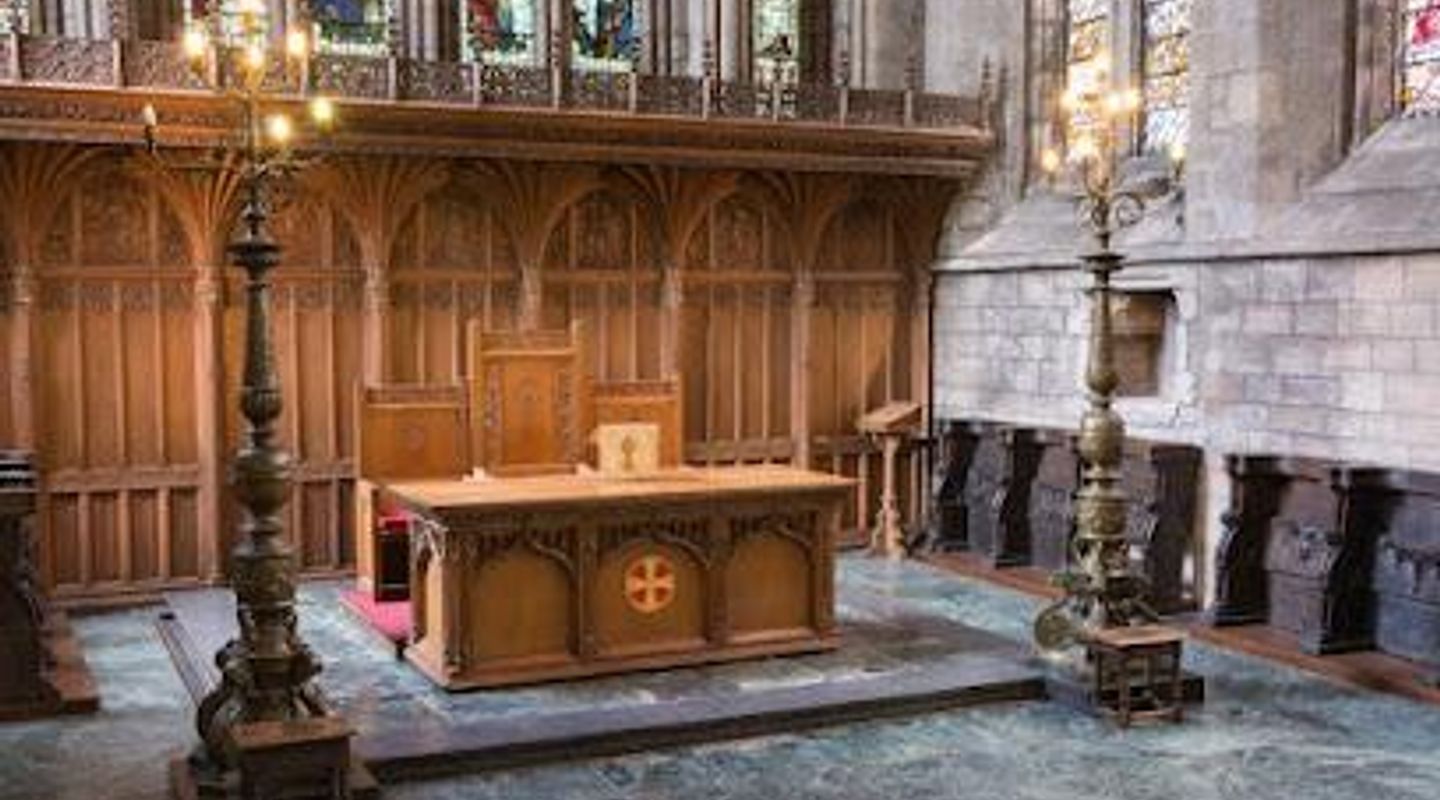
Step inside to discover a human-scale interior where weathered stone blurs indoor and outdoor antiquity. The tall nave leads to the 15th-century choir stalls, among Scotland's finest preserved examples, gifted with 1914 woodwork including the Leighton Screen depicting acts of mercy. Admire the 1901 east window stained glass, a 9th-century Pictish cross-slab unearthed in 1873, and 19th-century furnishings. The chapter house, possibly from the original 1150 church, serves as a World War memorial. No longer a true cathedral without bishops, it's part of the Church of Scotland.
Memorials and Significance
A carved stone in the south aisle commemorates the 1996 Dunblane Massacre, where 16 children and a teacher were killed, spurring UK gun law reforms. Unveiled in 2001, it joins a garden plaque with literary quotes. The site hosted tennis star Andy Murray's wedding, adding modern fame. Once threatened by railway demolition, it survived to draw global visitors tracing ancestors via lair records.
Visiting and Worship
Free entry welcomes donations; managed by Historic Environment Scotland with church services. Summer hours (Apr-Sep): daily 10am-4:30pm (Sun 2pm); winter varies, closed Christmas-New Year, lunch breaks, and for services/events. Sunday 10:30am worship, Wednesday 11am midweek service, creche, kids' groups, hearing loop, large-print hymns. Guided tours Sundays in July-August. Nearby: Dunblane Museum, golf club.
Churchyard and Surroundings
The adjoining cemetery holds historic graves; the asymmetrical design and unique weathering create an enchanting atmosphere. Approach the Gothic-Romanesque west facade, capture the tower against the sky, and reflect in quiet gardens.
Evendo Review Centre
 Google
Guest reviews
Best time to go
Quietest: Jan, Feb & Mar · before 9am or at 7pm
Busy times are Evendo estimates for a typical year, to help you plan. Actual crowds vary with events, school holidays and the weather.
Explore Dunblane Cathedral on the map
A handpicked selection of must-see spots near Dunblane Cathedral, mapped for you.
Get your free copy of our complete guide to Dunblane Cathedral, delivered straight to you.
Everything on this page, from opening hours and how to get there to Eve’s tips and the best time to go, in one PDF you can read offline, print or share.
Already have an account? Sign in
Your Dunblane Cathedral guide is ready.
We'll send it to · Not you? Sign out

Getting your guide ready…
We are putting together a fresh copy of the Dunblane Cathedral guide. This can take up to a minute.
This can take a few moments. If your browser asks, choose Allow so the download can start. You'll find the guide in your Downloads folder.
Nothing happened? Download it again
Sorry, the guide is taking longer than usual. Please try again in a minute, or get it by email instead.
Unlock the best of Dunblane Cathedral
Skip-the-line tickets, guided tours with entry, and walking tours of the area, booked in a few clicks.


Other nearby places you may find interesting
The closest places of the same kind, if this one is not quite what you had in mind.
-
Black Watch Memorial, Aberfeldy. Towering tribute to the Black Watch's birthplace by the River Tay, where Scotland's fiercest warriors first assembled amid Highland hills and historic waters.
-
Croft Moraig Stone Circle Unveil 5,000-year-old Neolithic mysteries at Croft Moraig Stone Circle, where double rings, quartz beds, and recumbent stones whisper ancient rituals amid Scotland's serene Tay Valley farmlands.
-
Seated Statue Of Robert Burns Scotland's national poet immortalised in bronze, gazing upon the landscape that inspired his timeless verse.
-
Moness Resort Escape to 1758 hunting lodge luxury amid Perthshire's big trees: pools, spa bliss, family games, and cozy cottages near Aberfeldy's poetic gorges.
-
Townhouse Aberfeldy Elegant Victorian B&B in Perthshire's heart: unique rooms, stellar breakfasts, and easy access to Aberfeldy's adventures and Highland trails.
Swipe for more places
More to explore near Dunblane Cathedral

 Best experiences near Dunblane Cathedral
 Best hotels near Dunblane Cathedral
 Best landmarks near Dunblane Cathedral
 Best attractions near Dunblane Cathedral
 Best shops near Dunblane Cathedral
 Best restaurants near Dunblane Cathedral
 Best bars near Dunblane Cathedral
Do you manage this location?
Take control to get all the benefits, like improved information, better appearance, and stronger visibility across AI-powered discovery.
Explore more

Explore more of Aberfeldy
Discover Aberfeldy, where the beauty of the Scottish Highlands meets rich cultural heritage and thrilling outdoor adventures.
Explore Aberfeldy
Explore more of United Kingdom
Discover the United Kingdom: A blend of rich history, stunning landscapes, and vibrant cities, offering a unique travel experience for every visitor.
Explore United Kingdom