
St. Columba’s Cathedral, Argyllshire Travel Guide
A majestic Neo-Gothic cathedral on Oban’s waterfront, blending rich history, stunning granite architecture, and serene spiritual ambiance.
St Columba’s Cathedral in Oban is a striking Neo-Gothic Roman Catholic cathedral designed by Sir Giles Gilbert Scott. Constructed from pink and blue granite between 1932 and 1959, it stands prominently on the north-east side of Oban Bay. The cathedral’s imposing tower and vast interior reflect a rich history, replacing an earlier corrugated iron 'tin cathedral.' Its stained glass windows, intricate wood carvings, and serene atmosphere make it a significant spiritual and architectural landmark in the West Highlands.
A brief summary to St. Columba’s Cathedral
- 200 Corran Esplanade, Oban, PA34 5AA, GB
- Click to display
- Click to display
- Duration: 0.5 to 2 hours
- Free
-
 Outdoor
- Mobile reception: 4 out of 5

Know before you go
Hi, I'm Eve. Here are a few practical things to know before exploring St. Columba’s Cathedral.
- Visit at quiet times to fully appreciate the cathedral’s peaceful interior and stained glass windows.
- View the cathedral from McCaig’s Tower across the bay for a full perspective of its impressive scale.
- Look for the oak wood carvings depicting Saint Columba’s acts of reconciliation inside the sanctuary.
- Attend a Mass service to experience the cathedral’s spiritual atmosphere firsthand.
Do you manage this location?
Take control to get all the benefits, like improved information, better appearance, and stronger visibility across AI-powered discovery. Learn more about listing your business on Evendo
Activate your presenceOther nearby places you may find interesting
The closest places of the same kind, if this one is not quite what you had in mind.

Explore St. Columba’s Cathedral on the Map
A handpicked selection of must-see spots near St. Columba’s Cathedral, mapped for you.
Unlock the Best of St. Columba’s Cathedral
Buy tickets
-
No tickets available
Book tours with entry

Book tours without entry


Getting There
-
Bus
Local bus services from Oban town center run frequently to Corran Esplanade, with a travel time of approximately 10-15 minutes. Buses operate daily but check schedules for early morning or late evening services. Tickets cost around £2-£4 GBP.
-
Car
Driving to St Columba’s Cathedral is straightforward via the A85 road. Parking is available nearby but can be limited during peak tourist seasons. Travel time from Oban town center is about 5-10 minutes. Parking fees range from free to £3 GBP per hour depending on location.
-
Walking
A pleasant 20-25 minute walk from Oban town center along the waterfront and Corran Esplanade leads directly to the cathedral. The terrain is mostly flat and suitable for most visitors, though those with mobility issues should consider alternative transport.
For the on-the-go comforts that matter to you
-
 Restrooms
-
 Seating Areas
-
 Information Boards
Discover more about St. Columba’s Cathedral
Architectural Vision and Construction Legacy
St Columba’s Cathedral was designed by the renowned English architect Sir Giles Gilbert Scott, famed for Liverpool Anglican Cathedral and the iconic red telephone box. Construction began in 1932 and was completed in 1959, with delays caused by the Great Depression and World War II. The cathedral is built primarily from pink Peterhead and blue Inverawe granite, materials that symbolize the enduring faith of the West Highlands community. Its Neo-Gothic style blends Gothic and Romanesque elements, creating an imposing yet dignified presence on Oban’s seafront.Historical Roots and Evolution
The cathedral’s origins trace back to 1878 when the Scottish Catholic hierarchy was restored. Initially, a modest wooden building and then a prefabricated corrugated iron 'tin cathedral' served the growing Catholic population. This temporary structure, funded by the 3rd Marquess of Bute, surprisingly lasted over 50 years. Bishop Donald Martin spearheaded fundraising efforts across North America and Ireland to build the permanent cathedral, which was consecrated in stages, with the tower and bells completed in the 1950s.Interior Grandeur and Artistic Highlights
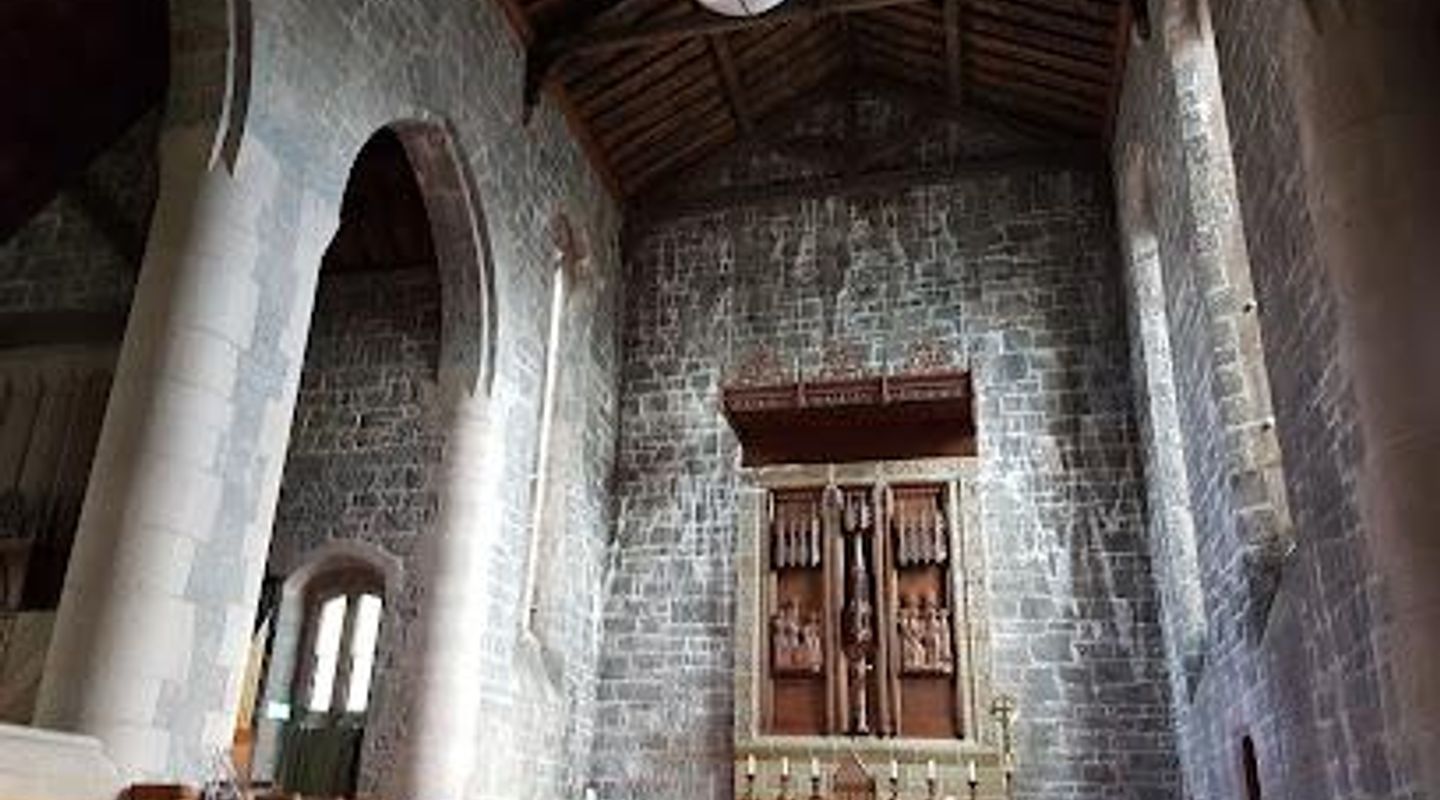
Inside, the cathedral impresses with its vast, cavernous nave illuminated by large stained glass windows depicting the Archangels Michael, Raphael, and Gabriel. The pink and blue granite pillars catch the light, enhancing the building’s serene ambiance. Oak panels carved by Donald Gilbert depict Saint Columba’s symbolic acts of reconciliation, reinforcing the cathedral’s spiritual message. The wooden ceiling and Stations of the Cross carvings add to the contemplative atmosphere.Spiritual and Cultural Significance
As the mother church of the Diocese of Argyll and the Isles, St Columba’s Cathedral is a beacon of faith for the region. Its location overlooking Oban Bay connects it visually and spiritually to Iona and the wider Atlantic, symbolizing outreach and unity. The cathedral welcomes visitors worldwide to celebrate the Eucharist and experience its peaceful sanctuary, reflecting a heritage of resilience and community dedication.Setting and Visitor Experience
Situated prominently on Corran Esplanade, the cathedral’s tower dominates the northern end of Oban’s waterfront. While much of the building is partially hidden between neighboring hotels, views from across the bay or from McCaig’s Tower reveal its full grandeur. Inside, the quiet and reflective atmosphere invites contemplation, enhanced by the echoing hymns and the warm hues of granite and stained glass. The cathedral’s peacefulness contrasts with the lively town nearby, offering a tranquil spiritual retreat.Legacy and Continuing Role
The cathedral’s story is one of perseverance through economic hardship and war, embodying the faith and identity of Oban’s Catholic community. It remains a vital religious center, hosting daily Mass and special ceremonies. The 2004 formal dedication by Scottish bishops reaffirmed its status as a cathedral of national importance. Its architectural beauty, historical depth, and spiritual resonance continue to attract worshippers and visitors alike, making it a cornerstone of Oban’s cultural landscape.More to explore near St. Columba’s Cathedral













Your all‑in‑one travel companion app
Explore expert travel guides, compare and book tours, experiences, hotels, and more—all from the palm of your hand. Download now for seamless trip planning wherever your wanderlust takes you.


Explore More of Argyllshire

Looking beyond St. Columba’s Cathedral? Discover Argyllshire for broader travel guides, local hot-spots, and regional highlights.
Explore Argyllshire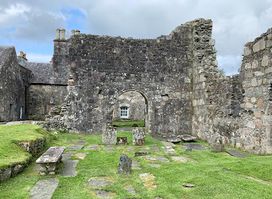
Discover the tranquil ruins and ancient gardens of Ardchattan Priory, a medieval monastic site steeped in Scottish history and clan heritage.

A majestic Neo-Gothic cathedral on Oban’s seafront, blending rich history, stunning granite architecture, and spiritual sanctuary.
