

Free Argyllshire Travel Guide & Mobile App
Explore Argyllshire with free travel guides. Discover regional history, expert tips, proposed trips, and audio guides on web or mobile app.


Explore Argyllshire in western Scotland for sea lochs, island landscapes, ancient monuments, coastal villages, whisky and Gaelic heritage.
Read more about Argyllshire
When is the best time to visit Argyllshire?
Best: June–August · 19–21°C| Month | High (°C) | Rainfall (mm) |
|---|---|---|
| January | 8 | 120 |
| February | 8 | 100 |
| March | 10 | 110 |
| April | 13 | 90 |
| May | 16 | 80 |
| June (best) | 19 | 70 |
| July (best) | 21 | 80 |
| August (best) | 21 | 80 |
| September | 18 | 90 |
| October | 14 | 100 |
| November | 9 | 110 |
| December | 7 | 120 |
Getting to and around Argyllshire
How to get there
Transportation
Top city travel guides in Argyllshire
The cities of Argyllshire, and the easiest places to base yourself.
-

-


Swipe for more cities
Destinations in Argyllshire
Resorts, valleys and scenic spots worth a trip of their own.
-

-

-

-

-

-


Swipe for more destinations
Best attractions in Argyllshire
Argyllshire's attractions are spread across a landscape of sea lochs, islands, glens and small towns rather than concentrated in one urban centre. Kilmartin Glen offers one of Scotland's most important prehistoric landscapes, with burial monuments, standing stones and the hillfort of Dunadd. Inveraray combines a planned eighteenth-century town with Inveraray Castle and access to Loch Fyne, while Oban provides maritime museums, harbour views and a practical base for west-coast excursions. On Mull, visitors can explore Tobermory, coastal walks and wildlife-rich waters; Iona offers an internationally significant religious and architectural site. Islay and Jura add beaches, peatlands, hill walking and long-established whisky traditions. Outdoor experiences include kayaking, sailing, cycling, birdwatching and walking on varied terrain, though many activities depend on weather and advance arrangements. Ruined castles such as Kilchurn Castle and sea-facing fortifications provide historical focus, while gardens, woodland estates and local museums reveal the region's natural and social history.
-
National park
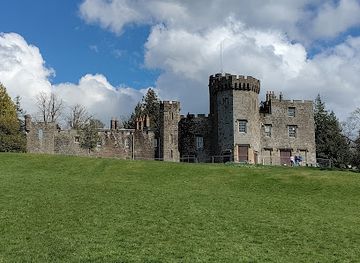
Loch Lomond & The Trossachs National Park
Scotland’s stunning national park where rugged Highlands meet tranquil lochs, rich wildlife thrives, and outdoor adventures abound.
-
Historical landmark
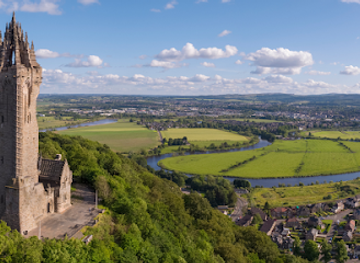
The National Wallace Monument
Explore the towering tribute to Scotland’s national hero, William Wallace, with panoramic views and rich history atop Abbey Craig.
-
Castle
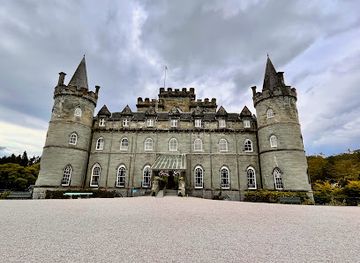
Inveraray Castle
Explore Inveraray Castle, a majestic Gothic Revival home of Clan Campbell set on Loch Fyne with stunning gardens and rich Scottish heritage.
-
Tourist attraction
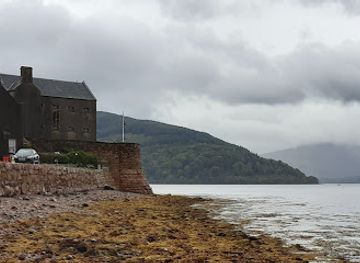
Inveraray Jail and Escape Room
Step into Inveraray Jail to experience 19th-century justice, history, and an immersive escape room challenge in Scotland’s historic Church Square.
Best landmarks in Argyllshire
Kilmartin Glen is Argyllshire's defining archaeological landmark, where prehistoric cairns, standing stones and carved rocks occupy a carefully arranged valley landscape. Dunadd rises nearby as a fortified royal centre associated with Dál Riata, linking the visible terrain with the beginnings of medieval Gaelic kingship. On Iona, the abbey and its sculptured crosses represent centuries of Christian and artistic history, while the island's small scale makes the relationship between monument and seascape especially apparent. Inveraray Castle is an important expression of eighteenth-century aristocratic planning, complemented by the orderly streets of Inveraray town. Kilchurn Castle stands at the head of Loch Awe as a powerful reminder of medieval and early modern Highland lordship. Natural landmarks include the exposed shores of Islay and Jura, the mountainous profile of Mull and the dramatic sea cliffs around Staffa, where Fingal's Cave is formed from columnar basalt. Together these places show how Argyllshire's identity has been shaped by geology, seaways, faith and political power.
-
 Historical landmark
McCaig's Tower & Battery Hill
Explore Oban’s iconic McCaig's Tower, a Colosseum-inspired folly with stunning views and tranquil gardens atop Battery Hill.
-
Historical landmark
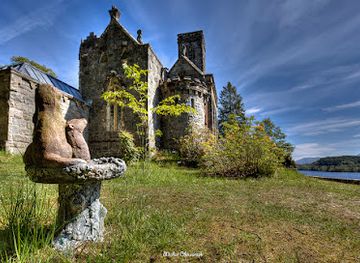
St Conan’s Kirk
Discover St Conan’s Kirk, a unique architectural gem blending styles and history on the tranquil shores of Loch Awe.
-
Abbey
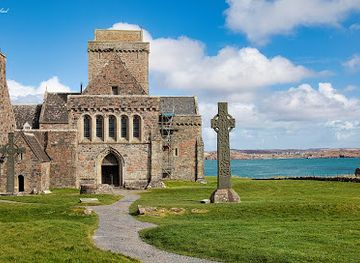
Iona Abbey and Nunnery
Scotland's most sacred island: 1,450 years of Christian pilgrimage, medieval artistry, and spiritual renewal.
-
Museum
Kilmartin Museum
Discover 12,000 years of history at Kilmartin Museum, where ancient artefacts meet the stunning prehistoric landscape of Kilmartin Glen.
Explore Argyllshire on the map
Plan your trip on one map. See where the top cities, national parks and sights are, and book hotels and experiences in a few clicks.
Best hotels in Argyllshire
Best restaurants in Argyllshire
Dining in Argyllshire is shaped by the sea, small-scale agriculture and island produce. Loch Fyne oysters and other shellfish are prominent, while menus commonly draw on salmon, white fish, venison, lamb and locally grown vegetables. Oban and other harbour settlements offer seafood restaurants, cafés, bakeries and pubs, whereas rural districts are more likely to have inns and small restaurants operating around limited service periods. Islay and Jura are strongly associated with whisky, and tastings often accompany food focusing on local ingredients. Farmers' shops and food producers provide opportunities to buy cheese, preserves, baked goods and smoked products for self-catering. Availability can be seasonal and kitchens may be distant from one another, especially on islands, so advance booking is sensible. The regional food culture is less about a single defining dish than about the relationship between coastal waters, upland grazing, island communities and the wider Scottish larder.
-
Seafood
EE-USK
Fresh, locally sourced seafood served with panoramic harbor views on Oban’s historic North Pier.
-
Oyster bar
Loch Fyne Restaurant & Oyster Bar
Fresh Scottish seafood with stunning loch views in a rustic, welcoming setting at the head of Loch Fyne.
-
Scottish
Slanj Restaurant
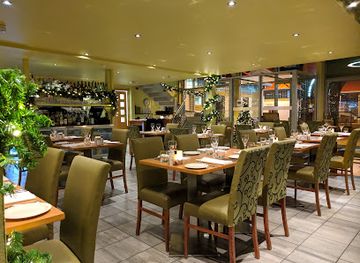
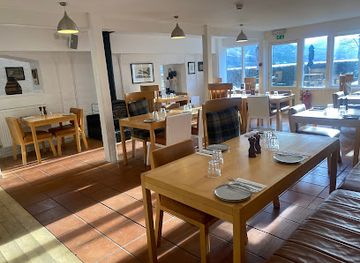
Experience authentic Scottish cuisine and warm hospitality in a charming converted church at The Slanj Restaurant, Tarbet’s beloved dining spot.
-
Seafood
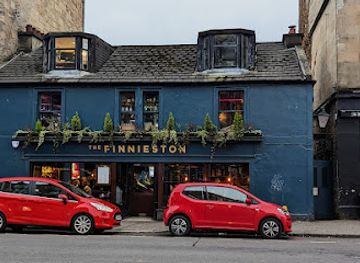
The Finnieston
Sustainable Scottish seafood and world-class gin cocktails in a moody Finnieston speakeasy with historic charm and buzzing energy.

Best bars in Argyllshire
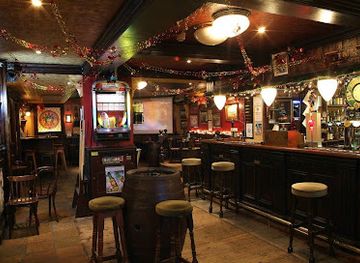
Evening life in Argyllshire is generally centred on traditional pubs, hotel bars, restaurants and occasional live-music sessions rather than a large nightclub circuit. Oban has the broadest choice of places to eat and drink, along with a working harbour atmosphere and venues that remain active after daytime ferries have departed. Inveraray, Campbeltown, Tobermory and the larger island settlements offer smaller-scale pub scenes, while Islay and Jura add whisky bars and distillery-linked tasting experiences. Rural evenings tend to be quiet, with conversation, local music and views over the lochs taking precedence over late opening hours. Some communities hold seasonal cultural events or ceilidhs, but arrangements vary and should be checked locally. Visitors should not assume that every island has a taxi late at night or that remote accommodation is within walking distance of a pub.
-
Pub
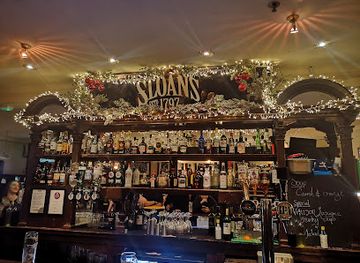
Sloans
Glasgow’s oldest bar and restaurant since 1797, famed for lively events, historic charm, and legendary Macaroni Cheese in a vibrant city-centre setting.
-
Pub
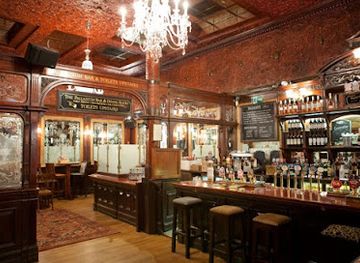
The Argyll Arms
Step into The Argyll Arms, a Victorian-era pub gem in Soho blending historic charm, real ales, and hearty British fare near Oxford Circus.
-
Pub
Markie Dans
Family-run pub in Oban offering vast single malts, hearty food, live music, and stunning bay views in a welcoming, lively atmosphere.
-
Pub
Duke of Argyll
Step into the Duke of Argyll for authentic Victorian pub charm, affordable ales, and a warm Soho atmosphere in central London.

Best nightclubs in Argyllshire
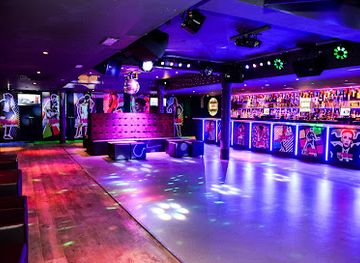
Evening life in Argyllshire is generally centred on traditional pubs, hotel bars, restaurants and occasional live-music sessions rather than a large nightclub circuit. Oban has the broadest choice of places to eat and drink, along with a working harbour atmosphere and venues that remain active after daytime ferries have departed. Inveraray, Campbeltown, Tobermory and the larger island settlements offer smaller-scale pub scenes, while Islay and Jura add whisky bars and distillery-linked tasting experiences. Rural evenings tend to be quiet, with conversation, local music and views over the lochs taking precedence over late opening hours. Some communities hold seasonal cultural events or ceilidhs, but arrangements vary and should be checked locally. Visitors should not assume that every island has a taxi late at night or that remote accommodation is within walking distance of a pub.
-
Nightclub
Cathouse Rock Club
Glasgow’s legendary rock club since 1990, where powerful riffs and alternative beats keep the city’s nightlife alive every week.
-
Nightclub
Club Tropicana & Venga
Glasgow’s ultimate retro nightclub, spinning the best 80s and 90s hits with vibrant themed nights and premium party packages.
-
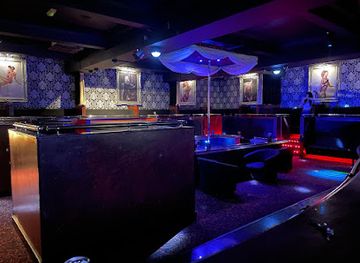
Nightclub
Platinum Lace Glasgow
Glasgow’s premier gentlemen’s club offering glamorous entertainment, stunning dancers, and a vibrant nightlife atmosphere in the city centre.
-
Nightclub
Popworld Glasgow
Glasgow’s vibrant retro nightclub serving up cheesy pop hits, lively parties, and unforgettable celebrations in the city centre.


Best shops in Argyllshire
Shopping in Argyllshire is concentrated in market towns, harbour settlements and island communities rather than large retail centres. Oban has the widest selection of everyday shops, galleries, outdoor suppliers, food retailers and craft businesses, while Inveraray, Tobermory and Campbeltown offer smaller high streets with local gifts, books, clothing and art. Island shopping is especially suited to regional products: whisky, smoked fish, preserves, oat-based baking, woollens, pottery, textiles and work by local artists are widely associated with the area, though stock varies by community. Farm shops and food producers are useful for picnic supplies and edible gifts, particularly around the mainland lochs and food-producing districts. Markets and seasonal craft events may provide additional options, but dates and locations change. Independent shops often keep shorter hours outside the main tourist season, so plan purchases rather than assuming every rural village will have late-opening services.
-
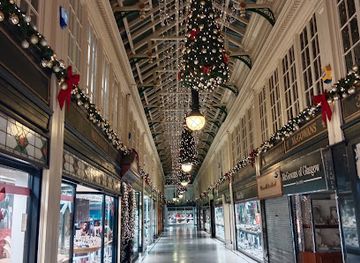
Shopping Centre
Argyll Arcade
Discover Scotland’s oldest Victorian shopping arcade, home to exquisite diamond jewellery and luxury watches in elegant historic surroundings.
-
Convenience Store
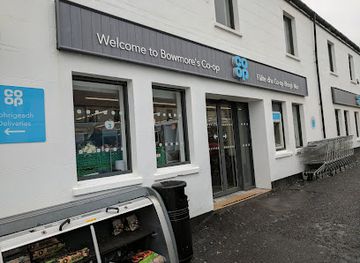
Co-op Food - Islay Bowmore - Main Street
Your friendly local Co-op in Bowmore, Isle of Islay, offering fresh groceries, bakery delights, and essentials daily from dawn till late evening.
-
Supermarket
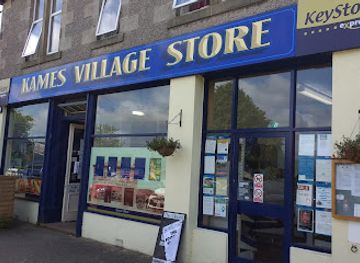
Kames Village Store
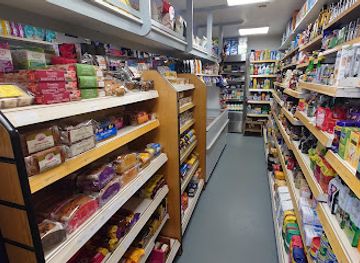
A friendly, well-stocked village store in scenic Kames, offering fresh produce and local specialties amid coastal charm.
-
General Store
Ardfern Village Store
Charming village store offering local Scottish produce, essentials, and warm hospitality in the heart of Ardfern near Lochgilphead.
Get your free copy of our complete guide to Argyllshire, delivered straight to you.
Everything on this page, from attractions and restaurants to essentials and local phrases, in one PDF you can read offline, print or share.
Already have an account? Sign in
Your Argyllshire guide is ready.
We'll send it to · Not you? Sign out

Getting your guide ready…
We are putting together a fresh copy of the Argyllshire guide. This can take up to a minute.
This can take a few moments. If your browser asks, choose Allow so the download can start. You'll find the guide in your Downloads folder.
Nothing happened? Download it again
Sorry, the guide is taking longer than usual. Please try again in a minute, or get it by email instead.
Argyllshire essentials
Currency and Payment
Safety
Emergency Situations
Do's and Don'ts
Local Tips
From Eve
Local phrases worth knowing
You don't need to get them perfect. A few words go a long way, and locals appreciate the effort.
Basics
| English | Local | Say it |
|---|---|---|
| Hello | Hullo | [hʌloʊ] |
| Goodbye | Cheerio | [ˈtʃɪr.i.oʊ] |
| Yes | Aye | [aɪ] |
| No | Nae | [neɪ] |
| Please/You're welcome | Please/You're welcome | [pliːz/ jʊər ˈwɛlkəm] |
| Thank you | Thank ye | [θæŋk ji] |
| Excuse me/Sorry | Excuse me/Sorry | [ɪkˈskjuz mi/ˈsɔri] |
| How are you? | How's it gaun? | [haʊz ɪt ɡɔn] |
| Fine. And you? | Aye, fine. And yersel'? | [aɪ, faɪn. ənd jərˈsɛl] |
| Do you speak English? | Dae ye speak English? | [deɪ jə spiːk ˈɪŋɡlɪʃ] |
| I don't understand | Ah dinnae ken | [ɑː dɪnə ˈkɛn] |
Eating & Drinking
| English | Local | Say it |
|---|---|---|
| I'd like to see the menu, please | Ah'd like tae see the menu, please | [ɑːd laɪk teɪ si ðə ˈmɛnjuː, pliːz] |
| I don't eat meat | Ah dinnae eat meat | [ɑː dɪnə iːt miːt] |
| Cheers! | Slàinte! | [slɑːn.tʃə] |
| I would like to pay, please | Ah'd like tae pay, please | [ɑːd laɪk teɪ peɪ, pliːz] |
Emergencies
| English | Local | Say it |
|---|---|---|
| Help! | Help! | [hɛlp] |
| Go away! | Gae awa! | [ɡeɪ əˈwɑː] |
| Call the Police! | Phone the polis! | [foʊn ðə ˈpoʊlɪs] |
| Call a doctor! | Phone a doctor! | [foʊn ə ˈdɒktər] |
| I'm lost | Ah'm lost | [ɑːm lɒst] |
| I'm ill | Ah'm unwell | [ɑːm ʌnˈwɛl] |
Shopping
| English | Local | Say it |
|---|---|---|
| I'd like to buy... | Ah'd like tae buy... | [ɑːd laɪk teɪ baɪ] |
| I'm just looking | Ah'm just lookin' | [ɑːm dʒʌst ˈlʊkɪn] |
| How much is it? | How muck's it? | [haʊ mʌks ɪt] |
| That's too expensive | That's ower dear | [ðæts ˈoʊər dɪr] |
| Can you lower the price? | Can ye lower the price? | [kæn jə ˈloʊər ðə praɪs] |
Time & Numbers
| English | Local | Say it |
|---|---|---|
| What time is it? | Whit time is it? | [wɪt taɪm ɪz ɪt] |
| It's one o'clock | It's one o'clock | [ɪts wʌn əˈklɒk] |
| Half past (10) | Half past ten | [hɑːf pæst tɛn] |
| Morning | Mornin' | [ˈmɔːrnɪn] |
| Afternoon | Afternoon | [ˌɑːftərˈnuːn] |
| Evening | Evenin' | [ˈiːvənɪn] |
| Yesterday | Yesterday | [ˈjɛstərdeɪ] |
| Today | Taday | [təˈdeɪ] |
| Tomorrow | Morrow | [ˈmɒroʊ] |
| 1 | 1 | [wʌn] |
| 2 | 2 | [tuː] |
| 3 | 3 | [θriː] |
| 4 | 4 | [fɔːr] |
| 5 | 5 | [faɪv] |
| 6 | 6 | [sɪks] |
| 7 | 7 | [sɛvən] |
| 8 | 8 | [eɪt] |
| 9 | 9 | [naɪn] |
| 10 | 10 | [tɛn] |
Transport & Directions
| English | Local | Say it |
|---|---|---|
| Where's a/the...? | Whar's a/the...? | [wɛrz ə/ðə] |
| What's the address? | Whit’s the address? | [wɪts ðə əˈdrɛs] |
| Can you show me (on the map)? | Can ye show me (on the map)? | [kæn jə ʃoʊ mi (ɒn ðə mæp)] |
| When's the next (bus)? | Whan's the next (bus)? | [wɛnʌz ðə nɛkst (bʌs)] |
| A ticket (to ....) | A ticket (ta ....) | [ə ˈtɪkɪt (tə)] |
History of Argyllshire
Neolithic and Bronze Age Argyll
Kilmartin Glen contains an exceptional concentration of prehistoric monuments, including standing stones, stone circles, burial cairns and carved rocks dating from the Neolithic and Bronze Age. Their arrangement across the glen suggests a landscape used for ceremony, burial and movement over many centuries. Similar remains occur elsewhere in Argyll, including chambered cairns and ancient settlement traces on the islands. These monuments demonstrate that the region was not a remote fringe in prehistory but a maritime crossroads whose communities were connected by sea routes around the western Scottish coast.
Dál Riata and Dunadd
From the early medieval period, western Argyll formed the core of the Gaelic kingdom of Dál Riata, which had close connections across the sea with north-eastern Ireland. Dunadd, a hillfort near Kilmartin Glen, is widely regarded as an important royal centre of this kingdom. Excavations have revealed evidence of elite occupation, craft production and trading links. The site is especially significant because it connects Argyll's landscape with the formation of medieval Gaelic political culture, language and kingship in Scotland.
Iona and the Medieval Gaelic Church
St Columba's foundation on Iona, traditionally dated to AD 563, made the small island one of the principal centres of Christianity in the medieval Gaelic world. Its monastery influenced religious life and learning across Scotland and Ireland, while Iona became an important burial place for kings. Viking attacks disrupted the community, but the island retained profound religious significance. The surviving abbey buildings and sculptured crosses belong to several periods, revealing the long continuity of Iona's spiritual and cultural importance.
Lords of the Isles and Maritime Power
During the later medieval period, the western seaways were shaped by the Lords of the Isles, whose territories stretched across much of the Hebrides and parts of the mainland. Their power depended on ships, island strongholds and alliances rather than on control of a continuous inland territory. Castles and religious sites around Argyll reflect this maritime political world. The eventual absorption of the Lordship into the Scottish crown altered the balance of power, but sea-based connections continued to define the region.
The Campbells and Inveraray
The Campbell family became the dominant political force in Argyll from the late medieval period, eventually holding the title of Dukes of Argyll. Their influence is visible at Inveraray, where a planned town and the later Inveraray Castle expressed aristocratic authority in an ordered Georgian setting. Campbell power was closely tied to the crown and was contested during the political and religious conflicts of the seventeenth century. Estate management, improvement schemes and changing agricultural practices later reshaped parts of the region.
The Clearances and Changing Highland Society
Argyll, like other parts of the Highlands and Islands, experienced major social and economic change during the eighteenth and nineteenth centuries. Estate reorganisation, commercial agriculture and pressure on traditional communities contributed to emigration and the displacement of some tenants. The effects varied between districts, but the decline of older settlement patterns remains visible in abandoned townships and field systems. Gaelic culture persisted despite these pressures, particularly in island and coastal communities, although language use declined over the long term.
Maritime Trade, Industry and Whisky
Argyll's economy was long sustained by fishing, coastal trade, shipbuilding, forestry, agriculture and, on Islay, Jura and Campbeltown, whisky production. Steam navigation and improved roads made Oban an important west-coast port and tourist gateway during the nineteenth century. Campbeltown became a celebrated whisky centre before severe contraction in the twentieth century, while Islay's distilleries maintained a distinctive island identity. Today, tourism, food production, renewable energy and marine industries complement older rural and maritime economies.
Argyllshire in Photos
Browse through our photo collection highlighting the charm and character of the destination.
Neighbouring regions of Argyllshire
The closest regions to Argyllshire, if you have time for more than one.
-

-

-

-

-


Swipe for more regions
Explore more

Explore more of United Kingdom
Discover the United Kingdom: A blend of rich history, stunning landscapes, and vibrant cities, offering a unique travel experience for every visitor.
Explore United Kingdom