Ailsa Craig Lighthouse, Ayrshire Travel Guide
Historic 19th-century lighthouse on a volcanic island sanctuary, blending maritime heritage with vibrant seabird colonies off Scotland’s Ayrshire coast.
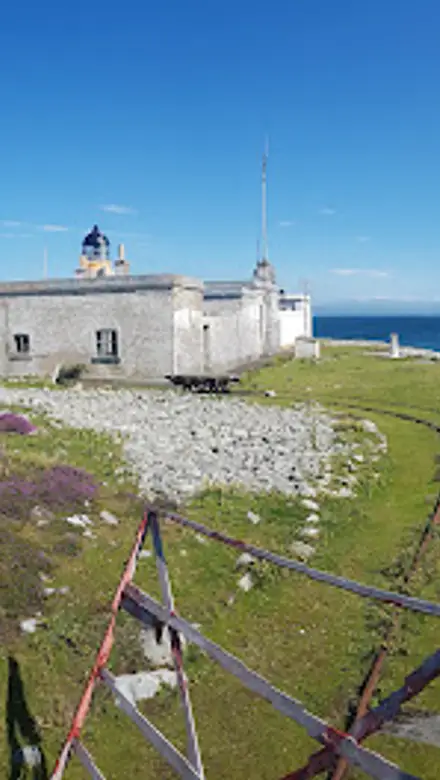
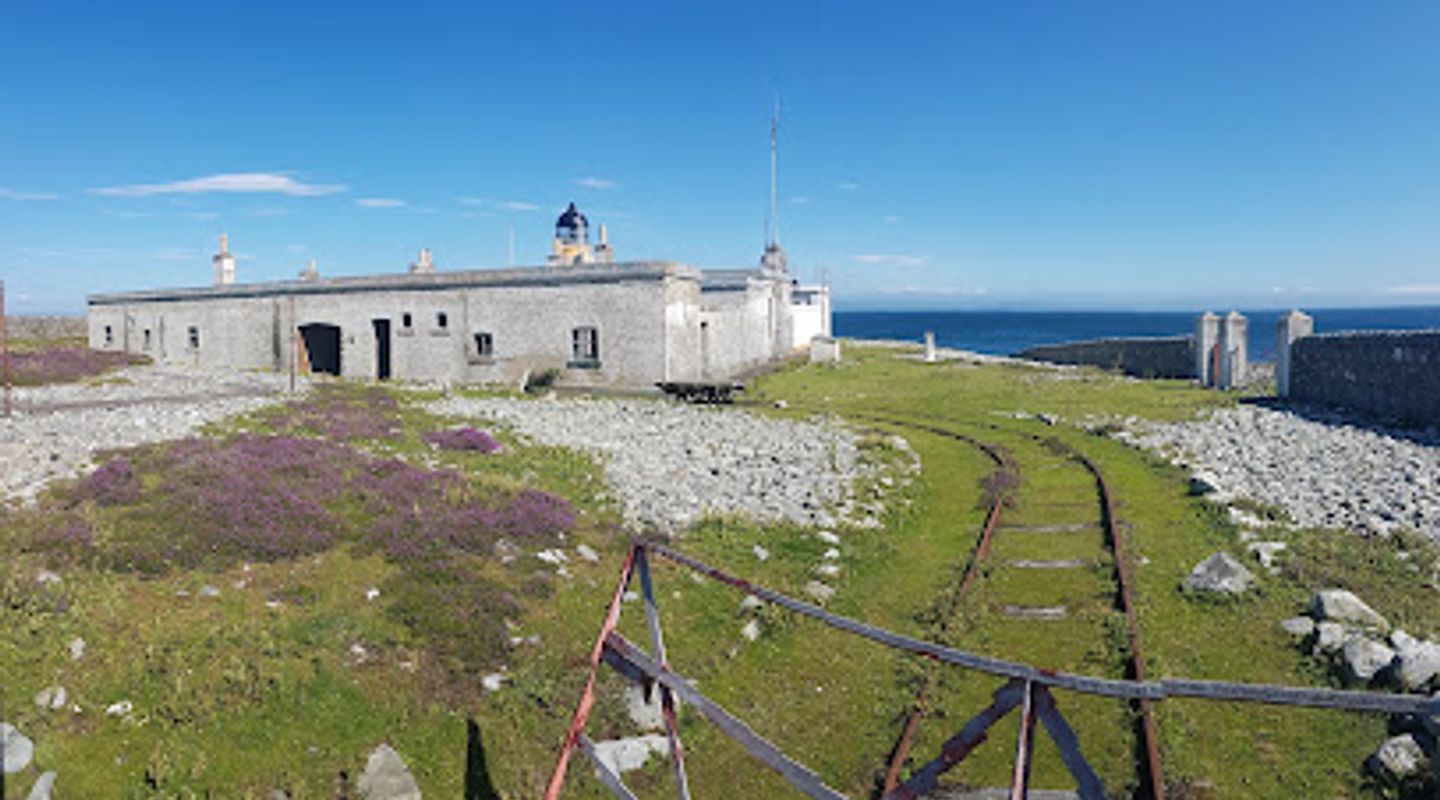
Perched on the volcanic island of Ailsa Craig in the Firth of Clyde near Girvan, Scotland, the Ailsa Craig Lighthouse is a historic 19th-century maritime beacon established in 1886. Once manned by keepers, it was automated in 1990 and now runs on solar power. The island itself is a protected bird sanctuary, known for its dramatic cliffs and seabird colonies, offering a unique blend of maritime history and natural beauty.
A brief summary to Ailsa Craig Lighthouse
- Girvan, GB
- Click to display
- Duration: 2 to 5 hours
- Mid ranged
-
 Outdoor
- Mobile reception: 2 out of 5

Know before you go
Hi, I'm Eve. Here are a few practical things to know before exploring Ailsa Craig Lighthouse.
- Plan boat trips around high tide for safer mooring and better access to the island.
- Wear sturdy footwear and be prepared for steep, uneven terrain if exploring parts of the island.
- Bring binoculars to fully appreciate the abundant seabird colonies and marine wildlife.
- Note that visitor facilities on the island are minimal; pack water and snacks accordingly.
Do you manage this location?
Take control to get all the benefits, like improved information, better appearance, and stronger visibility across AI-powered discovery. Learn more about listing your business on Evendo
Activate your presenceOther nearby places you may find interesting
The closest places of the same kind, if this one is not quite what you had in mind.
Explore Ailsa Craig Lighthouse on the Map
A handpicked selection of must-see spots near Ailsa Craig Lighthouse, mapped for you.
Getting There
-
Ferry Boat
Regular boat tours depart from Girvan harbour, taking approximately 45 to 60 minutes each way. Service frequency varies seasonally, with bookings recommended in advance. Boats moor at Ailsa Craig only during high tide. Prices range from £30 to £50 GBP per adult round-trip.
-
Private Boat Charter
Private charters can be arranged from Girvan or nearby ports, offering flexible schedules and direct access to the island. Travel time is about 40 to 60 minutes depending on sea conditions. Costs vary widely, typically starting around £150 GBP for a half-day charter.
-
Walking and Hiking
Once on the island, walking is the only way to explore. Terrain is steep and rugged, requiring good fitness and appropriate footwear. No facilities or marked trails exist beyond the lighthouse area, so prepare accordingly.
For the on-the-go comforts that matter to you
-
 Information Boards
Discover more about Ailsa Craig Lighthouse
Origins and Engineering of a Maritime Sentinel
The Ailsa Craig Lighthouse was completed in 1886 under the supervision of Thomas and David Alan Stevenson, renowned engineers of the Northern Lighthouse Board. Constructed to warn ships navigating the treacherous waters of the Firth of Clyde, the lighthouse initially used oil-burning lamps before upgrading to incandescent gas lighting in 1911. It features a classic cylindrical tower design, standing prominently on the island’s rugged terrain, and was equipped with fog signals until their discontinuation in 1987. Automation came in 1990, followed by a solar power conversion in 2001, reflecting advances in lighthouse technology.Ailsa Craig Island: Geological and Ecological Significance
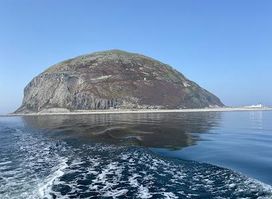
Ailsa Craig is a striking volcanic plug rising steeply from the sea, located about 10 miles offshore from Girvan. The island’s sheer cliffs provide vital nesting grounds for a variety of seabirds, making it a protected bird sanctuary today. Historically known as "Paddy's Mile Stone," it marks a halfway point between Glasgow and Belfast. Its unique geology also made it a source of prized granite used in curling stones. The island remains uninhabited except for occasional visitors and wildlife.Historic Communication and Life on the Island
Before modern communication, lighthouse keepers and quarry workers relied on carrier pigeons to send messages to the mainland. A system of fire signals was also used in emergencies. The island once supported a small community related to granite quarrying, with derelict cottages still visible near the lighthouse. The rugged environment and isolation shaped a unique way of life for those stationed there, now preserved as part of the island’s historical narrative.Visitor Experience and Natural Wonders
Visitors who reach Ailsa Craig can explore the lighthouse vicinity and remnants of quarry buildings. The island offers spectacular views of the Firth of Clyde and is a hotspot for birdwatching, with puffins, gannets, and other seabirds abundant. The terrain is steep and challenging, with limited paths allowing exploration of only parts of the island. Boat trips around the island reveal dramatic cliffs and marine wildlife such as seals and dolphins, making it a rewarding destination for nature enthusiasts.Conservation and Modern Status
Today, Ailsa Craig Lighthouse remains operational as an automated beacon, while the island is managed as a protected bird sanctuary. The lighthouse keepers’ cottages have fallen into disrepair and were auctioned in recent years. Conservation efforts focus on preserving the island’s ecological integrity and its role as a vital habitat for seabirds. The site embodies a harmonious blend of maritime heritage and natural preservation.Legacy and Cultural Importance
Ailsa Craig Lighthouse stands as a symbol of Scotland’s rich maritime history and engineering prowess. The island’s unique geological formation and ecological significance add layers of cultural and environmental value. It continues to inspire visitors with its dramatic scenery, wildlife, and historical resonance, serving as a poignant reminder of the relationship between human endeavor and the natural world.












Your all‑in‑one travel companion app
Explore expert travel guides, compare and book tours, experiences, hotels, and more—all from the palm of your hand. Download now for seamless trip planning wherever your wanderlust takes you.


Explore More of Ayrshire
Looking beyond Ailsa Craig Lighthouse? Discover Ayrshire for broader travel guides, local hot-spots, and regional highlights.
Explore Ayrshire