

Free Ayrshire Travel Guide & Mobile App
Explore Ayrshire with free travel guides. Discover regional history, expert tips, proposed trips, and audio guides on web or mobile app.


Ayrshire pairs Burns heritage, sandy coasts, island horizons, historic castles, golf and rural landscapes in south-west Scotland.
Read more about Ayrshire
When is the best time to visit Ayrshire?
Best: June–August · 17–19°C| Month | High (°C) | Rainfall (mm) |
|---|---|---|
| January | 5 | 100 |
| February | 6 | 80 |
| March | 8 | 80 |
| April | 11 | 60 |
| May | 14 | 60 |
| June (best) | 17 | 60 |
| July (best) | 19 | 70 |
| August (best) | 19 | 80 |
| September | 17 | 70 |
| October | 13 | 100 |
| November | 9 | 90 |
| December | 6 | 100 |
Getting to and around Ayrshire
How to get there
Transportation
Top city travel guides in Ayrshire
The cities of Ayrshire, and the easiest places to base yourself.

Swipe for more cities
Destinations in Ayrshire
Resorts, valleys and scenic spots worth a trip of their own.

Swipe for more destinations
Best attractions in Ayrshire
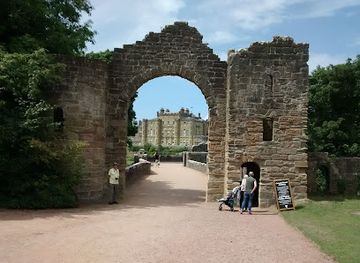
Ayrshire's attractions range from literary museums and medieval ruins to coastal scenery and country estates. Alloway is the region's most concentrated cultural centre, bringing together the Burns Birthplace Museum, Burns Cottage, Auld Alloway Kirk and Brig o'Doon. Culzean Castle combines eighteenth-century architecture, landscaped grounds, woodland and clifftop views, while Dumfries House near Cumnock offers an important historic interior, gardens and estate landscape. Dundonald Castle and Dean Castle provide different perspectives on medieval lordship and later preservation. On the coast, beaches, promenades, harbours and golf courses shape the visitor experience around Ayr, Troon, Prestwick, Irvine and Girvan. The Scottish Maritime Museum in Irvine explores shipbuilding and seafaring, and island excursions open up walking, cycling, wildlife and village exploration on Arran and Cumbrae. Inland Ayrshire is better suited to scenic drives, walking, industrial-history visits and quieter town discoveries than to a tightly packed sightseeing schedule. Seasonal events, galleries, farm shops and local museums add depth, but opening arrangements vary, particularly outside the principal towns.
-
Castle
Culzean Castle
Discover Culzean Castle’s dramatic cliff-top grandeur, rich history, and sprawling parkland with gardens, beaches, and family-friendly adventures.
-
Animal park
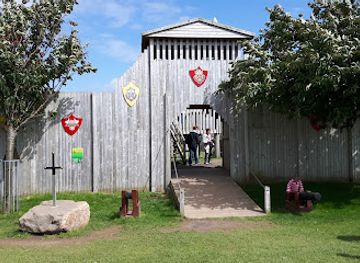
Heads Of Ayr Farm Park
A vibrant family farm park in Ayrshire offering animal encounters, adventure play, and seasonal events for all ages.
-
Park and Garden
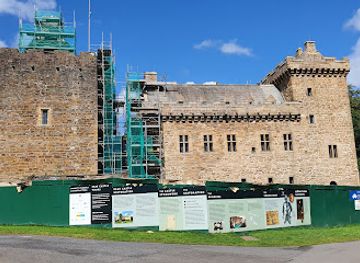
Dean Castle Country Park
Explore 200 acres of history, nature, and family fun at Dean Castle Country Park, Kilmarnock’s scenic green heart.
-
Shopping Centre
Rivergate
Ayrshire’s largest indoor shopping centre offering over 60 stores, cozy cafes, and free parking in the heart of Irvine.

Best landmarks in Ayrshire
Culzean Castle is Ayrshire's most recognisable architectural landmark, occupying a dramatic South Ayrshire headland above the Firth of Clyde and surrounded by formal gardens, woodland and coastal scenery. In Alloway, Brig o'Doon is a graceful eighteenth-century bridge closely associated with Robert Burns, while Auld Alloway Kirk and Burns Cottage anchor the poet's local landscape. Dundonald Castle, perched above the Irvine valley, is a substantial medieval stronghold with broad views across the surrounding countryside. Dean Castle in Kilmarnock represents the long influence of the Boyd family and remains a prominent feature of the town. Turnberry Castle survives as a historic ruin on the coast, its setting linked to the Bruce tradition and the wider medieval history of south-west Scotland. Ayr's historic bridges, seafront and townscape, Irvine's harbour area and the long beaches of the coast are less monumental but important visual markers of Ayrshire's maritime and urban identity.
-
Historical landmark
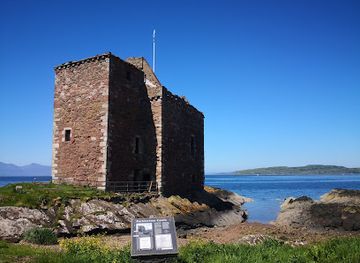
Portencross Castle
Medieval fortress where Scottish kings departed for Iona, restored by community passion.
-
Castle
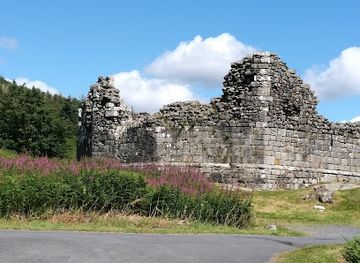
Loch Doon Castle
A 13th-century island castle, dismantled and rebuilt on the shore of Loch Doon, with Bruce connections and stunning lochside views in Galloway Forest Park.
-
Tourist attraction
Electric Brae
Where gravity plays tricks on the eye—a quarter-mile of pure optical illusion on Scotland's scenic coast.
-
Historical place
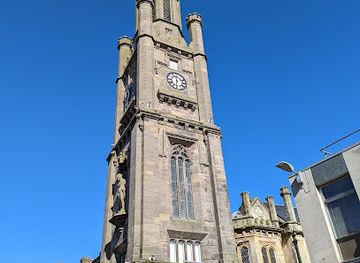
The Wallace Tower
A towering Neo-Gothic landmark in Ayr, blending rich history, local legend, and striking architecture on the town’s bustling High Street.

Explore Ayrshire on the map
Plan your trip on one map. See where the top cities, national parks and sights are, and book hotels and experiences in a few clicks.
Best hotels in Ayrshire
Best restaurants in Ayrshire
Ayrshire dining draws on farmland, coastline and a strong tradition of informal hospitality. Menus commonly feature local beef and lamb, dairy products, seasonal vegetables, seafood and baking, while farm shops and cafés are useful places to sample regional produce without committing to a formal meal. Ayr, Troon, Prestwick, Irvine and Kilmarnock offer the broadest choice, from cafés and contemporary restaurants to traditional pubs and hotel dining rooms. Coastal communities add fish and shellfish, although availability changes with landings and season. Inland villages and estate areas tend to favour country inns, tearooms and farm-based venues, often with limited evening hours. Markets and food-focused shops can provide cheese, preserves, oatcakes, confectionery and other practical souvenirs. Visitors should distinguish Ayrshire produce from dishes that are broadly Scottish, and should check booking arrangements for popular restaurants, especially at weekends and during summer events.
-
Restaurant
The Fox & Willow
A stylish gastropub and boutique hotel in Ayr offering unique dome dining, creative cocktails, and warm Scottish hospitality.
-
Cafe
The Coo Shed
Award-winning Ayrshire café serving farm-fresh food, homemade cakes, and afternoon teas in a charming countryside setting with an adjoining plant nursery.
-
Buffet
Mr Basrai's World Cuisine Ayr
A vibrant all-you-can-eat buffet in Ayr serving diverse global cuisines in a family-friendly, welcoming atmosphere.
-
Restaurant
The Tree House
A vibrant modern British restaurant and bar in Ayr’s heart, featuring fresh local dishes and a hidden urban garden terrace.


Best bars in Ayrshire
Evening life in Ayrshire is centred more on pubs, restaurants, live music and local social venues than on a large club scene. Ayr, Kilmarnock, Irvine, Troon and Prestwick have the widest choice of traditional pubs, contemporary bars and occasional late-night venues, with activity often concentrated around town centres rather than a single nationally known nightlife quarter. Historic inns and village pubs provide a quieter rural evening, while coastal towns can become busier during summer and holiday periods. Breweries and whisky-focused bars may feature Scottish drinks, but alcohol is not the only way to experience the region after dark: theatres, community performances, cinema and live music also contribute to the programme. Opening arrangements and venue status change, so visitors should check locally rather than rely on old listings. In smaller settlements, plan transport home in advance, as late public services are limited.
-
Bar
The Tree House
A bright, stylish bar and modern British restaurant in Ayr’s heart, featuring a hidden garden terrace and a rich vegan-friendly menu.
-
Pub
Smiths Bar
A lively Scottish pub and restaurant in Ayr offering home-cooked meals, premium drinks, live sports, and a spacious beer garden for all ages and dog lovers.
-
Bar
The Balgarth Pines Bar & Restaurant
A modern, family-friendly bar and restaurant in Ayr offering generous portions, great value, and a lively beer garden with a kids’ play area.
-
Pub
Harbour Lights
Historic harbourside pub in Irvine offering a lively atmosphere, scenic views, and a welcoming spot for drinks and socializing.


Best nightclubs in Ayrshire
Evening life in Ayrshire is centred more on pubs, restaurants, live music and local social venues than on a large club scene. Ayr, Kilmarnock, Irvine, Troon and Prestwick have the widest choice of traditional pubs, contemporary bars and occasional late-night venues, with activity often concentrated around town centres rather than a single nationally known nightlife quarter. Historic inns and village pubs provide a quieter rural evening, while coastal towns can become busier during summer and holiday periods. Breweries and whisky-focused bars may feature Scottish drinks, but alcohol is not the only way to experience the region after dark: theatres, community performances, cinema and live music also contribute to the programme. Opening arrangements and venue status change, so visitors should check locally rather than rely on old listings. In smaller settlements, plan transport home in advance, as late public services are limited.
-
Pub
Smugglers
Experience authentic Scottish pub life with lively entertainment, quality beers, and warm hospitality at Smugglers in Ayr.
-
Club
Ayr Ex-Services Club
A friendly and lively social club in Ayrshire offering great music, community spirit, and vibrant weekend nights.
-
Events Venue
Printhouse Ayr
Experience Ayrshire’s vibrant nightlife and live music scene at Printhouse Ayr, where music and atmosphere unite for unforgettable nights.
-
Nightclub
Pitchers Bar and Nightclub
A vibrant and inclusive nightclub in Irvine’s heart, offering lively music, dancing, and a welcoming atmosphere until the early hours.


Best shops in Ayrshire
Shopping in Ayrshire is shaped by market towns, coastal high streets, independent retailers and locally produced food rather than by a single dominant luxury district. Ayr and Kilmarnock provide the largest concentration of everyday shops, department-style retail and services, while Irvine, Troon, Prestwick and Girvan offer smaller town-centre browsing with cafés and independent businesses. Farm shops, estate shops and rural food outlets are useful for Ayrshire produce such as cheese, preserves, baking, confectionery and seasonal goods. Alloway and the main heritage attractions carry books, Burns-related items, crafts and Scottish gifts, while coastal towns may have galleries, antiques and maritime-themed products. Arran and Cumbrae, both within North Ayrshire, have their own island-made food, textiles, crafts and artwork, although ferry logistics and seasonal opening patterns affect shopping hours. Markets and independent premises vary by day, so check local arrangements before making a special journey.
-
Discount shop
The Original Factory Shop (Dalry)
Discover unbeatable discounts on fashion, homeware, and more at The Original Factory Shop Dalry, your go-to destination for quality bargains.
-
Gift shop
Om Store UK
Discover a serene metaphysical sanctuary in Ayr’s High Street, offering crystals, incense, and spiritual treasures for mindful living.
-
Ladies' Clothes Shop
Emporium Boutique
Affordable, stylish womenswear in a relaxed, independent boutique on Prestwick’s Main Street – perfect for everyday looks and special occasions.
-
Ladies' Clothes Shop
L Occasionwear Ayr
Elegant ladies’ formalwear boutique in Ayr offering personalized service and curated occasionwear collections in a bright, welcoming setting.


Get your free copy of our complete guide to Ayrshire, delivered straight to you.
Everything on this page, from attractions and restaurants to essentials and local phrases, in one PDF you can read offline, print or share.
Already have an account? Sign in
Your Ayrshire guide is ready.
We'll send it to · Not you? Sign out

Getting your guide ready…
We are putting together a fresh copy of the Ayrshire guide. This can take up to a minute.
This can take a few moments. If your browser asks, choose Allow so the download can start. You'll find the guide in your Downloads folder.
Nothing happened? Download it again
Sorry, the guide is taking longer than usual. Please try again in a minute, or get it by email instead.
Ayrshire essentials
Currency and Payment
Safety
Emergency Situations
Do's and Don'ts
Local Tips
From Eve
Local phrases worth knowing
You don't need to get them perfect. A few words go a long way, and locals appreciate the effort.
Basics
| English | Local | Say it |
|---|---|---|
| Hello | Hullo | [hʌloʊ] |
| Goodbye | Cheerio | [tʃɪərɪoʊ] |
| Yes | Aye | [aɪ] |
| No | Naw | [nɔː] |
| Please/You're welcome | Please/No bother | [pliz/noʊ ˈbɑːðər] |
| Thank you | Cheers | [tʃɪərz] |
| Excuse me/Sorry | Scuse me/Sorry | [skjuːz mi/ˈsɔːri] |
| How are you? | How's it gaun? | [haʊz ɪt ɡɔːn] |
| Fine. And you? | A'm fine. An ye? | [æm faɪn. ən ji] |
| Do you speak English? | Dae ye speak Inglis? | [deɪ ji spiːk ˈɪŋɡlɪʃ] |
| I don't understand | Ah dinnae understand | [ɑː dɪnə ˌʌndərˈstænd] |
Eating & Drinking
| English | Local | Say it |
|---|---|---|
| I'd like to see the menu, please | Ah'd like tae see the menu, please | [ɑːd laɪk teɪ siː ðə ˈmɛnjuː, pliz] |
| I don't eat meat | Ah dinnae eat meat | [ɑː dɪnə iːt miːt] |
| Cheers! | Cheers! | [tʃɪərz] |
| I would like to pay, please | Ah'd like tae pay, please | [ɑːd laɪk teɪ peɪ, pliz] |
Emergencies
| English | Local | Say it |
|---|---|---|
| Help! | Help! | [hɛlp] |
| Go away! | Gae awa! | [ɡeɪ əˈwɑː] |
| Call the Police! | Phone the polis! | [foʊn ðə ˈpoʊlɪs] |
| Call a doctor! | Phone a doctor! | [foʊn ə ˈdɑːktər] |
| I'm lost | A'm lost | [æm lɔːst] |
| I'm ill | A'm unwell | [æm ʌnˈwɛl] |
Shopping
| English | Local | Say it |
|---|---|---|
| I'd like to buy... | Ah'd like tae buy... | [ɑːd laɪk teɪ baɪ] |
| I'm just looking | A'm just lookin' | [æm dʒʌst ˈlʊkɪn] |
| How much is it? | How much's it? | [haʊ mʌtʃ ɪt] |
| That's too expensive | That's far too dear | [ðæts fɑː tuː dɪər] |
| Can you lower the price? | Can ye lower the price? | [kæn ji ˈloʊər ðə praɪs] |
Time & Numbers
| English | Local | Say it |
|---|---|---|
| What time is it? | Whit time is it? | [wɪt taɪm ɪz ɪt] |
| It's one o'clock | It's one o'clock | [ɪts wʌn əˈklɑːk] |
| Half past (10) | Half past (10) | [hɑːf pæst (10)] |
| Morning | Mornin' | [ˈmɔːrnɪn] |
| Afternoon | Aft'noon | [æftəˈnuːn] |
| Evening | Evenin' | [ˈiːvnɪn] |
| Yesterday | Yest'ree | [ˈjɛstəri] |
| Today | T'day | [təˈdeɪ] |
| Tomorrow | Morrow | [ˈmɒroʊ] |
| 1 | 1 | [wʌn] |
| 2 | 2 | [tuː] |
| 3 | 3 | [θriː] |
| 4 | 4 | [fɔːr] |
| 5 | 5 | [faɪv] |
| 6 | 6 | [sɪks] |
| 7 | 7 | [sɛvən] |
| 8 | 8 | [eɪt] |
| 9 | 9 | [naɪn] |
| 10 | 10 | [tɛn] |
Transport & Directions
| English | Local | Say it |
|---|---|---|
| Where's a/the...? | Whar's a/the...? | [wɛrz ə/ðə] |
| What's the address? | Whit’s the address? | [wɪt ðə əˈdrɛs] |
| Can you show me (on the map)? | Can ye show me (on the map)? | [kæn ji ʃoʊ mi (ɒn ðə mæp)] |
| When's the next (bus)? | When's the next (bus)? | [wɛnʔs ðə nɛkst (bʌs)] |
| A ticket (to ....) | A ticket (ta....) | [ə ˈtɪkɪt (tuː....)] |
History of Ayrshire
Prehistoric Settlement and Early Kingdoms
Ayrshire's archaeological record includes prehistoric burial and settlement evidence, standing stones and remains associated with early farming communities. Its position beside the Firth of Clyde connected the coast with maritime routes, while inland valleys provided fertile ground for agriculture. During the early medieval period the area lay within the changing political landscape of western Scotland, influenced by Gaelic-speaking communities, Northumbrian power and later the kingdom that developed into medieval Scotland. The surviving evidence is often fragmentary, but it establishes a long pattern of settlement shaped by coast, river and farmland.
Medieval Castles and Lordship
From the twelfth century onwards, Ayrshire became a landscape of castles, religious foundations and powerful territorial families. Dundonald Castle, Turnberry Castle and the strongholds connected with the Boyd and Campbell families reflect a period when control of land and communications was contested. Ayr developed as an important royal burgh and port, while churches and monastic establishments linked the region to wider Scottish religious networks. Much of the medieval architecture was altered or lost, yet castle remains and historic town patterns continue to show how power was organised.
The Wars of Independence
Ayrshire was closely involved in the political and military struggles of the late thirteenth and early fourteenth centuries. Turnberry Castle is associated with the Bruce family, and Robert the Bruce's rise to the Scottish throne gave the south-west a prominent place in national history. Control of castles, ports and routes through the region mattered during the Wars of Independence, when loyalties were divided and fortifications changed hands. Later traditions sometimes blend documented events with local legend, so visitors should treat romantic stories around particular ruins with appropriate caution.
Reformation and Covenanting Ayrshire
The sixteenth-century Scottish Reformation altered religious life across Ayrshire, changing the use of churches, chapels and church lands. In the seventeenth century the region became strongly associated with Covenanting resistance to royal religious policy. Communities around Ayrshire experienced sermons, armed encounters, repression and divided loyalties during the turbulent Covenanting period. Churches, graveyards and monuments preserve aspects of this history, while the landscape of moorland and valleys helps explain how religious gatherings and fugitives could move beyond the main settlements.
Agricultural Improvement and Country Estates
During the eighteenth century, landowners and farmers introduced drainage, enclosure, improved planting, new farm buildings and more systematic agricultural practices. Country estates such as Culzean and Dumfries House were reshaped through architecture, landscaping and estate management, while market towns grew as centres for trade. These changes brought greater productivity but also altered older patterns of land use and rural life. The planned landscapes, formal avenues, walled gardens and estate villages visible today are part of this period's wider transformation of Ayrshire.
Robert Burns and the Literary Landscape
Robert Burns was born at Alloway in 1759 and spent formative years in Ayrshire before becoming Scotland's best-known poet. His writing drew on the speech, songs, farming life, social tensions and landscapes of the south-west, giving local places an international literary resonance. Burns Cottage, the Burns Birthplace Museum, Auld Alloway Kirk and Brig o'Doon form the central visitor landscape, while annual Burns suppers and performances extend his legacy well beyond the region. His work remains a cultural influence rather than merely a historical commemoration.
Industrialisation, Coal and Maritime Trade
From the eighteenth century into the nineteenth and twentieth centuries, Ayrshire's economy diversified through coal mining, ironworking, engineering, textiles, railways, ports and shipbuilding. Kilmarnock became associated with industrial production and the manufacture of locomotives and other engineering goods, while Irvine and coastal settlements developed maritime industries. Rail connections strengthened links with Glasgow and other Scottish markets, accelerating urban growth. Mining villages, former industrial sites, harbour structures and changing townscapes still reveal the economic importance of coal, manufacturing and the sea.
Ayrshire in Photos
Browse through our photo collection highlighting the charm and character of the destination.
Neighbouring regions of Ayrshire
The closest regions to Ayrshire, if you have time for more than one.
-

-

-

-

-


Swipe for more regions
Explore more

Explore more of United Kingdom
Discover the United Kingdom: A blend of rich history, stunning landscapes, and vibrant cities, offering a unique travel experience for every visitor.
Explore United Kingdom