Background

Chepstow Castle: A Timeless Norman Fortress Overlooking the River Wye

Explore Britain’s oldest stone castle with its stunning river views and medieval treasures in the heart of Chepstow.

★★★★★4.6 (3829)

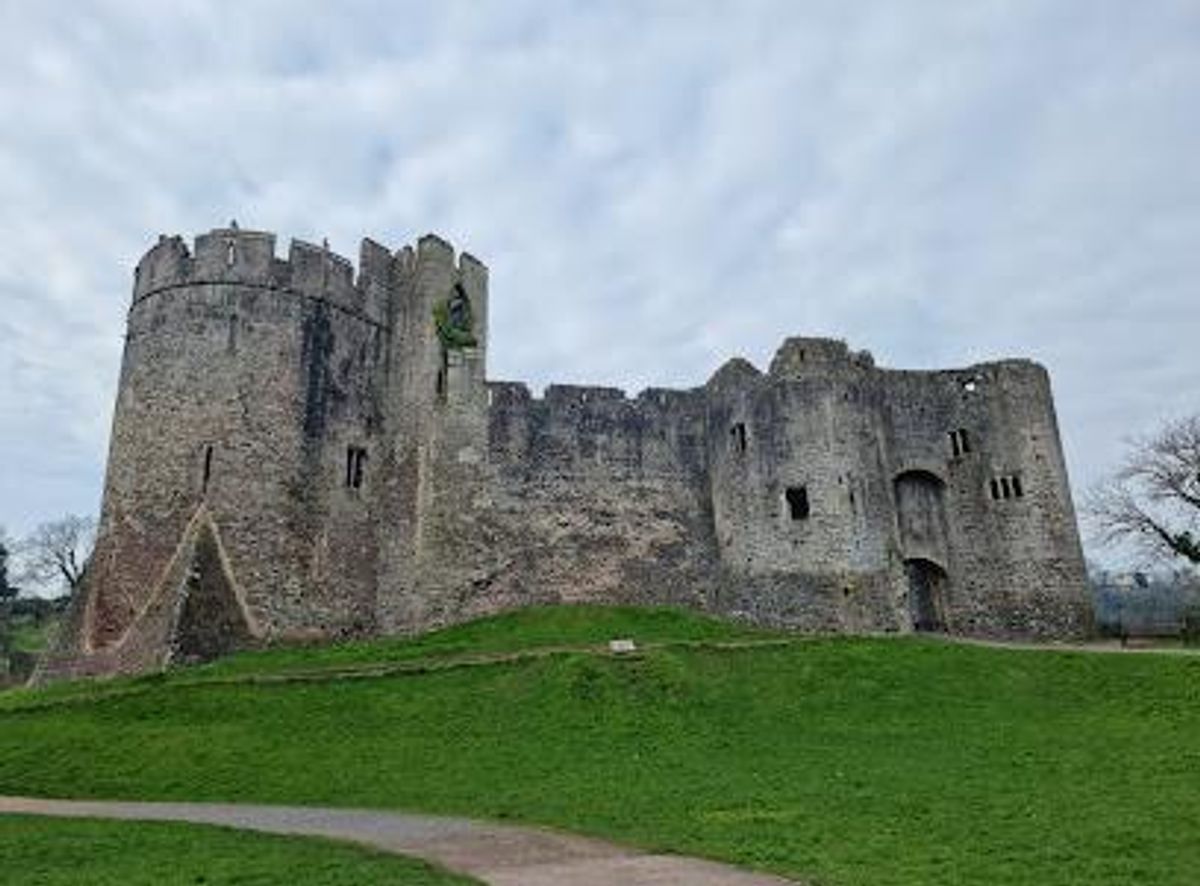
Chepstow Castle, perched on a limestone cliff above the River Wye in South Wales, is the oldest post-Roman stone castle in Britain. Spanning nearly 900 years of history, it showcases the evolution of medieval military architecture and houses the oldest surviving castle doors in Europe. Managed by Cadw, the castle offers visitors scenic views, rich historical insights, and a glimpse into the lives of medieval and Tudor nobility.

Plan your visit

A brief summary to Chepstow Castle

Opening times, essentials, and a few local tips gathered into one calmer, easier-to-scan planning section.

Plan your visit

📍
Bridge St, Chepstow, NP16 5EY, GB
🕒
Duration: 1 to 3 hours
💷
Mid ranged
🏛
Outdoor
📶
Mobile reception: 4 out of 5
Monday
10 am-4 pm
Tuesday
10 am-4 pm
Wednesday
10 am-4 pm
Thursday
10 am-4 pm
Friday
10 am-4 pm
Saturday
10 am-4 pm
Sunday
10 am-4 pm

Explore places near Chepstow Castle

    See all →

    Unlock the Best of Chepstow Castle

    Find tickets, tours with entry, and experiences available for this location.

    Buy tickets

    No tickets available

    Book tours with entry

    No tours with entry available

    Book tours without entry

    No tours without entry available

    Getting There

    Train and Bus

    Take a train to Chepstow Station from Cardiff Central (approx. 40-50 minutes). From the station, a local bus or a 20-minute walk along a gentle path leads to the castle. Train tickets cost around £10-£15 return.

    Car

    Drive via the M48 motorway, exiting near Chepstow. Parking is available at the Castle Dell Car Park adjacent to the castle, with accessible spaces. Parking fees range from £1.80 to £5.60 depending on duration.

    Local Bus

    Use local bus services from Chepstow town centre to the castle area. Buses run regularly but check schedules in advance. The walk from town centre bus stops to the castle is approximately 10-15 minutes on paved paths.

    For the on-the-go comforts that matter to you

    Restrooms
    Drink Options
    Food Options
    Seating Areas
    Trash Bins
    Information Boards
    Visitor Center

    Local tips

    Wear sturdy footwear as some areas have uneven surfaces and steep steps.
    Visit during weekdays or mornings to avoid crowds and enjoy a peaceful experience.
    Consider renting an audio guide to enrich your understanding of the castle’s history.
    Bring a camera for spectacular panoramic views of the River Wye from the ramparts.
    Check Cadw’s website for special events like reenactments and falconry displays during your visit.

    Chepstow Castle location weather suitability

    Catch the right light and the right mood, whether you want a bright city moment or a more cinematic evening visit.

    Weather icon
    Any Weather
    Weather icon
    Rain / Wet Weather
    Weather icon
    Clear Skies
    Weather icon
    Mild Temperatures

    Discover more about Chepstow Castle

    Historic Origins and Architectural Evolution

    Chepstow Castle was founded in 1067 by William FitzOsbern, a close ally of William the Conqueror, making it one of the earliest Norman stone fortresses in Britain. Over the centuries, the castle expanded and adapted to changing military technologies and the ambitions of its powerful owners. Its layout stretches dramatically along a limestone cliff, providing natural defense and commanding views of the River Wye below. The castle’s architecture offers a unique timeline of medieval defensive design, from its imposing gatehouse to its fortified towers and curtain walls.

    Remarkable Features and Preservation

    Among Chepstow Castle’s most notable features are its original wooden doors dating from the 1190s, recognized as the oldest surviving castle doors in Europe. The castle also includes the Great Hall, medieval domestic ranges such as the kitchen and service areas, and several towers like Martin’s Tower, once royal guest accommodation. Despite partial ruin, many sections remain well-preserved, allowing visitors to explore both the defensive and residential aspects of the fortress. The site’s careful conservation enables a vivid interpretation of its historical significance.

    Engaging Visitor Experience

    Visitors can explore extensive grounds with informative display boards that narrate the castle’s rich history, from Norman conquests to Tudor grandeur and its role in the English Civil War. The castle’s elevated position offers breathtaking panoramic views of the Wye Valley, ideal for photography and quiet reflection. Guided tours and special events, including historical reenactments and falconry displays, enrich the visit. An audio guide is available to deepen understanding, and the site is wheelchair accessible with some limitations due to uneven terrain and stairs.

    Access and Facilities

    Chepstow Castle is open daily year-round except on Christmas and New Year holidays, with seasonal variations in opening hours. The castle provides visitor amenities such as a car park with accessible spaces, a gift shop, restrooms, and seating areas. While the main entrance and lower bailey are accessible, upper levels involve steps and uneven surfaces. Cadw offers detailed accessibility guidance to help visitors plan their visit. Admission fees apply, with discounts for seniors, students, children, and families, and free entry for Cadw members.

    Setting and Surroundings

    The castle’s dramatic cliff-top location not only served strategic defense but now offers visitors stunning views over the River Wye and surrounding countryside. Nearby attractions include Chepstow Museum and the historic Old Wye Bridge, making the area a rich cultural and historical destination. The riverside setting enhances the atmospheric experience, particularly during golden hour light at dawn or dusk.

    Legacy and Cultural Significance

    Chepstow Castle stands as a testament to nearly a millennium of British history, reflecting the power struggles, architectural innovation, and domestic life of medieval and Tudor elites. Its preservation by Cadw ensures that this iconic landmark continues to educate and inspire visitors, offering a tangible connection to the past and the evolving story of Wales and the Welsh Marches.

    Plan around the quieter times

    A quick look at seasonal patterns and peak visiting hours.

    Busiest months of the year

    Seasonality

    Busiest hours of the day

    Footfall
    Mobile App
    Get the app

    Your all‑in‑one travel companion app

    Explore expert travel guides, compare and book tours, experiences, hotels, and more—all from the palm of your hand. Download now for seamless trip planning wherever your wanderlust takes you.

    File:Roman Baths in Bath Spa, England - July 2006.jpg - Wikipedia

    More about Bath

    Discover Bath: A harmonious blend of Roman history, Georgian elegance, and natural beauty in the heart of England's countryside.

    Tell me more about Bath


    Select Currency

    Choose the currency you want prices to display in.