Grand Opera House, Belfast Travel Guide
Free Guide: Belfast’s magnificent Victorian theatre with an exquisite oriental-style auditorium, hosting world-class performances since 1895.


A brief summary of Grand Opera House
Belfast’s magnificent Victorian theatre with an exquisite oriental-style auditorium, hosting world-class performances since 1895.
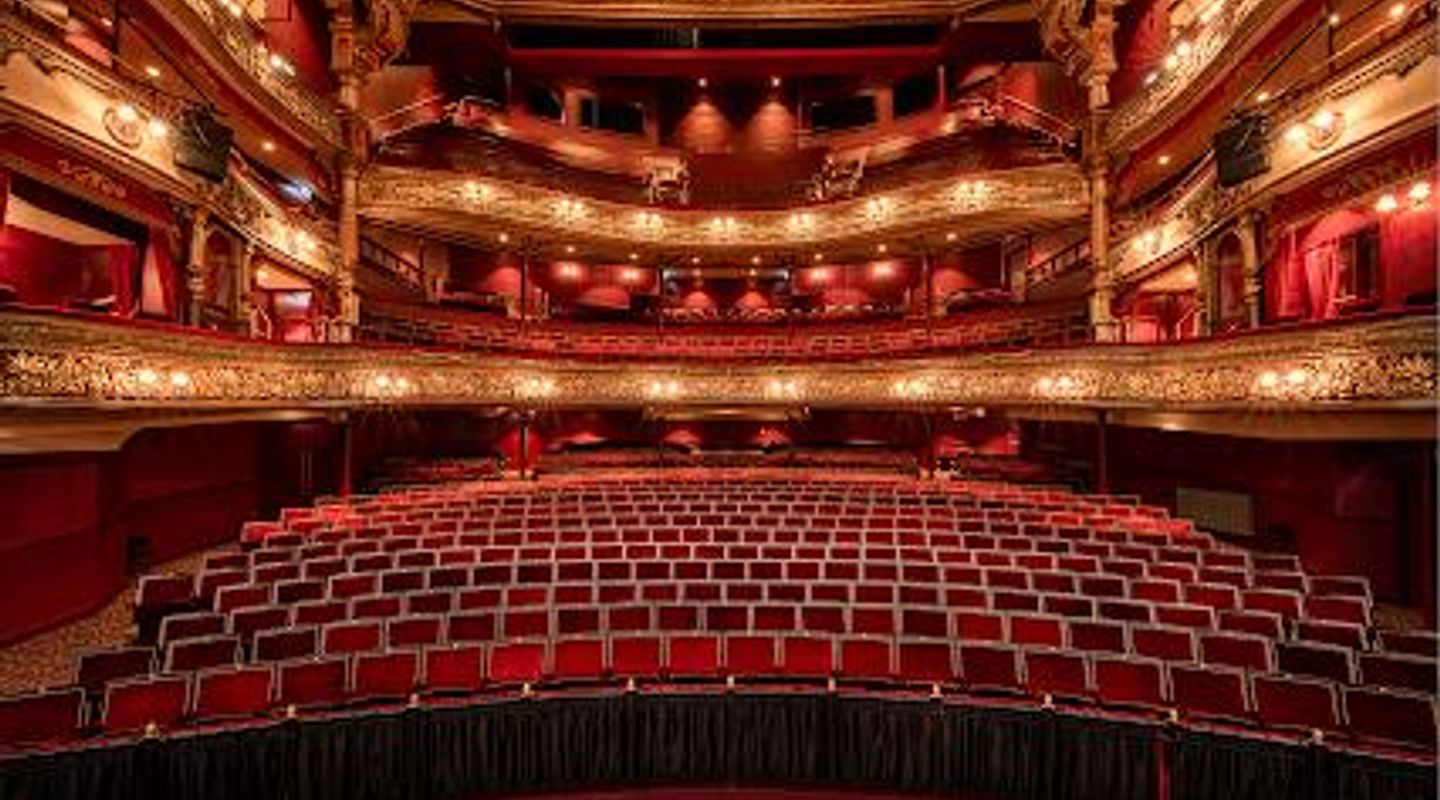
The Grand Opera House in Belfast, Northern Ireland, is a stunning Victorian theatre designed by Frank Matcham and opened in 1895. Renowned for its exquisite oriental-style auditorium, it has hosted legendary performers including Charlie Chaplin and Luciano Pavarotti. Recently restored with modern facilities while preserving its historic charm, it offers a rich program of drama, dance, opera, and family shows in the heart of Belfast.
On-site amenities
 Restrooms
 Drink options
 Food options
 Seating areas
 Information boards
 Visitor centre
- Address
- 2-4 Great Victoria St, Belfast BT2 7HR
- Phone
- Website
Getting there
Public Transport
Taxi
Walking
Discover more about Grand Opera House
Architectural Brilliance and Historical Origins
The Grand Opera House was designed by Frank Matcham, one of the most prolific theatre architects of the Victorian era, and opened its doors on 23 December 1895. Built on the site of former circus buildings, it was originally known as the New Grand Opera House and Cirque. The building’s distinctive brick and cast stone façade is complemented by onion-domed minarets, the only surviving oriental motifs on the exterior of Matcham’s theatres. Inside, the auditorium is a masterpiece of oriental-style decoration, featuring intricate plasterwork, sinuous balconies, and richly framed painted ceiling panels that evoke the grandeur of the British Empire’s Raj era.
Legacy of Performers and Cultural Significance
Throughout its history, the Grand Opera House has welcomed a dazzling array of performers, from Charlie Chaplin in 1908 to Luciano Pavarotti’s UK debut in 1963. It has been a stage for local talents such as Kenneth Branagh and Van Morrison, as well as international stars. The theatre’s role evolved during World War II into a repertory theatre, hosting gala performances attended by notable figures like Eisenhower and Montgomery. Despite damage during the Troubles and threats of demolition, the building was saved by heritage advocates and listed as a protected structure in 1974.
Modern Renovations and Heritage Preservation
Major renovations in 2006 added a studio theatre, extended foyers, and improved accessibility. The most recent restoration completed in 2020/2021, supported by the National Lottery Heritage Fund, painstakingly conserved the auditorium’s paintings and plasterwork, installed new seating and carpets, and reimagined the foyer and bar areas. The technical infrastructure was upgraded to enhance performances while preserving the theatre’s historic character. A permanent heritage exhibition now showcases the theatre’s 125-year history, offering visitors a deep dive into its cultural impact.
Visitor Experience and Programming
Today, the Grand Opera House is Northern Ireland’s premier Victorian theatre, presenting a diverse program of drama, dance, opera, comedy, musicals, and family shows including the much-loved annual pantomime. The theatre is a vibrant creative hub, hosting conferences and corporate events alongside its artistic offerings. Visitors can also join guided tours to explore the building’s rich heritage and architectural details.
Location and Surroundings
Situated on Great Victoria Street in central Belfast, the Grand Opera House is a short walk from key city landmarks such as Belfast City Hall and the Botanic Gardens. Its prominent location and striking architecture make it a landmark in the city’s cultural landscape. Nearby amenities and transport connections facilitate easy access for visitors.
Enduring Cultural Icon
The Grand Opera House stands as a testament to Belfast’s rich theatrical tradition and architectural heritage. Through wars, social changes, and restoration efforts, it continues to be a beacon of performing arts, blending historic charm with modern functionality to offer unforgettable cultural experiences.
Evendo Review Centre
 Google
Guest reviews
Best time to go
Quietest: Jan, Feb & Mar · before 7am
Busy times are Evendo estimates for a typical year, to help you plan. Actual crowds vary with events, school holidays and the weather.
Explore Grand Opera House on the map
A handpicked selection of must-see spots near Grand Opera House, mapped for you.
Get your free copy of our complete guide to Grand Opera House, delivered straight to you.
Everything on this page, from opening hours and how to get there to Eve’s tips and the best time to go, in one PDF you can read offline, print or share.
Already have an account? Sign in
Your Grand Opera House guide is ready.
We'll send it to · Not you? Sign out

Getting your guide ready…
We are putting together a fresh copy of the Grand Opera House guide. This can take up to a minute.
This can take a few moments. If your browser asks, choose Allow so the download can start. You'll find the guide in your Downloads folder.
Nothing happened? Download it again
Sorry, the guide is taking longer than usual. Please try again in a minute, or get it by email instead.
Unlock the best of Grand Opera House
Skip-the-line tickets, guided tours with entry, and walking tours of the area, booked in a few clicks.



Other nearby places you may find interesting
The closest places of the same kind, if this one is not quite what you had in mind.
-
-
-
-
-


Swipe for more places
More to explore near Grand Opera House

 Best experiences near Grand Opera House
 Best hotels near Grand Opera House
 Best landmarks near Grand Opera House
 Best attractions near Grand Opera House
 Best shops near Grand Opera House
 Best restaurants near Grand Opera House
 Best bars near Grand Opera House
Do you manage this location?
Take control to get all the benefits, like improved information, better appearance, and stronger visibility across AI-powered discovery.
Explore more

Explore more of Belfast
Discover Belfast, a city of history, culture, and modern charm, where the legacy of the Titanic meets vibrant street life and stunning natural beauty.
Explore Belfast
Explore more of United Kingdom
Discover the United Kingdom: A blend of rich history, stunning landscapes, and vibrant cities, offering a unique travel experience for every visitor.
Explore United Kingdom