Culross Abbey, Berwickshire Travel Guide
Explore the evocative ruins and historic parish church of Culross Abbey, perched above a picturesque Scottish village steeped in centuries of heritage.
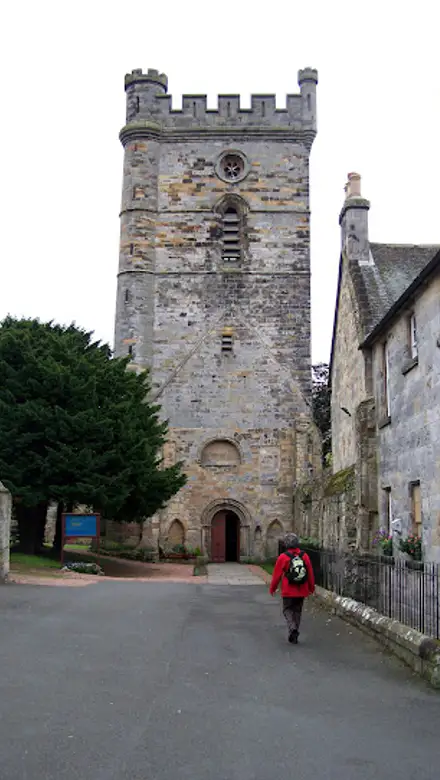
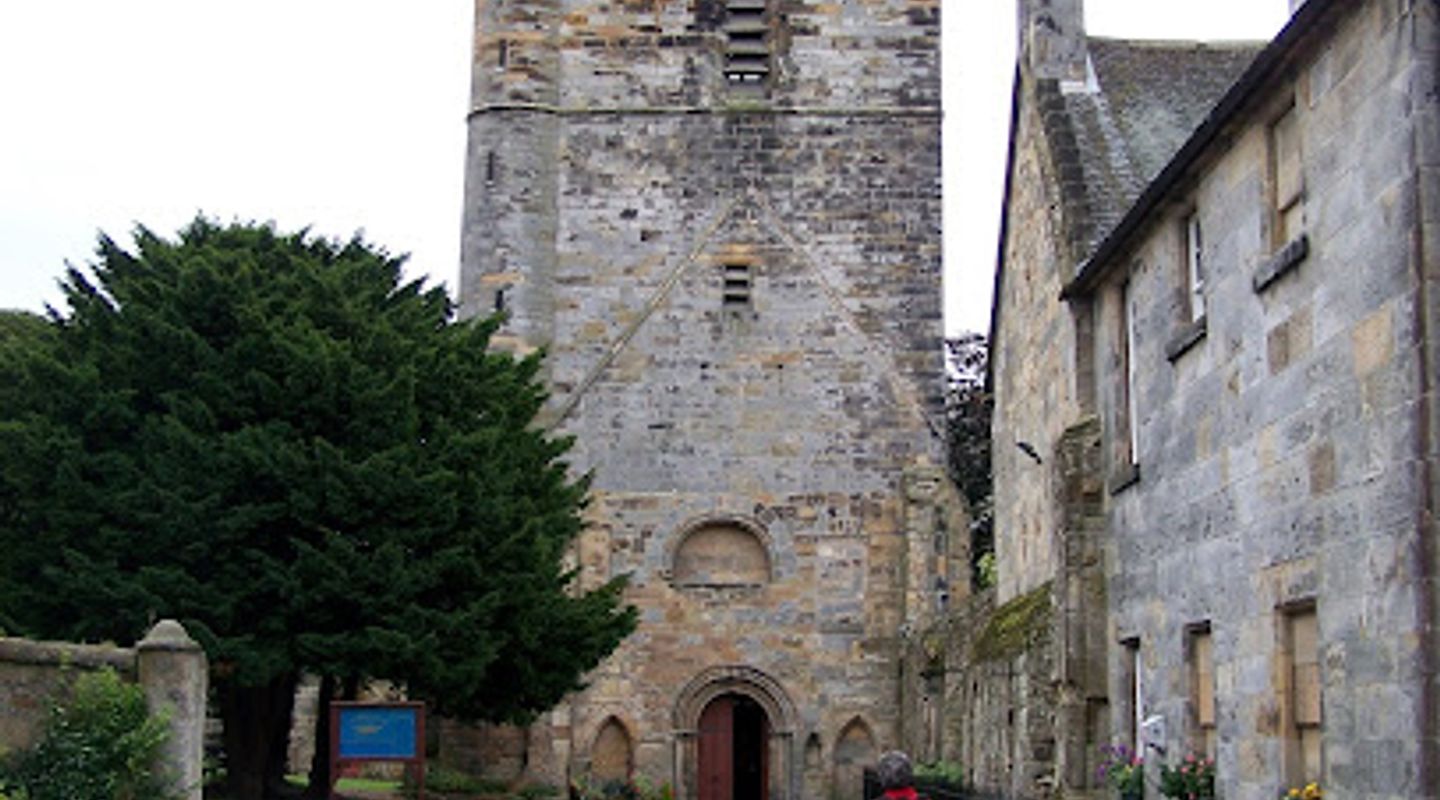
Culross Abbey, founded in 1217 by Malcolm, 7th Earl of Fife, is a striking medieval Cistercian monastery ruin overlooking the village of Culross in Fife, Scotland. Partly preserved as a parish church, the site offers atmospheric ruins, historic architecture, and panoramic views. Visitors can explore the abbey grounds for free year-round, immersing themselves in centuries of religious and cultural history amid tranquil surroundings.
A brief summary to Culross Abbey
- Kirk St, Dunfermline, Culross, KY12 8JF, GB
- Click to display
- Duration: 1 to 2.5 hours
- Free
-
 Outdoor
- Mobile reception: 4 out of 5

Know before you go
Hi, I'm Eve. Here are a few practical things to know before exploring Culross Abbey.
- Wear comfortable shoes for the steep walk uphill from Culross village to the abbey ruins.
- Visit on a weekday morning for a peaceful experience with fewer crowds.
- Combine your visit with exploring the historic Culross village and Culross Palace nearby.
- Check seasonal opening hours before visiting, especially in winter when daylight is limited.
- Bring a camera to capture the abbey’s dramatic ruins and panoramic views over the Firth of Forth.
Do you manage this location?
Take control to get all the benefits, like improved information, better appearance, and stronger visibility across AI-powered discovery. Learn more about listing your business on Evendo
Activate your presenceOther nearby places you may find interesting
The closest places of the same kind, if this one is not quite what you had in mind.

Explore Culross Abbey on the Map
A handpicked selection of must-see spots near Culross Abbey, mapped for you.
Unlock the Best of Culross Abbey
Buy tickets
-
No tickets available
Book tours with entry
-
No tours available
Book tours without entry

Getting There
-
Train and Bus Combination
Travel by train from Edinburgh to Dunfermline town center (approximately 50 minutes), then take the Stagecoach bus service 34 or 34A to Culross village (about 25 minutes). The village is walkable, but the abbey is uphill, so allow 15 minutes walking time. Total journey time around 1.5 to 2 hours. Train tickets typically cost £10-£15 one way; bus fare around £3.
-
Car Travel
Drive from Edinburgh or Dunfermline to Culross village, which takes about 45 minutes from Edinburgh and 20 minutes from Dunfermline. Parking is available at the village edge; from there, expect a 10-15 minute uphill walk to the abbey. Roads near the abbey are narrow and parking is limited, so use village parking areas.
-
Walking from Culross Village
From the center of Culross village, the abbey is a 15-minute uphill walk along cobbled streets and narrow lanes. The terrain is steep and uneven, so suitable footwear is recommended. This option is ideal for visitors staying in or near the village.
For the on-the-go comforts that matter to you
-
 Information Boards
-
 Seating Areas
-
 Restrooms
Discover more about Culross Abbey
Origins and Spiritual Legacy
Culross Abbey was established in 1217 by Malcolm, 7th Earl of Fife, who brought Cistercian monks from Kinloss Abbey to this site, itself believed to have been sacred since the 6th century when St Serf founded an earlier Christian community here. The abbey was dedicated to St Mary and St Serf, reflecting its deep spiritual roots. Over centuries, it became a bustling monastic center, renowned for its coal mining monks and religious influence in the region.Architectural Remnants and Parish Continuity
Though much of the original abbey lies in evocative ruins, significant portions remain intact. After the Scottish Reformation in 1560, the monks’ choir was repurposed as the local parish church, a function it continues to serve under the Church of Scotland. The church underwent modernization in 1824 and a major restoration by Sir Robert Rowand Anderson in 1905. Visitors can admire medieval stonework, vaulted ceilings, and the imposing 84-foot tower that crowns the structure.The Abbey Ruins Experience
The abbey ruins sit on a steep hillside above Culross village, offering sweeping views across the Firth of Forth. Exploring the grounds reveals the cloister remains, vaulted basements, and the foundations of the chapter house and south transept. The site’s layout can be challenging to interpret due to changes over time and the slope, but information boards help visitors appreciate the historical context. The ruins evoke a haunting atmosphere that transports visitors back to medieval monastic life.Notable Features and Memorials
Inside the parish church, visitors find the alabaster monument of Sir George Bruce, a local innovator famous for his coal mining techniques. The church also houses ancient Christian crosses and stained glass windows that enrich the spiritual ambiance. The abbey grounds include historic gravestones and peaceful spaces for reflection, making it a serene destination for history enthusiasts and pilgrims alike.Setting Within Culross Village
Culross Abbey overlooks the picturesque village of Culross, known for its remarkably preserved 17th and 18th-century architecture, cobbled streets, and white-harled houses with red-tiled roofs. The village itself is a living museum, often featured in film and television, including the series Outlander. Visitors often combine a visit to the abbey with exploring the village’s historic sites such as Culross Palace and its gardens.Visitor Information and Accessibility
The abbey is open year-round with free entry to the ruins and church. Opening hours vary seasonally, generally from 10am to dusk in summer and shorter winter hours. The site is partially wheelchair accessible but involves a steep uphill walk from the village center, which may be challenging for those with limited mobility. Information boards on site provide historical context, and the tranquil environment offers a contemplative experience.












Your all‑in‑one travel companion app
Explore expert travel guides, compare and book tours, experiences, hotels, and more—all from the palm of your hand. Download now for seamless trip planning wherever your wanderlust takes you.


Explore More of Berwickshire
Looking beyond Culross Abbey? Discover Berwickshire for broader travel guides, local hot-spots, and regional highlights.
Explore Berwickshire
A peaceful 370‑acre country park and nature reserve with a 3‑mile reservoir walk, wildlife spotting, and family‑friendly paths near Alloa.
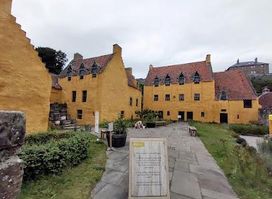
Explore the evocative medieval ruins and vibrant 17th-century heritage of Culross Abbey and its charming historic village near Dunfermline.