

Free Berwickshire Travel Guide & Mobile App
Explore Berwickshire with free travel guides. Discover regional history, expert tips, proposed trips, and audio guides on web or mobile app.


Explore Berwickshire in the Scottish Borders for sea cliffs, fishing harbours, historic houses, market towns and wide Lammermuir landscapes.
Read more about Berwickshire
When is the best time to visit Berwickshire?
Best: June–August · 20–22°C| Month | High (°C) | Rainfall (mm) |
|---|---|---|
| January | 8 | 55 |
| February | 9 | 50 |
| March | 11 | 50 |
| April | 13 | 45 |
| May | 17 | 50 |
| June (best) | 20 | 55 |
| July (best) | 22 | 55 |
| August (best) | 21 | 60 |
| September | 18 | 55 |
| October | 14 | 60 |
| November | 10 | 60 |
| December | 8 | 65 |
Getting to and around Berwickshire
How to get there
Transportation
Best attractions in Berwickshire
Berwickshire’s attractions range from exposed North Sea cliffs to country houses, market towns and museums that interpret the area’s border and agricultural history. St Abb’s Head National Nature Reserve is the natural highlight, with cliff-top paths, seabird colonies and broad views along the coast; nearby St Abbs and Coldingham Bay add smaller-scale coastal scenery. Eyemouth combines a working harbour with maritime history, beaches and access to walks around the headlands. Inland, the Jim Clark Motorsport Museum in Duns explores the career of the locally born racing driver, while Coldingham Priory preserves important medieval remains. Paxton House offers Georgian architecture, collections, gardens and riverside grounds, and Manderston provides an insight into the lavish Edwardian country-house world near Duns. Coldstream and Lauder are useful bases for exploring the wider border landscape, with local architecture and access to countryside rather than large concentrations of formal attractions. Walking, birdwatching, fishing, cycling and scenic driving are central to the region’s appeal, although visitors should check seasonal opening arrangements and transport connections before setting out.
-
Botanical garden
Royal Botanic Garden Edinburgh
Explore 70 acres of stunning landscapes and one of the world’s richest plant collections just minutes from Edinburgh city centre.
-
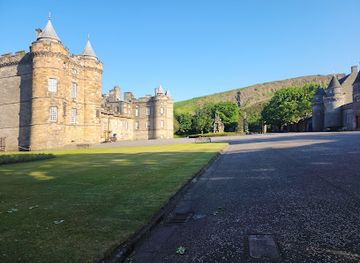
Castle
Palace of Holyroodhouse
Explore Scotland’s royal history and grandeur at the Palace of Holyroodhouse, Edinburgh’s iconic historic residence with stunning gardens and abbey ruins.
-
Tourist attraction
Royal Mile
Edinburgh’s Royal Mile: a vibrant historic artery linking castle to palace, alive with culture, history, and Scottish spirit.
-
Tourist attraction
Dean Village
A tranquil historic village by the Water of Leith, blending centuries-old milling heritage with charming cobbled streets and scenic river views.



Best landmarks in Berwickshire
St Abb’s Head is Berwickshire’s most recognisable natural landmark, a high coastal promontory whose white cliffs, sea stacks and seabird colonies define the eastern edge of the region. The harbour and stone waterfront at Eyemouth are important maritime landmarks, reflecting the town’s long relationship with fishing and the North Sea. Coldingham Priory, with its surviving medieval stonework, is the principal ecclesiastical landmark and a reminder of the area’s medieval religious networks. Inland, Manderston near Duns is notable for its Edwardian architecture and highly elaborate interiors, while Paxton House represents the Georgian country-estate tradition that reshaped the region’s landscape. Duns Law rises above the county town as a prominent volcanic hill and viewpoint, giving the settlement a distinctive physical setting. Coldstream Bridge, crossing the River Tweed near the eastern border, belongs to a historic crossing landscape linking Scotland with northern England. Together these places express Berwickshire’s essential themes: exposed coast, border movement, religious history, landed estates and agricultural country.
-
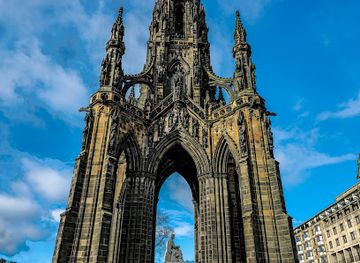
Monument
Scott Monument
Edinburgh’s iconic Gothic spire honoring Sir Walter Scott, offering historic insights and stunning panoramic city views.
-
Historical landmark
Arthur's Seat
Climb Edinburgh’s ancient volcanic peak for breathtaking panoramic views and a journey through natural and historic wonders.
-
Tourist attraction
Jedburgh Abbey
Medieval splendour on the Scottish border: a 12th-century abbey where history, architecture, and landscape converge.
-
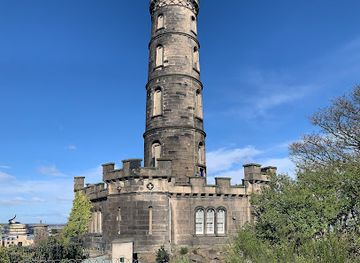
Monument
Nelson Monument
A historic tribute atop Calton Hill with a unique time ball and spectacular panoramic views of Edinburgh’s iconic skyline.


Explore Berwickshire on the map
Plan your trip on one map. See where the top cities, national parks and sights are, and book hotels and experiences in a few clicks.
Best hotels in Berwickshire
Best restaurants in Berwickshire
Dining in Berwickshire reflects its position between productive farmland and the North Sea. Eyemouth and the surrounding coast are the natural places to look for fish and shellfish, while inland pubs, cafés and rural inns make use of Borders produce, locally reared meat and seasonal vegetables. Dishes are generally presented as part of contemporary Scottish and British cooking rather than a single narrowly defined Berwickshire cuisine. Market-town cafés in Duns, Coldstream and Lauder provide straightforward meals, baking and coffee, and farm shops can be useful for picnic supplies, preserves and regional products. Visitors may also encounter game, smoked fish, cheeses and traditional baking associated with the wider Scottish Borders. Restaurant choice is more varied in the larger towns and settlements near the region’s edges than in remote coastal or hill districts, where opening days can be limited. Booking ahead is sensible for popular rural dining rooms, particularly at weekends and during the summer, while harbour areas are the most atmospheric settings for a meal shaped by the maritime landscape.
-
Italian
Limoncello
Experience fresh, authentic Italian cuisine in a welcoming setting at Berwick’s beloved Limoncello on historic Hide Hill.
-
Cafe
Cedar Cafe
Cozy and affordable cafe in Grantshouse offering hearty breakfasts, friendly service, and a welcoming atmosphere every day from 9 AM to 4:30 PM.
-
 Restaurant
Buccleuch Arms, St Boswells
Historic Scottish Borders inn blending traditional charm, award-winning dining, and warm hospitality in the heart of St Boswells.
-
British
The Cobbles - Freehouse & Dining
A vibrant gastro-pub in Kelso blending British classics with craft beers and modern dining in a welcoming atmosphere.


Best bars in Berwickshire
Berwickshire has a modest evening scene centred on traditional pubs, hotel bars, restaurants and community venues rather than dedicated nightclub districts. Duns, Eyemouth, Coldstream and Lauder provide the broadest choice, with pubs serving local residents as well as visitors and occasionally hosting live music or other small-scale entertainment. Eyemouth’s harbour setting gives its evening business a more maritime character, while inland pubs tend to be social meeting places with a strong connection to the surrounding towns and villages. In rural areas, venues may close earlier and taxis can be difficult to find without prior arrangement, so evening plans benefit from checking transport and dining options in advance. The region’s breweries and drinks culture are best approached through individual pubs, tastings or food-led visits rather than assuming a large organised nightlife circuit. For theatres, extensive clubbing or a wider late-night choice, visitors normally travel outside Berwickshire to larger regional centres.
-
Pub
Leaping Salmon
A vibrant, friendly pub in Berwick-upon-Tweed offering hearty British fare, real ales, live sports, and scenic riverside views.
-
Pub
The Ship Inn
A warm, traditional Scottish pub in North Berwick offering hearty fare, lively sports, and friendly vibes by the sea.
-
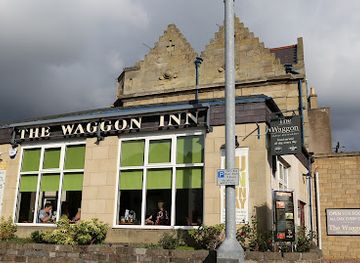
Bar
The Waggon
A warm, family-friendly carvery and bar in Kelso offering classic roasts, seasonal dishes, and welcoming hospitality in the heart of the Scottish Borders.
-
Pub
The Ship Inn Melrose
A friendly, family-run pub in Melrose offering hearty British fare, lively sports, and a welcoming beer garden in the heart of the Scottish Borders.



Best nightclubs in Berwickshire
Berwickshire has a modest evening scene centred on traditional pubs, hotel bars, restaurants and community venues rather than dedicated nightclub districts. Duns, Eyemouth, Coldstream and Lauder provide the broadest choice, with pubs serving local residents as well as visitors and occasionally hosting live music or other small-scale entertainment. Eyemouth’s harbour setting gives its evening business a more maritime character, while inland pubs tend to be social meeting places with a strong connection to the surrounding towns and villages. In rural areas, venues may close earlier and taxis can be difficult to find without prior arrangement, so evening plans benefit from checking transport and dining options in advance. The region’s breweries and drinks culture are best approached through individual pubs, tastings or food-led visits rather than assuming a large organised nightlife circuit. For theatres, extensive clubbing or a wider late-night choice, visitors normally travel outside Berwickshire to larger regional centres.
-
Nightclub
The Indigo Rooms
A lively nightclub and bar in Galashiels offering themed events, student discounts, and a vibrant weekend nightlife atmosphere.
-
Nightclub
BedRocks
Experience Berwick-upon-Tweed’s quirky and lively nightlife at BedRocks, a unique nightclub with a nostalgic vibe and affordable fun.
-
Nightclub
Base Nightclub
Experience Hawick’s energetic nightlife at Base Nightclub, where vibrant music, lively events, and a welcoming atmosphere create unforgettable evenings.
-
Nightclub
Square One
Vibrant Hawick nightclub with dynamic music floors and a welcoming atmosphere at the heart of Drumlanrig Square.



Best shops in Berwickshire
Shopping in Berwickshire is focused on independent high-street businesses, practical local services, food producers and small-scale crafts rather than large retail complexes. Duns, Eyemouth, Coldstream and Lauder each provide a different market-town setting, with cafés, galleries, gift shops, books, antiques and everyday shops changing according to local demand. Coastal visitors can look for seafood and harbour-related produce in Eyemouth, while farm shops and specialist food outlets across the Borders offer cheese, preserves, baking, meat and other regional products. Historic houses and heritage attractions commonly have shops carrying books, prints, garden goods and locally made items, although their opening patterns are seasonal. Craft shopping may include textiles, pottery, artwork and jewellery from Scottish Borders makers, but availability varies between towns and exhibitions. Visitors should not expect an extensive designer or department-store scene; for broader retail choice, the larger centres beyond Berwickshire are more practical. Independent businesses may keep shorter rural hours, so market-town shopping is best planned during the daytime.
-
Discount shop
The Original Factory Shop (Kelso)
Discover unbeatable discounts on fashion, beauty, and homeware at The Original Factory Shop in Kelso’s town centre.
-
Gift shop
The Scotland Shop
Discover authentic Scottish tartans, custom kilts, and traditional gifts in Edinburgh’s iconic Scotland Shop on South Bridge.
-
Gift shop
Guess What
Discover unique and beautiful gifts in the heart of Galashiels at Guess What, a charming shop full of unusual treasures.
-
Gift shop
Droopy Dandelion - The Scottish Fairy Shop
Discover handmade fairy-inspired gifts and crafts in the heart of Innerleithen’s charming Scottish Borders.



Get your free copy of our complete guide to Berwickshire, delivered straight to you.
Everything on this page, from attractions and restaurants to essentials and local phrases, in one PDF you can read offline, print or share.
Already have an account? Sign in
Your Berwickshire guide is ready.
We'll send it to · Not you? Sign out

Getting your guide ready…
We are putting together a fresh copy of the Berwickshire guide. This can take up to a minute.
This can take a few moments. If your browser asks, choose Allow so the download can start. You'll find the guide in your Downloads folder.
Nothing happened? Download it again
Sorry, the guide is taking longer than usual. Please try again in a minute, or get it by email instead.
Berwickshire essentials
Currency and Payment
Safety
Emergency Situations
Do's and Don'ts
Local Tips
From Eve
Local phrases worth knowing
You don't need to get them perfect. A few words go a long way, and locals appreciate the effort.
Basics
| English | Local | Say it |
|---|---|---|
| Hello | Hullo | [hʌloʊ] |
| Goodbye | Cheerio | [ˈtʃɪr.i.oʊ] |
| Yes | Aye | [aɪ] |
| No | Nae | [neɪ] |
| Please/You're welcome | Aye, nae bother | [aɪ neɪ ˈbɒð.ər] |
| Thank you | Cheers | [tʃɪrz] |
| Excuse me/Sorry | Scuse me/Sorry | [skjuːz mi/ˈsɒr.i] |
| How are you? | How are ye? | [haʊ ɑːr ji] |
| Fine. And you? | Fine, and ye? | [faɪn, ənd ji] |
| Do you speak English? | Dae ye speak English? | [deɪ ji spiːk ˈɪŋ.ɡlɪʃ] |
| I don't understand | Ah dinnae understand | [ɑː ˈdɪn.eɪ ˌʌn.dərˈstænd] |
Eating & Drinking
| English | Local | Say it |
|---|---|---|
| I'd like to see the menu, please | I'd like tae see the menu, please | [aɪd laɪk tə si ðə ˈmɛn.juː pliːz] |
| I don't eat meat | Ah dinnae eat meat | [ɑː ˈdɪn.eɪ iːt miːt] |
| Cheers! | Cheers! | [tʃɪrz] |
| I would like to pay, please | I'd like tae pay, please | [aɪd laɪk tə peɪ pliːz] |
Emergencies
| English | Local | Say it |
|---|---|---|
| Help! | Help! | [hɛlp] |
| Go away! | Gae away! | [ɡeɪ əˈweɪ] |
| Call the Police! | Call the police! | [kɔːl ðə pəˈliːs] |
| Call a doctor! | Call a doctor! | [kɔːl ə ˈdɒk.tər] |
| I'm lost | Ah'm lost | [ɑːm lɒst] |
| I'm ill | Ah'm unwell | [ɑːm ʌnˈwɛl] |
Shopping
| English | Local | Say it |
|---|---|---|
| I'd like to buy... | I'd like tae buy... | [aɪd laɪk tə baɪ...] |
| I'm just looking | Am just lookin' | [əm dʒʌst ˈlʊk.ɪn] |
| How much is it? | How much is it? | [haʊ mʌtʃ ɪz ɪt] |
| That's too expensive | That's ower dear | [ðæts ˈoʊ.ər dɪər] |
| Can you lower the price? | Can ye lower the price? | [kæn ji ˈloʊ.ər ðə praɪs] |
Time & Numbers
| English | Local | Say it |
|---|---|---|
| What time is it? | Whit time is it? | [wɪt taɪm ɪz ɪt] |
| It's one o'clock | It's one o'clock | [ɪts wʌn əˈklɒk] |
| Half past (10) | Half past ten | [hɑːf pɑːst tɛn] |
| Morning | Mornin' | [ˈmɔrn.ɪn] |
| Afternoon | Afternoon | [ˌɑːf.tərˈnuːn] |
| Evening | Evenin' | [ˈiːv.nɪŋ] |
| Yesterday | Yestreen | [ˈjɛs.triːn] |
| Today | Tday | [təˈdeɪ] |
| Tomorrow | Morrow | [ˈmɒr.oʊ] |
| 1 | Ae | [eɪ] |
| 2 | Twa | [twɑː] |
| 3 | Three | [θriː] |
| 4 | Four | [fɔːr] |
| 5 | Five | [faɪv] |
| 6 | Six | [sɪks] |
| 7 | Seven | [ˈsɛv.ən] |
| 8 | Eight | [eɪt] |
| 9 | Nine | [naɪn] |
| 10 | Ten | [tɛn] |
Transport & Directions
| English | Local | Say it |
|---|---|---|
| Where's a/the...? | Whaur's a/the...? | [wɔːrz ə/ðə] |
| What's the address? | Whit’s the address? | [wɪt ðə əˈdrɛs] |
| Can you show me (on the map)? | Can ye show me (on the map)? | [kæn ji ʃoʊ mi (ɒn ðə mæp)] |
| When's the next (bus)? | When’s the next (bus)? | [wɛn ðə nɛkst bʌs] |
| A ticket (to ....) | A ticket (to ....) | [ə ˈtɪk.ɪt (tə ....)] |
History of Berwickshire
Prehistoric and Roman Borderlands
Berwickshire’s valleys, hills and coast were occupied long before written history, with prehistoric settlement and burial evidence forming part of the wider archaeological record of the Scottish Borders. The area later lay close to the northern frontier of the Roman Empire. Roman roads, marching routes and military sites in the broader border landscape connected the east coast with the interior, although many surviving remains are fragmentary and best understood as part of a wider frontier system rather than as a single Berwickshire monument. The combination of fertile lowland, defensible heights and access to the sea continued to give the district strategic importance.
Coldingham Priory and Medieval Christianity
Coldingham became an important religious centre during the early medieval period and was later home to a Benedictine priory dependent on Durham. Medieval Coldingham Priory was repeatedly affected by the political and military instability of the eastern border, yet parts of its substantial stone church survive and convey the importance of the foundation. Religious houses helped organise landholding, farming and local administration, while their connections extended across the Anglo-Scottish frontier. The priory’s remains are among Berwickshire’s clearest physical links with the medieval ecclesiastical landscape.
The Scottish-English Border, c. 1100–1600
For centuries Berwickshire was exposed to raids, counter-raids and shifting political authority because it lay beside the principal route between Scotland and northern England. Settlements and estates required defensive structures, and fortified tower houses and other strongholds once formed part of the local landscape. Towns such as Duns, Coldstream and Lauder developed within this contested environment, serving administrative, commercial and military roles. The border was not merely a line on a map: it shaped landownership, settlement patterns, local memory and the architectural character of eastern Scotland.
The Reformation and Changing Landownership
The Scottish Reformation transformed religious institutions and redistributed ecclesiastical influence across Berwickshire. Former church lands and estates passed into new patterns of ownership, while parish churches became central to community life. Over subsequent centuries, influential families and estate owners reshaped the countryside through improved farming, planned landscapes and substantial houses. Buildings such as Manderston and Paxton House represent later phases of this country-estate culture, when agricultural wealth, classical architecture and designed gardens expressed the power of landowning families.
Agricultural Improvement and the Market Economy
From the eighteenth century onwards, Berwickshire became associated with agricultural improvement and productive lowland farming. Land drainage, enclosure, better roads, selective breeding and more systematic estate management altered both the appearance and economy of the countryside. Market towns including Duns, Lauder and Coldstream linked farms with regional trade, while fairs and local businesses supported rural communities. The improved landscape was economically significant but also changed patterns of access, settlement and land use, leaving the field systems, planned estates and farm buildings that visitors see today.
Fishing, Harbours and the North Sea
Eyemouth developed as Berwickshire’s principal fishing port, with its harbour supporting generations of fishermen and related trades. The sea provided employment but also imposed considerable risks, and maritime disasters form part of the community’s history. Fishing, shellfish, boatbuilding and coastal trade helped distinguish the east coast from the county’s inland farming districts. Although the industry has changed substantially, Eyemouth’s harbour, waterfront and seafood culture continue to express the relationship between Berwickshire and the North Sea.
Transport, Tourism and Modern Berwickshire
Road improvements and the growth of nearby Berwick-upon-Tweed and Edinburgh made Berwickshire increasingly accessible while preserving its predominantly rural character. Railways once served parts of the county, but passenger services have disappeared, making road travel especially important today. Twentieth-century leisure culture added new associations: Duns was the birthplace of Jim Clark, the Formula One world champion whose career is commemorated by a museum in the town. Contemporary Berwickshire combines farming, coastal communities, heritage tourism and outdoor recreation rather than relying on a single industrial identity.
Berwickshire in Photos
Browse through our photo collection highlighting the charm and character of the destination.
Neighbouring regions of Berwickshire
The closest regions to Berwickshire, if you have time for more than one.
-

-

-

-

-


Swipe for more regions
Explore more

Explore more of United Kingdom
Discover the United Kingdom: A blend of rich history, stunning landscapes, and vibrant cities, offering a unique travel experience for every visitor.
Explore United Kingdom