Handsworth Park, Birmingham Travel Guide
Historic Handsworth Park offers 63 acres of landscaped beauty, boating lakes, and cultural heritage in the heart of Birmingham’s vibrant Handsworth district.
Handsworth Park, originally known as Victoria Park, is a 63-acre public park in Birmingham’s Handsworth district. Established in the late 19th century, it features landscaped grass slopes, a large boating lake, mature trees, flower beds, and diverse wildlife. The park has a rich history as a civic improvement project, hosting community events like the Birmingham Flower Show and Handsworth Carnival, and continues to be a cherished green space blending natural beauty with cultural heritage.
A brief summary to Handsworth Park
- Holly Rd, Birmingham, Handsworth, B20 2BY, GB
- Click to display
- Click to display
- Duration: 1 to 3 hours
- Free
-
 Outdoor
- Mobile reception: 4 out of 5
- Monday 7 am-10 pm
- Tuesday 7 am-10 pm
- Wednesday 7 am-10 pm
- Thursday 7 am-10 pm
- Friday 7 am-10 pm
- Saturday 8 am-5 pm
- Sunday 7 am-5 pm

Know before you go
Hi, I'm Eve. Here are a few practical things to know before exploring Handsworth Park.
- Visit the Sunken Garden near the Grove Lane entrance to see the iconic bronze sculpture and enjoy a peaceful, shaded spot.
- Explore the boating lake area for scenic views and watch local wildlife, especially in the early morning or late afternoon.
- Check the park’s schedule for community events like the biennial Handsworth Carnival or seasonal flower shows.
- Bring a picnic to enjoy on the grassy slopes, especially on sunny days when the park is lively but spacious.
Do you manage this location?
Take control to get all the benefits, like improved information, better appearance, and stronger visibility across AI-powered discovery. Learn more about listing your business on Evendo
Activate your presenceOther nearby places you may find interesting
The closest places of the same kind, if this one is not quite what you had in mind.
Explore Handsworth Park on the Map
A handpicked selection of must-see spots near Handsworth Park, mapped for you.
Unlock the Best of Handsworth Park
Buy tickets
-
No tickets available
Book tours with entry

Book tours without entry
-
No tours available
Getting There
-
Bus
Take the Number 11 or 11A bus from Birmingham city centre to Handsworth Park; the journey typically takes 20–30 minutes. Buses run frequently every 10–15 minutes during the day. The nearest stop is on Holly Road, a short walk to the park entrance. A single fare costs approximately £2.50.
-
Train and Bus Combination
From Birmingham New Street Station, take a train to Hamstead Station (about 10 minutes). From Hamstead, catch the Number 11 bus towards Handsworth Park, which takes around 10 minutes. Total travel time is approximately 30–40 minutes. Train fares start at £3.50, and bus fares around £2.50.
-
Car
Driving to Handsworth Park is possible via Holly Road. Parking is limited on nearby streets and may require walking up to 5 minutes to the park entrance. Traffic congestion can occur during peak hours. There is no dedicated car park, so plan accordingly. Parking is free but subject to local restrictions.
-
Walking
If staying nearby in Handsworth or adjacent neighborhoods, walking to the park is a pleasant option. Depending on your starting point, expect a 15–30 minute walk over mostly flat terrain. Paths are accessible and suitable for wheelchairs and strollers.
For the on-the-go comforts that matter to you
-
 Restrooms
-
 Drink Options
-
 Food Options
-
 Seating Areas
-
 Trash Bins
-
 Information Boards
Discover more about Handsworth Park
Origins and Civic Vision of Handsworth Park
Handsworth Park was conceived in the 1880s by the Handsworth Local Sanitary Board as part of a broader municipal effort to improve urban living conditions. Initially met with opposition from some local residents who preferred investment in infrastructure like roads and sewers, the park was nonetheless established as a vital green lung for the growing suburban area. The land, formerly the Grove Estate, was acquired in 1887, and the park officially opened in 1888 under the name Victoria Park, commemorating Queen Victoria’s Golden Jubilee. Early features included a walled garden, a bowling green, a terrace walk, and a cricket ground, with planting carried out by a renowned Sheffield nursery.Landscape and Natural Features
Spanning approximately 63 acres, Handsworth Park offers gently rolling grass slopes, mature trees, and a variety of shrubs supporting local wildlife. Central to its landscape is a large boating lake, created during an eastern extension opened in 1898, complemented by a smaller pond fed by local brooks. The park’s water features have evolved over time, including the transformation of a former fishing pool into the Sunken Garden. These aquatic elements, alongside flower beds and open spaces, create a serene environment for visitors to enjoy nature within an urban setting.Cultural and Community Significance
Throughout the 20th century, Handsworth Park became a focal point for community life and cultural events. It hosted the Birmingham Flower Show for many years, as well as dog shows, Scout jamborees, and the biannual Handsworth Carnival, which began as a Caribbean-themed festival in 1984, reflecting the area's diverse population. The park has witnessed demographic changes, becoming a center for Birmingham’s African-Caribbean and South Asian communities. This cultural richness is woven into the park’s identity, making it a vibrant gathering place for festivals and celebrations.Challenges and Restoration Efforts
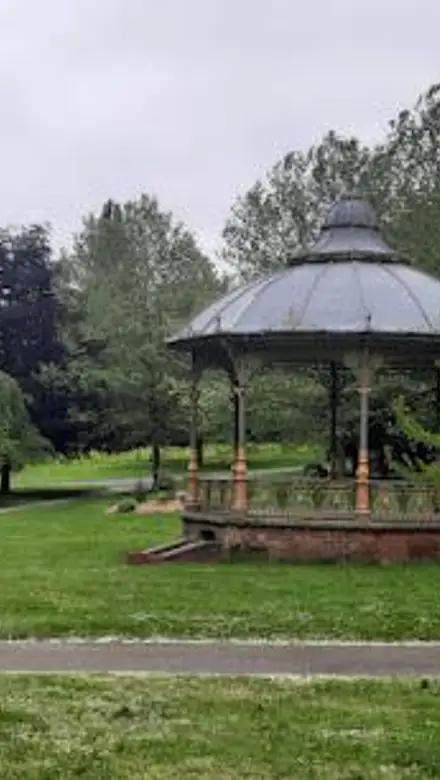
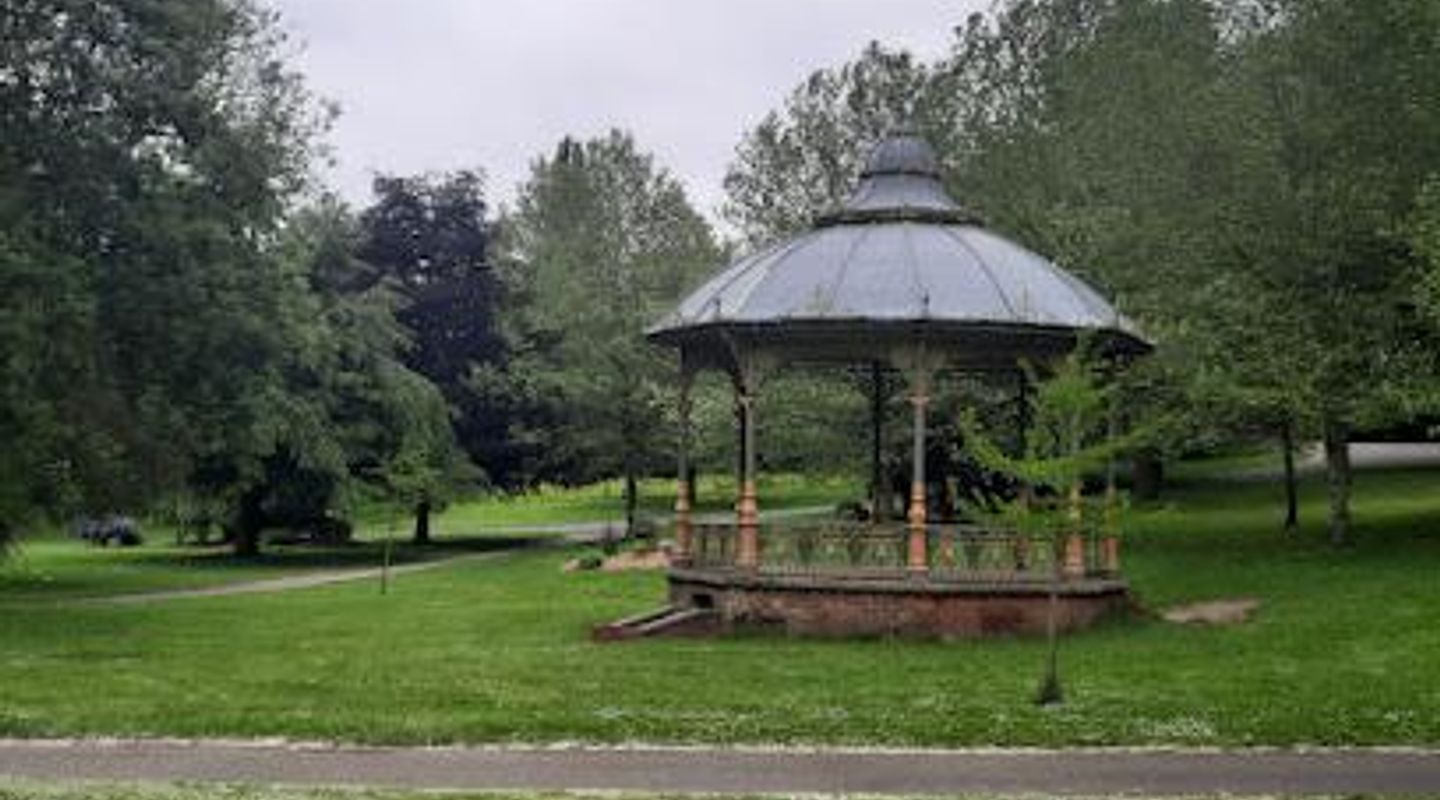
Like many urban parks, Handsworth Park experienced decline by the mid-20th century, with facilities such as the Grove Lane public baths demolished and parts of the park falling into disrepair. Community activism, notably the formation of the 'Save Handsworth Park' group in 1996, spurred restoration efforts between 2004 and 2006. These initiatives revitalized key features including the boating lake, bandstand, and boathouse, reinforcing the park’s role as a valued green space. Ongoing maintenance and community engagement continue to protect the park’s heritage and natural beauty.Architectural and Artistic Highlights
The park contains several notable structures and design elements, including iron railings and gates originally donated before World War II, and the Sunken Garden created in 1922 by the Birmingham Civic Society. This formal garden features a bronze sculpture of a child holding a lamb atop a Portland stone plinth, serving as a poignant centerpiece. The park’s layout reflects Victorian landscape design principles, combining recreational spaces with ornamental gardens and water features to offer both leisure and aesthetic pleasure.Handsworth Park Today: A Green Haven in the City
Today, Handsworth Park remains a cherished urban oasis, offering a tranquil retreat amid Birmingham’s bustling cityscape. Its expansive lawns, water bodies, and mature trees provide scenic views and opportunities for relaxation, recreation, and wildlife observation. The park supports diverse activities, from boating and picnicking to cultural festivals, embodying a rich blend of natural beauty and community spirit that continues to evolve with the city it serves.












Your all‑in‑one travel companion app
Explore expert travel guides, compare and book tours, experiences, hotels, and more—all from the palm of your hand. Download now for seamless trip planning wherever your wanderlust takes you.


Explore More of Birmingham

Looking beyond Handsworth Park? Discover Birmingham for broader travel guides, local hot-spots, and regional highlights.
Explore Birmingham
Explore a vast wildlife safari and adventure park near Birmingham with free-roaming animals, immersive exhibits, and family-friendly rides.
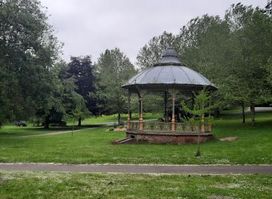
A historic Victorian park in Birmingham blending serene lakes, lush gardens, and vibrant cultural heritage across 63 acres.