
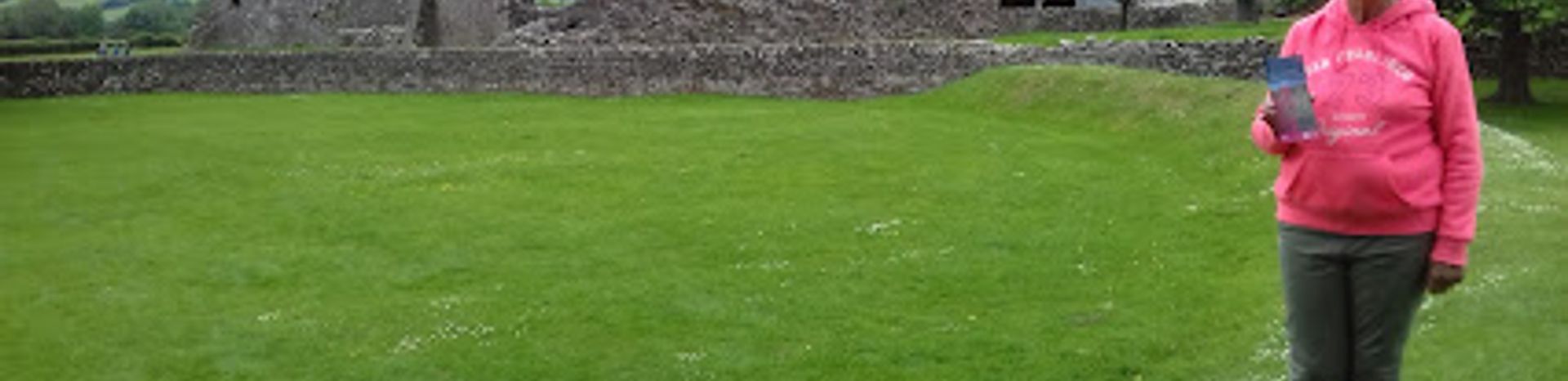
Tretower Court and Castle
Medieval fortress and magnificent manor house where 900 years of Welsh power and prestige converge in one extraordinary site.
A remarkable dual-site medieval treasure near Crickhowell, where a 13th-century castle and a magnificently restored 15th-century manor house stand together on the same grounds. Explore the ornate stone tower, wander through recreated period rooms with authentic furnishings, and stroll among fragrant white roses in the 15th-century garden. This Cadw-managed site offers nearly 900 years of Welsh history, from Norman fortification to the height of the wealthy Vaughan family's power during the Wars of the Roses.
A brief summary to Llys a Chastell Tre-tŵr / Tretower Court and Castle
- Powys, Crickhowell, Tretower, NP8 1RF, GB
- +443000252239
- Visit website
- Duration: 1.5 to 3 hours
- Mid ranged
-
 Outdoor
- Mobile reception: 4 out of 5
Local tips
- Visit on a weekday morning for a peaceful experience with fewer crowds. Plan for 90 minutes to two hours to explore both the court and castle ruins thoroughly without feeling rushed.
- Book tickets online in advance to receive a 5% discount and guarantee entry. Online booking is available up to 24 hours ahead, and tickets are non-refundable.
- Climb the three-storey round tower for spectacular views across the Usk valley and surrounding countryside. The effort is rewarded with panoramic vistas that illustrate why this was such a strategically important location.
- Wear comfortable walking shoes suitable for uneven terrain. The cobbled entrance may be challenging for wheelchairs and buggies, though a side entrance is available by prior arrangement.
- Check the events calendar for special experiences such as artisan markets and historical re-enactments. These events often provide unique insights into medieval life and craftsmanship.

For the on-the-go comforts that matter to you
- Restrooms
- Food Options
- Seating Areas
- Picnic Areas
- Trash Bins
- Information Boards
- Visitor Center
Getting There
-
Car from Crickhowell
From Crickhowell town centre, follow the A479 northwest towards Talgarth for approximately 2.5 miles. Tretower village is clearly signposted. Parking is available in the village near the site entrance. Journey time is approximately 5–10 minutes depending on traffic. No parking fees apply.
-
Bus from Crickhowell
Local bus services operate between Crickhowell and surrounding villages, though frequency is limited. Journey time is approximately 15–25 minutes depending on the service. Check local transport schedules in advance, as services may be infrequent, particularly on Sundays. Fares typically range from £2–5 per journey.
-
Walking from Crickhowell
A scenic country walk of approximately 2.5 miles from Crickhowell town centre to Tretower village takes 45–60 minutes. The route follows country lanes with some road walking. Terrain is generally level to gently rolling. This is a pleasant option for those seeking a leisurely approach through the Welsh countryside, though the final section includes walking along the A479, which has limited verges.
-
Taxi or ride-share from Crickhowell
Taxis are available from Crickhowell and nearby towns. Journey time is approximately 5–10 minutes. Estimated fare is £8–15 depending on the service and exact pickup location. This is a convenient option if you prefer not to drive or walk, and allows flexibility in departure times.
Llys a Chastell Tre-tŵr / Tretower Court and Castle location weather suitability
-
 Any Weather
-
 Clear Skies
-
 Mild Temperatures
Discover more about Llys a Chastell Tre-tŵr / Tretower Court and Castle
Two Centuries of Power and Prestige
Tretower represents an extraordinary snapshot of medieval Welsh life, spanning nearly nine centuries of continuous occupation and transformation. The site began as a Norman motte-and-bailey fortress in the early 12th century, built by Picard, a Norman knight, to command the strategic Usk valley. Over generations, timber structures gave way to impressive stone fortifications, including the distinctive circular shell keep and the commanding three-storey round tower that still dominates the landscape. By the 14th century, however, the focus of power shifted. The castle's military significance waned as the newly constructed Tretower Court emerged as the principal residence, reflecting a broader shift from defensive stronghold to domestic showcase.The Vaughan Dynasty and Medieval Magnificence
The Tretower Court that visitors see today is largely the creation of Sir Roger Vaughan and his descendants, who transformed the site into a byword for magnificence during the 15th century. Sir Roger rose to prominence during the Wars of the Roses, becoming one of the most powerful men in Wales, and Tretower became a magnet for medieval Welsh poets who came to drink fine wines and sing the praises of their generous host. The Vaughan family, one of the richest and most influential in Wales, held the property for over 300 years, continuously adapting and extending the buildings to reflect their tastes and status. The white roses that bloom in the recreated garden symbolise Sir Roger's passionate Yorkist sympathies, a detail that speaks to the personal convictions embedded in the very fabric of the house.A House Frozen in Time
The medieval court itself is a masterpiece of restoration, allowing visitors to step directly into the 15th century. The timber-framed great hall, with its reconstructed hearth and period furnishings, is laid out precisely as it might have been for a lavish feast in the 1460s. A covered timber walkway overlooks the central courtyard, connecting the upstairs chambers where the family lived in considerable comfort. The kitchen has been meticulously refurbished to show how meals were prepared for both the household and its servants, while the parlour and buttery reveal the domestic rhythms of elite medieval life. Every room tells a story of wealth, taste, and the careful management of a substantial estate. The recreated 15th-century garden, with its fragrant white roses, arbour, and fruit trees, completes the picture of a refined domestic landscape.Ruins and Remnants of the Castle
While the court represents medieval comfort and domestic life, the castle ruins convey the older, heavier atmosphere of military power. The circular stone shell keep, built on its raised motte, once contained timber buildings within its protective walls. The tall round tower, added in the 13th century, stands as a testament to evolving defensive technology, its thick walls still bearing traces of arrow slits and fireplaces. Climbing to the top of the tower rewards visitors with panoramic views across the surrounding countryside and the Usk valley, offering a sense of the commanding position from which medieval lords exercised control over their lands. The ornamental stonework throughout the castle exceeds what would be necessary for defence alone, ranking it among the finest castles in Wales and revealing that this was not merely a fortress but a prized domestic residence and status symbol.From Neglect to Restoration
By the end of the 18th century, Tretower Court had declined into a working farm, with parts of the building even serving as a pigsty. The remarkable structures deteriorated significantly until the 20th century, when meticulous restoration work began. Today's visitors benefit from this careful conservation, which has brought the buildings back to life without erasing their authentic character. The restoration allows modern visitors to vividly imagine being one of Tretower's most honoured guests, experiencing the grandeur and comfort that made it a destination for the cultural elite of medieval Wales.A Living Landscape of History
Tretower is not merely a museum of static objects but a living landscape where history unfolds across multiple periods. The grassed castle green separates the two main structures, creating a physical and temporal divide between the earlier military fortress and the later domestic manor. Resident goats graze peacefully among the ruins, adding an unexpected touch of life to the medieval setting. Regular events bring the past to vivid life, including re-enactments where costumed interpreters demonstrate period crafts, weapons, and the preparation of historical meals. The site's location within the Brecon Beacons National Park, surrounded by the rolling Welsh countryside, provides a serene backdrop that enhances the sense of stepping back through centuries.For the vibe & atmosphere seeker
- Romantic
- Scenic
- Unique
- Tranquil
For the design and aesthetic lover
- Rustic Designs
- Vintage Styles
- Historic
For the architecture buff
- Historic
- Landmarks
- Heritage Neighborhoods
- Sacred Sites
For the view chaser and sunset hunter
- Panoramas
- Iconic Views
For the social media creator & influencer
- Instagrammable
- Photo Spots
- Architectural Shots
- Aesthetic Corners
For the eco-conscious traveler
- Protected Area
- Locally Managed
- Leave-No-Trace Critical
For the kind of experience you’re after
- Cultural Heritage
- Myth & Legends
- Photowalk
- Day Trip
- Festival / Event Nearby
For how adventurous you want the journey to be
- Easy Access
- Requires Hike
Location Audience
- Family Friendly
- Senior Friendly
- Child Friendly
- Wheelchair Access
- Pet Friendly
- Solo Friendly
- Couple Friendly


