From Eve
Know before you go
Hi, I'm Eve. Here are a few practical things to know before exploring Grand Parade.
Local know-how to help you travel smarter and make the most of every moment.


Historic Georgian riverside promenade in Bath with stunning views, elegant gardens, and rich cultural heritage by the River Avon.
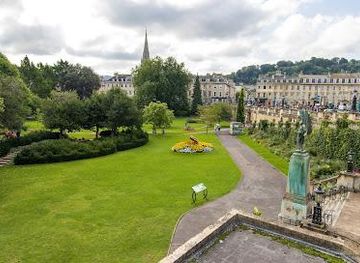
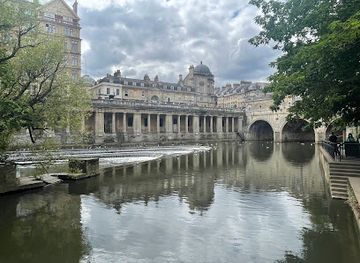
Grand Parade in Bath is a historic riverside promenade and garden area featuring elegant Georgian landscaping and stunning views of the River Avon and Pulteney Bridge. Established in the early 18th century as part of Bath’s fashionable spa town development, it offers a tranquil green space with flower beds, a bandstand, and heritage features reflecting Bath’s rich cultural past.
Opening times, essentials, and a few local tips gathered into one calmer, easier-to-scan planning section.
Hi, I'm Eve. Here are a few practical things to know before exploring Grand Parade.
Local know-how to help you travel smarter and make the most of every moment.
Bus
Take the number 20 or 21 bus from Bath city center to stops near Grand Parade; journey time is approximately 10-15 minutes. Services run frequently during the day with standard fare around £2-£3.
Walking
From Bath city center, a pleasant 20-25 minute walk along paved paths and riverside promenades leads to Grand Parade. Terrain is mostly flat and accessible, suitable for all fitness levels.
Taxi
A taxi ride from central Bath to Grand Parade takes about 5-10 minutes depending on traffic. Typical fare ranges from £5 to £8, offering a convenient and direct option.
 Restrooms
 Drink Options
 Food Options
 Seating Areas
 Information Boards
Catch the right light and the right mood, whether you want a bright city moment or a more cinematic evening visit.


Use Tower Bridge as your starting point for nearby food, family ideas, nightlife, and more local discoveries.
A quick look at seasonal patterns and peak visiting hours.

Explore expert travel guides, compare and book tours, experiences, hotels, and more—all from the palm of your hand. Download now for seamless trip planning wherever your wanderlust takes you.
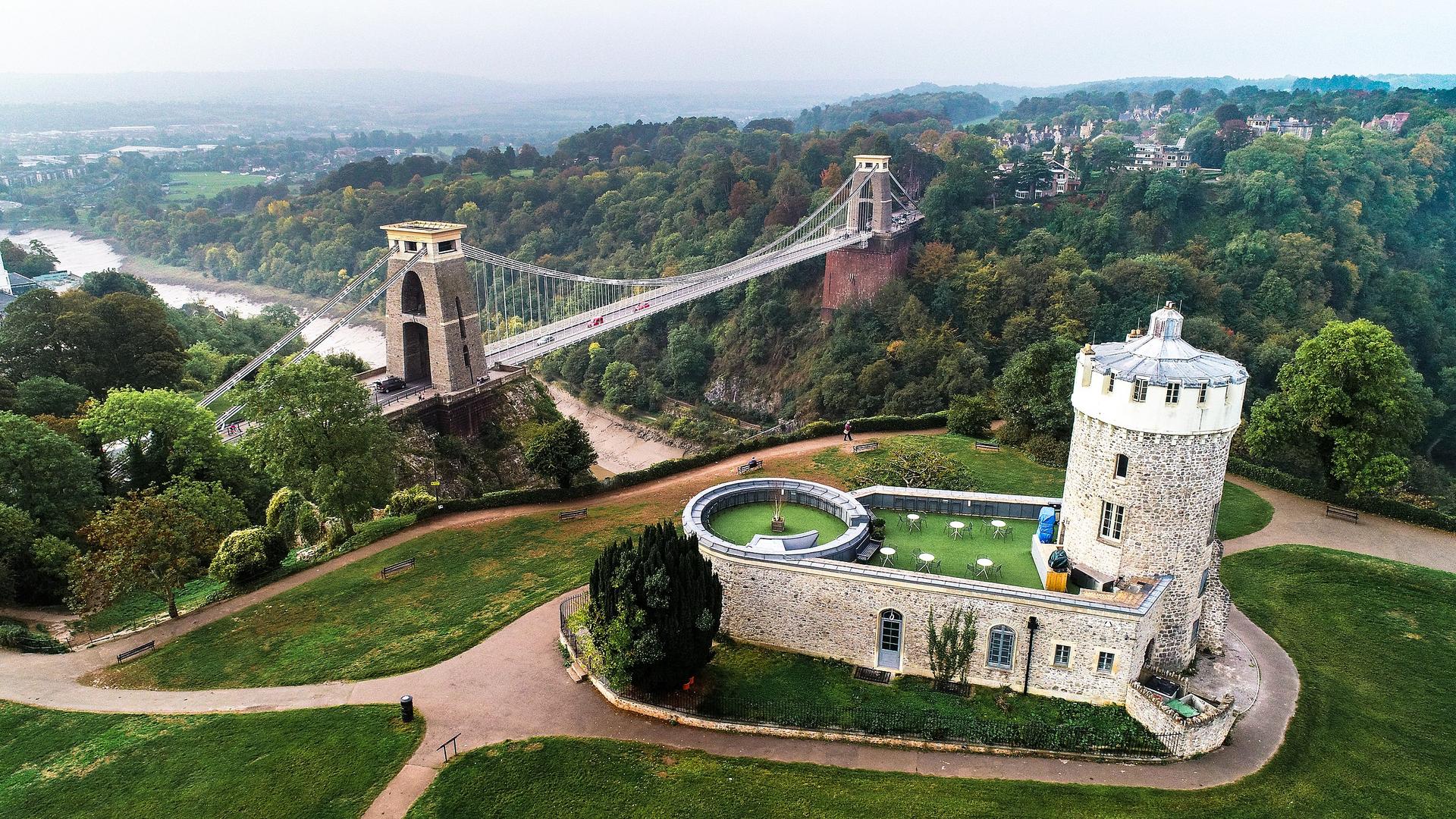
Discover Bristol: A dynamic city where historical grandeur meets modern innovation, offering a rich tapestry of culture, art, and maritime heritage.
Tell me more about Bristol