Castle Mound, Cambridge Travel Guide
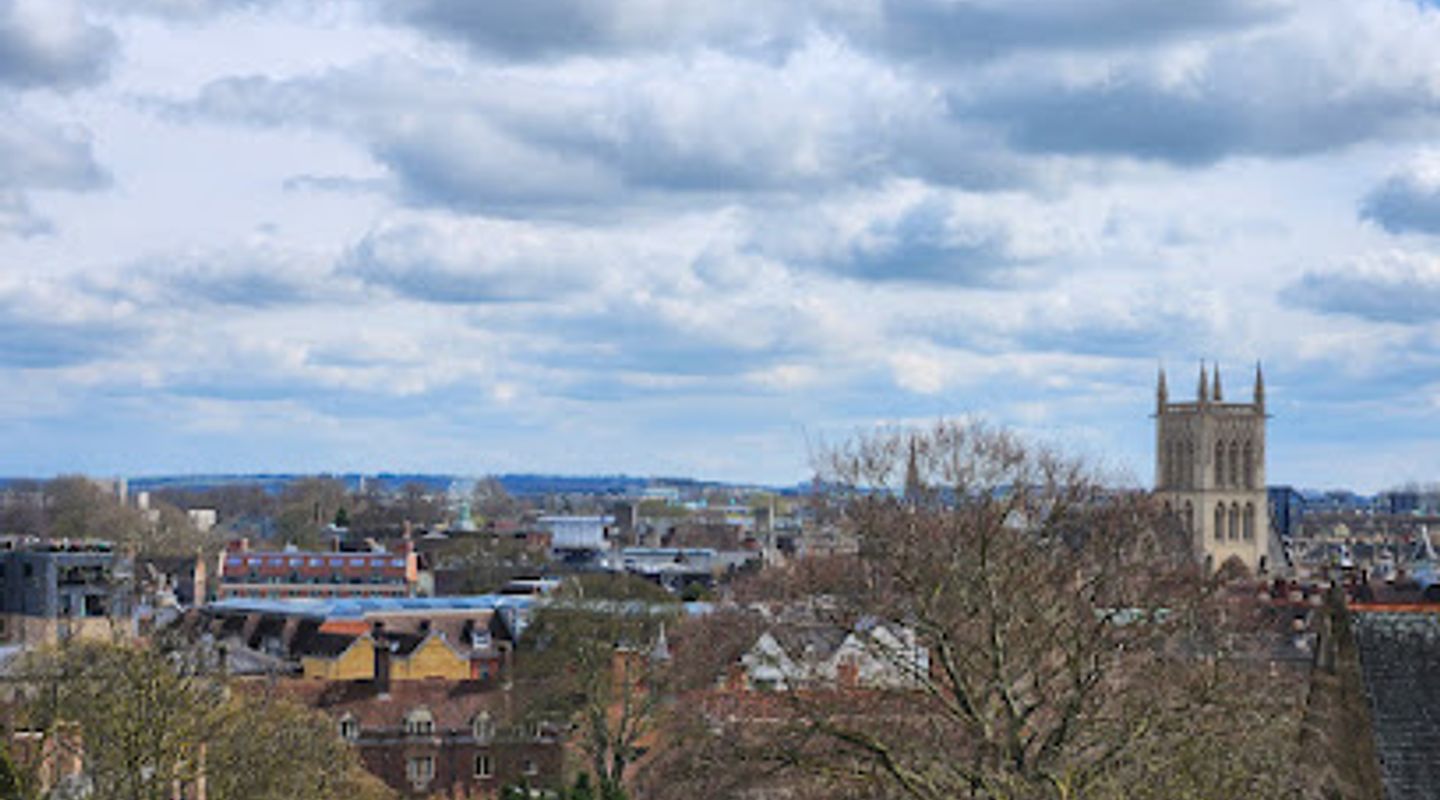
Earthwork remnant of Cambridge Castle offering an elevated view over the city centre rooftops.
Castle Mound stands as a raised earthwork on Castle Street in Cambridge. The site preserves the footprint of a Norman motte and bailey castle built after 1066. A short path leads to the flat summit where visitors gain an open outlook across the city roofs, college towers and surrounding fenland. The mound remains open at all times with no entry fee or facilities on site. The grass slope and gravel path provide straightforward access for most visitors. The location sits within a residential area a short walk from the city centre.
A brief summary to Castle Mound
- Castle St, Cambridge, CB3 0RG, GB
- Click to display
- Click to display
- Duration: 0.25 to 0.75 hours
- Free
-
 Outdoor
- Mobile reception: 4 out of 5

Know before you go
Hi, I'm Eve. Here are a few practical things to know before exploring Castle Mound.
- Wear shoes with grip as the grass slope can be slippery after rain.
- Visit in the late afternoon for softer light and fewer people on the summit.
Do you manage this location?
Take control to get all the benefits, like improved information, better appearance, and stronger visibility across AI-powered discovery. Learn more about listing your business on Evendo
Activate your presenceOther nearby places you may find interesting
The closest places of the same kind, if this one is not quite what you had in mind.


Explore Castle Mound on the Map
A handpicked selection of must-see spots near Castle Mound, mapped for you.
Unlock the Best of Castle Mound
Buy tickets
-
No tickets available
Book tours with entry
-
No tours available
Book tours without entry

Getting There
-
On Foot
Fifteen-minute walk from Cambridge city centre via Bridge Street and Castle Street.
-
Public Transport
Bus stops on Castle Street serve routes from the railway station in approximately ten minutes.
Discover more about Castle Mound
Physical Setting and Layout
Castle Mound occupies a compact raised area on the northern edge of central Cambridge. The earthwork measures roughly 20 metres in height with a level top approximately 30 metres across. A gravel path circles the base and climbs the slope on the southern side. Grass covers the mound while scattered trees line the lower perimeter. The surrounding streets contain a mix of terraced houses and university buildings.Historical Context
The mound formed the central feature of Cambridge Castle, constructed shortly after the Norman conquest. The castle served as a defensive and administrative centre for several centuries before falling into disuse. Only the earthwork survives today. Information boards at the base outline the castle's timeline without interpretive facilities on the summit itself.Visitor Experience
Most visitors reach the mound on foot from the city centre in under fifteen minutes. The climb takes two to three minutes on a moderate gradient. At the top the space remains open with no seating or shelter. The primary activity is standing or sitting on the grass to view the city skyline. The site sees steady foot traffic during daylight hours but rarely feels crowded.Practical Considerations
No restrooms, water points or food outlets exist on the mound. The nearest public facilities lie in the adjacent streets or within a short walk toward the market square. The grass surface can become slippery after rain. Mobile reception remains reliable across the site.Seasonal and Daily Patterns
The mound receives its highest numbers between late morning and mid-afternoon on weekdays and weekends. Evenings stay quiet once daylight fades. Summer months bring the largest numbers of visitors while winter visits remain sparse but still possible given the 24-hour access.












Your all‑in‑one travel companion app
Explore expert travel guides, compare and book tours, experiences, hotels, and more—all from the palm of your hand. Download now for seamless trip planning wherever your wanderlust takes you.


Explore More of Cambridge
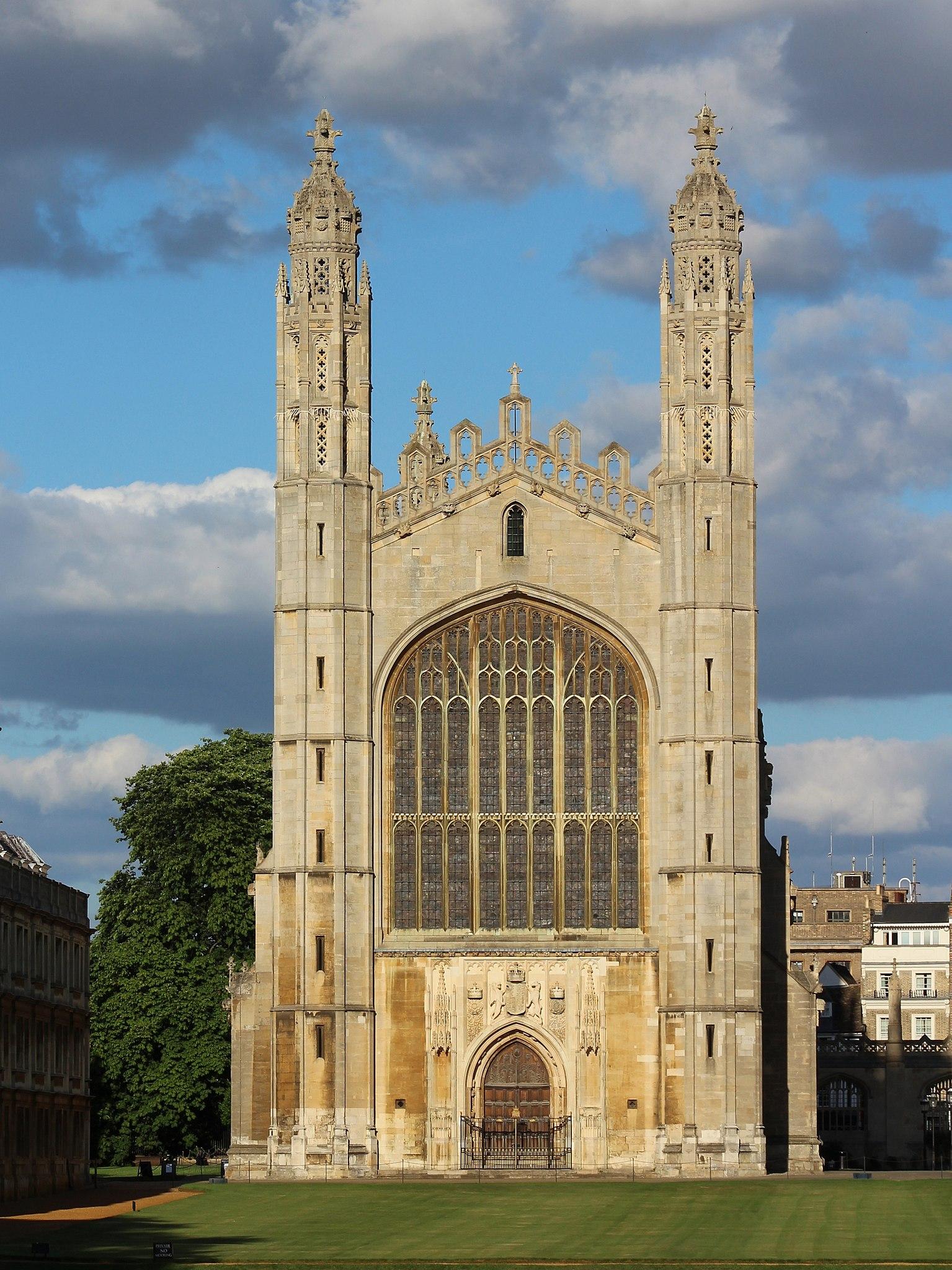
Looking beyond Castle Mound? Discover Cambridge for broader travel guides, local hot-spots, and regional highlights.
Explore Cambridge
Discover unique handmade crafts and local artistry every Saturday in the tranquil All Saints Garden, Cambridge’s charming outdoor market.
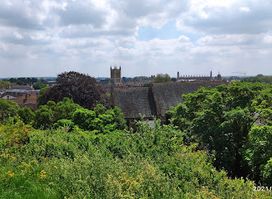
Explore the ancient Norman Castle Mound in Cambridge, a historic earthwork offering panoramic city views and a glimpse into centuries of English history.