

Cardiff Arms Park, Cardiff Travel Guide
Historic rugby stadium in Cardiff’s heart, blending rich heritage with vibrant sporting culture and modern facilities.
Cardiff Arms Park, located on Westgate Street in Cardiff, is a historic rugby stadium with roots dating back to the 1870s. It has been the home of Cardiff Rugby and hosted iconic matches including the first floodlit rugby game. Once featuring a cricket ground, it evolved into a premier rugby venue adjacent to the Principality Stadium, blending rich sporting heritage with modern upgrades like a 3G pitch.
A brief summary to Cardiff Arms Park
- Westgate St, Cardiff, CF10 1JA, GB
- Click to display
- Click to display
- Duration: 1 to 3 hours
- Mid ranged
-
 Outdoor
- Mobile reception: 4 out of 5

Know before you go
Hi, I'm Eve. Here are a few practical things to know before exploring Cardiff Arms Park.
- Visit the Cardiff Rugby Museum online to explore the rich history and legendary players associated with the Arms Park.
- Check match schedules in advance to experience the lively atmosphere during Cardiff Rugby games.
- Explore nearby Principality Stadium to appreciate the contrast between the historic Arms Park and modern stadium architecture.
Do you manage this location?
Take control to get all the benefits, like improved information, better appearance, and stronger visibility across AI-powered discovery. Learn more about listing your business on Evendo
Activate your presenceOther nearby places you may find interesting
The closest places of the same kind, if this one is not quite what you had in mind.
Explore Cardiff Arms Park on the Map
A handpicked selection of must-see spots near Cardiff Arms Park, mapped for you.
Unlock the Best of Cardiff Arms Park
Buy tickets
-
No tickets available
Book tours with entry
-
No tours available
Book tours without entry

Getting There
-
Train
From Cardiff Central Station, a 10-15 minute walk along well-signposted urban streets leads to Cardiff Arms Park. The station is served by frequent trains from across Wales and England, with tickets ranging from £5 to £15 depending on origin.
-
Bus
Multiple Cardiff Bus routes stop near Westgate Street, including routes 1, 2, and 8. Buses run every 10-20 minutes from Cardiff city center and suburbs. A single fare costs approximately £2.50, with day passes available.
-
Car
Driving to Cardiff Arms Park is possible with several nearby parking garages, but street parking is limited and often restricted on match days. Expect to pay £5-£10 for parking within a 10-minute walk. Traffic congestion is common during events.
For the on-the-go comforts that matter to you
-
 Restrooms
-
 Drink Options
-
 Food Options
-
 Seating Areas
-
 Trash Bins
-
 Information Boards
Discover more about Cardiff Arms Park
Origins and Early Sporting Legacy
Cardiff Arms Park's origins trace back to the 19th century when the site was a swampy meadow behind the Cardiff Arms Hotel. Named after this hotel, the park became a popular recreational area after the Bute family acquired the land and stipulated its use for sporting and leisure activities. By the late 1800s, the park hosted cricket matches and rugby games, with the first spectator stands erected in 1881-82, designed by renowned architect Archibald Leitch. The site originally featured a cricket ground to the north and a rugby ground to the south, reflecting its multi-sport heritage.Evolution into a Rugby Stronghold
Over the decades, Cardiff Arms Park grew into a central hub for Welsh rugby. The rugby ground was developed extensively, hosting the Wales national team until 1969. Notably, the stadium staged the world’s first floodlit rugby game in 1966, marking a milestone in the sport’s history. The cricket ground was removed in 1969 to make way for a restructured rugby stadium complex, including the National Stadium to the south, which later became the Millennium Stadium. Cardiff Arms Park remained the home of Cardiff Rugby, witnessing legendary players such as Gwyn Nicholls, Gareth Edwards, and Sam Warburton grace its pitch.Architectural and Sporting Highlights
The stadium’s design blends historic and modern elements, with stands evolving from early wooden structures to contemporary facilities. The adjacent Principality Stadium, formerly the Millennium Stadium, complements the Arms Park’s presence in Cardiff’s sporting landscape. Cardiff Arms Park has hosted significant events including the 1958 British Empire and Commonwealth Games and matches in the 1991 Rugby World Cup. Its artificial 3G pitch, installed in 2013, reflects ongoing investment to maintain a high-quality playing surface suitable for rugby and football.Cultural and Community Significance
Beyond professional rugby, the Arms Park serves as a community hub, hosting corporate and local events. The site is owned by Cardiff Athletic Club, which also supports bowls and other sports on the grounds. The rich history of the park is preserved through the Cardiff Rugby Museum, which chronicles the evolution of rugby in Wales and celebrates the achievements of Cardiff Rugby and its players.Setting and Atmosphere
Situated in central Cardiff, the Arms Park offers a vibrant atmosphere on match days, surrounded by the city’s urban energy and close to landmarks like the Principality Stadium. The stadium’s location on Westgate Street makes it an accessible and iconic destination for rugby fans and visitors interested in Welsh sporting heritage.Legacy and Future Prospects
Cardiff Arms Park remains a symbol of Welsh rugby’s enduring legacy. While the professional Cardiff Blues team briefly relocated, they returned to the Arms Park, reaffirming its status as a rugby heartland. Future developments continue to balance preserving historic character with modern sporting demands, ensuring the Arms Park remains a cherished venue for generations to come.












Your all‑in‑one travel companion app
Explore expert travel guides, compare and book tours, experiences, hotels, and more—all from the palm of your hand. Download now for seamless trip planning wherever your wanderlust takes you.


Explore More of Cardiff
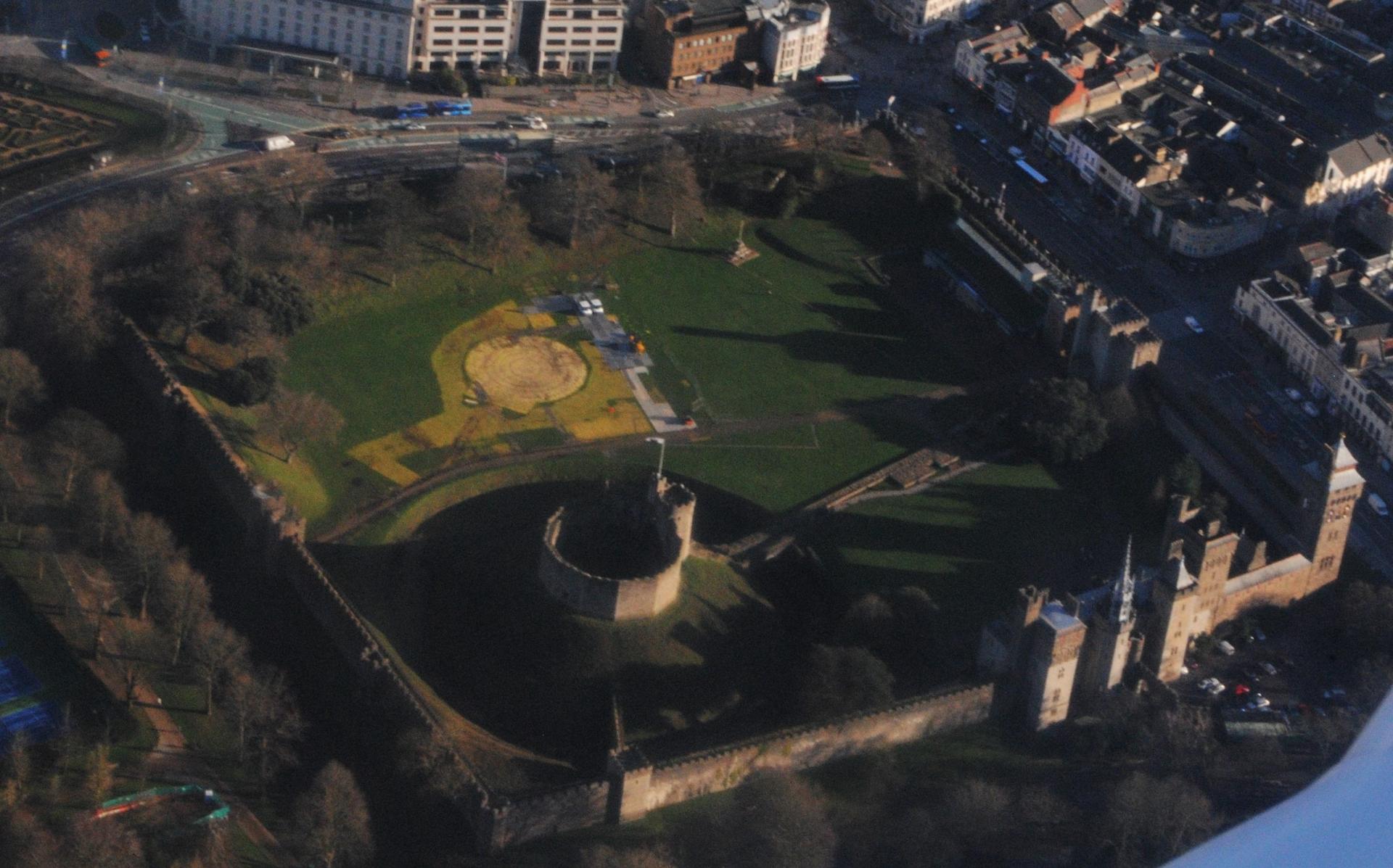
Looking beyond Cardiff Arms Park? Discover Cardiff for broader travel guides, local hot-spots, and regional highlights.
Explore Cardiff
A bustling Victorian indoor market in Cardiff city centre, alive with fresh produce, street food, vintage finds and local character under a grand glass roof.
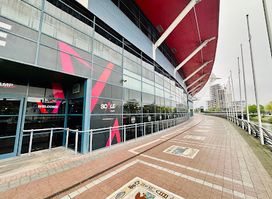
Experience the thrill of climbing Cardiff’s iconic Principality Stadium roof with SCALE—where panoramic views meet sporting legend.
