

James Howell's House
A Victorian mansion that witnessed Cardiff's rise from a merchant's residence to a wartime hospital and cherished historical landmark.
James Howell's House stands as a remarkable Victorian-era residence on The Walk in Cardiff's Roath district. Built around 1896 for James Howell, the visionary founder of the iconic Howells department store, this Grade II listed mansion exemplifies the prosperity and ambition of Cardiff's retail golden age. Originally named Grove House, the property reflects the wealth accumulated by one of Wales's most influential retail pioneers. The house has witnessed Cardiff's transformation from a modest market town into a thriving commercial centre, serving variously as a private residence, hospital, and now as a cherished historical landmark that tells the story of Victorian entrepreneurship and urban development.
A brief summary to James Howell's House
- 1-25 The Walk, Cardiff, CF24 3AF, GB
- Visit website
- Duration: 0.5 to 1.5 hours
- Free
-
 Outdoor
- Mobile reception: 4 out of 5
Local tips
- Visit the nearby Roath Park to combine your historical exploration with a pleasant walk through one of Cardiff's most attractive green spaces, located just a short distance away.
- Research the building's architectural details before your visit to fully appreciate the Victorian craftsmanship and design elements that characterize the structure.
- Check local heritage society websites and Cardiff Council resources for guided tours or special heritage events that may provide deeper insight into the building's history.
- The Walk is a quieter residential street; visit during daylight hours to best appreciate the building's architectural features and surrounding Victorian streetscape.

For the on-the-go comforts that matter to you
- Information Boards
Getting There
-
Bus
Multiple bus routes serve the Roath area near The Walk. Services 2, 3, 8, and 23 provide regular connections from Cardiff city centre, with journey times of 10–15 minutes depending on traffic. Buses run throughout the day with reduced evening and Sunday services. Single fares cost approximately £1.75–£2.50 GBP. The nearest bus stops are on Richmond Road, approximately 150 metres from the property.
-
Walking
From Cardiff city centre, the walk to James Howell's House takes 25–35 minutes depending on your starting point. Head north through the city centre towards the Cathedral Quarter, then continue northeast towards Roath Park. The route is mostly flat with good pavements and passes through residential streets. The final approach via The Walk is a quiet, tree-lined residential street suitable for all abilities.
-
Taxi or Ride-share
Taxis and ride-sharing services operate throughout Cardiff. Journey time from the city centre is typically 8–12 minutes depending on traffic conditions. Estimated fares range from £8–£15 GBP. The property is located on The Walk, which has limited on-street parking; confirm drop-off location with your driver in advance.
-
Car
The Walk is accessible by car from the city centre via Richmond Road. On-street parking is available but limited and subject to local restrictions; check Cardiff Council's parking guidance for current regulations. The journey from the city centre takes 8–12 minutes in light traffic. The property address is 1–25 The Walk, Cardiff CF24 3AF.
James Howell's House location weather suitability
-
 Any Weather
Discover more about James Howell's House
The Visionary Behind the Mansion
James Howell (1835–1909) was a retail pioneer whose ambition reshaped Cardiff's commercial landscape. Beginning with a modest draper's shop in The Hayes in 1865, Howell built an empire that would dominate St Mary Street for generations. His success was extraordinary—within 35 years, his store employed over 400 staff and had expanded across multiple city blocks. The mansion constructed around 1896, originally called Grove House, represented the pinnacle of his achievement and reflected the substantial wealth he had accumulated through shrewd business acumen and an instinctive understanding of urban retail. Howell's vision extended beyond commerce; he was instrumental in shaping Cardiff's identity as a modern, prosperous city.Architectural Significance and Design
Built in the 1890s, James Howell's House exemplifies the confident Victorian architecture favoured by Cardiff's merchant class. The residence showcases the refined aesthetic sensibilities of the era, with period details and craftsmanship that reflect both personal taste and social standing. The property's construction coincided with a period of rapid urban expansion in Cardiff, when successful businessmen invested heavily in grand domestic architecture as symbols of their status and contribution to civic life. The house remains a tangible link to this transformative period, preserving architectural elements and spatial arrangements characteristic of late-Victorian domestic design.From Private Residence to Public Service
Following James Howell's death in 1909, the mansion eventually transitioned from private family residence to institutional use. In 1914, it became home to the Red Cross Hospital, which was later renamed the Prince of Wales Hospital in 1918. During the First and Second World Wars, the facility served a vital purpose, specializing in the treatment of soldiers who had suffered traumatic injuries, particularly limb loss. The hospital evolved over the decades to provide occupational therapy, speech therapy, and other rehabilitative services, serving the community until its closure in 1998. This transformation from domestic to medical space reflects the building's adaptability and its continued importance to Cardiff's civic life across multiple generations.Legacy and Historical Importance
Today, James Howell's House stands as a Grade II listed building, recognized for its architectural merit and historical significance. The property embodies the story of Victorian entrepreneurship, urban development, and the rise of Cardiff as a commercial powerhouse. It represents not only the personal achievement of James Howell but also the broader narrative of how individual enterprise shaped the city's physical and economic landscape. The building's journey from private mansion to hospital to heritage landmark illustrates how structures can serve multiple purposes while retaining their historical integrity. For visitors and residents alike, it offers a tangible connection to Cardiff's prosperous past and the remarkable individuals who built the city's foundations.Iconic landmarks you can’t miss

James Howell's House
0.0 km
Historic landmark in Cardiff celebrating James Howell’s retail legacy and Cardiff’s commercial heritage.
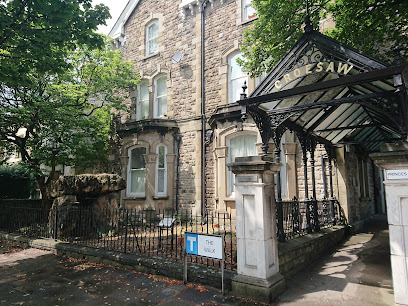
The Gathering - Cardiff
0.3 km
Victorian Neogothic landmark and active faith community in the heart of Cardiff
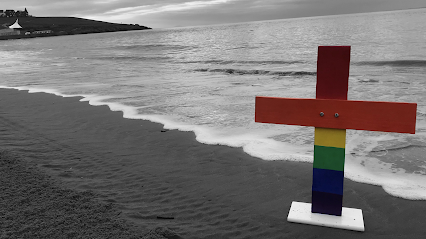
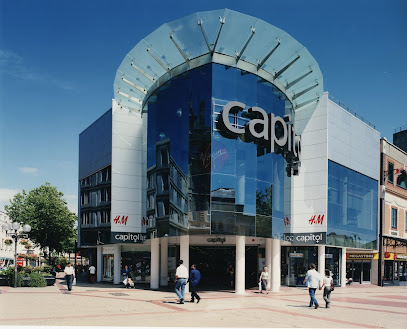
Capitol Cardiff
0.3 km
Discover the heart of Cardiff at Capitol Cardiff, a shopping center offering diverse retail options, dining experiences, and a taste of local culture.
Mountain of Fire & Miracles Ministries Cardiff.
0.3 km
A dynamic Christian church in the Capitol Shopping Centre, offering daily worship, prayer, and community in the heart of Cardiff.
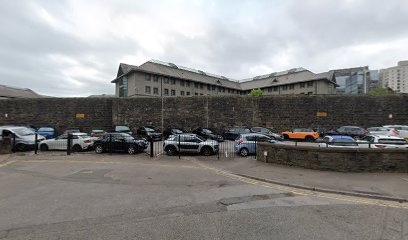
HMP Cardiff
0.5 km
Discover the rich history and architectural significance of HMP Cardiff, a landmark prison reflecting the evolution of the UK's justice system.
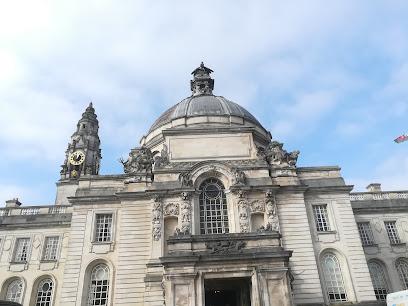
City Hall
0.6 km
Majestic Edwardian Baroque landmark and civic heart of Cardiff, crowned by a striking clock tower with a Welsh dragon.
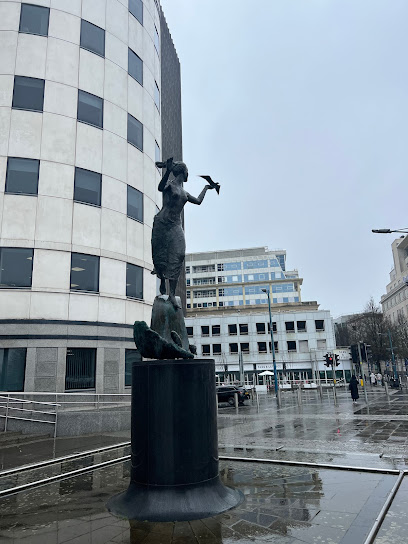
Nereid Statue
0.6 km
A bronze sea nymph offering mythological protection to Cardiff's maritime legacy
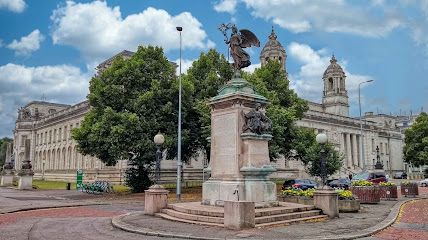
South African War Memorial
0.6 km
A poignant bronze and stone tribute in Cardiff honoring Welsh soldiers who served in the Second Boer War, embodying peace, war, and grief.
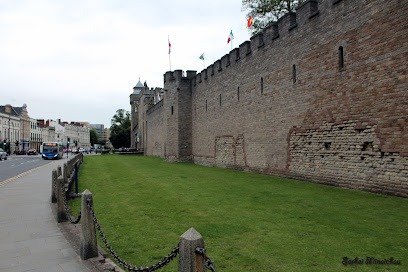
Cardiff Town Wall
0.8 km
Step back into medieval Cardiff with the ancient Town Wall, a striking relic offering history, architecture, and panoramic city views.
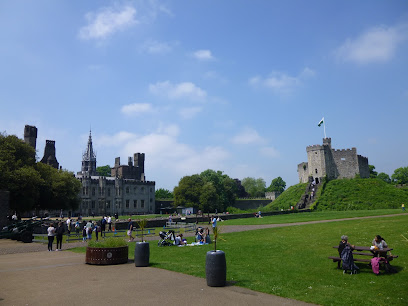
Fogo's Free Tours
0.8 km
Explore the vibrant history and culture of Cardiff with Fogo's Free Tours – an engaging experience for every traveler.
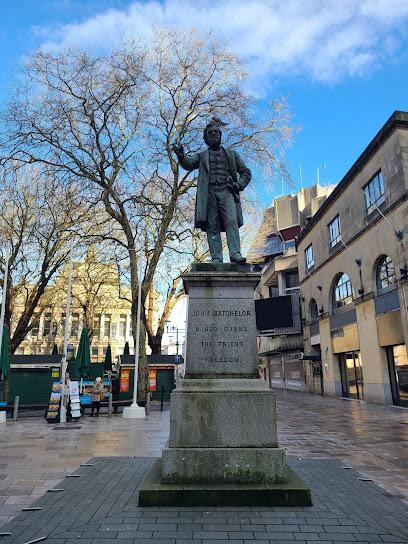
John Batchelor Statue
0.8 km
A Victorian radical immortalised in bronze, standing where Cardiff’s political battles once raged.
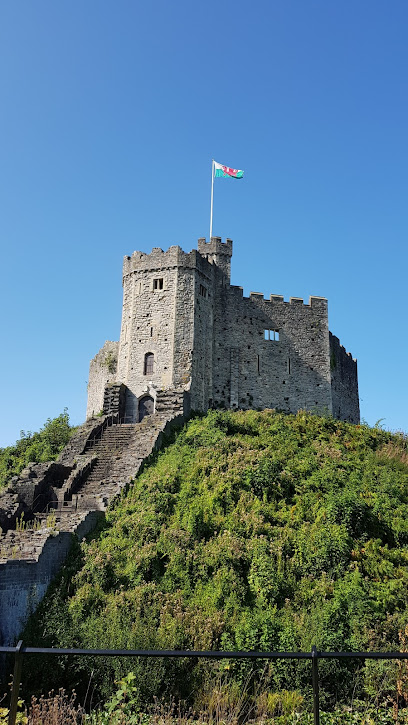
Historical Wales
0.8 km
Explore Historical Wales, a charming gift shop in Cardiff, offering unique souvenirs that embody the rich culture and heritage of Wales.
Animal Wall
1.1 km
Explore the Animal Wall in Cardiff, a historical landmark filled with whimsical animal sculptures that tell the story of the city's rich heritage.
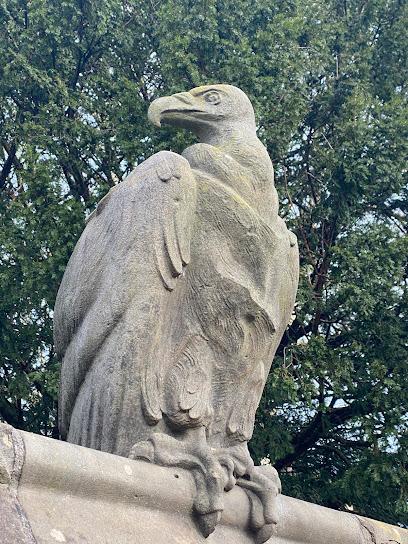
Bute Park
1.1 km
Discover the beauty and tranquility of Bute Park, Cardiff's premier urban park and a hub of culture and nature in the heart of the city.
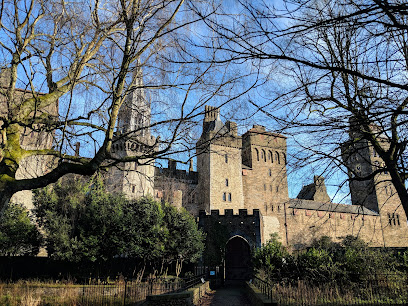
Queen Anne Square
1.1 km
Explore Queen Anne Square in Cardiff: A serene gem filled with history, beautiful architecture, and perfect spots for relaxation and photography.

Unmissable attractions to see

AdventureRooms Escape Games Cardiff
0.4 km
Engage your mind and teamwork skills with immersive escape room adventures in the heart of Cardiff.
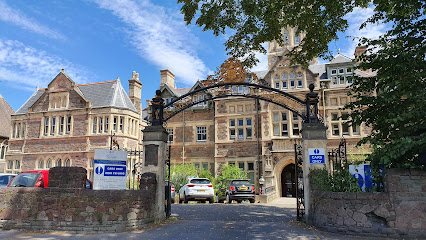
RCCG Kingdom Of God Parish, Cardiff
0.4 km
A vibrant Pentecostal parish in Cardiff blending historic charm with dynamic worship and community spirit.
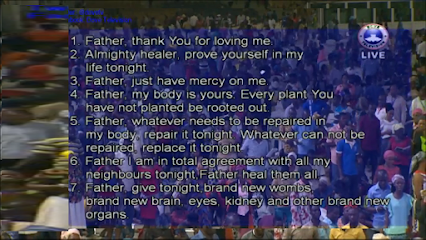
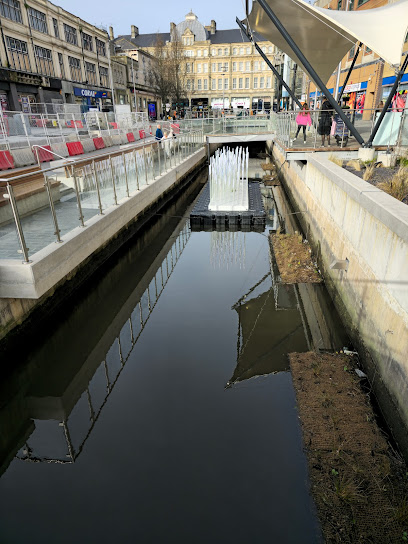
Canal Quarter
0.4 km
Cardiff's revitalized waterfront destination where historic canals meet modern leisure and culture.
New Theatre
0.4 km
Historic Cardiff theatre blending rich heritage with vibrant live performances in a welcoming city centre setting.
Cardiff International Film Festival
0.4 km
Where world cinema meets Welsh culture—a premier festival celebrating global storytelling and filmmaking excellence.
Exitus Escape Rooms
0.4 km
Challenging and immersive escape rooms in Cardiff with themed adventures, friendly hosts, and a lively social atmosphere.
Carousel in Queen Street
0.4 km
A charming and nostalgic carousel delighting families in the heart of Cardiff’s vibrant Queen Street.
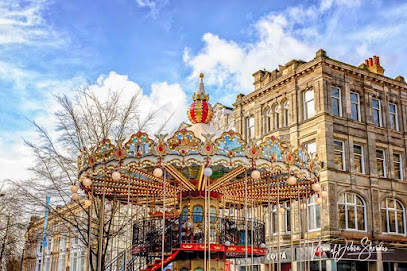
Gorsedd Gardens
0.5 km
Cardiff's tranquil civic heart: historic stones, exotic blooms, and urban serenity.
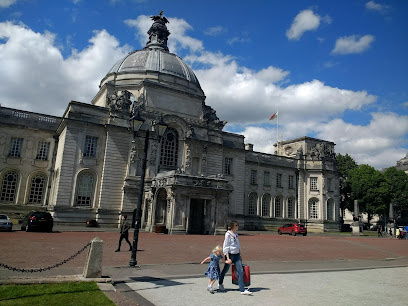
National Museum Cardiff
0.5 km
Explore world-class Welsh art, natural history, and culture at Cardiff’s iconic free museum in the heart of the city.

Queen St
0.5 km
Cardiff’s bustling Queen Street blends historic arcades with modern shopping and vibrant cafés in a lively pedestrian-friendly city centre hub.
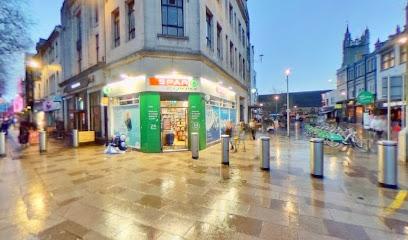
Gorsedd Gardens Rd
0.5 km
Discover Cardiff’s serene Gorsedd Gardens, home to a historic stone circle celebrating Welsh culture amidst vibrant floral beauty.

St David's Metropolitan Cathedral
0.5 km
Historic Gothic Revival cathedral in Cardiff’s city centre, a serene spiritual hub and home to the renowned Metropolitan Cathedral Choir.
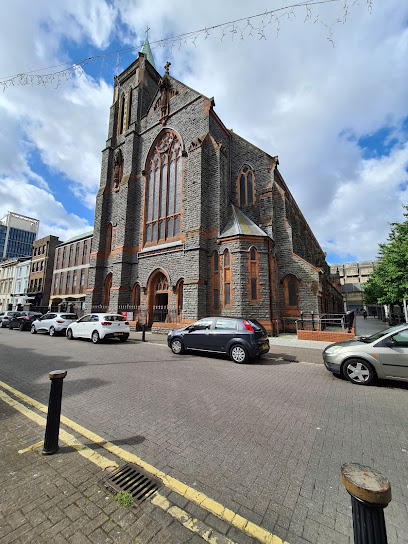
Parc Mackenzie
0.6 km
A tranquil urban park in Cardiff honoring Wales’ first female professor with serene green spaces and academic heritage.
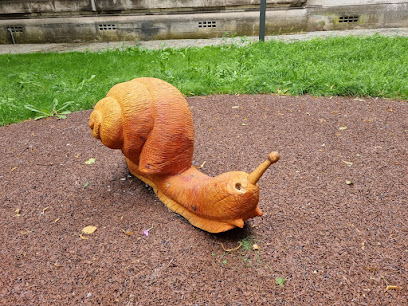
St David’s Dewi Sant
0.6 km
Cardiff’s largest shopping centre with over 160 shops, dining, and entertainment all under one roof in the city centre.
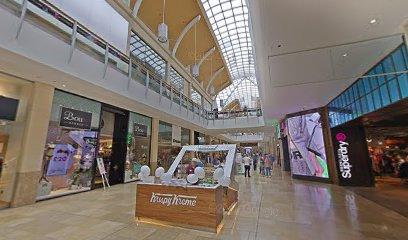
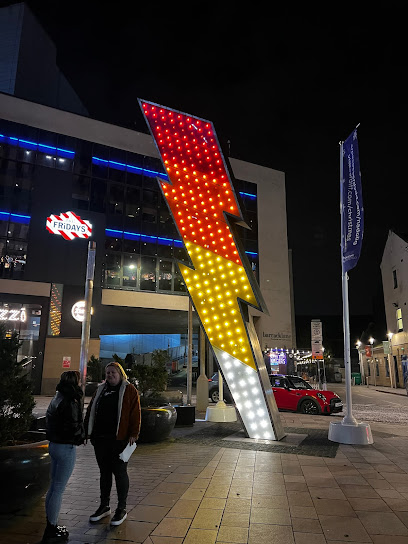
Lightning Bolt
0.7 km
A towering modern art beacon energizing Cardiff’s vibrant St David’s Centre with bold design and urban flair.
Essential places to dine

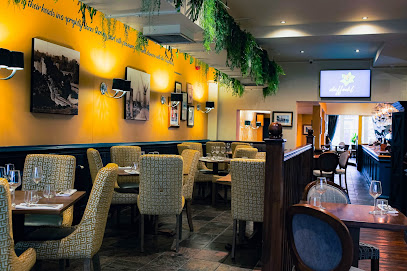
Daffodil
0.2 km
Stylish gastro pub in Cardiff offering seasonal Welsh dishes, creative cocktails, and a serene garden terrace in the city centre.
Giardini di Sorrento
0.3 km
Experience authentic Southern Italian cuisine with warm hospitality and a dog-friendly atmosphere in the heart of Cardiff’s City Road.
Valentino's
0.3 km
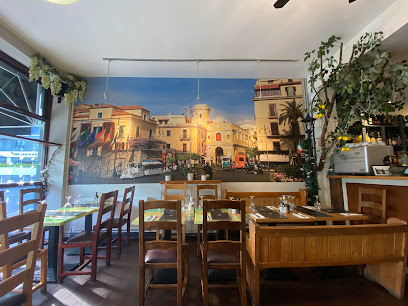
Cozy Italian restaurant in Cardiff city center offering authentic dishes, warm service, and a welcoming atmosphere for all occasions.
Bellini's
0.4 km
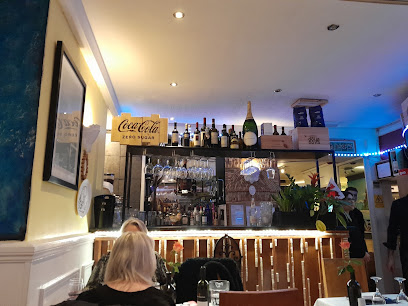
Authentic Italian dining in Cardiff's cultural quarter, celebrated for exceptional service and romantic ambiance.
Shaam nights restaurant
0.4 km
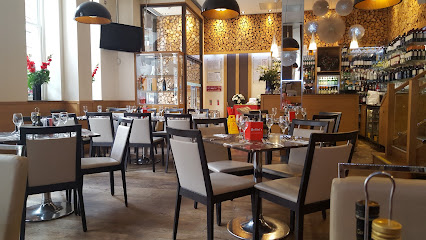
Experience authentic Syrian cuisine and ornate Middle Eastern ambiance in the heart of Cardiff’s vibrant Roath district.
Laguna Kitchen & Bar Cardiff
0.5 km
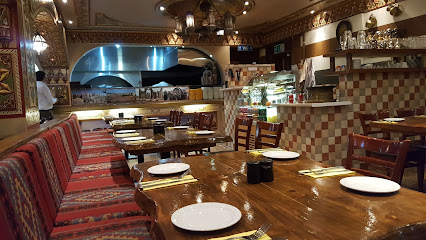
Elegant modern dining with Welsh flair in the heart of Cardiff’s Park Plaza Hotel, featuring seasonal menus and a stylish cocktail bar.
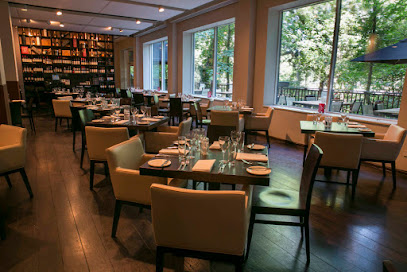
Steak of the Art
0.5 km
A fun, art-filled Cardiff steakhouse serving generous cuts, indulgent sides and strong cocktails in a vibrant city-centre setting.
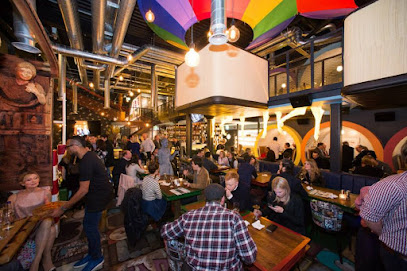
Revolución de Cuba Cardiff
0.6 km
Experience authentic Cuban cuisine and vibrant culture at Revolución de Cuba Cardiff - your gateway to Havana's flavors in the heart of Wales.
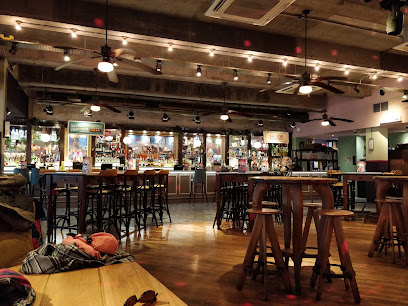
Ciliegino Restaurant
0.7 km
Authentic Sicilian pizza and pasta in Cardiff's premier shopping destination.
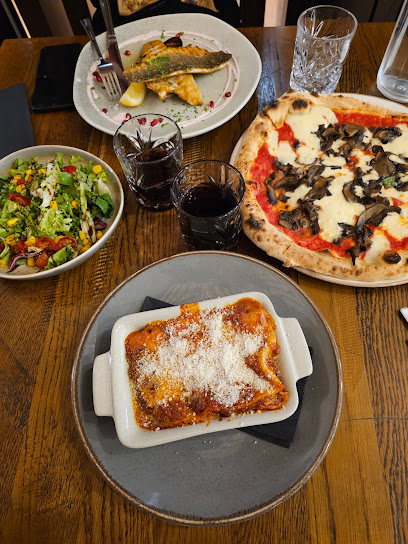
Cosy Club
0.8 km
Chic British dining and all-day drinks in Cardiff’s St David’s Dewi Sant, blending timeless glamour with a welcoming atmosphere.
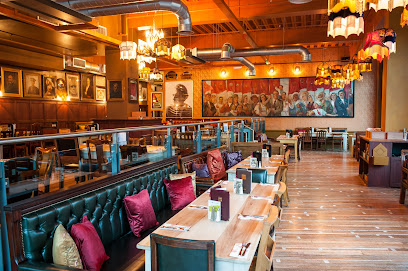
Gaucho Cardiff
0.8 km
Savor premium Argentine steaks and vibrant South American flavors in Cardiff’s sleek, modern steakhouse at St Davids Centre.
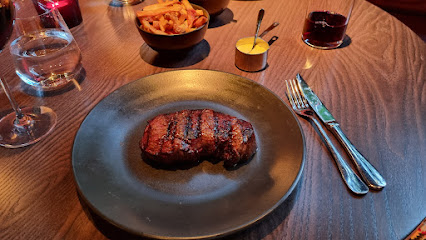
The Smoke Haus
0.8 km
Experience bold American barbecue flavors and hearty portions in the heart of Cardiff’s vibrant St Davids Centre.
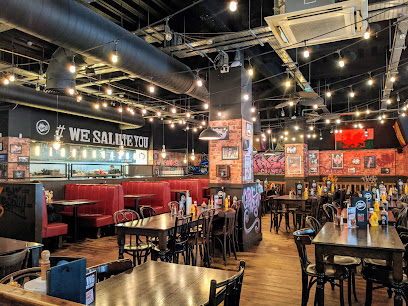
The Botanist Cardiff
0.8 km
A vibrant gastropub in Cardiff city centre where botanical décor, creative cocktails, and live music bloom together.
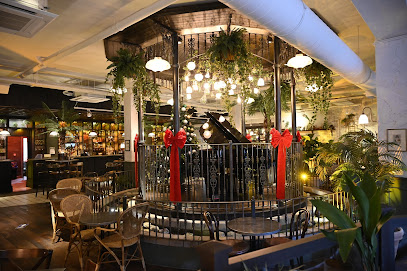
Dirty gnocchi (Cardiff Market)
0.8 km
Savor authentic Italian gnocchi and pasta delights in the vibrant heart of Cardiff Market, where tradition meets street food charm.
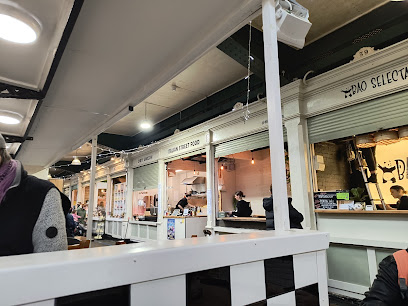
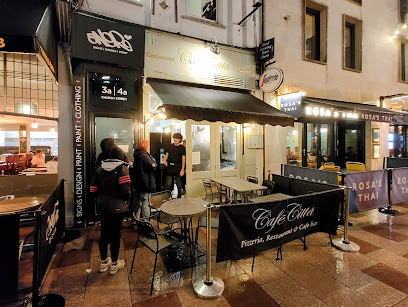
Cafe Citta
0.8 km
Cozy Italian eatery in Cardiff city center serving authentic wood-fired pizzas and pasta in an intimate, stylish setting.
Markets, malls and hidden boutiques

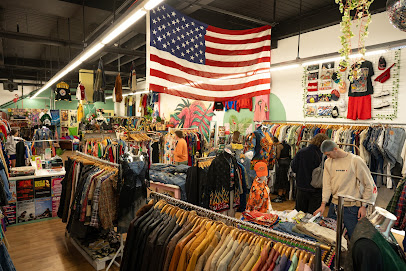
Flamingos Vintage Cardiff
0.3 km
Discover sustainable style and unique vintage treasures by weight at Flamingos Vintage Cardiff in the Capitol Shopping Centre.
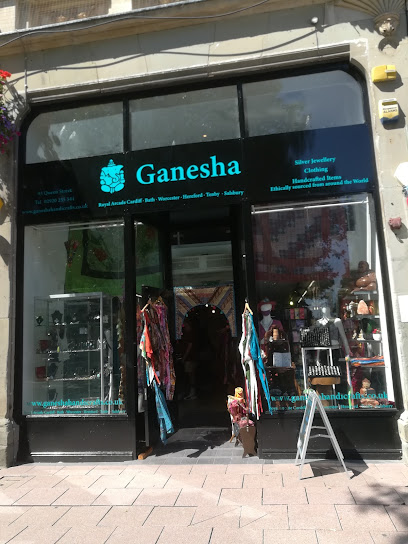
Ganesha
0.4 km
Discover ethically sourced Indian and Nepali handicrafts, jewelry, and vibrant clothing in the heart of Cardiff's Queen Street shopping scene.
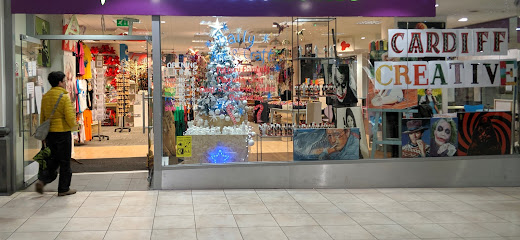
Cardiff Creative Shop
0.5 km
A vibrant Cardiff gift shop showcasing handmade crafts and designs by local Welsh artists in the heart of the city centre.
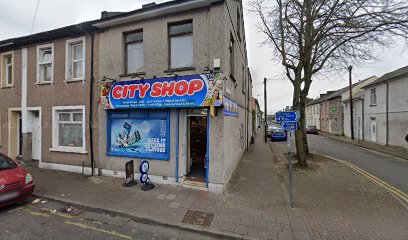
City Shop
0.6 km
Discover Cardiff's City Shop, your convenient destination for essentials, snacks, and local treats in the heart of the city.
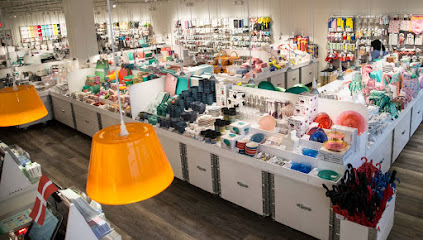
Flying Tiger
0.6 km
Discover quirky Scandinavian gifts and creative everyday essentials at Flying Tiger in Cardiff’s St David's Centre.
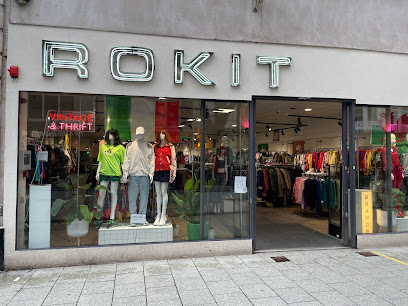
Rokit Cardiff
0.7 km
Discover unique vintage fashion and sustainable style at Rokit Cardiff, where retro charm meets eco-conscious shopping in the heart of the city.
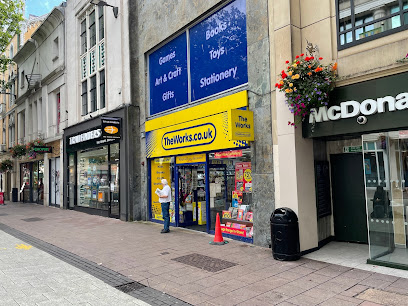
The Works
0.7 km
Affordable books, crafts, toys, and stationery in the heart of Cardiff’s vibrant Queen Street shopping district.
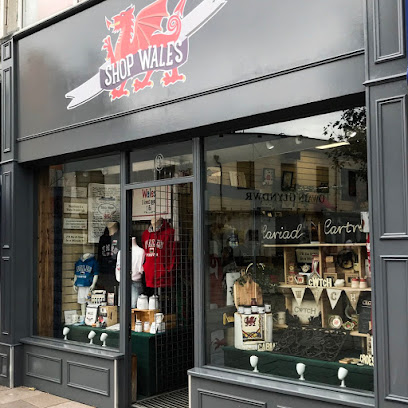
Little Welsh Company
0.7 km
Discover Cardiff's premier independent shop for authentic Welsh gifts, blending tradition with modern charm since 2003 on lively St John Street.
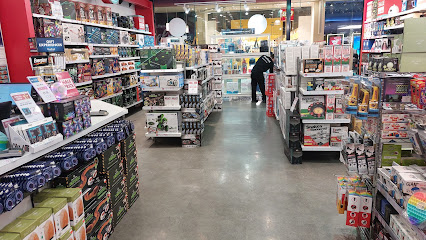
Menkind
0.7 km
Discover quirky gadgets and unique gifts for men at Menkind Cardiff, nestled in the vibrant St David's Shopping Centre.
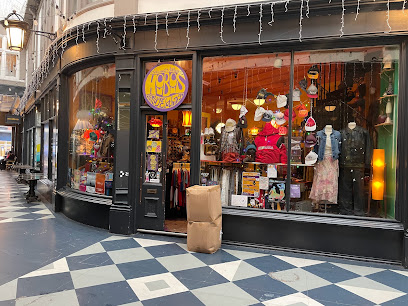
Hobos Vintage
0.8 km
A vibrant Cardiff vintage shop packed with retro fashion, trainers, and accessories from the 1950s to today – perfect for throwback style and bargain finds.
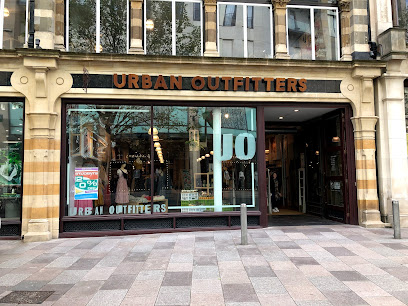
Urban Outfitters
0.8 km
Curated lifestyle retail celebrating creativity, fashion, and cultural expression in Cardiff's city centre.
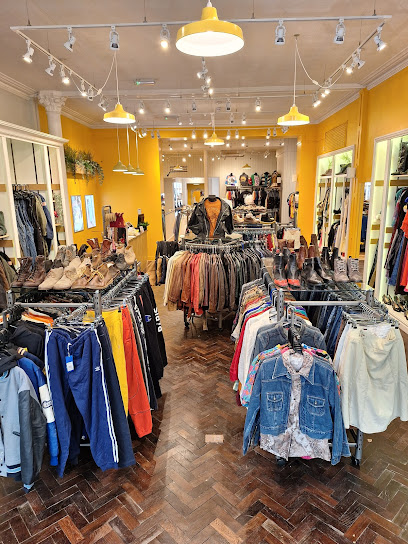
Beyond Retro Cardiff
0.8 km
Discover unique vintage fashion and sustainable style at Beyond Retro Cardiff, nestled in the vibrant St David's Centre.
Knight Vintage
0.8 km
Discover unique vintage fashion treasures and exclusive KV collections in the heart of Cardiff Market’s vibrant historic setting.

Gift shop Cardiff Home 4 You Home goods and craft store
0.8 km
Uncover eclectic home goods, crafts, and jewelry in Roath's charming Gift Shop Cardiff Home 4 You – where style meets affordability on Albany Road.
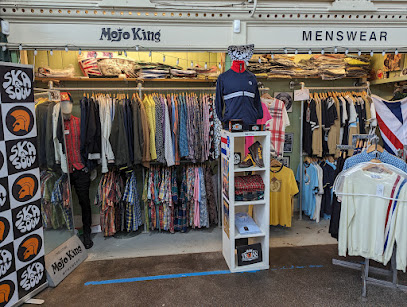
Mojo King
0.8 km
Discover smart, affordable Mod and Northern Soul-inspired men's fashion at Mojo King, a unique gem in Cardiff Indoor Market.
Essential bars & hidden hideouts

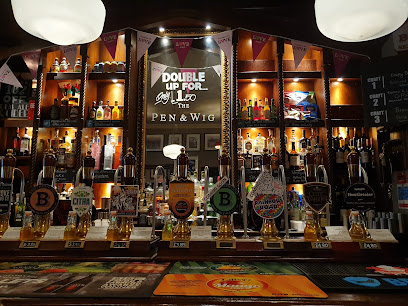
Pen & Wig
0.4 km
Traditional Cardiff pub haven: award-winning pies, real ales, and a heated beer garden moments from Queen Street's energy.
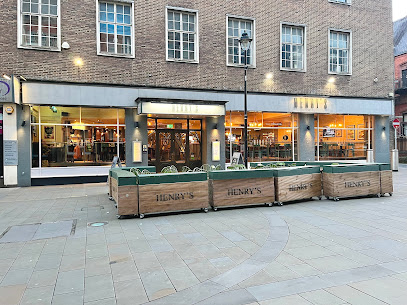
Henry's Cafe Bar Cardiff
0.4 km
A relaxed, long-standing Park Place bar offering cocktails, local beers and approachable British food from brunch through late-night.
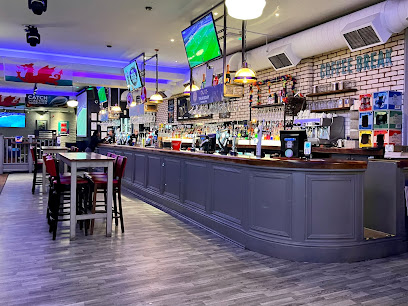
Yates - Cardiff
0.5 km
Lively sports bar and nightclub in Cardiff city centre with unbeatable sports coverage, great drinks, and a unique dancing doorman.
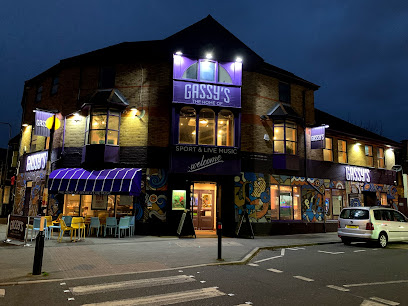
Gassy's
0.5 km
A lively Cathays pub and kitchen offering affordable pub food, strong vegan choices, bottomless brunch and regular quizzes, live music and sports screenings.
The Vulcan Lounge
0.6 km
Boho pub vibes, craft pours, and hearty bites in Cardiff's student heartland – unwind with ales, pizzas, and pool in this eclectic Cathays lounge.
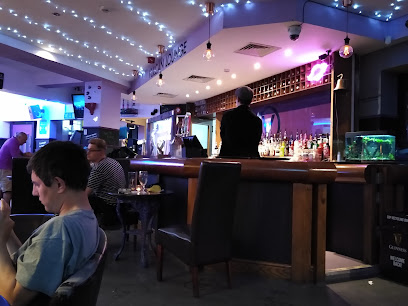
Slug & Lettuce - The Friary Cardiff
0.6 km
A lively, multi-level cocktail bar and casual-restaurant on The Friary — made for groups, brunch and evening drinks in central Cardiff.
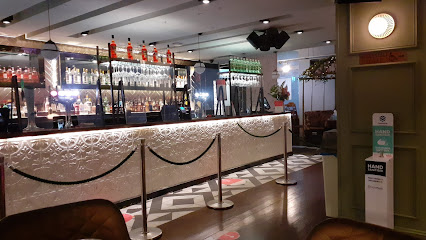
The Dead Canary
0.6 km
Discover Cardiff’s secret cocktail haven where mythical-inspired drinks meet vintage charm in an intimate, expertly crafted experience.
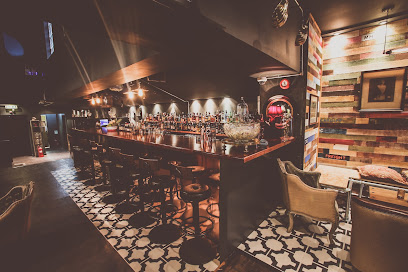
The Live Lounge Cardiff
0.6 km
Cardiff’s lively hotspot for live music, affordable eats, and vibrant nightlife until 4am every day.
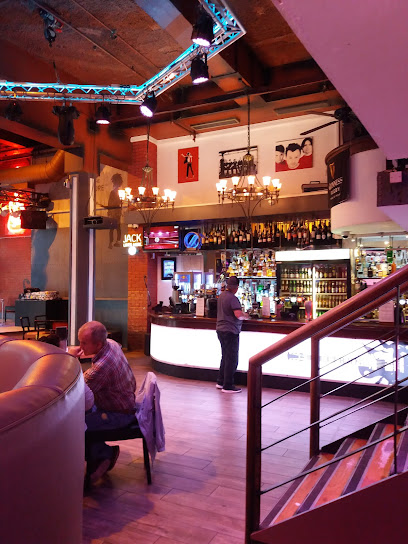
Glassworks
0.9 km
Lively Cardiff pub offering classic British fare, a vibrant atmosphere, and a welcoming spot for locals and visitors alike.
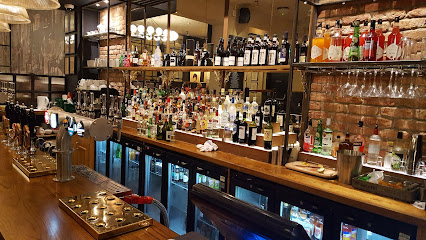
The Royal George
0.9 km
Historic Roath pub at 'Death Junction'—live sports, student deals, and community vibes in a Victorian V-shaped gem.
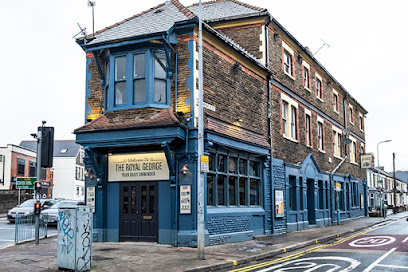
Flight Club Cardiff
0.9 km
Experience the thrill of Social Darts® and vibrant city nightlife at Flight Club Cardiff’s unique multi-level bar and rooftop terrace.
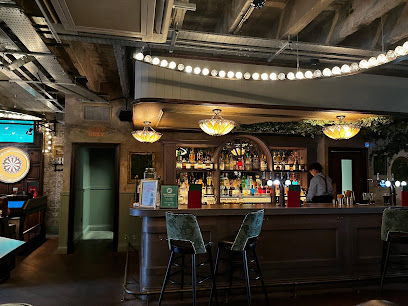
The Libertine Cocktail Bar
0.9 km
A stylish Cardiff cocktail bar blending gothic charm with expertly crafted drinks and a lively city center vibe.
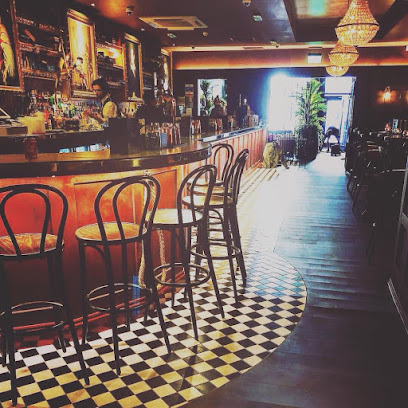
Lab 22
0.9 km
Discover Cardiff’s award-winning Lab 22, where science meets cocktail artistry in a stylish, innovative, and immersive bar experience.
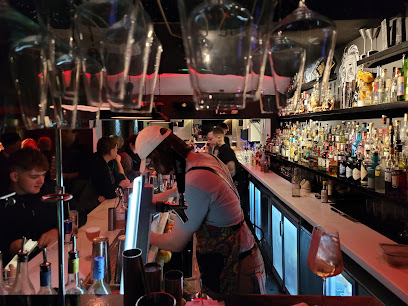
Rum & Fizz
0.9 km
Discover Cardiff’s rum haven with over 200 rums, crafted cocktails, cozy elegance, and live jazz every Friday in Castle Arcade.
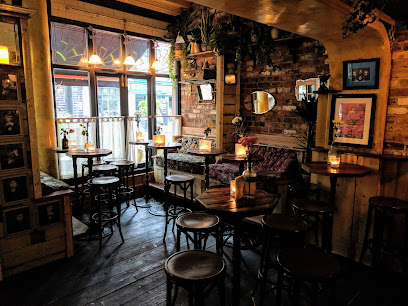
Penny
0.9 km
Discover Cardiff’s intimate cocktail haven with innovative drinks, expert bartenders, and a stylish, welcoming atmosphere at Penny.
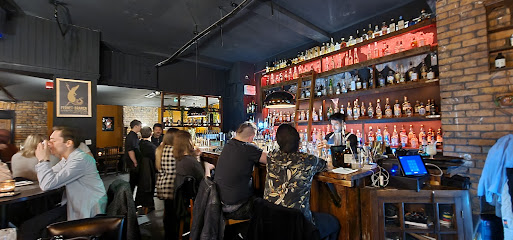
Nightclubs & after hour spots

Pulse
0.4 km
A city-centre LGBTQ+-friendly bar that becomes a neon-lit nightclub after dark, blending casual daytime dining with late-night DJs and themed club nights.
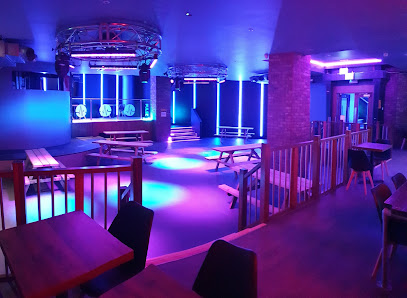
CIRCUIT Cardiff
0.5 km
Cardiff's largest nightclub ignites Greyfriars Road with 1,500-capacity energy, state-of-the-art production across themed rooms, and epic nights from club beats to private spectacles.
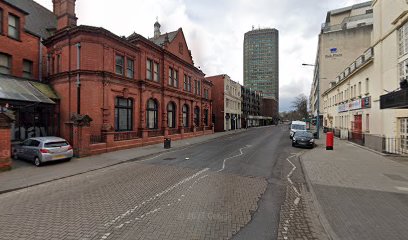
Tiger Tiger Cardiff
0.5 km
A dynamic nightclub with themed rooms and diverse bars offering a vibrant nightlife experience in the heart of Cardiff.
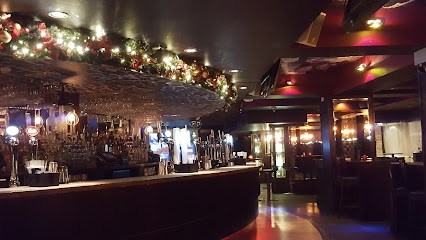
The CUBE
0.5 km
Cardiff’s vibrant nightclub hotspot offering dynamic music, dancing, and an electric atmosphere in the heart of the city.
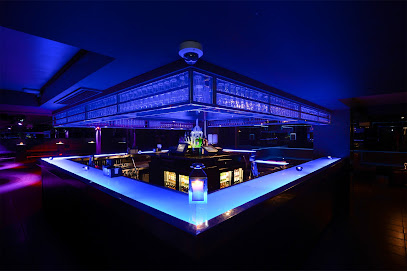
For Your Eyes Only
0.8 km
Elegant and vibrant dance club in Cardiff’s city centre offering stylish interiors, live entertainment, and a lively nightlife atmosphere.
Metros
0.9 km
Cardiff's alternative nightclub haven: cheap drinks, eclectic DJs, and non-stop rock, ska, and indie beats fueling wild weekends till 4am.

Popworld - Cardiff
0.9 km
Dive into cheesy pop heaven at Popworld Cardiff—karaoke, half-price drinks, and dance floor anthems until 3am on vibrant St Mary Street.
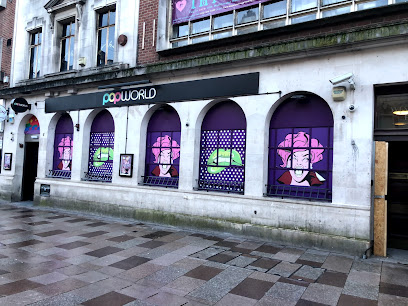
Clwb Ifor Bach
1.0 km
Cardiff's gritty Welsh club heart: live music legends, late-night dances, and cultural rebellion on historic Womanby Street since 1983.
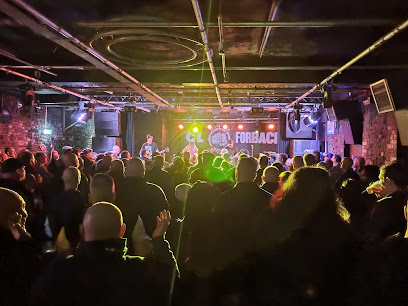
Fuel Rock Club
1.0 km
Cardiff's unyielding rock fortress on Womanby Street: live metal mayhem, cheap drinks, and a beer garden for the faithful.
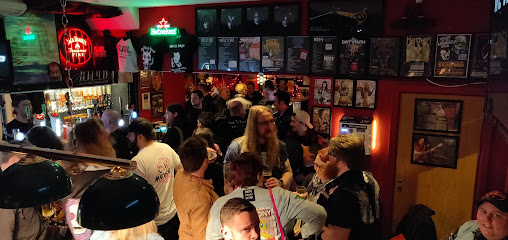
Dirty Martini - Cocktail Bar in Cardiff
1.0 km
Experience Cardiff's nightlife at Dirty Martini, the ultimate cocktail bar with expertly crafted drinks and a vibrant atmosphere.
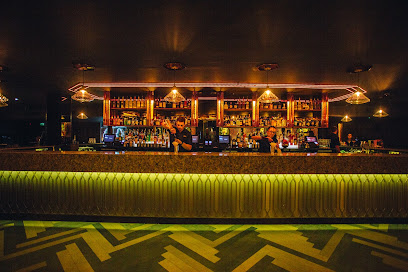
The Globe
1.1 km
A compact Grade II-listed former cinema turned lively live-music venue and nightclub, famed for intimate gigs and energetic club nights on Albany Road.
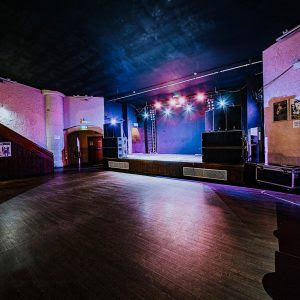
Walkabout - Cardiff
1.1 km
Discover the ultimate sports bar experience in Cardiff, offering vibrant nightlife, delicious food, and live sports in a lively atmosphere.
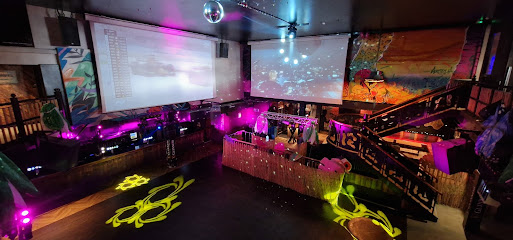
The Vaults
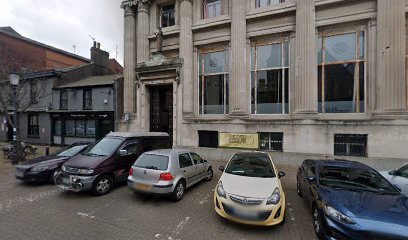
2.2 km
Dive into Cardiff’s iconic underground club housed in a historic former bank, where techno beats and vibrant nightlife come alive beneath the city streets.
Cabaret at Wales Millennium Centre
2.4 km
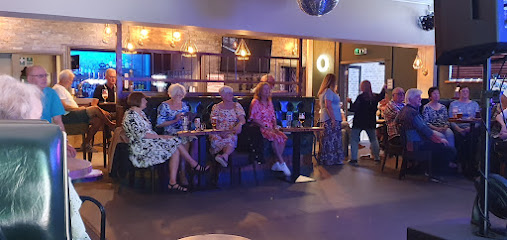
Dive into Cardiff Bay's sizzling hub of drag, burlesque, comedy, and live music at Cabaret – where inclusive performances sparkle with pop culture magic and high-energy fun.

Coco Cubanas
12.3 km
Experience the vibrant weekend nightlife and energetic dance scene at Coco Cubanas, Barry’s premier late-night club on Broad Street.
For the vibe & atmosphere seeker
- Romantic
- Scenic
- Unique
For the design and aesthetic lover
- Vintage Styles
- Rustic Designs
For the architecture buff
- Historic
- Landmarks
- Heritage Neighborhoods
For the view chaser and sunset hunter
- Iconic Views
For the social media creator & influencer
- Architectural Shots
- Photo Spots
For the eco-conscious traveler
- Protected Area
For the kind of experience you’re after
- Cultural Heritage
- Myth & Legends
- Day Trip
For how adventurous you want the journey to be
- Easy Access
Location Audience
- Family Friendly
- Senior Friendly
- Solo Friendly
- Couple Friendly
- Wheelchair Access


