
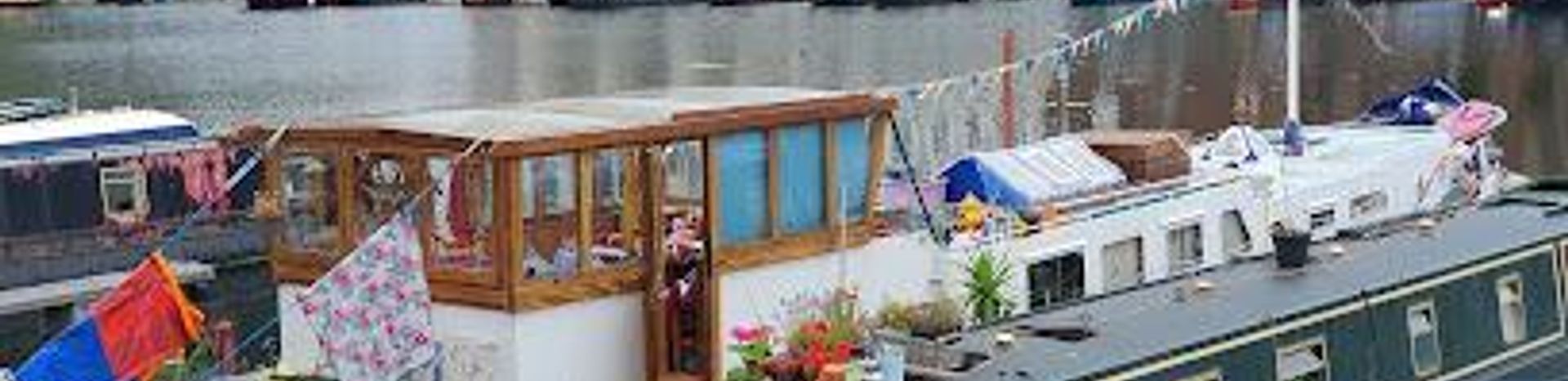
Salthouse Quay: Liverpool’s Historic Maritime Gateway
Historic Liverpool waterfront quay blending maritime heritage, scenic views, and vibrant dockside culture.
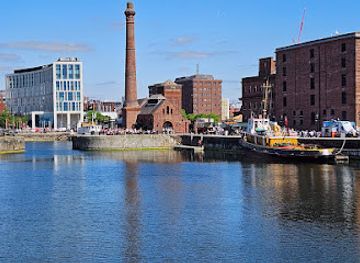
Salthouse Quay is a scenic waterfront area in Liverpool, forming part of the historic dock system along the River Mersey. Known for its rich maritime heritage, it connects to the Royal Albert Dock complex and offers stunning views of Liverpool’s waterfront architecture. Once a key transit terminal for the salt trade, the quay today is a vibrant spot blending history with modern leisure and boating activities.
A brief summary to Salthouse Quay
- Liverpool, GB
- Duration: 0.5 to 2 hours
- Free
-
 Outdoor
- Mobile reception: 4 out of 5
Local tips
- Visit during daylight hours to fully appreciate the historic dock architecture and waterfront views.
- Combine your visit with a walk around the Royal Albert Dock complex for museums, dining, and shopping.
- Bring a camera for excellent photo opportunities of the dock’s historic structures and Liverpool’s skyline.
- Check local event calendars as the nearby docks often host festivals and cultural activities.

Do you manage this location?
Take control to get all the benefits, like improved information, better appearance, and stronger visibility across AI-powered discovery. Learn more
Activate your presence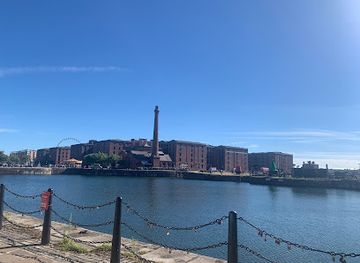
Getting There
-
Train
Take a train to Liverpool Lime Street Station, approximately 15 minutes from the city center by foot to Salthouse Quay. The station is well connected with frequent services from regional and national lines. Walking routes from the station are flat and accessible.
-
Bus
Multiple bus routes serve stops near the Royal Albert Dock area, including routes 82 and 86. Buses run every 10-20 minutes from Liverpool city center, with a journey time of about 15-25 minutes. Some routes may have limited service on Sundays.
-
Taxi or Rideshare
Taxis and rideshare services can drop you directly at Salthouse Quay from anywhere in Liverpool. Typical journey times from the city center range from 5 to 15 minutes depending on traffic, with fares usually between £5 and £10.
For the on-the-go comforts that matter to you
-
 Restrooms
-
 Drink Options
-
 Food Options
-
 Seating Areas
-
 Information Boards
Salthouse Quay location weather suitability
-
 Any Weather
-
 Clear Skies
-
 Mild Temperatures
-
 Rain / Wet Weather
Discover more about Salthouse Quay
Origins and Historical Significance
Salthouse Quay, originally known as South Dock, was constructed in the mid-18th century and completed in 1753. Designed initially by Thomas Steers and finished by Henry Berry, it earned its name from the nearby saltworks operated by John Blackburne. The quay played a crucial role in Liverpool’s salt industry, serving as a transit hub for rock salt refined in Cheshire and facilitating the transport of agricultural goods from Ireland and the Mediterranean. Over time, it became an integral part of Liverpool’s bustling dock network, supporting the city’s growth as a major maritime port.Architectural and Structural Features
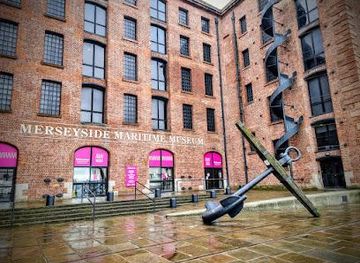
The dock’s masonry, some of which dates back to the original 18th-century construction, remains a testament to Liverpool’s industrial heritage. Notably, a granite stone gable and arch entrance from a mid-19th-century transit shed built by Jesse Hartley still stand at the dock’s southeast corner. The dock walls are Grade II listed, highlighting their historical and architectural importance. Renovations in the 1850s enhanced the dock’s capacity, allowing ships unloaded at the adjacent Albert Dock to be loaded here, further boosting the dock area’s commercial activity.Modern-Day Setting and Usage
Today, Salthouse Quay forms part of the Royal Albert Dock complex, a vibrant area known for its restaurants, museums, and cultural attractions. The quay offers pontoon moorings for small watercraft, making it popular with boating enthusiasts. The surrounding historic warehouse buildings create a majestic backdrop, and the quay provides scenic views across the Albert Dock and towards Liverpool’s iconic Pier Head. The area is a favored walking and leisure destination, blending the city’s maritime past with contemporary urban life.Connectivity and Surrounding Attractions
Salthouse Quay connects directly to Canning Dock to the north and Wapping Dock via the Wapping Basin to the south, forming part of the southern dock system. It lies close to key Liverpool landmarks such as the Royal Albert Dock, the International Slavery Museum, and the vibrant waterfront area. The quay is also on the route of the Leeds and Liverpool Canal extension, linking it to Liverpool Marina and enhancing its role in the city’s waterways network.Preservation and Cultural Importance
As the oldest surviving dock in Liverpool, Salthouse Quay holds a special place in the city’s heritage. Its Grade II listed dock walls and remaining historic structures are protected as part of Liverpool’s maritime legacy. The quay’s integration into the Royal Albert Dock’s cultural and leisure offerings ensures that it remains a living part of the city’s identity, attracting visitors interested in history, architecture, and waterfront experiences.Atmosphere and Visitor Experience
Visitors to Salthouse Quay can enjoy a peaceful yet lively atmosphere, with the blend of historic dock architecture and modern amenities. The quay’s waterside setting provides a tranquil escape within the city, while the proximity to bustling docks and cultural venues ensures a dynamic experience. It is an excellent spot for photography, leisurely strolls, and appreciating Liverpool’s maritime story through its preserved docklands.Explore the best of what Salthouse Quay has to offer















More about Chester
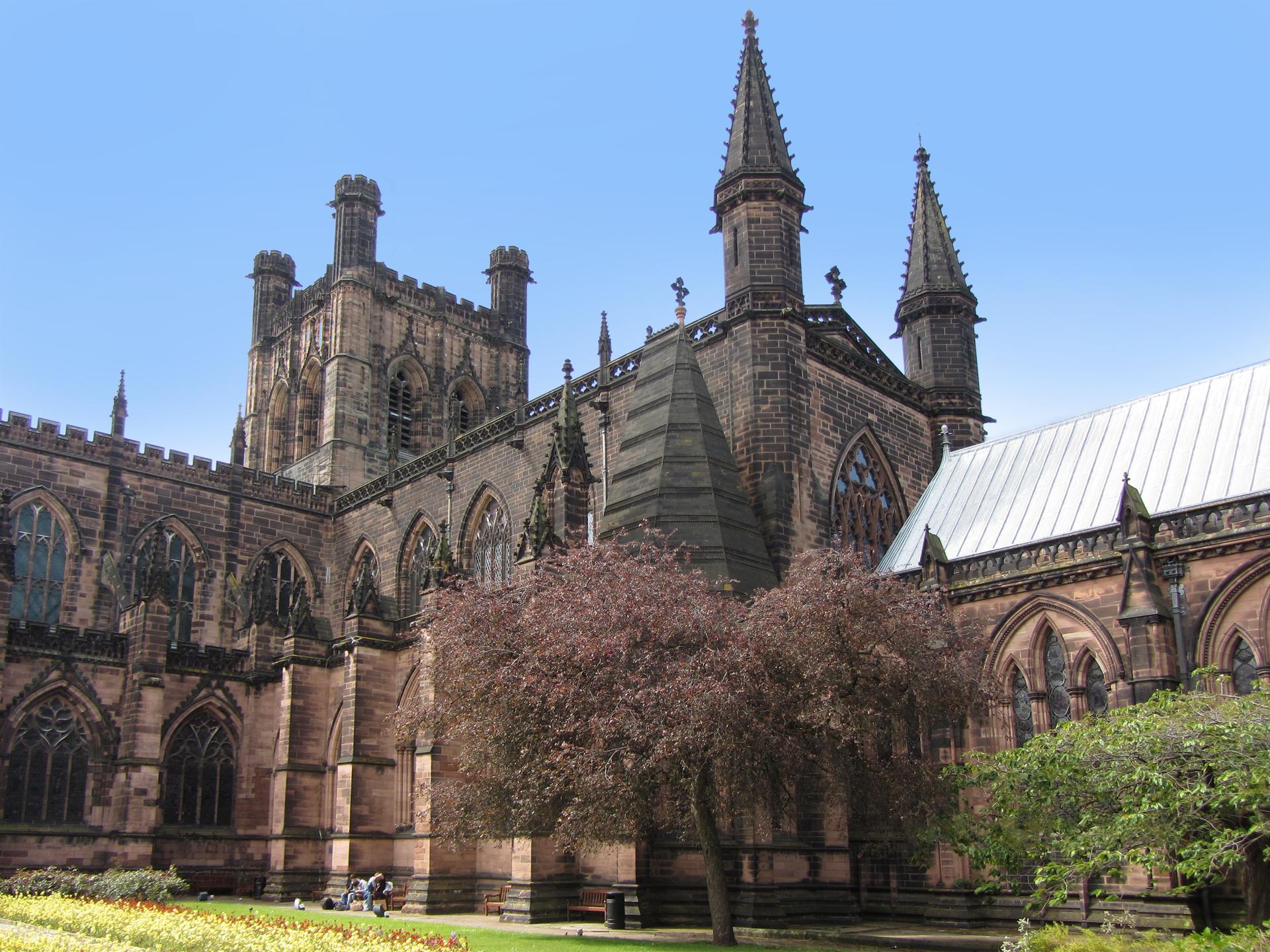
Discover Chester: A perfect blend of ancient history and modern charm, with its Roman walls, stunning cathedral, and unique shopping experiences.
Tell me more about Chester
Explore Liverpool’s Beatles heritage on the iconic Magical Mystery Tour, visiting legendary sites from childhood homes to the world-famous Cavern Club.
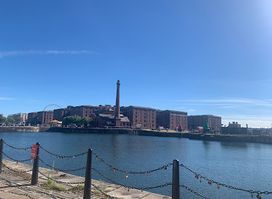
Historic Grade I listed Dock Traffic Office in Liverpool’s Royal Albert Dock, a symbol of maritime heritage and Victorian industrial design.
