

Free Chester Travel Guide & Mobile App
Plan your Chester trip with Evendo. Get free guides to top attractions, restaurants, hotels, and bars. Web access or download the mobile app.


Chester, England's walled Roman city, brings together ancient streets, medieval Rows, cathedral heritage, riverside walks and lively local culture.
Roman Foundations and Medieval Layers
Chester stands beside the River Dee in north-west England, close to the Welsh border and shaped by nearly two thousand years of urban history. Roman Deva Victrix established the city's enduring character: the surviving fortress walls, amphitheatre and street plan still provide a striking framework for exploration. Above and around them, medieval Chester developed distinctive timber-framed buildings, churches and the celebrated Chester Rows, two-tiered galleries of shops and walkways that follow the historic centre's streets.Read more about Chester
A Compact Historic Centre
Culture, Green Space and the Dee
When is the best time to visit Chester?
Best: June–August · 23–24°C| Month | High (°C) | Rainfall (mm) |
|---|---|---|
| January | 8 | 70 |
| February | 8 | 60 |
| March | 11 | 65 |
| April | 15 | 55 |
| May | 19 | 50 |
| June (best) | 23 | 45 |
| July (best) | 24 | 40 |
| August (best) | 24 | 45 |
| September | 21 | 50 |
| October | 17 | 55 |
| November | 13 | 65 |
| December | 9 | 70 |
Getting to and around Chester
How to get there
Transportation
Best attractions in Chester
Chester's principal attractions are concentrated within a walkable historic centre. The Roman Amphitheatre reveals the scale of Deva Victrix and remains one of the city's most evocative archaeological sites, while the Grosvenor Museum places Roman artefacts, local history and everyday life in a broader context. Chester Cathedral rewards attention for its Norman origins, medieval cloisters, stained glass and later architectural additions. The Chester Rows offer a different kind of sightseeing: their raised galleries, timber-framed buildings and independent shops create a distinctive route through the commercial heart. A circuit of the city walls brings changing views of the Eastgate Clock, cathedral, castle precinct and River Dee. Beyond the centre, Grosvenor Park provides formal gardens and open lawns, and the riverside supports leisurely walks and boat excursions. Storyhouse adds contemporary theatre, cinema and library spaces to the historic landscape.
-
Zoo
Chester Zoo
Explore the UK's largest zoo, home to 35,000 animals and immersive tropical habitats, championing conservation and unforgettable family adventures.
12 min drive · 4.0 km from city centre
-
Shopping outlet
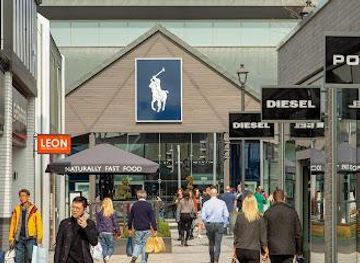
Designer Outlet Cheshire Oaks
Shop over 140 designer brands with up to 60% off in a vibrant, family-friendly open-air outlet near Liverpool and Chester.
25 min drive · 8.4 km from city centre
-
Cathedral
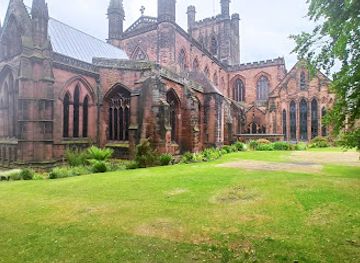
Chester Cathedral
Discover Chester Cathedral’s timeless blend of medieval grandeur, vibrant worship, and breathtaking views atop its historic tower.
2 min walk · 0.2 km from city centre
-
Racecourse
Chester Racecourse
Experience the thrill and history at Chester Racecourse, the world's oldest operational racecourse with vibrant racing and year-round events.
7 min walk · 0.5 km from city centre



Best landmarks in Chester
Chester's most recognisable landmarks express several distinct chapters of its history. The Roman and medieval city walls form an almost complete elevated circuit, incorporating surviving Roman masonry and later defensive work; they frame views of the centre rather than serving only as an archaeological monument. Chester Cathedral occupies the site of a long religious tradition and combines Romanesque, Gothic and later elements, including richly detailed cloisters. The Eastgate Clock, built in the late nineteenth century above the medieval gateway, has become a symbol of the city. Chester Castle marks the Norman and later military importance of the county palatine, while the Chester Rows represent the city's unusual medieval commercial architecture. The Roman Amphitheatre, beside the walls, adds a monumental reminder of the fortress from which Chester developed.
-
Cathedral
Chester Cathedral
A thousand-year-old cathedral blending medieval majesty with vibrant modern worship in historic Chester.
2 min walk · 0.2 km from city centre
-
Historical landmark
Eastgate Clock
England's second most photographed clock, crowning two millennia of history atop Chester's ancient Roman gateway.
3 min walk · 0.2 km from city centre
-
Historical landmark
Chester Roman Amphitheatre
Explore Britain’s largest Roman amphitheatre in the heart of historic Chester, where gladiators once fought and legions trained under the open sky.
4 min walk · 0.3 km from city centre
-
Historical landmark
Chester City Walls
Walk the ancient Chester City Walls, Britain’s most complete Roman fortifications offering historic views and timeless charm around the city.
5 min walk · 0.4 km from city centre


Explore Chester on the map
Plan your Chester trip on one map. See where the top attractions, landmarks, restaurants, bars and hotels are, find what's near where you're staying, and book hotels and experiences in a few clicks.
Best hotels in Chester
Best restaurants in Chester
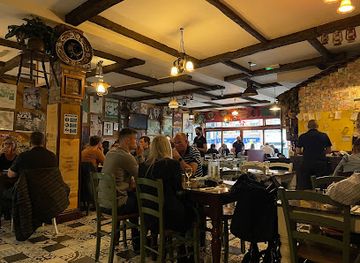
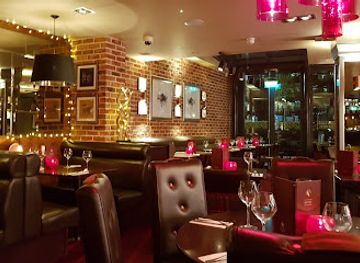
Chester's dining scene combines familiar British cooking with casual cafés, international restaurants and independent venues spread through the centre and surrounding neighbourhoods. The Rows and streets around Eastgate, Bridge Street and Watergate Street are convenient for meals between sightseeing, while Chester Market provides a changing setting for food stalls and informal eating. Menus often draw on Cheshire's agricultural hinterland, with local cheeses, meat, seasonal produce and traditional baking appearing alongside modern British dishes. Pubs remain important social spaces, offering cask ales and substantial meals, while cafés and tearooms suit the city's strong daytime visitor culture. Welsh, Irish and wider north-west influences reflect Chester's position close to the border and the Dee estuary. Restaurant styles range from historic-looking pubs and relaxed bistros to contemporary kitchens, so the centre supports both quick stops and longer meals.
-
Barbecue
Hickory's Smokehouse Chester
Savor authentic American barbecue and smoky brisket in a lively riverside setting at Hickory's Smokehouse Chester.
5 min walk · 0.4 km from city centre
-
Restaurant
The Botanist Chester
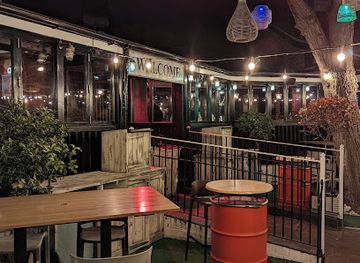
Discover Chester’s lush botanical bar and restaurant blending seasonal cuisine, inventive cocktails, and live music in a secret garden setting.
2 min walk · 0.1 km from city centre
-
Italian
La Fattoria
Experience vibrant Southern Italian dining with authentic flavors, generous portions, and a lively atmosphere in the heart of Chester.
3 min walk · 0.3 km from city centre
-
Steak
Miller & Carter Chester
Experience expertly aged steaks and classic British dining in a stylish, welcoming steakhouse at the heart of Chester.
5 min walk · 0.4 km from city centre
Best bars in Chester
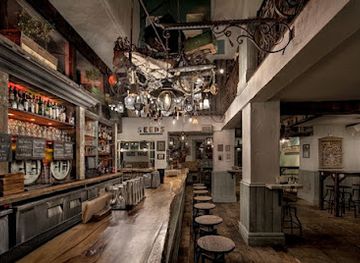
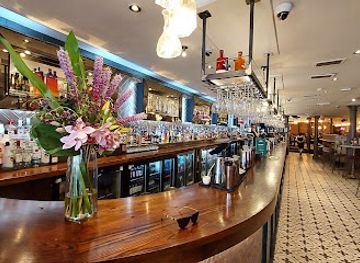
After dark, Chester's compact centre remains active without matching the scale of nearby Manchester or Liverpool. Traditional pubs, contemporary bars and late-night venues cluster around Watergate Street, Bridge Street, Northgate Street and the lanes near the Rows, creating an evening scene that ranges from quiet conversation to busier weekend entertainment. Historic buildings give many venues a distinctive setting, while wine bars and cocktail-led spaces sit alongside longstanding pubs. Storyhouse provides theatre, cinema and cultural programming, and live music appears in established city-centre venues such as Alexander's, subject to its programme. Chester also has clubs and late bars, though the atmosphere is generally concentrated rather than spread across a large entertainment district. Visitors should remember that pedestrian streets, narrow passages and busy weekend areas require care when travelling between venues.
-
Pub
The Architect
Historic Georgian pub in Chester blending classic architecture with modern British cuisine and lively indoor and outdoor dining.
5 min walk · 0.4 km from city centre
-
Bar
The Botanist Chester
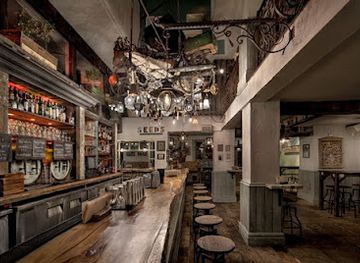
Discover Chester’s botanical-inspired bar and restaurant with lush interiors, crafted cocktails, live music, and a welcoming atmosphere for all.
2 min walk · 0.1 km from city centre
-
Cocktail bar
Slug & Lettuce - Chester
Lively cocktail bar and restaurant on Chester’s historic Bridge Street, blending vibrant social vibes with diverse food and drink offerings.
2 min walk · 0.1 km from city centre
-
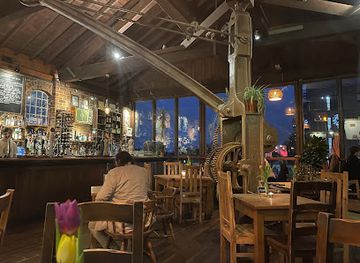
Grill
Telford's Warehouse
Historic Georgian warehouse turned lively canalside bar and music venue with hearty British food and a rich cultural scene in Chester.
7 min walk · 0.6 km from city centre

Best nightclubs in Chester
After dark, Chester's compact centre remains active without matching the scale of nearby Manchester or Liverpool. Traditional pubs, contemporary bars and late-night venues cluster around Watergate Street, Bridge Street, Northgate Street and the lanes near the Rows, creating an evening scene that ranges from quiet conversation to busier weekend entertainment. Historic buildings give many venues a distinctive setting, while wine bars and cocktail-led spaces sit alongside longstanding pubs. Storyhouse provides theatre, cinema and cultural programming, and live music appears in established city-centre venues such as Alexander's, subject to its programme. Chester also has clubs and late bars, though the atmosphere is generally concentrated rather than spread across a large entertainment district. Visitors should remember that pedestrian streets, narrow passages and busy weekend areas require care when travelling between venues.
-
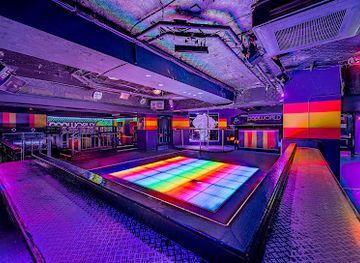
Lounge
Revolution Chester
Experience vibrant nightlife, creative cocktails, and lively music at Revolution Chester, the city’s premier lounge and party venue.
7 min walk · 0.6 km from city centre
-
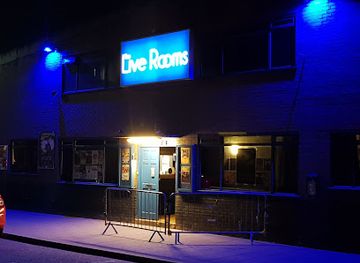
Nightclub
The Live Rooms
A vibrant live music and nightlife venue in Chester, blending intimate concerts with lively club nights and diverse entertainment.
12 min walk · 1.0 km from city centre
-
Nightclub
Rosies - Chester
Experience Chester’s vibrant nightlife at Rosies, a multiroom club with rooftop terrace, VIP lounges, and cutting-edge sound over three lively floors.
1 min walk · 0.1 km from city centre
-
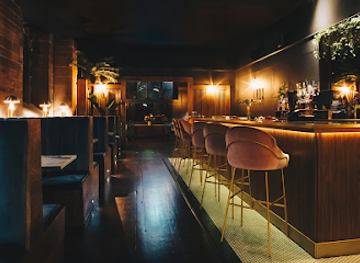
Cocktail bar
The Guild Chester
Experience Chester's vibrant nightlife in a stunning historic venue blending classic charm with modern cocktail culture.
3 min walk · 0.2 km from city centre

Best shops in Chester
Shopping in Chester is defined by the Chester Rows, where upper-level galleries and ground-floor premises create a distinctive setting for independent retailers, fashion, gifts, cafés and specialist shops. Eastgate Street and Bridge Street provide the principal central shopping routes, linking historic architecture with contemporary high-street names, while Watergate Street and the surrounding lanes are associated with smaller boutiques, antiques, design-led goods and food businesses. Chester Market offers produce, prepared food and independent stalls in a more informal environment, with its character changing as vendors and events vary. Visitors can find Cheshire foods, local ales, confectionery, craft items and traditionally styled souvenirs, although genuinely local provenance differs from shop to shop. The best shopping experience comes from combining the main streets with the Rows' upper walkways, where the medieval plan remains part of the retail environment.
-
Shopping Centre
Grosvenor Shopping Centre
A vibrant city-centre shopping destination blending high street brands with unique independent stores in historic Chester.
2 min walk · 0.2 km from city centre
-
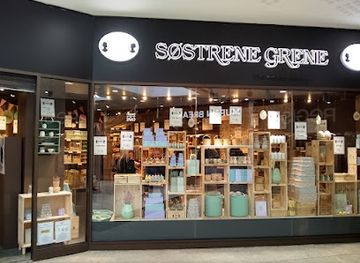
Gift shop
Søstrene Grene
Discover Scandinavian-inspired home décor, crafts, and gifts at Søstrene Grene Chester, a charming and affordable treasure trove in the city center.
2 min walk · 0.2 km from city centre
-
Gift shop
Rainforest
Discover Chester’s serene spiritual gift shop with crystals, mindfulness tools, and warm hospitality at Rainforest on Watergate Street.
2 min walk · 0.1 km from city centre
-
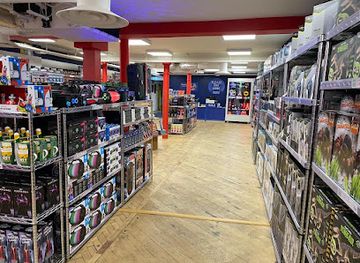
Gift shop
Menkind
Discover quirky gifts, gadgets, and tech accessories for men and boys in the heart of Chester’s historic shopping district.
1 min walk · 0.1 km from city centre


Get your free copy of our complete guide to Chester, delivered straight to you.
Everything on this page, from attractions and restaurants to essentials and local phrases, in one PDF you can read offline, print or share.
Already have an account? Sign in
Your Chester guide is ready.
We'll send it to · Not you? Sign out

Getting your guide ready…
We are putting together a fresh copy of the Chester guide. This can take up to a minute.
This can take a few moments. If your browser asks, choose Allow so the download can start. You'll find the guide in your Downloads folder.
Nothing happened? Download it again
Sorry, the guide is taking longer than usual. Please try again in a minute, or get it by email instead.
Chester essentials
Currency and Payment
Safety
Emergency Situations
Do's and Don'ts
Local Tips
From Eve
Local phrases worth knowing
You don't need to get them perfect. A few words go a long way, and locals appreciate the effort.
Basics
| English | Local | Say it |
|---|---|---|
| Hello | Hello | [həˈloʊ] |
| Goodbye | Goodbye | [ɡʊdˈbaɪ] |
| Yes | Yes | [jɛs] |
| No | No | [noʊ] |
| Please/You're welcome | Please/You're welcome | [pliːz/jʊər ˈwɛlkəm] |
| Thank you | Thank you | [θæŋk juː] |
| Excuse me/Sorry | Excuse me/Sorry | [ɪkˈskjuːz miː/ˈsɔri] |
| How are you? | How are you? | [haʊ ɑːr juː] |
| Fine. And you? | Fine. And you? | [faɪn. ənd juː] |
| Do you speak English? | Do you speak English? | [duː juː spiːk ˈɪŋɡlɪʃ] |
| I don't understand | I don't understand | [aɪ doʊnt ˌʌndərˈstænd] |
Eating & Drinking
| English | Local | Say it |
|---|---|---|
| I'd like to see the menu, please | I'd like to see the menu, please | [aɪd laɪk tə siː ðə ˈmɛnjuː, pliːz] |
| I don't eat meat | I don't eat meat | [aɪ doʊnt iːt miːt] |
| Cheers! | Cheers! | [ʧɪrz] |
| I would like to pay, please | I would like to pay, please | [aɪ wəd laɪk tə peɪ, pliːz] |
Emergencies
| English | Local | Say it |
|---|---|---|
| Help! | Help! | [hɛlp] |
| Go away! | Go away! | [ɡoʊ əˈweɪ] |
| Call the Police! | Call the Police! | [kɔːl ðə pəˈliːs] |
| Call a doctor! | Call a doctor! | [kɔːl ə ˈdɒktər] |
| I'm lost | I'm lost | [aɪm lɔst] |
| I'm ill | I'm ill | [aɪm ɪl] |
Shopping
| English | Local | Say it |
|---|---|---|
| I'd like to buy... | I'd like to buy... | [aɪd laɪk tə baɪ...] |
| I'm just looking | I'm just looking | [aɪm dʒʌst ˈlʊkɪŋ] |
| How much is it? | How much is it? | [haʊ mʌʧ ɪz ɪt?] |
| That's too expensive | That's too expensive | [ðæts tuː ɪkˈspɛnsɪv] |
| Can you lower the price? | Can you lower the price? | [kæn juː ˈloʊər ðə praɪs?] |
Time & Numbers
| English | Local | Say it |
|---|---|---|
| What time is it? | What time is it? | [wʌt taɪm ɪz ɪt?] |
| It's one o'clock | It's one o'clock | [ɪts wʌn əˈklɒk] |
| Half past (10) | Half past (10) | [hɑːf pæst (10)] |
| Morning | Morning | [ˈmɔrnɪŋ] |
| Afternoon | Afternoon | [ˌæf.tɚˈnun] |
| Evening | Evening | [ˈiːvnɪŋ] |
| Yesterday | Yesterday | [ˈjɛstərdeɪ] |
| Today | Today | [təˈdeɪ] |
| Tomorrow | Tomorrow | [təˈmɔroʊ] |
| 1 | 1 | [wʌn] |
| 2 | 2 | [tuː] |
| 3 | 3 | [θriː] |
| 4 | 4 | [fɔr] |
| 5 | 5 | [faɪv] |
| 6 | 6 | [sɪks] |
| 7 | 7 | [sɛvən] |
| 8 | 8 | [eɪt] |
| 9 | 9 | [naɪn] |
| 10 | 10 | [tɛn] |
Transport & Directions
| English | Local | Say it |
|---|---|---|
| Where's a/the...? | Where's a/the...? | [wɛrz ə/ðə...?] |
| What's the address? | What's the address? | [wʌts ði əˈdrɛs?] |
| Can you show me (on the map)? | Can you show me (on the map)? | [kæn juː ʃoʊ miː (ɒn ðə mæp)?] |
| When's the next (bus)? | When's the next (bus)? | [wɛnʤ ði nɛkst (bʌs)?] |
| A ticket (to ....) | A ticket (to ....) | [ə ˈtɪkɪt (tuː ....)] |
History of Chester
The Roman Fortress of Deva Victrix
The Roman settlement that became Chester began around AD 79 or 80, when the army established a fortress known as Deva Victrix beside the River Dee. It was one of the largest permanent military bases in Roman Britain and served as a strategic centre for campaigns and administration in the north and west. The fortress's rectangular plan shaped the later city, with major routes corresponding broadly to streets that still structure the centre. The surviving Roman amphitheatre, sections of defensive wall and archaeological remains convey the scale of the garrison town, while finds displayed in the Grosvenor Museum reveal military life, trade and the presence of civilians. Chester's Roman identity is therefore not merely antiquarian: it remains visible in the street plan and masonry beneath the modern city.
From Saxon Burh to Norman Stronghold
After Roman rule ended, Chester continued as an important settlement, although its fortunes changed during the early medieval period. In 907, Æthelflæd, ruler of Mercia, established or refortified a burh at Chester as part of a defensive network against Viking expansion. The city later became significant within the earldom of Chester, and William the Conqueror ordered Chester Castle to be built in 1070 during the consolidation of Norman power. The earldom's special status as a county palatine gave Chester considerable administrative and military importance. Medieval religious foundations, including the institution that developed into Chester Cathedral, grew alongside the castle and the commercial town, creating the layered political and ecclesiastical landscape still evident around the central streets.
Medieval Trade and the Chester Rows
Chester prospered as a market and port town during the Middle Ages, serving communities across Cheshire and maintaining links with Ireland and the Irish Sea. Its location beside the Dee supported commerce, although silting gradually reduced the river's usefulness to larger vessels. A serious fire in 1278 destroyed much of the centre, after which rebuilding helped produce the characteristic two-level arrangement now known as the Chester Rows. Shops occupied the lower level, while raised galleries provided access to further premises above, adapting commercial space to a dense urban environment. The Rows were altered repeatedly over the centuries, but their underlying medieval pattern survived. This combination of trade, rebuilding and constrained city space gave Chester one of Britain's most distinctive historic commercial landscapes.
Civil War and the County Palatine
Chester's strategic position made it important during the English Civil War. The city supported Charles I and endured a long parliamentary siege from 1645 into early 1646, with military pressure, shortages and damage affecting residents. The fall of Chester weakened the royalist position in the region and marked a major turning point in the city's political history. Earlier, its role as the seat of the earldom and county palatine had given it a distinctive degree of authority, while the castle and walls made its strategic value clear. The conflict left physical and social consequences, although the city's historic fabric was not erased. Chester's later identity developed partly through the contrast between its medieval and royal associations and the gradual commercial modernisation that followed.
Canal, Industry and Georgian Chester
During the eighteenth century Chester became increasingly connected to wider commercial networks. The opening of the Shropshire Union Canal's Chester Canal in the late 1770s linked the city with inland waterways and supported the movement of coal, building materials and agricultural goods. The Dee's changing channel limited the city's development as a major seaport, encouraging investment in canal and road connections instead. Georgian planning and buildings added a more ordered layer to the medieval centre, while the Grosvenor family influenced the city's architectural and civic development. Chester remained smaller than the great industrial cities of Lancashire, but its markets, professional institutions and regional administrative role sustained urban growth. The city's later railway connections further strengthened its position as a centre for Cheshire and the borderlands.
Railways and the Modern Heritage City
The arrival of the railway in the nineteenth century transformed Chester's connections with Liverpool, North Wales, London and the wider national network. Chester railway station, opened in 1848, encouraged commercial activity, tourism and suburban expansion, while the city acquired new civic and cultural institutions. The Grosvenor Museum opened in 1886, reflecting growing interest in local archaeology and history, and the Eastgate Clock was erected in 1897 to mark Queen Victoria's Diamond Jubilee. Twentieth-century redevelopment brought pressures familiar to many historic cities, but Chester's walls, Rows, cathedral and Roman remains remained central to its identity. Today the city combines a living regional centre with an unusually concentrated historic environment, where archaeological, medieval, Victorian and contemporary layers continue to function together.
Chester in Photos
Browse through our photo collection highlighting the charm and character of the destination.
Cities near Chester
The closest cities to Chester, if you have time for more than one stop.
-

-
-

-

-


Swipe for more cities
Explore more

Explore more of United Kingdom
Discover the United Kingdom: A blend of rich history, stunning landscapes, and vibrant cities, offering a unique travel experience for every visitor.
Explore United Kingdom