Penny Lane, Liverpool
The modest Liverpool street that inspired The Beatles' most nostalgic masterpiece, forever immortalised in music and memory.
Penny Lane is a legendary street in Liverpool's Mossley Hill area, immortalised by The Beatles' iconic 1967 song of the same name. Once an ordinary suburban thoroughfare and bus terminal junction, it transformed into a global cultural landmark following the release of Paul McCartney's nostalgic composition. Today, the street attracts Beatles pilgrims from around the world who come to experience the real locations that inspired the song's vivid characters—the barber, the banker, and the fire station—all of which still exist. Despite its modest appearance, Penny Lane represents the power of music to elevate everyday places into the realm of legend.
A brief summary to Penny Ln
- Liverpool, GB
- Duration: 0.5 to 2 hours
- Free
-
 Outdoor
- Mobile reception: 5 out of 5

Know before you go
Hi, I'm Eve. Here are a few practical things to know before exploring Penny Ln.
- Visit the Sergeant Pepper Beastro, the Beatles-themed bistro housed in the former shelter at the roundabout, to experience the location mentioned in the song's opening line.
- Locate the original barber shop where McCartney observed the photographs of every customer—it still operates as a barbershop and remains one of the song's most authentic landmarks.
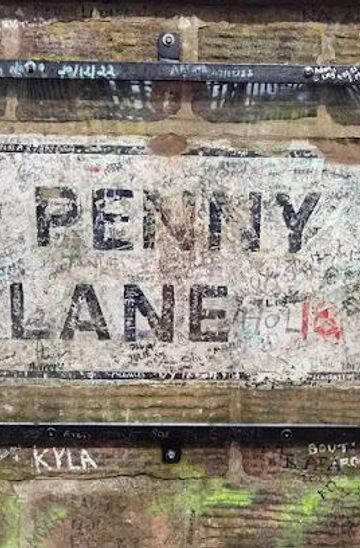
- Explore the painted street name on building facades, a practice that began after repeated theft of traditional street signs by Beatles fans seeking souvenirs.
- Discover Dovedale Towers (now The Dovey pub), where Freddie Mercury lived briefly in the late 1960s, adding unexpected Queen history to this Beatles-famous location.
- Walk the bus route that young McCartney and Lennon travelled, understanding how this junction served as a crucial meeting point in the early formation of The Beatles.
Do you manage this location?
Take control to get all the benefits, like improved information, better appearance, and stronger visibility across AI-powered discovery. Learn more
Activate your presence

Getting There
-
Public Bus
From Liverpool city centre, take any bus heading toward Mossley Hill or the Allerton Road area. Journey time is approximately 15–20 minutes depending on traffic and starting point. Buses run regularly throughout the day with reduced frequency in evenings and Sundays. No advance booking required; pay on board or use a contactless card. The Penny Lane bus stop is clearly marked near the junction of Church Road and Smithdown Place.
-
Taxi or Ride-Share
Taxis and ride-share services (Uber, local firms) are readily available throughout Liverpool. Journey time from the city centre to Penny Lane is approximately 10–15 minutes depending on traffic conditions. Estimated cost ranges from £8–15 GBP. This option offers direct access and is convenient if travelling with luggage or in poor weather.
-
Walking Tour
Join a guided Beatles walking tour that includes Penny Lane as a key stop. Most tours depart from central Liverpool and take 2–3 hours, covering multiple Beatles-related locations. Tours typically cost £12–20 GBP per person and provide historical context and anecdotes about the song and the street. Tours operate year-round with varying schedules; advance booking is recommended.
-
Car Rental
Rent a car from Liverpool city centre (daily rates approximately £30–60 GBP) and drive to Penny Lane, approximately 3 km away. Journey time is 10–15 minutes depending on traffic. Parking is available on surrounding streets, though spaces can be limited during peak times. This option provides flexibility to explore the wider Mossley Hill area at your own pace.
For the on-the-go comforts that matter to you
-
 Food Options
-
 Drink Options
-
 Restrooms
-
 Information Boards
Discover more about Penny Ln
From Childhood Memory to Global Icon
Penny Lane emerged from Paul McCartney's deep nostalgia for his Liverpool childhood. The street held profound significance for both McCartney and John Lennon, who lived nearby and frequently passed through the area during their formative years. McCartney used Penny Lane as a bus junction to travel between his home and Lennon's residence, making it a central hub in their early friendship. The street's name first appeared on maps in the 1840s as "Pennies Lane," though its true origin remains debated among historians. What transformed this modest suburban thoroughfare into a place of international significance was not its architecture or commercial appeal, but rather its role in shaping the creative consciousness of two of the world's greatest songwriters.The Real Locations Behind the Song
The genius of "Penny Lane" lies in McCartney's ability to capture the texture of everyday life through specific, observed details. The barber shop mentioned in the song still stands on Penny Lane, its proprietor once displaying photographs of every customer whose hair he had cut—a detail McCartney witnessed firsthand during his youth. The bank referenced in the lyrics, where "the banker never wore a mac in the pouring rain," occupied a corner of the street and has since become a medical surgery. The fire station, another key landmark in the song, was located nearby and served as a familiar sight to the young Beatles. These were not invented characters but rather composites of real people and places that McCartney observed with a songwriter's eye for human detail and social observation.The Song's Release and Cultural Impact
Released in February 1967 as a double A-side with Lennon's "Strawberry Fields Forever," "Penny Lane" marked a pivotal moment in The Beatles' artistic trajectory. The song captured the spirit of the mid-1960s with remarkable precision, distilling an entire era's longing for innocence and nostalgia into a three-minute composition. Recorded during the legendary Sgt. Pepper sessions between November 1966 and April 1967, the track featured a distinctive trumpet solo performed by David Mason of the London Symphony Orchestra, played without a written chart after McCartney sang the melody he envisioned. Though the song reached number two in the UK charts—broken by Engelbert Humperdinck's "Release Me"—it marked a departure from The Beatles' previous dominance and demonstrated their willingness to explore new creative territory.The Street Transformed by Fame
Following the song's release, Penny Lane became an unexpected pilgrimage destination for Beatles fans worldwide. The sudden influx of visitors created an unforeseen problem for Liverpool's local council: the iconic street signs bearing the name "Penny Lane" became targets for souvenir theft, with fans removing them as mementos. The council eventually abandoned traditional signs and began painting the street name directly onto building facades, a practice that continues today. In 2018, when Paul McCartney returned to Liverpool to film a segment for "Carpool Karaoke" with James Corden, he signed one of these painted street markers, adding another layer to the location's evolving history. The street's transformation from an ordinary bus junction into a globally recognised landmark demonstrates the profound power of music to elevate and immortalise place.Landmarks and Points of Interest Along the Lane
Beyond the locations directly mentioned in the song, Penny Lane contains additional layers of musical and cultural significance. The shelter at the roundabout, which inspired the famous opening line "in the middle of a round-about," now operates as a Beatles-themed bistro called the Sergeant Pepper Beastro. Dovedale Towers, a pub and former rooming house located at number 60, served as the residence of Freddie Mercury during his brief time in Liverpool in the late 1960s, when he performed with an early band called Ibex. Nearby Dovedale Primary School was the childhood alma mater of both John Lennon and George Harrison, adding another unexpected connection to the area's musical heritage. These overlapping histories create a rich tapestry of music and memory woven into the fabric of this modest Liverpool street.Legacy and Enduring Significance
Decades after its release, "Penny Lane" continues to resonate with listeners across generations, a testament to McCartney's songwriting craftsmanship and emotional authenticity. Music critic Ian MacDonald observed that the song "distils the spirit of that time more perfectly than any other creative product of the mid-Sixties." The street itself remains largely unchanged in character, still modest and suburban, yet forever marked by its association with one of popular music's greatest achievements. Visitors to Penny Lane today encounter a place where memory, music, and reality intersect—where the extraordinary power of art has transformed the ordinary into the unforgettable.Explore the best of what Penny Ln has to offer













More about Lancashire
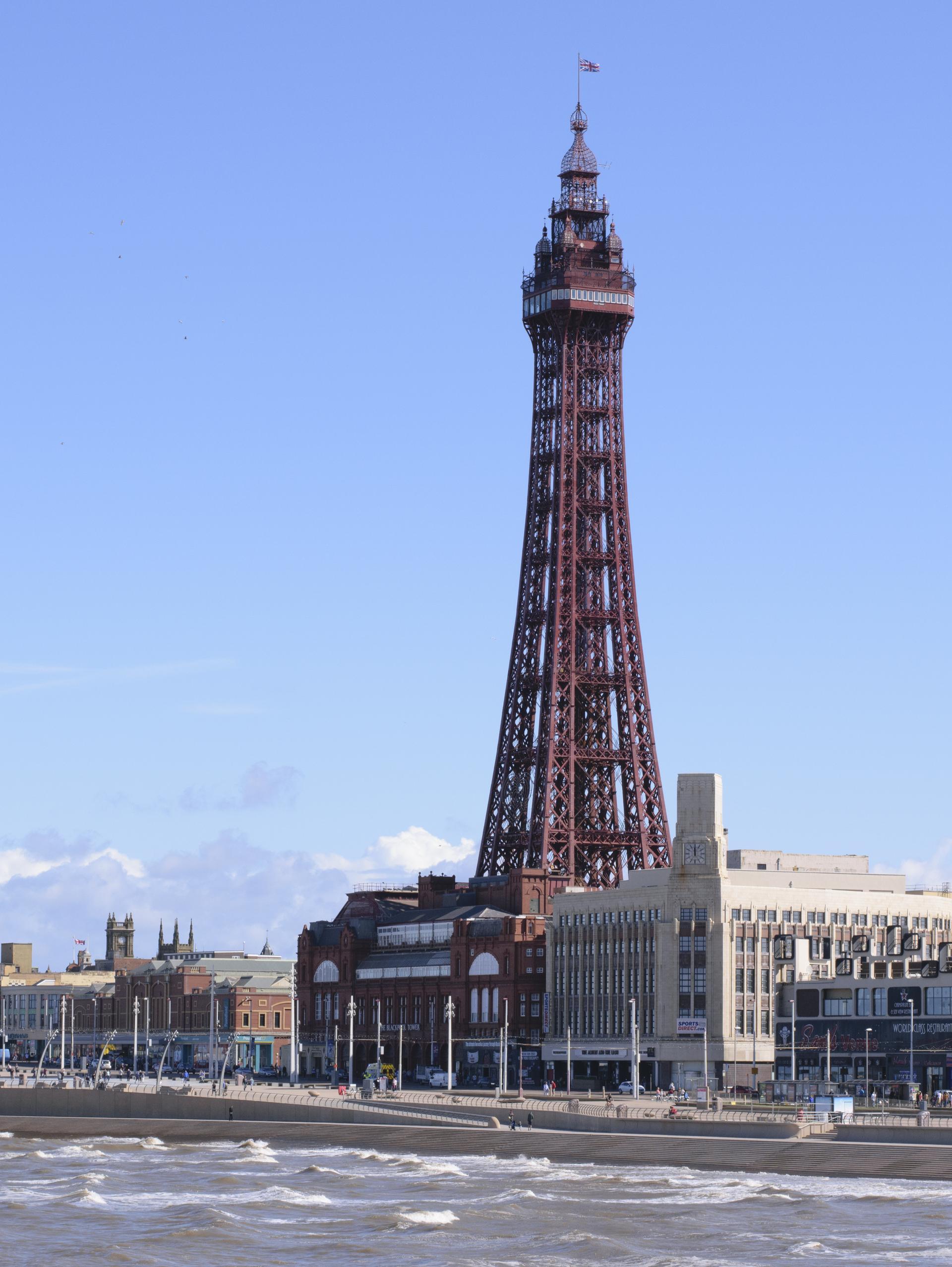
Discover Lancashire: A perfect blend of stunning landscapes, rich history, and vibrant culture in the heart of England's northwest.
Tell me more about Lancashire