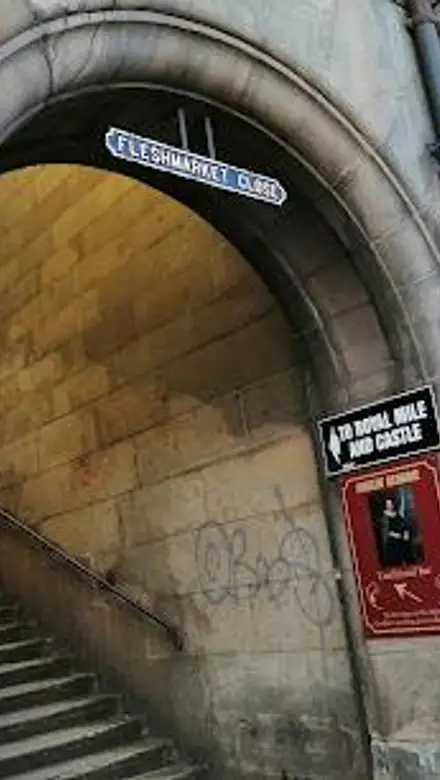
Fleshmarket Cl Travel Guide
Free Guide: Discover Edinburgh’s Fleshmarket Close, a narrow medieval alley steeped in history, mystery, and literary fame in the heart of the Old Town.


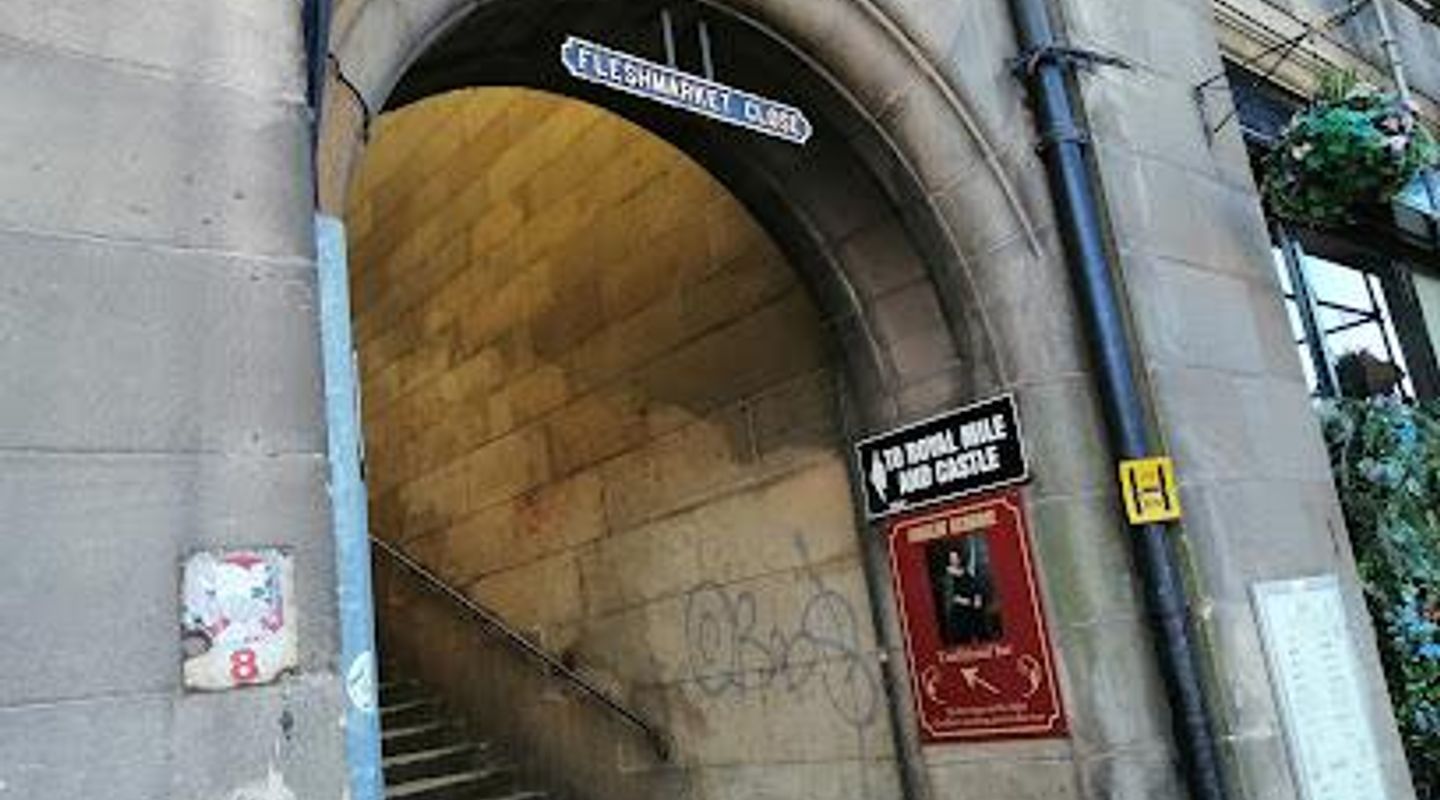
A brief summary of Fleshmarket Cl
Discover Edinburgh’s Fleshmarket Close, a narrow medieval alley steeped in history, mystery, and literary fame in the heart of the Old Town.
Fleshmarket Close is a narrow, atmospheric alley in Edinburgh's Old Town, historically named for its former meat market and slaughterhouse. This steep, medieval close connects Market Street near Waverley Station to Cockburn Street and the Royal Mile, embodying the city's rich past with its evocative setting and ties to notable residents. It inspired Ian Rankin's crime novel and retains a mysterious charm that reflects Edinburgh’s layered history.
On-site amenities
 Restrooms
 Drink options
 Food options
 Seating areas
 Information boards
- Address
- Edinburgh
Getting there
Train and Walking
Bus and Walking
Taxi or Rideshare
Discover more about Fleshmarket Cl
Origins and Historical Significance
Fleshmarket Close derives its name from the meat market and slaughterhouse that once operated there, a vital part of Edinburgh’s food supply in medieval times. Meat was hung along the alley, and blood naturally drained down its steep incline, reflecting the close's practical role in the city's daily life. The close has undergone several name changes over centuries, linked to prominent residents and owners, such as Sir James Smith and Sir James Mackenzie, indicating its longstanding importance in the social fabric of the Old Town.
Architectural and Urban Context
Today, Fleshmarket Close is a narrow, steep alleyway that connects Edinburgh Waverley Station’s Market Street exit with Cockburn Street, leading up to the Royal Mile. The close’s medieval origins are still evident in its tight, enclosed form, typical of Edinburgh’s historic closes. The surrounding architecture reflects Scottish baronial revival styles from the 19th and early 20th centuries, blending historical ambiance with urban vibrancy. This setting offers a tangible sense of Edinburgh’s layered urban evolution.
Cultural Resonance and Literary Fame
Fleshmarket Close gained literary fame as the title and setting for Ian Rankin’s 2004 crime novel, which explores themes of community, immigration, and the darker aspects of Edinburgh life. The close’s evocative atmosphere has inspired not only literature but also film, featuring in productions such as the 2025 movie "Ghostwriter." Its narrow, shadowy corners and historic character make it a compelling backdrop for stories of mystery and intrigue.
Notable Residents and Social History
Historically, Fleshmarket Close was home to significant figures, including Henry Dundas, Viscount Melville. The close’s past is intertwined with Edinburgh’s social history, including its role during outbreaks of plague and its partial demolition for the Royal Exchange construction in the 18th century. The close also reflects the city’s mercantile past, with ties to merchants like Mary King, a rare female burgess of her time.
Visitor Experience and Atmosphere
Walking through Fleshmarket Close today offers an immersive experience into Edinburgh’s Old Town ambiance. The steep, narrow passageway, flanked by historic buildings, evokes a sense of stepping back in time. The close’s proximity to bustling streets like the Royal Mile and Cockburn Street provides visitors with a blend of historic atmosphere and contemporary urban life, including shops, cafes, and cultural sites nearby.
Preservation and Modern Relevance
Efforts to maintain Fleshmarket Close underscore its importance as a historic route linking key parts of the Old Town with the railway station. The close remains a vital pedestrian artery and a cherished heritage site, preserved for its unique character and cultural significance. Its continued use and upkeep highlight Edinburgh’s commitment to honoring its past while accommodating modern city life.
Evendo Review Centre
 Google
Guest reviews
Best time to go
Quietest: Jan, Feb & Mar · before 6am
Busy times are Evendo estimates for a typical year, to help you plan. Actual crowds vary with events, school holidays and the weather.
Explore Fleshmarket Cl on the map
A handpicked selection of must-see spots near Fleshmarket Cl, mapped for you.
Get your free copy of our complete guide to Fleshmarket Cl, delivered straight to you.
Everything on this page, from opening hours and how to get there to Eve’s tips and the best time to go, in one PDF you can read offline, print or share.
Already have an account? Sign in
Your Fleshmarket Cl guide is ready.
We'll send it to · Not you? Sign out

Getting your guide ready…
We are putting together a fresh copy of the Fleshmarket Cl guide. This can take up to a minute.
This can take a few moments. If your browser asks, choose Allow so the download can start. You'll find the guide in your Downloads folder.
Nothing happened? Download it again
Sorry, the guide is taking longer than usual. Please try again in a minute, or get it by email instead.
Other nearby places you may find interesting
The closest places of the same kind, if this one is not quite what you had in mind.
-
-
-
-
-


Swipe for more places
More to explore near Fleshmarket Cl

 Best experiences near Fleshmarket Cl
 Best hotels near Fleshmarket Cl
 Best landmarks near Fleshmarket Cl
 Best attractions near Fleshmarket Cl
 Best shops near Fleshmarket Cl
 Best restaurants near Fleshmarket Cl
 Best bars near Fleshmarket Cl
Do you manage this location?
Take control to get all the benefits, like improved information, better appearance, and stronger visibility across AI-powered discovery.
Explore more

Explore more of Clackmannanshire
Explore Clackmannanshire: Scotland's enchanting county of castles, hills, and history, offering an authentic and serene escape into nature and culture.
Explore Clackmannanshire
Explore more of United Kingdom
Discover the United Kingdom: A blend of rich history, stunning landscapes, and vibrant cities, offering a unique travel experience for every visitor.
Explore United Kingdom