

Dacre Hall, Cumbria Travel Guide
Historic Dacre Hall, once a Tudor noble residence, now serves as England’s oldest village hall within the atmospheric ruins of Lanercost Priory.
Dacre Hall, located within the west cloister range of the medieval Lanercost Priory in Cumbria, England, is a Grade I listed building dating back to the mid-12th century. Originally part of the Augustinian priory, it was transformed into a private residence by Sir Thomas Dacre after the Dissolution of the Monasteries in the 16th century. Today, it serves as the village hall for Lanercost, blending rich history with community life in a remarkable setting close to Hadrian's Wall.
A brief summary to Dacre Hall
- Duration: 1 to 3 hours
- Free
-
 Mixed
Mixed
- Mobile reception: 4 out of 5

Know before you go
Hi, I'm Eve. Here are a few practical things to know before exploring Dacre Hall.
- Explore the adjoining Lanercost Priory ruins and parish church to fully appreciate the site's layered history.
- Visit in spring or summer for pleasant weather and to enjoy the surrounding Cumbrian countryside.
- Check for local events held at Dacre Hall, as it remains a lively community venue.
- Combine your visit with a walk along nearby Hadrian’s Wall for a broader historical experience.
Do you manage this location?
Take control to get all the benefits, like improved information, better appearance, and stronger visibility across AI-powered discovery. Learn more about listing your business on Evendo
Activate your presenceOther nearby places you may find interesting
The closest places of the same kind, if this one is not quite what you had in mind.

Explore Dacre Hall on the Map
A handpicked selection of must-see spots near Dacre Hall, mapped for you.
Getting There
-
Car
Driving from Carlisle to Lanercost Priory takes approximately 25 minutes via the A689 and A6071. Parking is available on site but can be limited during events. There is no charge for parking. The route is suitable for all vehicles.
-
Bus
Local bus services operate from Carlisle to Brampton, with a journey time of about 40 to 50 minutes. From Brampton, a taxi or a 3 km walk on rural roads leads to Lanercost. Bus frequency is moderate, so check schedules in advance.
-
Walking
For the adventurous, walking from Brampton to Lanercost covers roughly 3 km over mostly flat terrain on country lanes and footpaths. The walk takes about 40 minutes and offers scenic views of the Cumbrian countryside. Suitable footwear recommended.
For the on-the-go comforts that matter to you
-
 Restrooms
-
 Drink Options
-
 Food Options
-
 Seating Areas
-
 Information Boards
Discover more about Dacre Hall
Origins and Monastic Beginnings
Dacre Hall began life as the west range of cloisters at Lanercost Priory, founded around 1169 by Robert de Vaux. The priory was established to house Augustinian canons and was built using stone from the nearby Hadrian's Wall, a Roman frontier structure. This religious community thrived for centuries, serving both spiritual and local parish needs. The priory's location near the Anglo-Scottish border meant it was often caught in the turbulent conflicts of the region, enduring attacks and raids during the Wars of Scottish Independence.Transformation under the Dacre Family
Following the Dissolution of the Monasteries under Henry VIII, the priory's monastic buildings were largely stripped and left in ruin. However, the west cloister range was purchased by Sir Thomas Dacre in 1542, who converted it into a private residence. The first floor was transformed into a grand 30-metre-long great hall, now known as Dacre Hall, featuring large windows and a magnificent fireplace dated 1586. The Dacres also built the adjoining Dacre Tower, which still stands as a testament to their influence. The hall remained in the Dacre family until the early 18th century, after which it passed to the Howard family, Earls of Carlisle.A Living Heritage and Community Space
In 1952, Dacre Hall was gifted to the people of Lanercost by the Earl and Lady Carlisle, becoming the village hall and reputedly the oldest village hall building in England. This transition from noble residence to community hub preserves the hall’s historical significance while allowing it to serve contemporary local needs. The hall's Grade I listing recognizes its architectural and historic importance, reflecting centuries of layered history from monastic origins to Tudor adaptations.Architectural and Cultural Significance
Dacre Hall exemplifies Tudor architectural adaptation of medieval monastic structures. Its large great hall, ornate fireplace, and surviving stained glass fragments highlight the craftsmanship and status of the Dacre family. The hall is part of the wider Lanercost Priory complex, which includes the parish church of St Mary Magdalene, still in use today. The priory grounds are rich with history, including connections to King Edward I’s winter residence during his campaigns against Scotland and the turbulent border wars that shaped the region.Setting and Surroundings
Situated in the village of Lanercost near Brampton, Cumbria, Dacre Hall lies within a landscape steeped in history, close to Hadrian's Wall and Naworth Castle. The rural setting offers visitors a glimpse into England’s medieval past alongside natural beauty. The hall and priory ruins are managed by English Heritage, ensuring their preservation and accessibility to the public. Nearby amenities and the ongoing use of the hall maintain its role as a vibrant part of village life.Enduring Legacy and Preservation
The stewardship of Dacre Hall and Lanercost Priory reflects a commitment to preserving England's heritage. From its monastic foundation through noble residence to community venue, the hall embodies centuries of social and architectural evolution. Its survival and adaptation illustrate the resilience of historic buildings and their capacity to serve new generations while honoring their past.












Your all‑in‑one travel companion app
Explore expert travel guides, compare and book tours, experiences, hotels, and more—all from the palm of your hand. Download now for seamless trip planning wherever your wanderlust takes you.


Explore More of Cumbria

Looking beyond Dacre Hall? Discover Cumbria for broader travel guides, local hot-spots, and regional highlights.
Explore Cumbria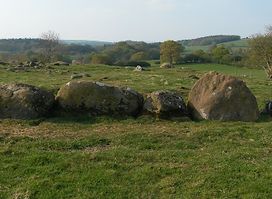
Discover the serene Bronze Age Glassonby Circle in Cumbria’s Eden Valley, a window into ancient rituals amid tranquil countryside.
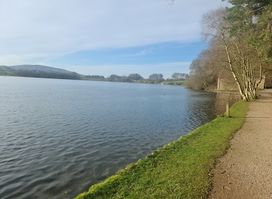
Explore Talkin Tarn Country Park’s glacial lake, accessible trails, rich wildlife, and family-friendly outdoor activities set against stunning Pennine Hills.
