

Free Cumbria Travel Guide & Mobile App
Explore Cumbria with free travel guides. Discover regional history, expert tips, proposed trips, and audio guides on web or mobile app.


Explore Cumbria for Lake District fells, historic Carlisle, coastal heritage, market towns, literary landscapes and distinctive northern food traditions.
Read more about Cumbria
When is the best time to visit Cumbria?
Best: June–August · 20–22°C| Month | High (°C) | Rainfall (mm) |
|---|---|---|
| January | 7 | 100 |
| February | 7 | 80 |
| March | 10 | 90 |
| April | 14 | 80 |
| May | 17 | 70 |
| June (best) | 20 | 70 |
| July (best) | 22 | 80 |
| August (best) | 21 | 90 |
| September | 18 | 90 |
| October | 14 | 100 |
| November | 9 | 100 |
| December | 7 | 110 |
Getting to and around Cumbria
How to get there
Transportation
Top city travel guides in Cumbria
The cities of Cumbria, and the easiest places to base yourself.
-

-


Swipe for more cities
Destinations in Cumbria
Resorts, valleys and scenic spots worth a trip of their own.
-

-

-


Swipe for more destinations
Best attractions in Cumbria
Cumbria’s attractions range from major landscapes to intimate museums and historic estates. The Lake District National Park is the centre of the outdoor offer, with walking, climbing, cycling, boating and scenic drives around lakes such as Windermere, Ullswater, Derwentwater, Coniston Water and Bassenthwaite Lake. The county’s highest mountain, Scafell Pike, and valleys including Wasdale and Borrowdale appeal to experienced walkers, while gentler lakeshore paths and gardens suit less strenuous days. Literary sites include Dove Cottage and Allan Bank associated with William Wordsworth, Hill Top associated with Beatrix Potter, and Brantwood, John Ruskin’s former home. Carlisle Castle, Carlisle Cathedral, Hadrian’s Wall and the Roman Army Museum provide historical depth in the north. Furness Abbey, Levens Hall and Sizergh add medieval, architectural and garden interest in the south. The western coast offers maritime, industrial and social history through places such as the Beacon Museum in Whitehaven and the Dock Museum in Barrow-in-Furness, while steam railways and heritage lines add another dimension to exploration.
-
National park
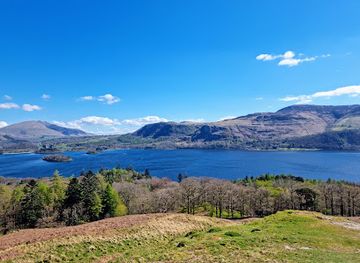
Lake District National Park
Explore England’s breathtaking Lake District National Park, a UNESCO World Heritage Site rich in natural beauty, culture, and outdoor adventure.
-
Tourist attraction
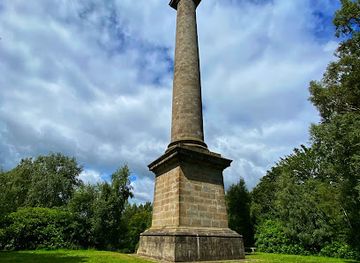
Aira Force Waterfall
Discover the breathtaking 65-foot Aira Force Waterfall and serene woodland trails in the heart of the Lake District’s Gowbarrow Park.
-
Manor house
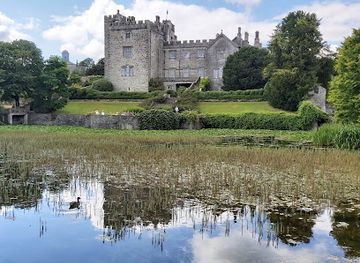
National Trust - Sizergh
Explore centuries of history and stunning gardens at Sizergh Castle, a National Trust gem nestled in the heart of the Lake District.
-
Historical landmark
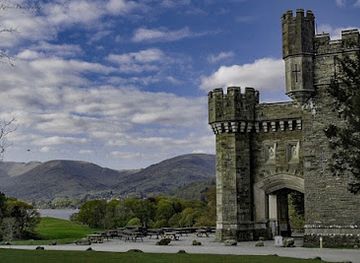
National Trust - Wray
Explore the majestic Victorian Gothic Revival Wray Castle and its serene lakeside grounds on Lake Windermere’s scenic western shore.
Best landmarks in Cumbria
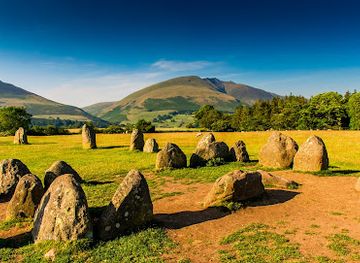
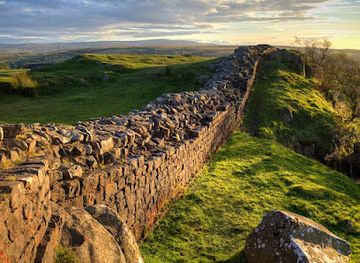
Cumbria’s most recognisable landmarks include Scafell Pike, England’s highest mountain, and the distinctive glacial landscapes of the central Lake District. Castlerigg Stone Circle near Keswick is one of the region’s most significant prehistoric monuments, set against a dramatic mountain horizon. Carlisle Castle and the surviving sections of Carlisle’s city walls express the city’s strategic position on the Anglo-Scottish frontier, while Carlisle Cathedral adds a different layer of medieval heritage. Hadrian’s Wall crosses the northern part of the county and reaches the Solway coast, linking local landscapes with the wider Roman frontier. Furness Abbey, with its red sandstone ruins, is a powerful architectural landmark in the south. Coniston Old Man rises above Coniston Water, and the rugged outline of the western fells gives places such as Wasdale and Ennerdale their visual identity. On the coast, Whitehaven’s planned Georgian harbour and Barrow-in-Furness’s docklands represent contrasting phases of maritime and industrial development.
-
Historical landmark
Castlerigg Stone Circle
Explore one of Britain’s oldest stone circles, set amid stunning Lake District fells with panoramic views and ancient mysteries.
-
Historical landmark
Hadrian's Wall
Explore the iconic 73-mile Roman frontier of Britain, where ancient forts meet breathtaking landscapes and history comes alive.
-
Cathedral
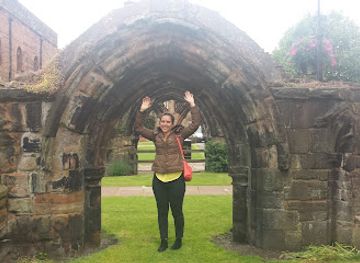
Carlisle Cathedral
Discover over 900 years of history, stunning architecture, and serene beauty at Carlisle Cathedral in the heart of the Border City.
-
Historical landmark
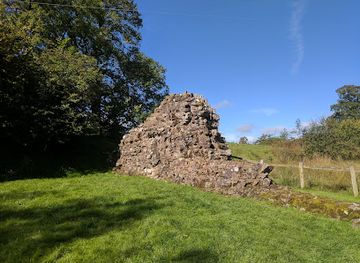
Hare Hill - Hadrian's Wall
Explore Hare Hill, Cumbria’s tallest surviving stretch of Hadrian's Wall, where Roman history stands proudly amidst tranquil countryside.
Explore Cumbria on the map
Plan your trip on one map. See where the top cities, national parks and sights are, and book hotels and experiences in a few clicks.
Best hotels in Cumbria
Best restaurants in Cumbria
Cumbrian dining draws on upland farming, coastal waters and a strong tradition of independent food production. Cumberland sausage, Herdwick lamb and local beef appear in pubs, inns and modern restaurants, while Westmorland damsons from the Lyth Valley are used in preserves, desserts and drinks. Grasmere gingerbread is one of the county’s best-known food specialities, and Cartmel is closely associated with sticky toffee pudding, although similar versions are found more widely. Local cheeses, breads, game, smoked products and seasonal vegetables are common in farm shops and restaurant menus. Around the coast and estuaries, seafood features alongside traditional fish-and-chip shops and contemporary cooking. Dining ranges from village cafés and fell-side tearooms to substantial country pubs and destination restaurants in towns such as Carlisle, Kendal, Keswick, Ambleside and Cartmel. Farmers’ markets and food halls are useful for understanding the region’s producers, while locally brewed ales, ciders and spirits often accompany meals.
-
Pub
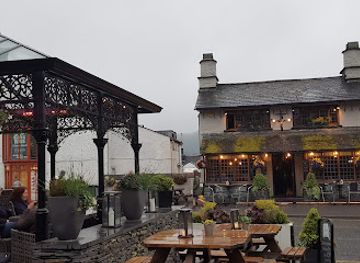
The Flying Pig Pub
Experience hearty Lakeland hospitality and classic English fare in the welcoming atmosphere of The Flying Pig Pub, Bowness-on-Windermere.
-
Italian
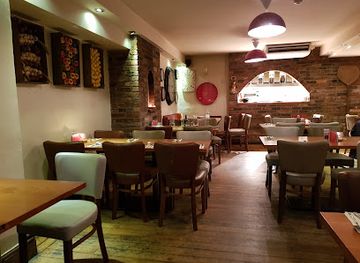
Dodds Restaurant
Authentic Italian and modern European cuisine served with warmth in the heart of Ambleside’s scenic Lake District.
-
Modern British
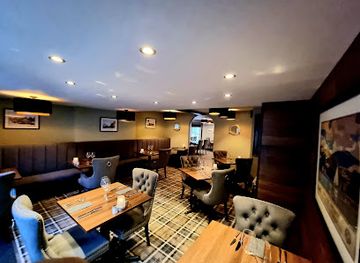
Porto Restaurant
Modern British dining with seasonal Lake District flavors in a welcoming, cozy setting just minutes from Lake Windermere.
-
British
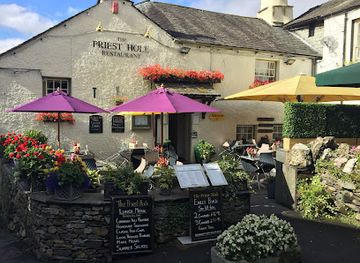
The Priest Hole Restaurant
Historic charm meets hearty British cuisine in the heart of Ambleside, with locally sourced dishes and a welcoming atmosphere.
Best bars in Cumbria
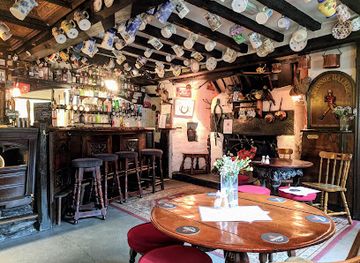
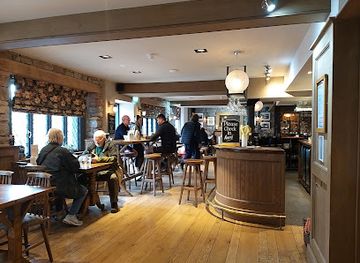
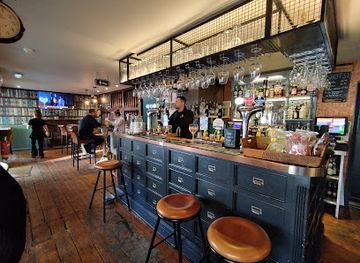
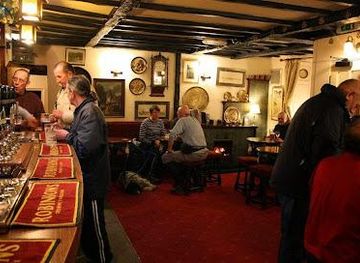
Cumbria’s evening life is shaped more by pubs, restaurants, live music and theatre than by a large club scene. Carlisle has the broadest urban choice, with traditional pubs, contemporary bars, music venues and late-night establishments, while Kendal, Barrow-in-Furness and Whitehaven also provide lively evenings for residents and visitors. Keswick combines pubs, places serving local drinks and a strong performance tradition connected with the town’s theatre and festival calendar. In smaller Lake District villages, evenings generally centre on historic inns, hotel bars and restaurants rather than nightclubs, and options may be spread across neighbouring settlements. Brewery taprooms and independent bars appear in several towns, but opening arrangements and event programmes change, particularly outside the main season. In rural areas, plan transport in advance and avoid assuming that a late taxi or public bus will be available after dinner.
-
Pub
Hole in t' Wall
Historic 1612 pub in Bowness offering hearty meals, traditional ales, and cozy charm in the heart of the Lake District.
-
Pub
The Pooley Bridge Inn, Pooley Bridge
Traditional Lakeland inn with cozy rooms, hearty pub fare, and lakeside charm in the heart of Pooley Bridge village.
-
Pub
The Flying Pig Pub
Traditional Lakeland pub offering hearty British fare with local ingredients in a cozy, welcoming setting in Bowness-on-Windermere.
-
Pub
Golden Rule
A historic, cozy Ambleside pub offering exceptional ales, timeless charm, and a warm community atmosphere in the heart of the Lake District.
Best nightclubs in Cumbria
Cumbria’s evening life is shaped more by pubs, restaurants, live music and theatre than by a large club scene. Carlisle has the broadest urban choice, with traditional pubs, contemporary bars, music venues and late-night establishments, while Kendal, Barrow-in-Furness and Whitehaven also provide lively evenings for residents and visitors. Keswick combines pubs, places serving local drinks and a strong performance tradition connected with the town’s theatre and festival calendar. In smaller Lake District villages, evenings generally centre on historic inns, hotel bars and restaurants rather than nightclubs, and options may be spread across neighbouring settlements. Brewery taprooms and independent bars appear in several towns, but opening arrangements and event programmes change, particularly outside the main season. In rural areas, plan transport in advance and avoid assuming that a late taxi or public bus will be available after dinner.
-
Social club
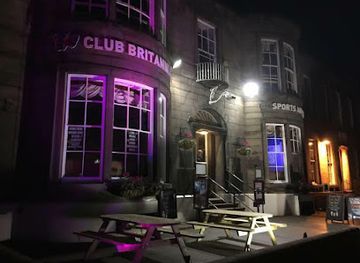
Club Britannia
A vibrant social club in Carlisle offering live music, friendly vibes, and affordable drinks in a smart, welcoming setting.
-
Club
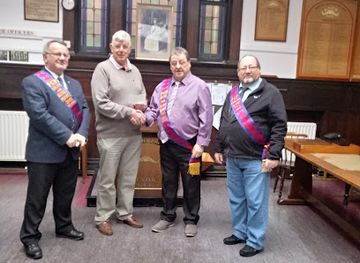
Carlisle R A O B Club
Historic social club in Carlisle offering lively events and a welcoming atmosphere rooted in the Royal Antediluvian Order of Buffaloes tradition.
-
Nightclub
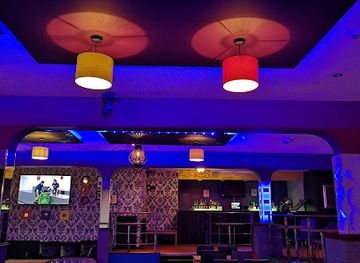
The Lounge C9
Experience Barrow-in-Furness’ vibrant nightlife at The Lounge C9, where music, drinks, and community come alive every weekend.
-
Nightclub
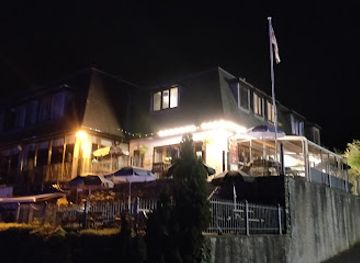
Wheelhouse Nightclub
Experience vibrant weekend nights with diverse music and lively drinks at Wheelhouse Nightclub, Bowness-on-Windermere’s top late-night hotspot.
Best shops in Cumbria
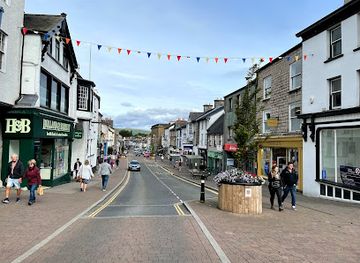
Shopping in Cumbria is centred on market towns, independent high streets, village stores, galleries and food producers rather than large-scale luxury retail. Carlisle provides the widest urban range, while Kendal, Penrith, Keswick, Cockermouth, Appleby-in-Westmorland and Ulverston offer distinct combinations of everyday shops, books, outdoor equipment, antiques, crafts and cafés. Lake District settlements have many galleries and craft outlets selling ceramics, prints, textiles, woodwork and artwork inspired by local landscapes, although visitors should distinguish locally made goods from generic souvenirs. Farm shops and farmers’ markets are good places to buy cheeses, preserves, cured meats, damson products, biscuits, gingerbread and other regional provisions. Outdoor clothing and walking equipment are particularly well represented in towns serving the national park. Seasonal markets and events vary, so check local arrangements before making a special journey, especially in smaller villages and rural districts.
-
Shopping Centre
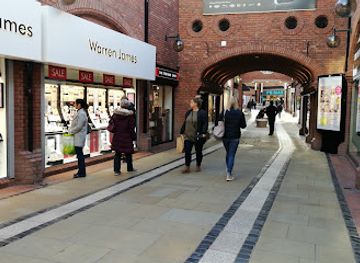
The Lanes Shopping Centre
A vibrant indoor shopping destination in Carlisle city centre, blending high street brands with local charm and convenient amenities.
-
Shopping Centre
Blackhall Shopping Yard Kendal
Historic artisan shopping yard in Kendal's heart, home to independent specialists and local heritage.
-
Shopping Centre
Elephant Yard Shopping
A stylish shopping hub in Kendal blending modern retail with historic charm and vibrant community spirit.
-
Gift shop
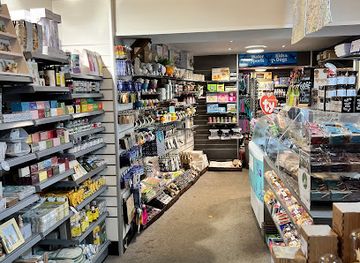
The Barn
Discover locally sourced gifts, quality outdoor gear, and delightful treats at The Barn in scenic Pooley Bridge.

Get your free copy of our complete guide to Cumbria, delivered straight to you.
Everything on this page, from attractions and restaurants to essentials and local phrases, in one PDF you can read offline, print or share.
Already have an account? Sign in
Your Cumbria guide is ready.
We'll send it to · Not you? Sign out

Getting your guide ready…
We are putting together a fresh copy of the Cumbria guide. This can take up to a minute.
This can take a few moments. If your browser asks, choose Allow so the download can start. You'll find the guide in your Downloads folder.
Nothing happened? Download it again
Sorry, the guide is taking longer than usual. Please try again in a minute, or get it by email instead.
Cumbria essentials
Currency and Payment
Safety
Emergency Situations
Do's and Don'ts
Local Tips
From Eve
Local phrases worth knowing
You don't need to get them perfect. A few words go a long way, and locals appreciate the effort.
Basics
| English | Local | Say it |
|---|---|---|
| Hello | Ey up | [/eɪ ʌp/] |
| Goodbye | Ta-ra | [/təˈrɑː/] |
| Yes | Aye | [/aɪ/] |
| No | Naa | [/nɑː/] |
| Please/You’re welcome | Please | [/pliːz/] |
| Thank you | Cheers | [/tʃɪrz/] |
| Excuse me/Sorry | Sorry | [/ˈsɔːr.i/] |
| How are you? | How’s tha? | [/haʊz θɑː/] |
| Fine. And you? | Reet. An thee? | [/riːt. ən ðiː/] |
| Do you speak English? | Dae ye speak English? | [/deɪ jɪ spiːk ˈɪŋɡlɪʃ/] |
| I don’t understand | Ah divn't unnerstand | [/ɑː dɪvnt ʌnəˈstænd/] |
Eating & Drinking
| English | Local | Say it |
|---|---|---|
| I’d like to see the menu, please | Can ah see t’ menu, please? | [/kæn ə siː tʌ ˈmɛnjuː pleɪz/] |
| I don’t eat meat | Ah divn't eat meat | [/ɑː dɪvnt iːt miːt/] |
| Cheers! | Cheers! | [/tʃɪrz/] |
| I would like to pay, please | Can ah pay, please? | [/kæn ə peɪ pleɪz/] |
Emergencies
| English | Local | Say it |
|---|---|---|
| Help! | Help! | [/hɛlp/] |
| Go away! | Gerrout! | [/ˈɡɛraʊt/] |
| Call the Police! | Ring the coppers! | [/rɪŋ ðə ˈkɒpəz/] |
| Call a doctor! | Ring a doc! | [/rɪŋ ə dɒk/] |
| I’m lost | Ah’m lost | [/ɑːm lɒst/] |
| I’m ill | Ah'm poorly | [/ɑːm ˈpʊəli/] |
Shopping
| English | Local | Say it |
|---|---|---|
| I’d like to buy... | Ah'd like to buy... | [/ɑːd laɪk tuː baɪ/] |
| I’m just looking | Ah'm just lookin' | [/ɑːm dʒʌst ˈlʊkɪn/] |
| How much is it? | How much’s this? | [/haʊ mʌtʃs ðɪs/] |
| That’s too expensive | That’s too dear | [/ðæts tuː dɪə/] |
| Can you lower the price? | Can ye knock a bit off? | [/kæn jɪ nɒk ə bɪt ɔf/] |
Time & Numbers
| English | Local | Say it |
|---|---|---|
| What time is it? | Wot time is it? | [/wɒt taɪm ɪz ɪt/] |
| It’s one o’clock | It’s one o’clock | [/ɪts wʌn əˈklɒk/] |
| Half past (10) | Half past ten | [/hɑːf pɑːst tɛn/] |
| Morning | Mornin' | [/ˈmɔːrnɪn/] |
| Afternoon | Aft'noon | [/æf.təˈnuːn/] |
| Evening | E'enin' | [/ˈiːnɪn/] |
| Yesterday | Yest'day | [/ˈjɛstədeɪ/] |
| Today | To'day | [/təˈdeɪ/] |
| Tomorrow | T'morrow | [/təˈmɒroʊ/] |
| 1 | 1 | [/wʌn/] |
| 2 | 2 | [/tuː/] |
| 3 | 3 | [/θriː/] |
| 4 | 4 | [/fɔːr/] |
| 5 | 5 | [/faɪv/] |
| 6 | 6 | [/sɪks/] |
| 7 | 7 | [/sɛvən/] |
| 8 | 8 | [/eɪt/] |
| 9 | 9 | [/naɪn/] |
| 10 | 10 | [/tɛn/] |
Transport & Directions
| English | Local | Say it |
|---|---|---|
| Where's a/the...? | Wheir's t’...? | [/wɛrz tʌ.../] |
| What's the address? | Wot’s th’ address? | [/wɒts ðə əˈdrɛs/] |
| Can you show me (on the map)? | Can ye show me (on t’ map)? | [/kæn jɪ ʃoʊ mi (ɒn tʌ mɛp)/] |
| When's the next (bus)? | When's t’ next (bus)? | [/wɛnʌs tʌ nɛkst (bʌs)/] |
| A ticket (to ....) | A ticket (to ....) | [/ə ˈtɪkɪt (tuː ....)/] |
History of Cumbria
Prehistoric Landscapes and Stone Circles
Cumbria contains important evidence of prehistoric communities, particularly around the western Lake District and the Solway region. Stone circles such as Castlerigg, near Keswick, and Long Meg and Her Daughters near Penrith demonstrate the ceremonial and social importance of these landscapes thousands of years ago. Their builders used local stone and positioned monuments in relation to surrounding fells, horizons and valleys. Although much about their beliefs remains uncertain, the sites show that Cumbria was not an isolated wilderness before recorded history; it was a worked and travelled landscape with enduring ritual monuments.
Roman Cumbria and Hadrian’s Frontier
Roman control transformed northern Britain from the first century AD, bringing roads, forts and administrative settlements to Cumbria. Hadrian’s Wall crosses the north of the county, with remains extending towards the Solway coast at positions including Birdoswald and the western end near Bowness-on-Solway. Other Roman installations stood at Carlisle and along routes into the central and western parts of the region. The frontier was not simply a defensive barrier: it supported movement, trade and military communities, leaving archaeological evidence that connects Cumbria with the wider imperial world.
Medieval Monastic Power
Medieval religious houses became major landowners and economic forces in Cumbria. Furness Abbey, founded in the twelfth century, developed into one of northern England’s wealthiest Cistercian monasteries, while Shap Abbey and other houses managed estates, farms and industries across the region. Monastic communities influenced settlement, agriculture, woodland management and local trade. Their power ended with the Dissolution of the Monasteries in the sixteenth century, but their ruins, landholdings and architectural remains still shape the historical character of southern and central Cumbria.
The Border Counties and Carlisle
For centuries Cumbria’s northern districts formed part of the turbulent Anglo-Scottish borderlands. Carlisle was repeatedly contested because of its strategic position on routes between the two kingdoms, and its castle, city walls and cathedral reflect its military and ecclesiastical importance. Cross-border raiding affected communities on both sides, encouraging the construction of fortified houses and defensive settlements. After the crowns of England and Scotland were united in 1603, the border became more stable, although Carlisle retained its role as a regional administrative and commercial centre.
Mining, Farming and Industrial Expansion
Cumbria’s economy developed through a combination of upland farming, mineral extraction and manufacturing. Iron ore mining became especially important around Furness and the west coast, helping to support ironworks, shipbuilding and the growth of Barrow-in-Furness during the nineteenth century. Coal mining and quarrying also shaped coastal and inland communities, while the arrival of railways connected ports, market towns and industrial centres. In the uplands, sheep farming remained central, with Herdwick husbandry becoming closely associated with the Lake District and its cultural landscape.
Railways, Tourism and the Lake District Imagination
Nineteenth-century railways made the lakes and mountains far more accessible to visitors from northern industrial cities and beyond. Tourism grew alongside an established literary and artistic interest in the region, shaped by figures such as William Wordsworth and John Ruskin. Hotels, steamers, guidebooks and walking routes helped create the modern Lake District as a destination, while writers and campaigners also influenced debates about landscape protection. The expansion of tourism brought economic opportunity but also made questions of access, conservation and local livelihood increasingly significant.
Conservation and the Modern County
The Lake District National Park was established in 1951, formalising a long tradition of landscape appreciation and protection. In 2017 the Lake District became a UNESCO World Heritage cultural landscape, recognising the interaction of farming, settlement, art and natural scenery. Modern Cumbria continues to balance conservation with tourism, agriculture, housing and major industrial activity on the west coast. The county’s identity therefore rests not only on scenic landscapes but also on working communities, historic towns, maritime connections and the continuing management of a heavily visited rural environment.
Cumbria in Photos
Browse through our photo collection highlighting the charm and character of the destination.
Neighbouring regions of Cumbria
The closest regions to Cumbria, if you have time for more than one.
-

-

-

-

-


Swipe for more regions
Explore more

Explore more of United Kingdom
Discover the United Kingdom: A blend of rich history, stunning landscapes, and vibrant cities, offering a unique travel experience for every visitor.
Explore United Kingdom