Cromford Mills, Derbyshire Travel Guide
Explore the historic heart of the Industrial Revolution at Cromford Mills, a beautifully preserved 18th-century cotton mill complex in Derbyshire.
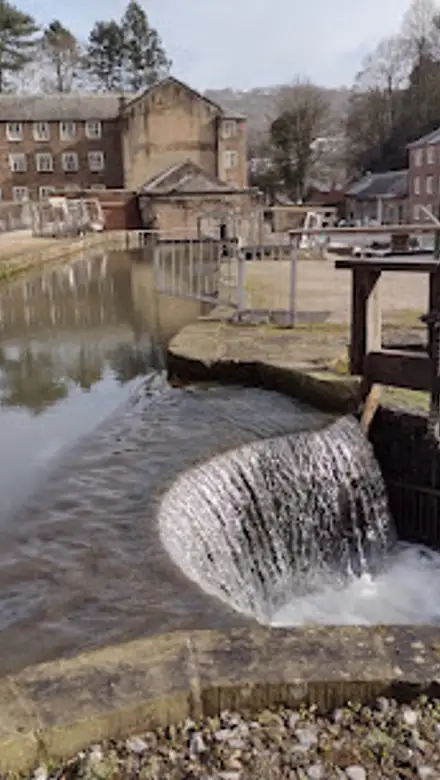
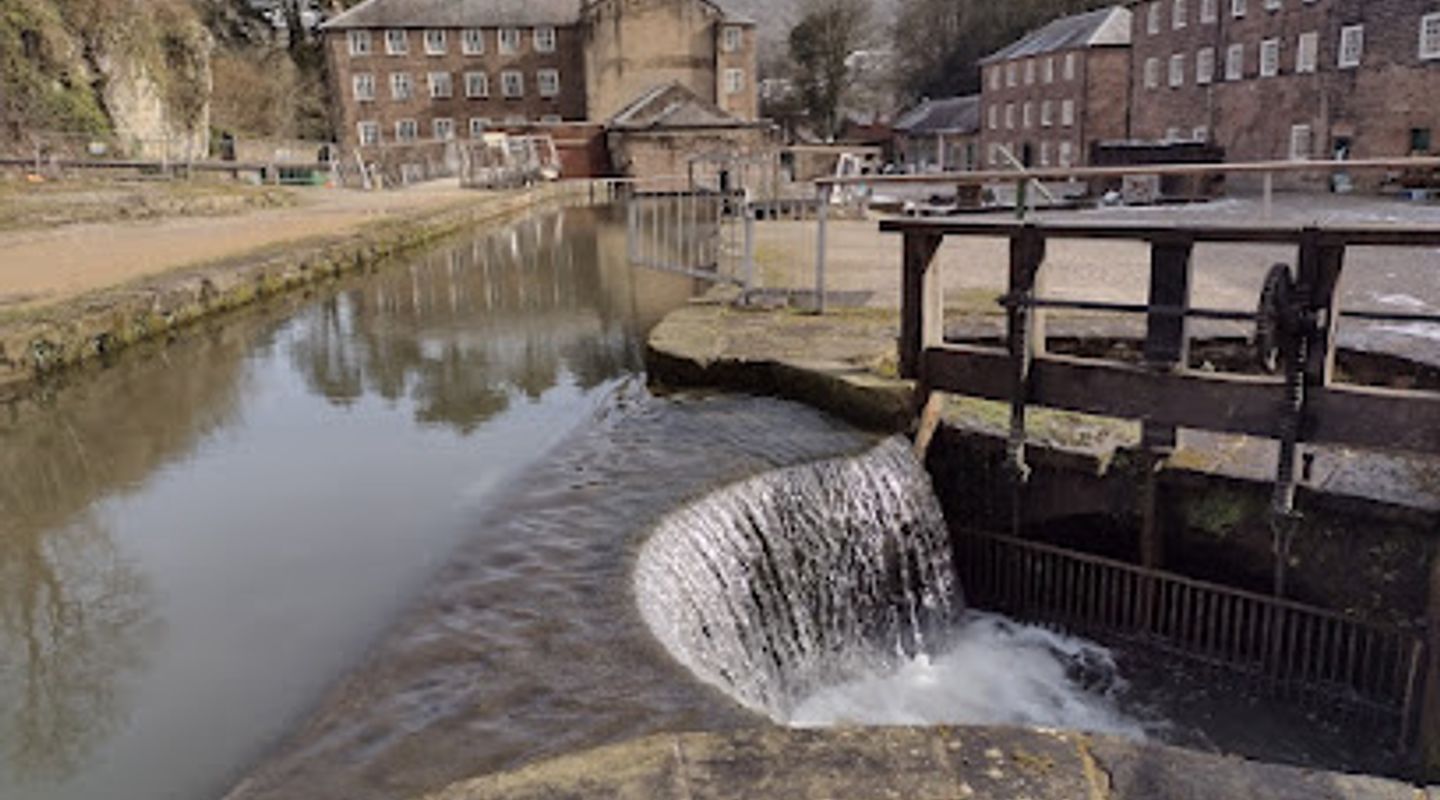
Cromford Mills in Derbyshire is a historic cotton mill complex founded by Sir Richard Arkwright in the 18th century, recognized as the world’s first successful water-powered cotton spinning mill. Part of the UNESCO Derwent Valley Mills World Heritage Site, it offers visitors a rich industrial heritage experience with restored mill buildings, guided tours, artisan shops, cafés, and scenic canal walks, all set within a picturesque village landscape.
A brief summary to Cromford Mills
- Mill Rd, Matlock, Cromford, DE4 3RQ, GB
- Click to display
- Click to display
- Duration: 1.5 to 4 hours
- Mid ranged
-
 Outdoor
- Mobile reception: 4 out of 5
- Monday 10 am-5 pm
- Tuesday 10 am-5 pm
- Wednesday 10 am-5 pm
- Thursday 10 am-5 pm
- Friday 10 am-5 pm
- Saturday 10 am-5 pm
- Sunday 10 am-5 pm

Know before you go
Hi, I'm Eve. Here are a few practical things to know before exploring Cromford Mills.
- Book guided tours in advance to access restricted areas and gain deeper insights into the mill’s history.
- Visit the on-site cafés for homemade local dishes and enjoy outdoor seating with canal views.
- Wear comfortable shoes for walking the mill yard and nearby canal paths.
- Check the official website for current opening hours and special events before your visit.
Do you manage this location?
Take control to get all the benefits, like improved information, better appearance, and stronger visibility across AI-powered discovery. Learn more about listing your business on Evendo
Activate your presenceOther nearby places you may find interesting
The closest places of the same kind, if this one is not quite what you had in mind.
Explore Cromford Mills on the Map
A handpicked selection of must-see spots near Cromford Mills, mapped for you.
Getting There
-
Train
Take the regular East Midlands Trains service from Derby or Matlock to Cromford station, followed by a 5-10 minute walk along Mill Road to the mill site. Train tickets typically cost £5-£10 one way, depending on origin, with frequent daily services.
-
Bus
Use Trent Barton’s TransPeak or 6.1 bus services from Derby to Cromford village. Buses run several times daily with fares around £4-£6. From the village, it is a 10-15 minute walk to the mills. Check schedules for weekend and holiday variations.
-
Car
Drive via the A6, approximately 20 minutes north of Derby. Pay and display parking is available near the mill and canal wharf with fees supporting site restoration, typically £3-£5 for a half-day. Satnav postcode DE4 3RQ.
For the on-the-go comforts that matter to you
-
 Restrooms
-
 Drink Options
-
 Food Options
-
 Seating Areas
-
 Trash Bins
-
 Information Boards
Discover more about Cromford Mills
Origins of Industrial Innovation
Cromford Mills stands as a monumental landmark in industrial history, established in 1771 by Sir Richard Arkwright. It is widely regarded as the birthplace of the modern factory system, pioneering the use of water power to drive cotton spinning machinery. The original mill building, constructed from locally sourced gritstone, exemplifies early industrial architecture and engineering ingenuity. Arkwright’s vision transformed textile manufacturing and set the stage for the Industrial Revolution, influencing factory design and production methods worldwide.Historic Buildings and Social Legacy
The mill complex includes a variety of historic structures beyond the main mill, such as the loom shop, warehouse, and workers’ housing. These buildings illustrate the social infrastructure Arkwright created for his workforce, reflecting early industrial community planning. Interpretation boards around the mill yard provide detailed historical context, revealing stories of the mill workers’ daily lives, the human cost of industrialization including child labor, and the transatlantic connections of the cotton trade.Visitor Experience and Facilities
Visitors can explore the mill yard freely, enjoying a blend of heritage and contemporary artisan shops, including a bookshop, antique store, and cheese shop. The site features multiple cafés, such as Arkwright’s Café and Wheatcroft’s Wharf, offering homemade cakes, hot meals, and local produce with indoor and outdoor seating overlooking the canal and mill yard. Accessible toilets and baby changing facilities are available, with additional amenities at the nearby canal wharf and village.Guided Tours and Educational Programs
Guided tours led by knowledgeable volunteers provide in-depth insights into the mill’s operation, water management systems, and industrial significance. These tours often include access to restricted areas and highlight technological innovations and social history. Educational workshops align with national curricula, catering to school groups and families, while special events celebrate heritage crafts, traditional skills, and community activities throughout the year.Natural Setting and Outdoor Activities
Set along the Derwent Valley and adjacent to the Cromford Canal, the site offers scenic walks and nature escapes. Visitors can stroll along the canal towpath to nearby villages or enjoy views across the valley towards Matlock. The surrounding countryside enhances the tranquil atmosphere, making Cromford Mills a destination for both cultural enrichment and outdoor relaxation.Preservation and Community Impact
Managed by the Arkwright Society, a dedicated heritage charity, Cromford Mills benefits from ongoing restoration and conservation efforts. Revenue from parking and on-site purchases supports the preservation of this UNESCO World Heritage Site. The mills remain a vibrant community hub, hosting markets, festivals, and seasonal activities that connect visitors with Derbyshire’s rich industrial past.












Your all‑in‑one travel companion app
Explore expert travel guides, compare and book tours, experiences, hotels, and more—all from the palm of your hand. Download now for seamless trip planning wherever your wanderlust takes you.


Explore More of Derbyshire
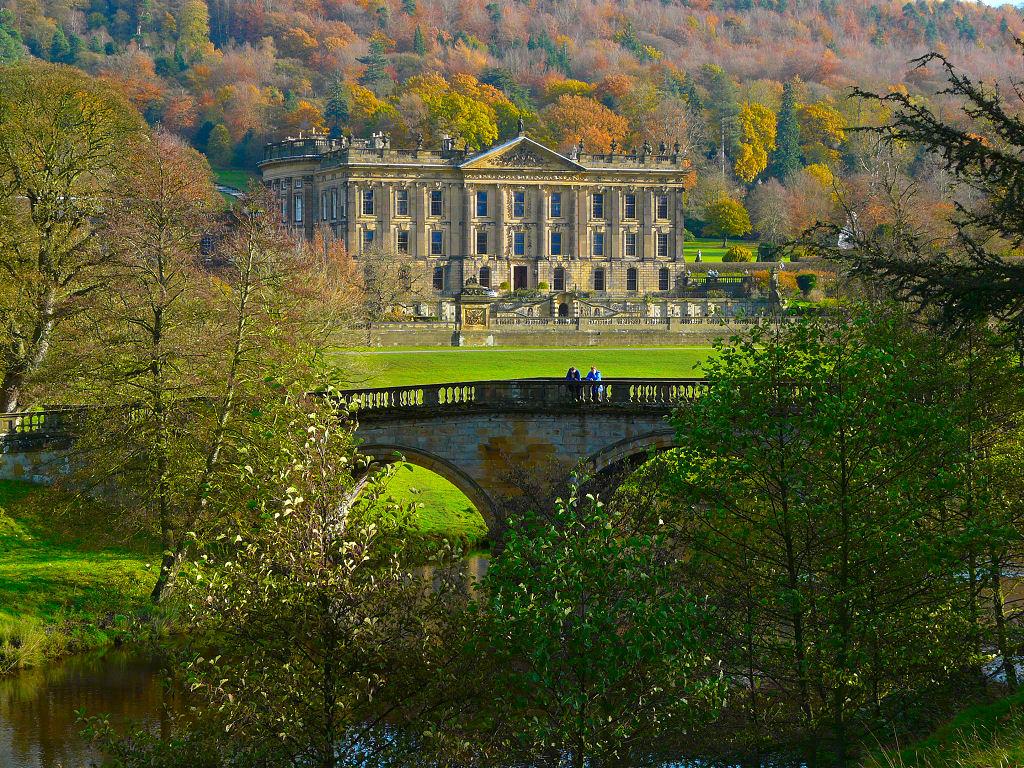
Looking beyond Cromford Mills? Discover Derbyshire for broader travel guides, local hot-spots, and regional highlights.
Explore Derbyshire