

Derbyshire, United Kingdom Travel Guide
Explore Derbyshire: Discover the breathtaking landscapes of the Peak District, historic estates, and charming market towns in England's picturesque heartland.
Derbyshire, located in the East Midlands of England, is a county rich in history and natural splendor. The region is home to the Peak District National Park, the first national park established in the UK. This vast landscape offers rolling hills, stunning valleys, and quaint villages that seem to be untouched by time. Whether you're an avid hiker or a leisurely stroller, the trails here will lead you to breathtaking views and serene spots perfect for a picnic. Chatsworth House is another jewel in Derbyshire's crown. This grand estate, with its magnificent gardens and opulent interiors, has been home to the Cavendish family for centuries. The house and its grounds are open to the public, offering a glimpse into the opulent lifestyle of British nobility. There's also a farmyard and playground for younger visitors, making it a family-friendly destination. For those interested in history and culture, Derbyshire does not disappoint. The county is dotted with charming market towns like Bakewell, known for its delicious tarts, and Buxton, famous for its thermal springs and Georgian architecture. The industrial heritage of Derbyshire can be explored at the Derwent Valley Mills, a UNESCO World Heritage Site. Here, you can learn about the birthplace of the modern factory system and the role Derbyshire played in the Industrial Revolution.

Know before you go
Hi, I'm Eve. Here are a few practical things to know before exploring Derbyshire.
- Wear comfortable shoes; the Peak District has many walking trails.
- Visit Chatsworth House early to avoid crowds.
- Try the famous Bakewell tart in Bakewell town.
- Check the weather forecast before planning outdoor activities.
- Explore the local markets for unique crafts and fresh produce.
Top City Travel Guides in Derbyshire
The cities of Derbyshire, and the easiest places to base yourself.


Destinations in Derbyshire
Resorts, valleys and scenic spots worth a trip of their own.

Explore Derbyshire: Things to Do, Places to Eat, Hotels & More
Handpicked recommendations for top attractions, local dining, accommodations, and more

Top Attractions & Sightseeing in Derbyshire
Top-rated picks
Best Attractions

Carsington Water
Explore Derbyshire’s scenic reservoir with walking, cycling, watersports, and wildlife watching around a vast 8-mile trail.
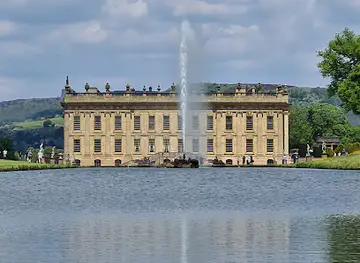
Chatsworth House
Explore Chatsworth House, a majestic stately home with grand gardens, rich history, and festive events in the heart of England’s Peak District.

Dovedale
Explore Dovedale’s breathtaking limestone ravines, iconic stepping stones, and rich wildlife in Derbyshire’s cherished National Nature Reserve.

Kinder Scout
Explore Kinder Scout, the Peak District’s highest moorland plateau, famed for dramatic cliffs, the tallest waterfall, and panoramic views.

Best landmarks in Derbyshire
Top-rated picks
Best Landmarks

Arbor Low Stone Circle and Gib Hill Barrow
Britain's atmospheric 'Stonehenge of the North'—a 5,000-year-old henge monument set high on Peak District moorland.

Sheffield Town Hall
A grand Victorian landmark with an iconic clock tower, intricate stonework, and serene Peace Gardens in Sheffield’s vibrant city centre.
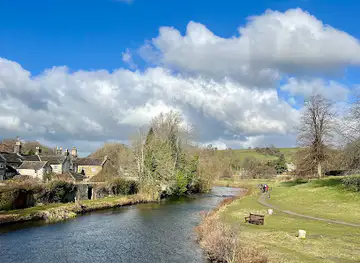
Bakewell Bridge
A timeless medieval stone bridge spanning the River Wye, anchoring Bakewell’s heritage and scenic charm in the Peak District.
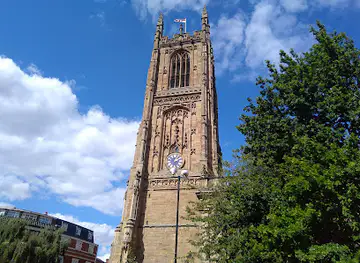
Derby Cathedral
Discover Derby Cathedral’s historic charm, panoramic views, and vibrant cultural life in the heart of Derby city centre.

Best restaurants in Derbyshire
Top-rated picks
Best Restaurants

The Old Original Bakewell Pudding Shop
Discover Bakewell's legendary pudding since 1860 in a historic shop bursting with fresh bakes, charming restaurant vibes, and Peak District hospitality—pure Derbyshire delight.

Restaurant Lovage by Lee Smith
A refined modern British dining experience in Bakewell’s historic stable block, blending local produce with Michelin-starred creativity.

The Lighthouse Restaurant
An intimate fine dining gem in Derbyshire offering inventive seasonal British cuisine with impeccable service and a cozy countryside setting.

Amalfi White
Stylish modern European dining and elegant events venue with inclusive menus and a grand ballroom in Melbourne, Derbyshire.

Best bars in Derbyshire
Top-rated picks
Best Bars
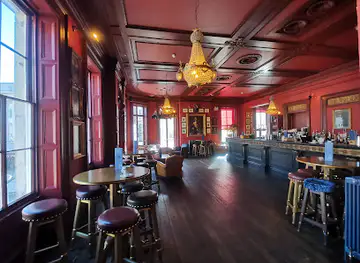
Cosy Club
Historic elegance and modern dining converge in Cosy Club Derby’s vibrant Royal Buildings setting.
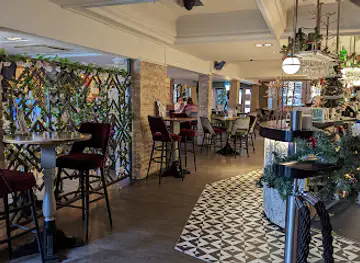
Slug & Lettuce - Derby
Lively cocktail bar and casual dining venue in Derby city centre, perfect for drinks, socialising, and celebrations with stylish vibes and great deals.

The Distillery
Derby’s independent bar and restaurant with the largest spirit collection, innovative menus, and a lively atmosphere in the Cathedral Quarter.

The Flowerpot
Derby’s iconic real ale pub and live music venue blending traditional brews, vibrant gigs, and authentic Gurkha curries in a lively setting.

Best nightclubs in Derbyshire
Top-rated picks
Best Nightclubs

Fever Derby
Derby’s vibrant multi-floor nightclub with diverse music, lively atmosphere, and exclusive VIP experiences for unforgettable nights out.
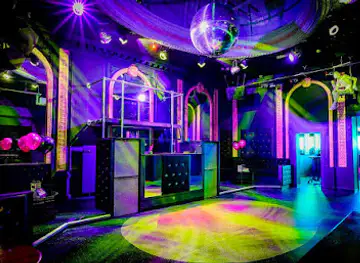
MooMoo Nightclub Derby
Experience Derby’s vibrant nightlife at MooMoo Nightclub with three music rooms, stylish cocktails, and a lively weekend atmosphere.
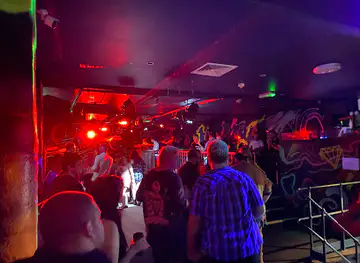
Mosh
Three floors of diverse music and affordable drinks make Mosh a lively, student-friendly nightclub in Derby’s city center.

The Loft
Matlock’s vibrant, intimate nightclub and bar offering eclectic music, lively events, and a welcoming atmosphere in the town centre.

Best shops in Derbyshire
Top-rated picks
Best Shops

Designer Outlet East Midlands
Discover unbeatable designer deals, diverse dining, and family-friendly amenities at East Midlands Designer Outlet, your premier shopping escape in England.

Peak Village
Discover Peak Village: A scenic shopping and dining haven blending local crafts, seasonal cuisine, and nature in the heart of the Peak District.

Shop Indie
Quirky independent gifts from over 250 makers across the UK, curated with care in Chesterfield.

The Lost Cauldron
Where an antique cauldron sparked a magical dream, now a beloved destination for enchanted treasures.

Explore Derbyshire on the Map
A handpicked selection of must-see spots in Derbyshire, mapped for you.
Derbyshire Essentials
-
Derbyshire is located in the East Midlands region of England. The nearest major international airport is Manchester Airport, approximately 50 kilometers away. From Manchester Airport, you can take a train or coach to Derbyshire. Trains run frequently from Manchester Piccadilly station to Derby, taking around 1.5 hours. Alternatively, East Midlands Airport, about 20 kilometers from Derby, serves domestic and European flights. From there, you can take a bus or taxi to Derbyshire.
-
Derbyshire offers various transportation options. Trains connect major towns like Derby, Chesterfield, and Buxton. Buses serve local routes and connect smaller villages. Taxis are available but can be more expensive. For exploring the countryside, renting a car is recommended. There are also numerous walking and cycling routes for those who prefer to explore on foot or by bike.
-
The official currency in the United Kingdom is the British Pound (GBP). Credit and debit cards are widely accepted in hotels, restaurants, and shops. ATMs are readily available in towns and cities. Contactless payments are also common. It’s advisable to carry some cash for use in smaller establishments and rural areas where card payments may not be accepted.
-
Derbyshire is generally a safe destination for tourists. However, standard precautions should be taken. Areas like Derby city center can experience higher crime rates, especially at night. Avoid poorly lit and unfamiliar areas after dark. Keep your belongings secure in crowded places and be vigilant against pickpockets. Always have emergency contact numbers handy.
-
In case of emergency, dial 999 for immediate assistance from police, fire, or medical services. Derbyshire has numerous hospitals and medical facilities, including the Royal Derby Hospital. It is recommended to have travel insurance that covers medical emergencies. Pharmacies are available in towns for over-the-counter medications.
-
Fashion: Do dress in layers, as the weather can be unpredictable. Avoid overly casual attire in fine dining establishments. Religion: Do respect religious customs when visiting churches and religious sites. Public Transport: Do be polite and offer your seat to elderly or disabled passengers. Don’t eat or drink on public transport. Greetings: Do greet people with a handshake. It is customary to address strangers and acquaintances with 'Mr.' or 'Mrs.' Eating & Drinking: Do try local foods like Bakewell pudding and Derbyshire oatcakes. Don’t leave a large tip; 10-15% is customary for good service.
-
To experience Derbyshire like a local, visit the Peak District National Park for stunning landscapes and outdoor activities. Explore local markets in towns such as Bakewell and Buxton for fresh produce and unique crafts. Engage with locals in pubs, where you can learn about the area’s history and culture. Don't miss visiting historic sites like Chatsworth House and Haddon Hall for a glimpse into the region’s rich heritage.
When is the best time to visit Derbyshire?
Useful Local Phrases for Derbyshire
You don't need to speak the language perfectly. Even learning a few simple words can make conversations warmer—and locals usually appreciate the effort.
— Eve

Here are the phrases I use most often in Derbyshire. Try a few—you'll be surprised how far they go! 😊
❤️
-
- HelloAye up
[Eye up] - GoodbyeTa-ra
[Tah-rah] - YesAye
[Eye] - NoNay
[Nay] - Please/You're welcomePlease/No worries
[Pleeze/No wurries] - Thank youCheers
[Cheerz] - Excuse me/SorryExcuse me/Sorry
[Excuse me/Sorry] - How are you?Ow do?
[Oww doo?] - Fine. And you?Reet. An' thee?
[Reet. An' thee?] - Do you speak English?D'ya speak English?
[D'ya speek English?] - I don't understandAh don't get it
[Ah don't get it]
- HelloAye up
-
- I'd like to see the menu, pleaseCan I see the menu, please?
[Can I see th' menu, pleeze?] - I don't eat meatAh don't eat meat
[Ah don't eet meat] - Cheers!Cheers!
[Cheerz!] - I would like to pay, pleaseCan I pay, please?
[Can I pay, pleeze?]
- I'd like to see the menu, pleaseCan I see the menu, please?
-
- Help!Help!
[Help!] - Go away!Clear off!
[Clear off!] - Call the Police!Ring the coppers!
[Ring th' coppers!] - Call a doctor!Get a doctor!
[Get a doctor!] - I'm lostAh'm lost
[Ah'm lost] - I'm illAh'm poorly
[Ah'm poorly]
- Help!Help!
-
- I'd like to buy...Ah want to buy...
[Ah want t' buy...] - I'm just lookingAh'm just lookin'
[Ah'm just lookin'] - How much is it?How much's this?
[How much's this?] - That's too expensiveThat's a bit steep
[That's a bit steep] - Can you lower the price?Can ya knock the price down?
[Can ya knock th' price down?]
- I'd like to buy...Ah want to buy...
-
- What time is it?Wot time is it?
[Wot time is it?] - It's one o'clockIt's one o'clock
[It's one o'clock] - Half past (10)Half past ten
[Half past ten] - MorningMornin'
[Mornin'] - AfternoonAfternoon
[Afternoon] - EveningEvenin'
[Evenin'] - YesterdayYesterday
[Yesterday] - TodayToday
[Today] - TomorrowTomorrow
[Tomorrow] - 1One
[One] - 2Two
[Two] - 3Three
[Three] - 4Four
[Four] - 5Five
[Five] - 6Six
[Six] - 7Seven
[Seven] - 8Eight
[Eight] - 9Nine
[Nine] - 10Ten
[Ten]
- What time is it?Wot time is it?
-
- Where's a/the...?Where's a/the ...?
[Where's a/the ...?] - What's the address?Wot's the address?
[Wot's th' address?] - Can you show me (on the map)?Can ya show me (on th' map)?
[Can ya show me (on th' map)?] - When's the next (bus)?When's th' next (bus)?
[When's th' next (bus)?] - A ticket (to ....)A ticket (to ...)
[A ticket (to ...)]
- Where's a/the...?Where's a/the ...?
History of Derbyshire
-
The Roman invasion of Britain in AD 43 brought significant changes to Derbyshire. The Romans established the fort of Derventio in what is now Derby, which became an important settlement. They built roads, such as the Ryknild Street, to connect Derbyshire with other parts of Roman Britain. Artifacts from this era, including coins and pottery, have been discovered throughout the county, highlighting its significance during Roman rule.
-
Derbyshire played a pivotal role during the Industrial Revolution. The county's abundance of natural resources, such as coal and iron, fueled industrial growth. Richard Arkwright, often called the 'Father of the Factory System,' built his pioneering water-powered cotton mill at Cromford in 1771. This innovation transformed the textile industry and set the stage for the modern factory system. The museums and preserved mills in the Derwent Valley Mills UNESCO World Heritage Site provide a vivid insight into this transformative period.
-
Chatsworth House, the grand stately home of the Duke and Duchess of Devonshire, has been a central feature of Derbyshire's cultural landscape since the 16th century. The house, set in expansive gardens designed by Capability Brown, showcases an extensive art collection, including works by Rembrandt and Van Dyck. The estate's history is intertwined with that of the influential Cavendish family, who have played significant roles in British political and social history.
-
In 1665, the village of Eyam in Derbyshire became known for its extraordinary response to the bubonic plague. When the plague arrived via infected cloth from London, the villagers, led by their rector William Mompesson, chose to quarantine themselves to prevent the disease from spreading. This act of self-sacrifice resulted in many deaths within the village but successfully contained the plague. Today, Eyam is remembered for its bravery, with memorials and a museum dedicated to this poignant chapter in its history.
-
Established in 1951, the Peak District National Park was the first national park in the United Kingdom. Covering significant portions of Derbyshire, it is renowned for its stunning landscapes, including rolling hills, deep valleys, and picturesque villages. The park has a rich history of human settlement, with ancient stone circles such as Arbor Low and medieval castles like Peveril Castle. It remains a popular destination for hiking, climbing, and appreciating natural beauty.
-
The town of Buxton, known for its geothermal springs, has been a spa destination since Roman times. The Romans called it Aquae Arnemetiae, and its waters were believed to have healing properties. During the 18th and 19th centuries, Buxton flourished as a fashionable spa town, attracting visitors seeking cures for various ailments. The impressive Georgian architecture, including The Crescent and the Devonshire Dome, reflects its historical significance as a health resort.
Neighbouring Regions of Derbyshire
The closest regions to Derbyshire, if you have time for more than one.



Your all‑in‑one travel companion app
Explore expert travel guides, compare and book tours, experiences, hotels, and more—all from the palm of your hand. Download now for seamless trip planning wherever your wanderlust takes you.


Explore More of United Kingdom

Looking beyond Derbyshire? Discover United Kingdom for broader travel guides, local hot-spots, and regional highlights.
Explore United KingdomDerbyshire in Photos
Browse through our photo collection highlighting the charm and character of the destination.


Derbyshire: The Heart of England's Natural Beauty
Derbyshire, located in the East Midlands of England, is a county rich in history and natural splendor. The region is home to the Peak District National Park, the first national park established in the UK. This vast landscape offers rolling hills, stunning valleys, and quaint villages that seem to be untouched by time. Whether you're an avid hiker or a leisurely stroller, the trails here will lead you to breathtaking views and serene spots perfect for a picnic. Chatsworth House is another jewel in Derbyshire's crown. This grand estate, with its magnificent gardens and opulent interiors, has been home to the Cavendish family for centuries. The house and its grounds are open to the public, offering a glimpse into the opulent lifestyle of British nobility. There's also a farmyard and playground for younger visitors, making it a family-friendly destination. For those interested in history and culture, Derbyshire does not disappoint. The county is dotted with charming market towns like Bakewell, known for its delicious tarts, and Buxton, famous for its thermal springs and Georgian architecture. The industrial heritage of Derbyshire can be explored at the Derwent Valley Mills, a UNESCO World Heritage Site. Here, you can learn about the birthplace of the modern factory system and the role Derbyshire played in the Industrial Revolution.