

Leawood Pump House, Derbyshire Travel Guide
Explore the Victorian steam-powered marvel that kept the Cromford Canal flowing, set amidst Derbyshire’s scenic heritage trails.
Leawood Pump House, built in 1849 near Matlock, Derbyshire, is a historic steam-powered pumping station designed to maintain water levels in the Cromford Canal. Featuring two massive beam engines named Victoria and Albert, it exemplifies Victorian industrial architecture and engineering. Now a preserved heritage site, it offers visitors insight into 19th-century canal technology amid scenic countryside surroundings.
A brief summary to Leawood Pump House
- 5 High Peak Trail, Matlock, Whatstandwell, DE4 5HN, GB
- Click to display
- Click to display
- Duration: 1 to 3 hours
- Budget
-
 Outdoor
- Mobile reception: 4 out of 5
- Monday 12:30 pm-4 pm
- Tuesday 12:30 pm-4 pm
- Wednesday 12:30 pm-4 pm
- Thursday 12:30 pm-4 pm
- Friday 12:30 pm-4 pm
- Saturday 12:30 pm-4 pm

Know before you go
Hi, I'm Eve. Here are a few practical things to know before exploring Leawood Pump House.
- Visit during opening hours from 12:30 PM to 4:00 PM for guided tours and live steam engine demonstrations.
- Wear comfortable walking shoes to explore the surrounding heritage trail and canal towpath.
- Bring a camera to capture the impressive red brick architecture and scenic river views.
- Check the schedule for special heritage open days or events hosted by the Cromford Canal Society.
Do you manage this location?
Take control to get all the benefits, like improved information, better appearance, and stronger visibility across AI-powered discovery. Learn more about listing your business on Evendo
Activate your presenceOther nearby places you may find interesting
The closest places of the same kind, if this one is not quite what you had in mind.

Explore Leawood Pump House on the Map
A handpicked selection of must-see spots near Leawood Pump House, mapped for you.
Getting There
-
Bus
Take the local bus service from Matlock town center to Whatstandwell, approximately a 15-20 minute journey. Buses run hourly on weekdays with reduced service on weekends. From the stop, the pump house is a 10-minute walk along the High Peak Trail. Tickets cost around £3-£5.
-
Train
Arrive at Whatstandwell railway station on the Derwent Valley Line from Derby or Matlock. The station is about 1.5 km from the pump house, a 20-minute walk along scenic paths. Trains run roughly every hour, with fares starting at £5.
-
Car
Drive from Matlock via local roads to the High Peak Trail car park near the pump house. Parking is limited and free. The site is accessible year-round but may be busy during weekends and holidays.
For the on-the-go comforts that matter to you
-
 Restrooms
-
 Seating Areas
-
 Information Boards
Discover more about Leawood Pump House
Origins and Industrial Purpose
Constructed in 1849, the Leawood Pump House was engineered to address a critical challenge in canal operation: maintaining adequate water levels along the Cromford Canal. The canal itself, completed in 1794, connected Cromford Mill—owned by industrial pioneer Sir Richard Arkwright—to Derby, facilitating the transport of goods during the Industrial Revolution. Due to the canal's summit level being significantly elevated above the River Derwent, a reliable pumping mechanism was essential to lift water and keep the canal navigable.Victorian Engineering and Architecture
The pump house is a striking example of Victorian industrial architecture, constructed primarily from red brick with ornate detailing and a towering chimney that punctuates the landscape. Inside, two enormous steam-powered beam engines, affectionately named Victoria and Albert, dominate the space. These engines were capable of pumping approximately 800 gallons of water per revolution, lifting it over 20 feet from the river to the canal summit. Designed by Francis Thompson, a specialist in canal engineering, the pump house embodies the ingenuity and craftsmanship of the era.Operational History and Restoration
Leawood Pump House operated continuously from its commissioning in 1849 until the closure of the Cromford Canal in 1944. After decades of inactivity, it was restored in 1979 by the Cromford Canal Society, a volunteer group dedicated to preserving the canal's heritage. Today, the pump house is maintained in pristine working condition, with periodic demonstrations of the beam engines offering visitors a rare glimpse into historic steam technology in action.Setting and Visitor Experience
Nestled in the picturesque Derbyshire countryside near Whatstandwell, the pump house is part of a longer heritage trail that attracts history enthusiasts and nature lovers alike. The surrounding area features scenic walking paths along the canal towpath, where visitors can enjoy tranquil views of the River Derwent and observe local wildlife including birds and aquatic species. The combination of industrial heritage and natural beauty creates a unique and immersive experience.Significance and Cultural Value
As a Grade II* listed building, Leawood Pump House holds significant cultural and historical value. It stands as a testament to the region’s industrial past and the technological advancements that powered Britain’s canal networks. The preservation of its machinery and structure allows contemporary audiences to connect with the engineering feats of the 19th century and appreciate the role such infrastructure played in shaping the Industrial Revolution.Community and Educational Role
Managed by dedicated volunteers, the pump house serves as an educational resource, offering guided tours and interpretive displays that explain the mechanics of steam pumping and the broader context of canal transportation. Events and heritage open days provide opportunities for families, students, and enthusiasts to engage with this living museum, fostering appreciation for industrial history and conservation efforts.












Your all‑in‑one travel companion app
Explore expert travel guides, compare and book tours, experiences, hotels, and more—all from the palm of your hand. Download now for seamless trip planning wherever your wanderlust takes you.


Explore More of Derbyshire
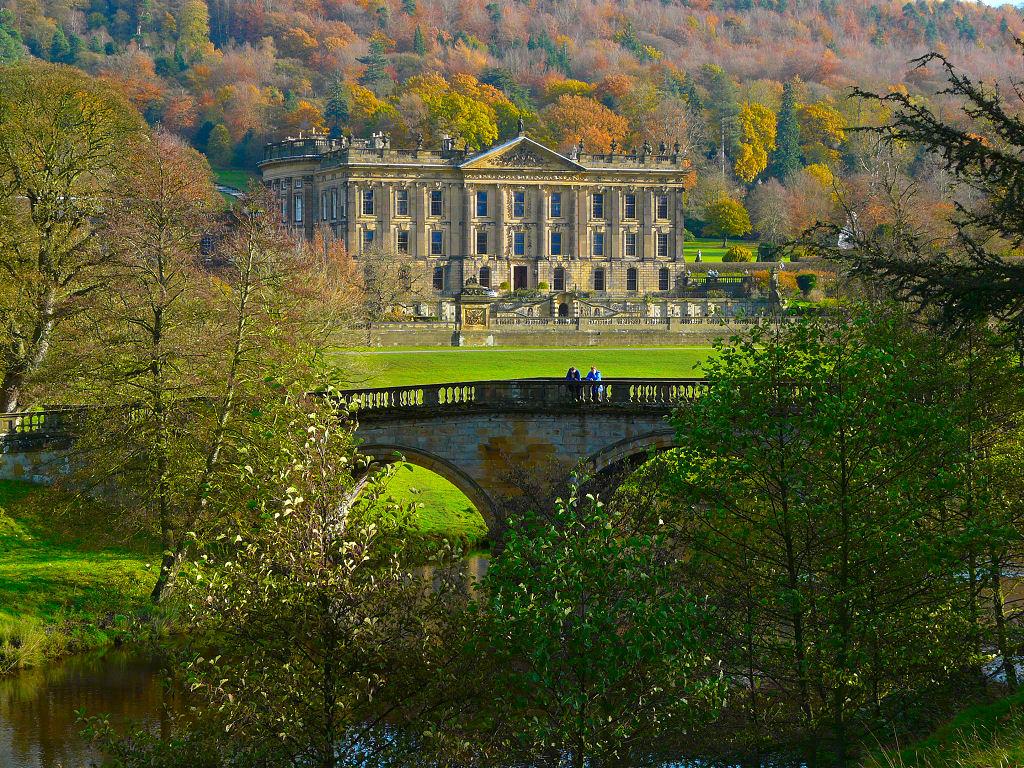
Looking beyond Leawood Pump House? Discover Derbyshire for broader travel guides, local hot-spots, and regional highlights.
Explore Derbyshire
Explore Stanton Moor’s ancient stone circles and wild moorland, a captivating blend of prehistoric mystery and Peak District natural beauty.
Where the Cromford Canal meets the Cromford & High Peak Railway in the Derwent Valley Mills World Heritage Site – a heritage-rich visitor centre with restored railway workshops and forge.
