

Sweetheart Abbey, Down Travel Guide
Explore the romantic ruins of Sweetheart Abbey, a vivid red sandstone monument to love and history nestled in scenic Dumfries and Galloway.
Sweetheart Abbey, nestled in Dumfries and Galloway, is a striking 13th-century Cistercian monastery founded in 1273 by Lady Dervorguilla in memory of her husband, John Balliol. Known for its vivid red sandstone ruins, the abbey tells a poignant story of love and devotion, with Lady Dervorguilla famously buried clutching her husband’s embalmed heart. Visitors can explore the evocative cloisters, the impressive precinct wall, and tranquil graveyard, all set against the scenic backdrop of the Solway Firth and Criffel hills.
A brief summary to Sweetheart Abbey
- Main St, Dumfries, DG2 8BU, GB
- Click to display
- Click to display
- Duration: 1 to 2.5 hours
- Mid ranged
-
 Outdoor
- Mobile reception: 4 out of 5
- Monday 10 am-4:30 pm
- Tuesday 10 am-4:30 pm
- Wednesday 10 am-4:30 pm
- Thursday 10 am-4:30 pm
- Friday 10 am-4:30 pm
- Saturday 10 am-4:30 pm
- Sunday 10 am-4:30 pm

Know before you go
Hi, I'm Eve. Here are a few practical things to know before exploring Sweetheart Abbey.
- Visit during clear weather to fully appreciate the vibrant red sandstone and scenic views of the Solway Firth and Criffel hills.
- Allow time to explore the graveyard and precinct wall, which offer unique photographic opportunities and a tranquil atmosphere.
- Check for any access restrictions due to ongoing masonry conservation before your visit; some areas may be temporarily closed.
- Pick up guidebooks or postcards at the visitor reception to deepen your understanding of the abbey’s history and significance.
- Combine your visit with nearby Dumfries attractions to enrich your experience of Scotland’s rich medieval heritage.
Do you manage this location?
Take control to get all the benefits, like improved information, better appearance, and stronger visibility across AI-powered discovery. Learn more about listing your business on Evendo
Activate your presenceOther nearby places you may find interesting
The closest places of the same kind, if this one is not quite what you had in mind.





Explore Sweetheart Abbey on the Map
A handpicked selection of must-see spots near Sweetheart Abbey, mapped for you.
Getting There
-
Train and Bus
Travelers can take a train from Glasgow or Edinburgh to Dumfries station, with journey times ranging from 1.5 to 2.5 hours. From Dumfries, local buses or taxis provide a 20-30 minute ride to Sweetheart Abbey. Bus services run several times daily but check schedules in advance. Train fares typically range from £15 to £30 one-way, with bus fares around £4 to £6.
-
Car
Driving from Dumfries to Sweetheart Abbey takes approximately 20 minutes via the A710. Parking is available near the abbey with no charge. Note that rural roads may be narrow and less lit at night. Car hire in Dumfries typically costs £30-£50 per day.
-
Walking
For those staying in New Abbey village, the abbey is accessible on foot via well-maintained paths, taking about 10-15 minutes over flat terrain. The walk is suitable for most visitors, including families and seniors.
For the on-the-go comforts that matter to you
-
 Restrooms
-
 Seating Areas
-
 Information Boards
Discover more about Sweetheart Abbey
A Testament to Eternal Love
Sweetheart Abbey was founded in 1273 by Lady Dervorguilla of Galloway as a memorial to her late husband, John Balliol. After his death in 1268, she carried his embalmed heart in an ornate silver and ivory casket, which was buried with her when she died in 1289. This touching act of devotion inspired the monks to name the abbey Dulce Cor, Latin for “Sweet Heart.” The abbey’s romantic origins permeate the site, making it a unique monument to human love and spiritual faith.Architectural Grandeur in Red Sandstone
Constructed in the Early English Gothic style, the abbey’s red sandstone walls glow vividly against the lush green landscape. The church originally featured a 203-foot-long nave, a central tower soaring 92 feet high, and intricately carved stone tracery in the presbytery windows. While much of the abbey lies in ruins today, key elements such as the impressive west front, circular window above the south transept, and the cloisters remain accessible, offering a glimpse into its medieval grandeur.Historical Resilience and Preservation
Sweetheart Abbey endured the turbulence of the Wars of Independence and the Scottish Reformation more gradually than many other abbeys. Edward I of England stayed here in 1300 during his campaign, and later Archibald the Grim, Lord of Galloway, funded extensive repairs. The abbey ceased religious functions in 1608, after which its cloisters were quarried for building materials. Local efforts in the 18th and 19th centuries helped preserve the ruins, which now stand as one of Scotland’s best-preserved Cistercian sites, protected by Historic Environment Scotland.Atmosphere and Visitor Experience
Visitors today can explore the grounds, cloister, and much of the nave, though some areas remain closed due to ongoing masonry conservation. The surrounding graveyard offers a peaceful, reflective space with atmospheric views. The abbey’s tranquil setting between the Solway Firth and Criffel hills enhances its romantic and contemplative ambience, making it a favored spot for weddings, photography, and quiet appreciation of Scotland’s medieval heritage.Notable Features and Surroundings
The massive granite precinct wall enclosing the abbey is among the most complete in Scotland, rivaling that of St Andrews Cathedral Priory. The site includes a visitor reception area with guidebooks and postcards, and clean restroom facilities nearby. The abbey’s vivid red sandstone, evocative tomb of Lady Dervorguilla clutching her husband’s heart, and the serene natural landscape combine to create a deeply moving historical and sensory experience.Legacy and Cultural Significance
Sweetheart Abbey remains a powerful symbol of love, faith, and resilience. Its story connects to the broader history of Scotland’s medieval nobility, including the reign of John Balliol, Lady Dervorguilla’s son, and the complex political landscape of the Wars of Independence. The abbey’s preservation allows visitors to engage with a narrative that transcends time, blending personal devotion with national heritage in a uniquely evocative setting.












Your all‑in‑one travel companion app
Explore expert travel guides, compare and book tours, experiences, hotels, and more—all from the palm of your hand. Download now for seamless trip planning wherever your wanderlust takes you.


Explore More of Down
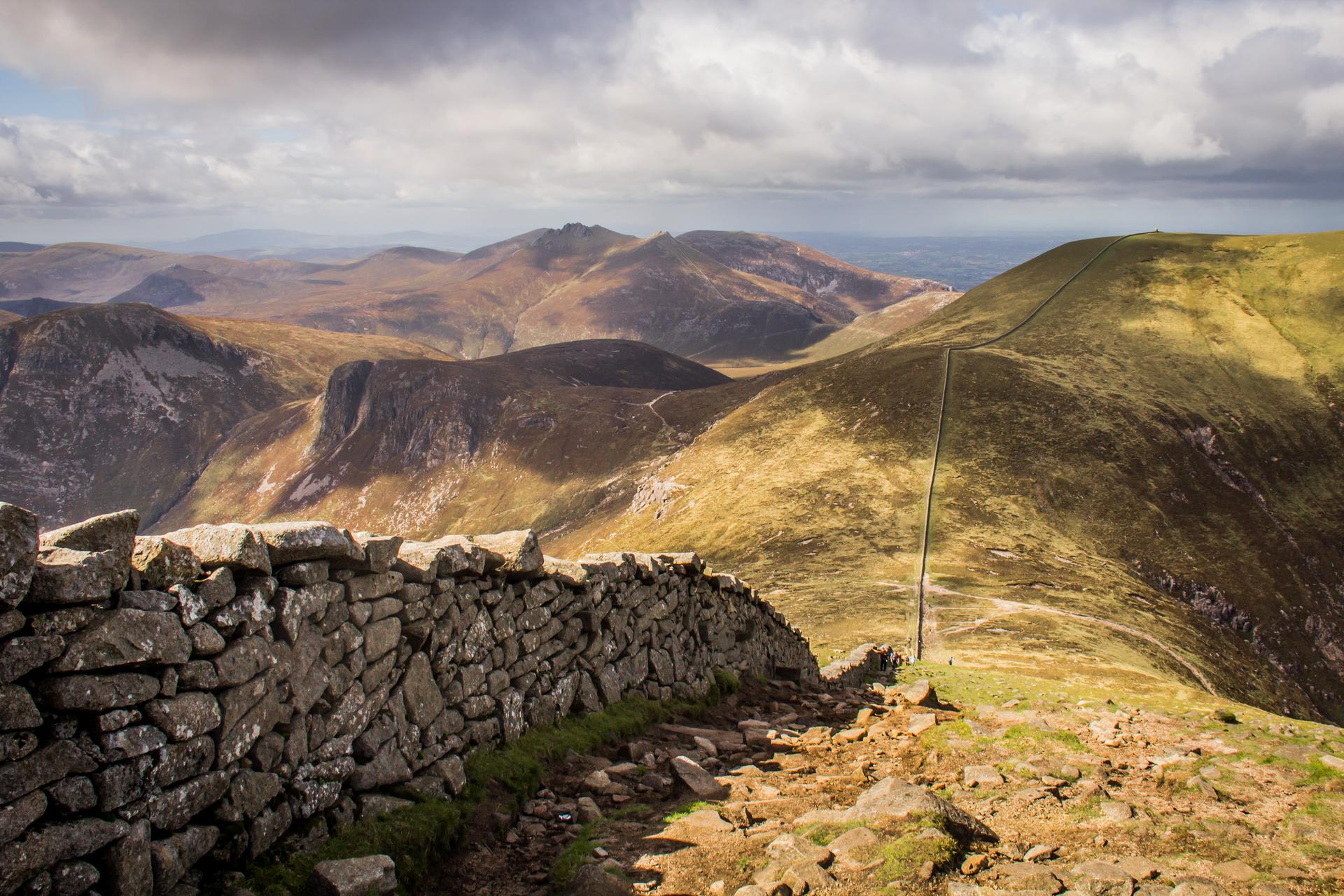
Looking beyond Sweetheart Abbey? Discover Down for broader travel guides, local hot-spots, and regional highlights.
Explore Down
Historic riverside park in Dumfries with family-friendly play, mini-golf, bowling, and scenic picnic spots beside the River Nith.
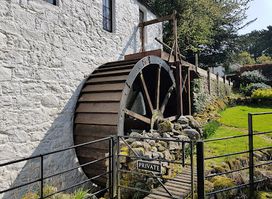
Discover the charm of New Abbey Corn Mill, an 18th-century water-powered mill showcasing Scotland’s rich milling heritage in a picturesque village setting.
