

Free Down Travel Guide & Mobile App
Explore Down with free travel guides. Discover regional history, expert tips, proposed trips, and audio guides on web or mobile app.


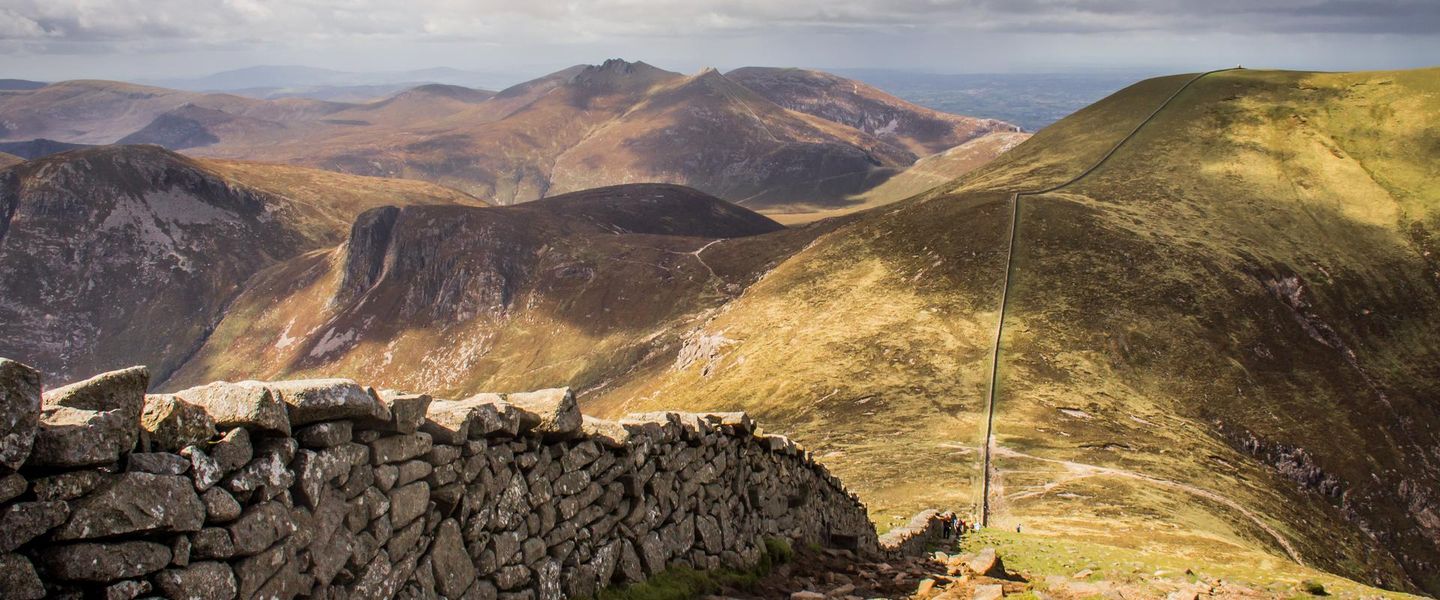


Explore County Down for Mourne Mountain walks, Strangford Lough shores, Saint Patrick heritage, historic estates and Northern Irish coastal food.
Read more about Down
When is the best time to visit Down?
Best: June–August · 19–21°C| Month | High (°C) | Rainfall (mm) |
|---|---|---|
| January | 7 | 80 |
| February | 8 | 70 |
| March | 10 | 70 |
| April | 13 | 60 |
| May | 16 | 60 |
| June (best) | 19 | 50 |
| July (best) | 21 | 60 |
| August (best) | 21 | 60 |
| September | 18 | 60 |
| October | 14 | 80 |
| November | 10 | 80 |
| December | 8 | 90 |
Getting to and around Down
How to get there
Transportation
Top city travel guides in Down
The cities of Down, and the easiest places to base yourself.

Swipe for more cities
Best attractions in Down
County Down's attractions range from mountain landscapes to ecclesiastical ruins and carefully preserved estates. The Mourne Mountains provide the county's major outdoor focus, with walking routes around Newcastle, Tollymore Forest Park and the Silent Valley area. Strangford Lough offers opportunities for birdwatching, sailing, shore exploration and visits to communities such as Portaferry, while the Ards Peninsula combines coastal scenery with historic houses and villages. Downpatrick is the centre of the county's Saint Patrick story, with Down Cathedral, the Saint Patrick Centre and nearby Inch Abbey forming an important heritage group. Castle Ward and Mount Stewart bring together architecture, gardens and evidence of aristocratic estate life, while Grey Abbey preserves a notable medieval monastic setting. Murlough National Nature Reserve is valued for its dune habitat and wildlife, and the National Trust property at Castle Ward is also known for its contrasting architectural styles. Smaller museums, galleries, farm attractions and golf courses broaden the offer, but the county's strongest appeal lies in combining outdoor activity with sites that explain its religious, agricultural and maritime past.
-
Ferris wheel
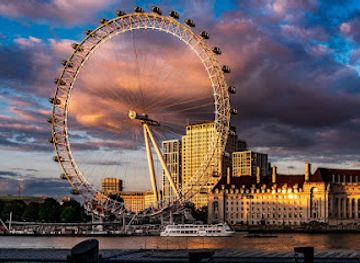
lastminute.com London Eye
Experience breathtaking 360-degree views of London’s iconic skyline from the world’s tallest cantilevered observation wheel.
-
Castle
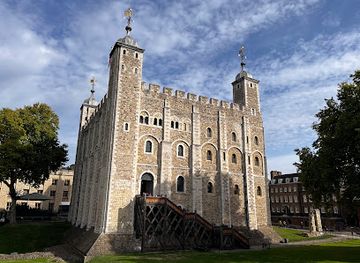
Tower of London
Explore nearly 1,000 years of royal history, from medieval fortress to the dazzling Crown Jewels at London’s iconic Tower.
-
Castle
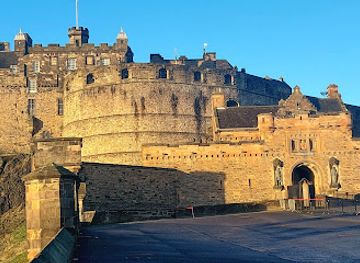
Edinburgh Castle
Iconic fortress atop Castle Rock offering rich Scottish history, stunning city views, and the Crown Jewels of Scotland.
-
Castle
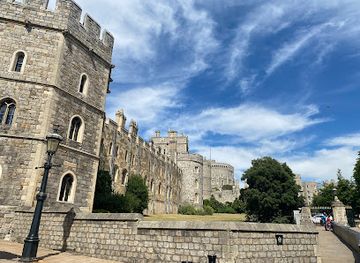
Windsor Castle
Explore Windsor Castle, the world’s oldest inhabited royal residence, where history, grandeur, and royal tradition come alive.
Best landmarks in Down
The granite outline of the Mourne Mountains is County Down's defining natural landmark, particularly when viewed from Newcastle, the coast or the surrounding lowlands. Slieve Donard, the highest summit in Northern Ireland, gives the range its greatest elevation, while the Mourne Wall is a notable nineteenth-century work of engineering crossing the uplands. At Downpatrick, Down Cathedral occupies a historically important hilltop associated by tradition with Saint Patrick, and the nearby remains of Inch Abbey form one of the county's most evocative medieval monuments. Scrabo Tower, rising above Newtownards, is a prominent nineteenth-century landmark built in memory of Charles Stewart, third Marquess of Londonderry. Around Strangford Lough, the towers, demesnes and shoreline settings of Castle Ward and Mount Stewart express the power of former landed estates, while Grey Abbey's stone ruins recall the region's Norman and monastic past. The lough itself, with its islands, narrow channels and changing tidal light, is as important a geographical landmark as any constructed monument.
-
Cultural landmark
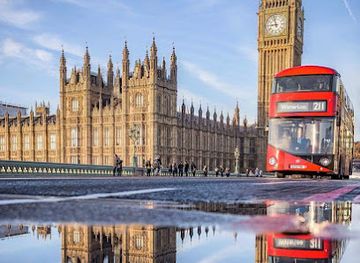
Big Ben
Discover the iconic Elizabeth Tower and its legendary Great Bell, Big Ben, a timeless symbol of London's history and architectural splendor.
-
Cathedral
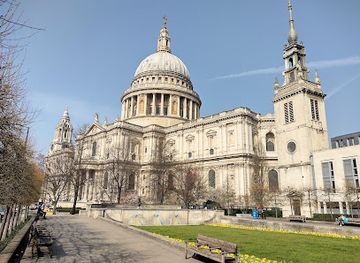
St. Paul's Cathedral
Discover the majestic dome and rich history of St. Paul's Cathedral, an enduring symbol of London’s spirit and architectural grandeur.
-
Historical landmark
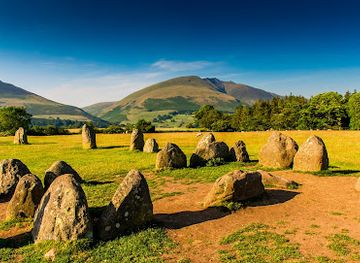
Castlerigg Stone Circle
Explore one of Britain’s oldest stone circles set atop a scenic Lake District hill with panoramic views and ancient mystery.
-
Historical landmark
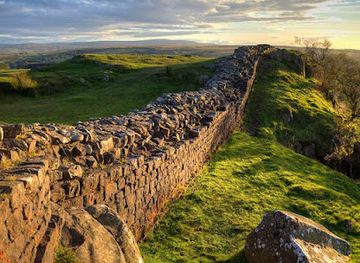
Hadrian's Wall
Explore the ancient Roman frontier of Hadrian’s Wall, a breathtaking 73-mile World Heritage Site rich with history, forts, and stunning landscapes.
Explore Down on the map
Plan your trip on one map. See where the top cities, national parks and sights are, and book hotels and experiences in a few clicks.
Best hotels in Down
Best restaurants in Down
Dining in County Down reflects Northern Ireland's farmed landscape and extensive coastline. Menus in towns, villages and country inns commonly draw on local beef, lamb, poultry, seasonal vegetables and dairy produce, while the fertile land around Comber is particularly associated with potatoes. Strangford Lough and the Irish Sea supply seafood, including oysters and mussels from local waters when in season, as well as fish used in contemporary and traditional cooking. Downpatrick, Newcastle, Bangor, Holywood, Newtownards and smaller coastal communities offer the widest choice of cafés, pubs and restaurants, ranging from simple daytime food to modern menus built around regional ingredients. Bakeries and cafés are useful for traybakes, scones and other Northern Irish favourites, while farmers' markets and farm shops provide a way to buy cheese, preserves, meat and seasonal produce. Menus change with supply and season, so local specialities are best treated as regional possibilities rather than guaranteed dishes in every establishment.
-
Restaurant
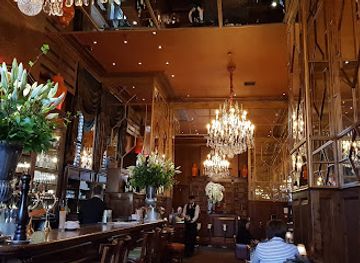
The Dome
Experience Edinburgh’s grandest bar and restaurant, where historic elegance meets exceptional dining and festive magic in the heart of New Town.
-
Asian fusion
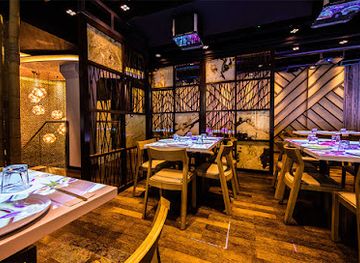
Inamo Covent Garden
Experience cutting-edge interactive dining with pan-Asian sharing plates in the heart of Covent Garden, London.
-
Restaurant
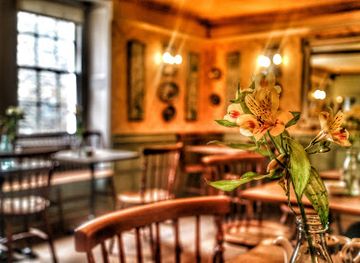
Sally Lunn’s Historic Eating House & Museum
Experience Bath’s oldest house with its legendary Sally Lunn bun, historic kitchen museum, and warm British hospitality in a medieval setting.
-
Restaurant
The Perch
Award-winning riverside gastro-pub blending 17th-century charm with contemporary British cuisine and enchanting Thames-side gardens.
Best bars in Down
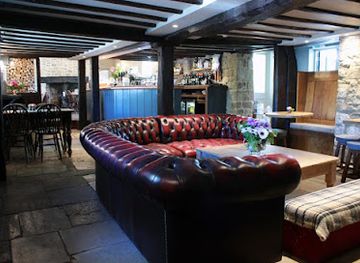
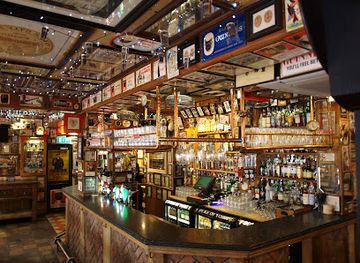
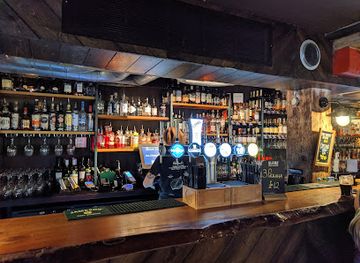
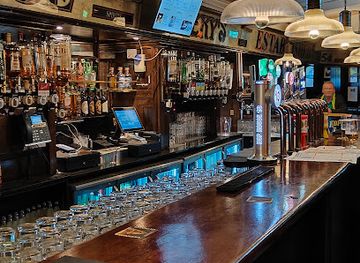
County Down's evening life is centred more on pubs, restaurants, live music and waterfront socialising than on a large nightclub circuit. Bangor, Newtownards, Holywood, Downpatrick and Newcastle have the broadest concentration of bars, with options ranging from traditional pubs and historic inns to contemporary venues serving cocktails, craft beer and food. Smaller towns and villages generally offer a quieter evening built around local pubs, conversation and occasional live music, while the county's coastal resorts become busier during the warmer months. Portaferry and other Strangford Lough communities provide a relaxed setting for a drink after a day outdoors, although late-night transport can be limited. Visitors staying in rural areas should plan how they will return to their accommodation, particularly where taxis are scarce and public transport finishes early. Belfast, immediately beyond northern County Down, offers a much larger club and theatre scene for those prepared to travel outside the county.
-
Pub
Duke of York
Historic Belfast pub with an unmatched Irish whiskey collection and vintage charm in the heart of Commercial Court.
-
Irish pub
The Dirty Onion and Yardbird
Historic Belfast pub blending traditional Irish music, vibrant beer garden, and modern rotisserie chicken in a lively, welcoming setting.
-
Pub
Lavery's
Belfast’s iconic family-run pub offering traditional Irish charm, live music, diverse dining, and vibrant nightlife under one historic roof.
-
Pub
Mr Fogg's Tavern
Step into Victorian charm and savor inventive cocktails and hearty British fare in the heart of Covent Garden.

Best nightclubs in Down
County Down's evening life is centred more on pubs, restaurants, live music and waterfront socialising than on a large nightclub circuit. Bangor, Newtownards, Holywood, Downpatrick and Newcastle have the broadest concentration of bars, with options ranging from traditional pubs and historic inns to contemporary venues serving cocktails, craft beer and food. Smaller towns and villages generally offer a quieter evening built around local pubs, conversation and occasional live music, while the county's coastal resorts become busier during the warmer months. Portaferry and other Strangford Lough communities provide a relaxed setting for a drink after a day outdoors, although late-night transport can be limited. Visitors staying in rural areas should plan how they will return to their accommodation, particularly where taxis are scarce and public transport finishes early. Belfast, immediately beyond northern County Down, offers a much larger club and theatre scene for those prepared to travel outside the county.
-
Nightclub
Ministry of Sound
Experience London’s legendary Ministry of Sound, where world-class DJs, iconic sound systems, and vibrant nightlife unite in Elephant & Castle.
-
Nightclub
E1
Experience East London’s underground pulse with E1’s cutting-edge sound, immersive visuals, and vibrant club nights.
-
Nightclub
Carwash Nightclub
Experience Europe’s longest-running disco party in London’s vibrant West End, where retro glamour meets inclusive, high-energy nightlife.
-
Nightclub
Fire Nightclub
Experience London's vibrant LGBTQ+ nightlife at Fire Nightclub in Vauxhall, a sprawling venue pulsing with energy, music, and diverse themed parties.

Best shops in Down
Shopping in County Down is distributed among market towns, coastal centres, village shops and rural food outlets rather than concentrated in one major retail district. Newtownards has the broadest traditional town-centre offer on the Ards Peninsula, while Bangor and Holywood provide a mixture of high-street retailers, independent businesses, cafés, galleries and gift shops. Downpatrick is useful for heritage-related purchases and everyday shopping, and Newcastle combines resort shops with outdoor clothing, books, crafts and locally themed gifts. Farmers' markets, farm shops and specialist food retailers are good places to look for Northern Irish cheese, preserves, baked goods, potatoes, smoked products and seasonal produce. Around historic estates and tourist attractions, visitors may find books, garden goods, craftwork and locally made gifts, though stock varies by season. The county is better suited to buying regional food, crafts, outdoor equipment and small independent finds than to luxury designer shopping, for which nearby Belfast has a wider choice.
-
Shopping outlet
Livingston Designer Outlet
Scotland's largest designer outlet with 80+ brands, dining, cinema, and family entertainment in one destination.
-
Gift shop
Moffat Mill
Discover Moffat Mill, a vibrant Scottish department store blending heritage shopping, local crafts, and a cozy café in the heart of Moffat.
-
Gift shop
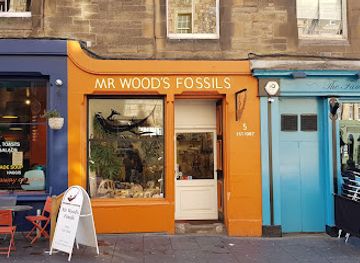
Mr Wood's Fossils
Discover rare fossils, minerals, and meteorites handpicked worldwide in Edinburgh’s iconic Grassmarket shop.
-
Gift shop
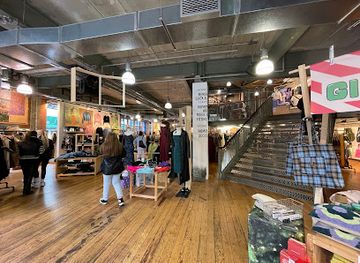
Urban Outfitters
Explore Urban Outfitters Belfast for cutting-edge fashion, unique homewares, and a vibrant creative shopping experience in the heart of the city.

Get your free copy of our complete guide to Down, delivered straight to you.
Everything on this page, from attractions and restaurants to essentials and local phrases, in one PDF you can read offline, print or share.
Already have an account? Sign in
Your Down guide is ready.
We'll send it to · Not you? Sign out

Getting your guide ready…
We are putting together a fresh copy of the Down guide. This can take up to a minute.
This can take a few moments. If your browser asks, choose Allow so the download can start. You'll find the guide in your Downloads folder.
Nothing happened? Download it again
Sorry, the guide is taking longer than usual. Please try again in a minute, or get it by email instead.
Down essentials
Currency and Payment
Safety
Emergency Situations
Do's and Don'ts
Local Tips
From Eve
Local phrases worth knowing
You don't need to get them perfect. A few words go a long way, and locals appreciate the effort.
Basics
| English | Local | Say it |
|---|---|---|
| Hello | Hiya | [hai-uh] |
| Goodbye | Cheerio | [cheer-ee-oh] |
| Yes | Yeah | [yeh] |
| No | Nah | [nah] |
| Please/You're welcome | No worries | [no wuh-reez] |
| Thank you | Cheers | [cheerz] |
| Excuse me/Sorry | Sorry mate | [saw-ree mayt] |
| How are you? | How's it going? | [how's it go-ing] |
| Fine. And you? | All good, you? | [awl good, you?] |
| Do you speak English? | Do ya speak English? | [doo yah speek ing-glish?] |
| I don't understand | I don't get it | [I don't get it] |
Eating & Drinking
| English | Local | Say it |
|---|---|---|
| I'd like to see the menu, please | Can I see the menu, please? | [can I see the men-yoo, pleez?] |
| I don't eat meat | I’m a veggie | [I’m a veji] |
| Cheers! | Cheers! | [cheerz!] |
| I would like to pay, please | Can I get the bill, please? | [can I get the bil, pleez?] |
Emergencies
| English | Local | Say it |
|---|---|---|
| Help! | Help! | [help!] |
| Go away! | Get lost! | [get lost!] |
| Call the Police! | Call the cops! | [call the cops!] |
| Call a doctor! | Get a doctor! | [get a doktor!] |
| I'm lost | I’m lost | [I’m lost] |
| I'm ill | I’m feeling unwell | [I’m feel-ing un-well] |
Shopping
| English | Local | Say it |
|---|---|---|
| I'd like to buy... | I want to buy... | [I want to buy...] |
| I'm just looking | Just browsing, thanks | [just brows-ing, thanks] |
| How much is it? | What's the price? | [what's the price?] |
| That's too expensive | That's a bit steep | [that's a bit steep] |
| Can you lower the price? | Can you knock down the price? | [can you nok down the price?] |
Time & Numbers
| English | Local | Say it |
|---|---|---|
| What time is it? | What’s the time? | [what's the time?] |
| It's one o'clock | It's one | [it's wun] |
| Half past (10) | Half ten | [half ten] |
| Morning | Morning | [morning] |
| Afternoon | Afternoon | [afternoon] |
| Evening | Evening | [evening] |
| Yesterday | Yesterday | [yes-ter-day] |
| Today | Today | [to-day] |
| Tomorrow | Tomorrow | [to-mor-row] |
| 1 | One | [wun] |
| 2 | Two | [too] |
| 3 | Three | [three] |
| 4 | Four | [for] |
| 5 | Five | [fiv] |
| 6 | Six | [siks] |
| 7 | Seven | [sev-en] |
| 8 | Eight | [ayt] |
| 9 | Nine | [nin] |
| 10 | Ten | [ten] |
Transport & Directions
| English | Local | Say it |
|---|---|---|
| Where's a/the...? | Where’s the...? | [where's the...?] |
| What's the address? | What’s the address? | [what's the ad-dress?] |
| Can you show me (on the map)? | Can you show me on the map? | [can you show me on the map?] |
| When's the next (bus)? | When's the next bus? | [when's the next bus?] |
| A ticket (to ....) | A ticket to... | [a tik-it to...] |
History of Down
Neolithic and Bronze Age Landscapes
County Down contains important evidence of prehistoric settlement and ritual activity, including portal tombs, standing stones and burial monuments. The best-known example is the Legananny Dolmen near Castlewellan, a large megalithic monument formed from carefully placed stones. Such sites belong to communities that farmed, traded and commemorated the dead long before written records. Their survival in the modern landscape shows how fields, hills and routes in County Down have been used over many centuries, although the precise meanings of individual monuments remain a matter for archaeological interpretation.
Early Christian Down and Saint Patrick
Downpatrick became a major ecclesiastical centre during the early Christian period and is traditionally associated with Saint Patrick, one of Ireland's best-known patron saints. The saint's reputed grave at Down Cathedral has made the town an important destination for religious and historical visitors. Early monasteries and church sites helped connect County Down to wider networks of learning, pilgrimage and political influence. The medieval and modern landscape around Downpatrick still preserves the memory of this tradition through ecclesiastical ruins, place names and museums.
Norman Expansion and Medieval Settlements
Anglo-Norman expansion reached County Down in the late twelfth century, bringing new forms of lordship, castle building and monastic patronage. Medieval foundations such as Inch Abbey, established for Cistercian monks, reflect the county's integration into wider religious and political systems. Downpatrick and other settlements developed within contested territories where Gaelic Irish and incoming Anglo-Norman interests interacted. The remains of abbeys, earthworks and fortified sites provide tangible evidence of a period in which control of land and coastal routes was repeatedly disputed.
Estate Landscapes and Plantation-era Settlement
From the seventeenth century onwards, political change and new patterns of landholding reshaped eastern Ulster. English and Scottish settlers joined existing communities, contributing to the growth of Ulster-Scots culture in parts of County Down. Later generations of landed families developed large estates, especially around Strangford Lough and the Ards Peninsula. Houses and designed landscapes such as Mount Stewart, Castle Ward and Scrabo Hill reflect changing wealth, politics and architectural fashion. Agriculture remained central, while ports and market towns connected the county to regional trade.
The 1798 Rebellion
County Down was a significant centre of the United Irishmen's rebellion in 1798. Fighting took place at locations including Saintfield and Ballynahinch, where rebel forces confronted government troops and local loyalist forces. The campaign exposed deep political, religious and social divisions in the county, as well as opposition to the existing system of government. Although the rebellion was suppressed, its memory remains part of County Down's historical identity and is marked by monuments, local interpretation and place-based accounts of the conflict.
Agriculture, Linen and Coastal Trade
During the eighteenth and nineteenth centuries, County Down's economy combined farming with linen production, milling, fishing, quarrying and coastal trade. Market towns such as Newtownards and Downpatrick served surrounding agricultural districts, while ports and loughside communities connected the county with Belfast and other Irish Sea destinations. The expansion of roads, railways and improved harbours altered patterns of movement and commerce. Estate villages, farm buildings and industrial remnants still show how agricultural production and small-scale manufacturing shaped the countryside.
Partition and Contemporary County Down
The partition of Ireland in 1921 placed County Down within Northern Ireland and the United Kingdom, creating a political setting that has continued to influence local life. During the twentieth century, town growth, improved roads and commuting expanded the northern part of the county, particularly around Bangor, Holywood and the Belfast Lough shore. The Troubles also affected communities across Northern Ireland, including County Down, though experiences varied between places. Since the peace process, heritage, outdoor recreation, conservation and food production have become increasingly important to the county's visitor economy.
Down in Photos
Browse through our photo collection highlighting the charm and character of the destination.
Neighbouring regions of Down
The closest regions to Down, if you have time for more than one.
-

-

-

-

-


Swipe for more regions
Explore more

Explore more of United Kingdom
Discover the United Kingdom: A blend of rich history, stunning landscapes, and vibrant cities, offering a unique travel experience for every visitor.
Explore United Kingdom