

Traquair House Travel Guide
Free Guide: Explore Scotland’s oldest inhabited house, a royal hunting lodge turned historic mansion with gardens, brewery, and centuries of Stuart family legacy.


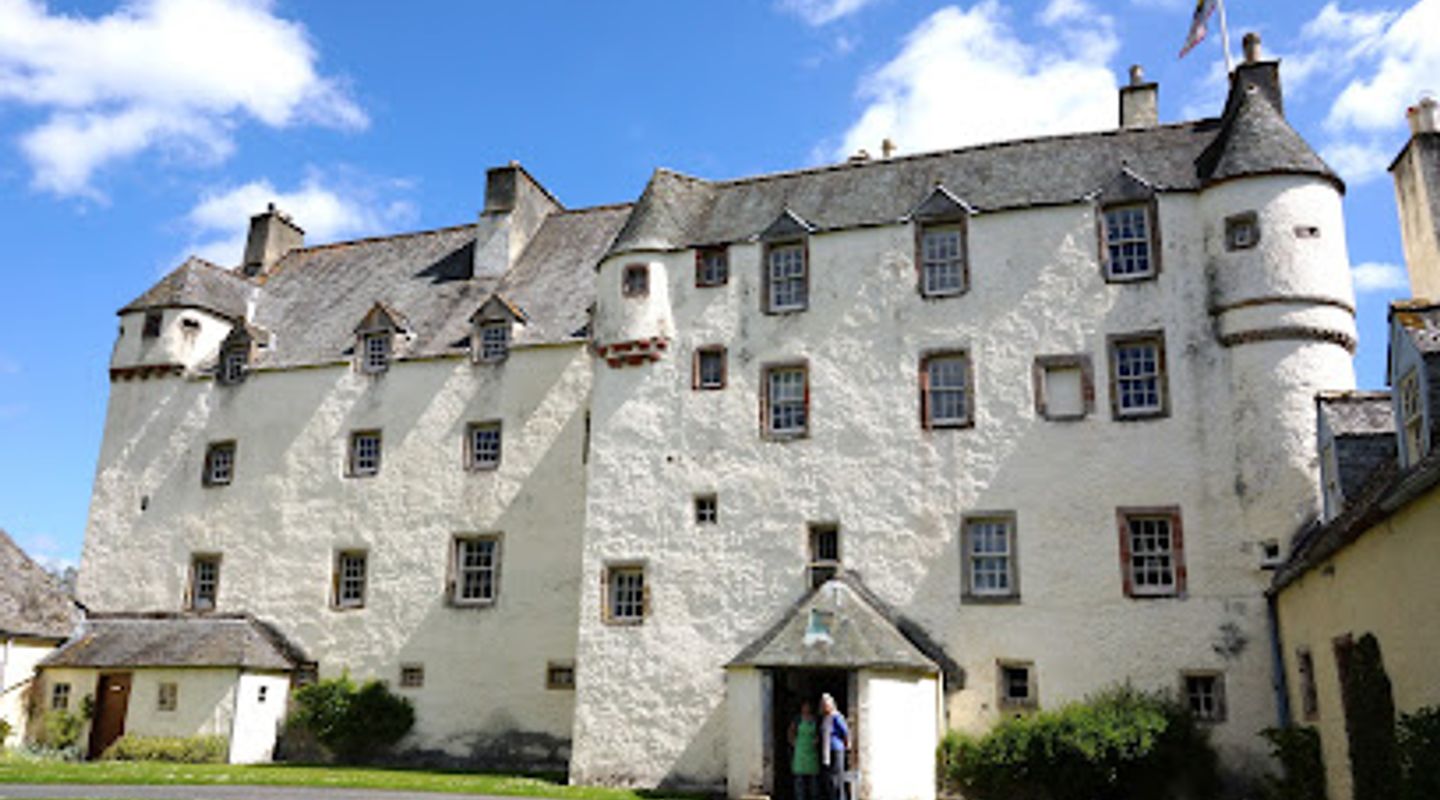
A brief summary of Traquair House
Explore Scotland’s oldest inhabited house, a royal hunting lodge turned historic mansion with gardens, brewery, and centuries of Stuart family legacy.
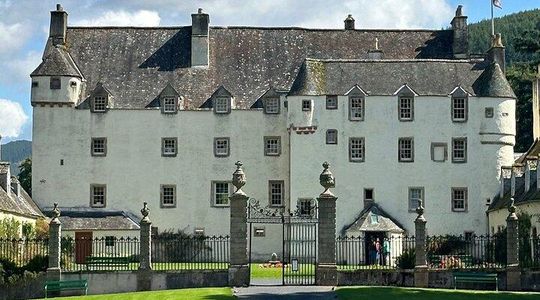
Traquair House, near Innerleithen, is Scotland’s oldest continuously inhabited house, dating back over 900 years. Originally a royal hunting lodge, it has hosted 27 Scottish monarchs including Mary Queen of Scots. The house, largely unchanged since 1695, features historic architecture, formal gardens, a maze, and a renowned brewery. Visitors can explore the grounds, enjoy traditional ales, and experience the rich Stuart family heritage in this atmospheric estate.
On-site amenities
 Restrooms
 Drink options
 Food options
 Seating areas
 Information boards
 Visitor centre
- Address
- Traquair House, Traquair, Innerleithen EH44 6PW
- Phone
- Website
Getting there
Car
Train and Taxi
Bus
Discover more about Traquair House
An Enduring Royal Residence Through Centuries
Traquair House stands as a remarkable testament to Scottish history, being the oldest continuously inhabited house in Scotland with origins dating back to at least 1107. Initially serving as a royal hunting lodge for Scottish kings such as Alexander I, it evolved into a fortified mansion-style residence. The house has witnessed visits from 27 Scottish monarchs, including Mary Queen of Scots in 1566, whose personal belongings like her cradle and bed remain on display. The estate was gifted to the Stuart family in 1491 and has remained in their possession ever since, making it a living chronicle of Scottish nobility and political intrigue.
Architectural Heritage and Historic Features
The present structure largely dates from the late 17th century, completed in 1695 by architect James Smith, who added two side wings, wrought iron courtyard screens, and elegant terraces overlooking formal gardens. Remarkably, the house has seen no major alterations since, preserving its historic character. The Bear Gates at the estate’s entrance, installed in 1738, were famously closed in 1745 after Bonnie Prince Charlie’s visit, with a vow they would remain shut until a Stuart monarch returned. Inside, the house contains a Roman Catholic chapel built in 1829, a vast 18th-century library with over 3,000 volumes, and rooms reflecting centuries of family life and faith.
Traquair’s Role in Scottish History and Culture
Throughout its history, Traquair House was a hub of political and religious significance. The Stuarts’ Catholic faith and Jacobite sympathies led to their isolation during the 18th century, yet the house remained a refuge for Catholic priests during the Reformation, with secret escape routes in the attic. The estate also played a defensive role during the Wars of Independence, forming part of a network of fortified houses guarding the Borders. Its rich heritage is palpable in every corner, from the historic charters signed on site to the stories of loyalty and resilience that echo through its walls.
Exploring the Grounds and Brewery Experience
Visitors to Traquair can wander extensive grounds featuring a maze planted with 1,500 trees, formal gardens, and willow tunnels that enchant families and nature lovers alike. The estate also houses the world-famous Traquair Brewery, established over 300 years ago and rediscovered in 1965. The brewery continues to produce traditional Scottish ales, which visitors can sample in the brewery shop and museum. The Old Walled Garden Café offers refreshments, enhancing the visitor experience with locally inspired fare in a historic setting.
Visitor Experience and Accessibility
Traquair House welcomes visitors from April to November, with seasonal opening hours and special events throughout the year. While the house itself is not fully wheelchair accessible due to its historic nature, key areas including the 17th-century wings, chapel, and dining room are accessible. Informative video tours are available to supplement the experience. Guided tours, including exclusive ones led by the current Lady of Traquair, provide deep insights into the estate’s history. The estate also serves as a romantic venue for weddings and celebrations, blending heritage with hospitality.
Living History and Continuing Legacy
Today, Traquair remains a lived-in family home, preserving traditions and stories that span centuries. The estate’s commitment to maintaining its heritage while welcoming the public offers a unique window into Scotland’s past. From its medieval origins to its role in Jacobite history and its ongoing brewing legacy, Traquair House embodies the spirit of Scottish resilience and culture, making it a captivating destination for history enthusiasts and travelers alike.
Evendo Review Centre
 Google
Guest reviews
Best time to go
Quietest: Jan, Feb & Dec · before 7am or at 8pm
Busy times are Evendo estimates for a typical year, to help you plan. Actual crowds vary with events, school holidays and the weather.
Explore Traquair House on the map
A handpicked selection of must-see spots near Traquair House, mapped for you.
Get your free copy of our complete guide to Traquair House, delivered straight to you.
Everything on this page, from opening hours and how to get there to Eve’s tips and the best time to go, in one PDF you can read offline, print or share.
Already have an account? Sign in
Your Traquair House guide is ready.
We'll send it to · Not you? Sign out

Getting your guide ready…
We are putting together a fresh copy of the Traquair House guide. This can take up to a minute.
This can take a few moments. If your browser asks, choose Allow so the download can start. You'll find the guide in your Downloads folder.
Nothing happened? Download it again
Sorry, the guide is taking longer than usual. Please try again in a minute, or get it by email instead.
Unlock the best of Traquair House
Skip-the-line tickets, guided tours with entry, and walking tours of the area, booked in a few clicks.

Other nearby places you may find interesting
The closest places of the same kind, if this one is not quite what you had in mind.
-
-
-
-
-


Swipe for more places
More to explore near Traquair House

 Best experiences near Traquair House
 Best hotels near Traquair House
 Best landmarks near Traquair House
 Best attractions near Traquair House
 Best shops near Traquair House
 Best restaurants near Traquair House
 Best bars near Traquair House
Do you manage this location?
Take control to get all the benefits, like improved information, better appearance, and stronger visibility across AI-powered discovery.
Explore more
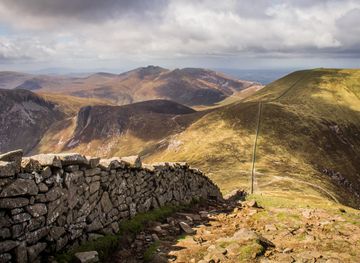
Explore more of Down
Discover the tranquil beauty, historical treasures, and warm hospitality of Down in Northern Ireland, where serene landscapes and rich heritage await.
Explore Down
Explore more of United Kingdom
Discover the United Kingdom: A blend of rich history, stunning landscapes, and vibrant cities, offering a unique travel experience for every visitor.
Explore United Kingdom
