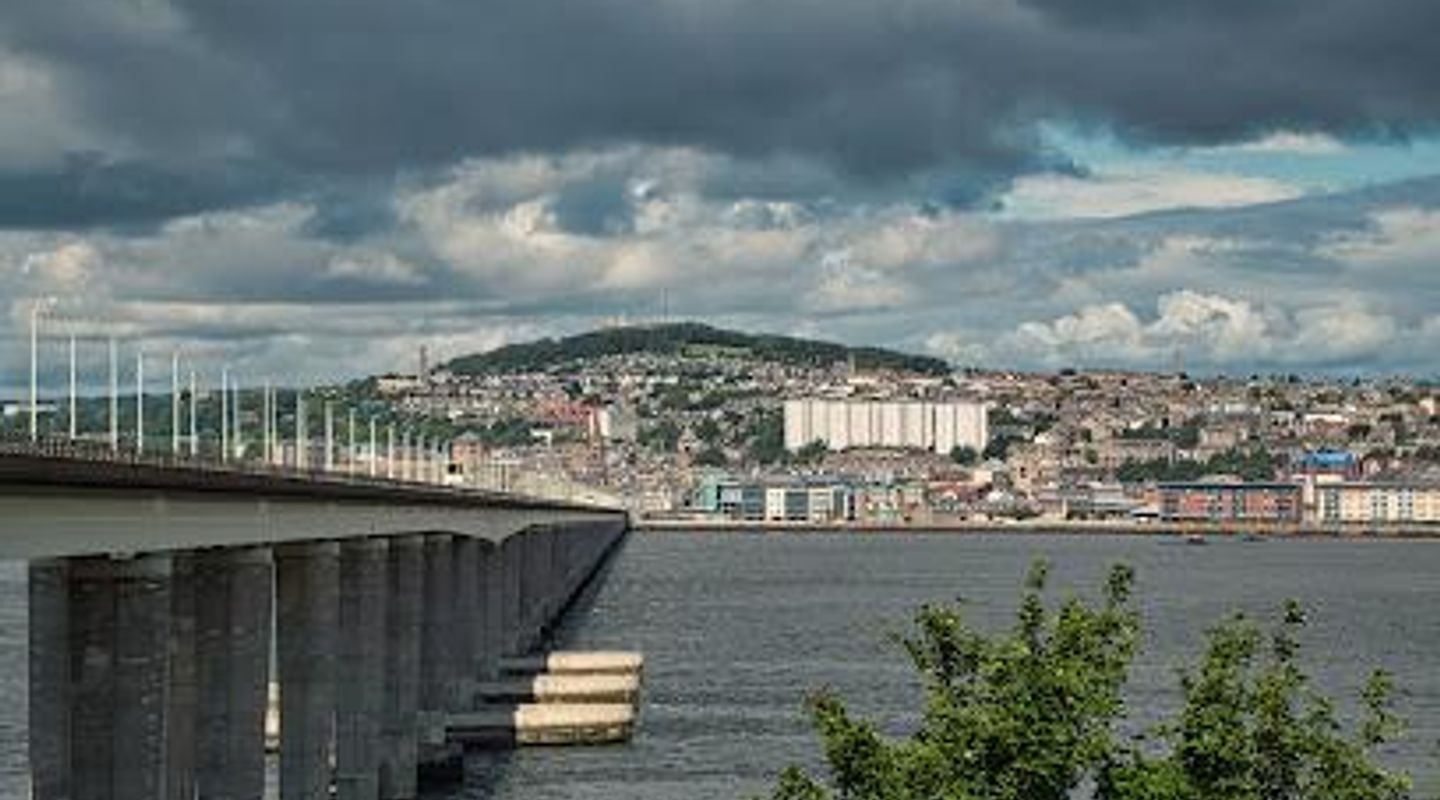
Tay Road Bridge, Dundee Travel Guide
A sleek and enduring 1960s engineering landmark linking Dundee and Fife across the majestic Firth of Tay.
The Tay Road Bridge is a major road crossing over the Firth of Tay, linking Dundee with Newport-on-Tay in Fife. Opened in 1966, it stretches approximately 2,250 meters, making it one of the longest road bridges in Europe. The bridge replaced the former Tay ferry service, significantly improving transportation and economic connectivity in the region. Its sleek, low-profile design was engineered to withstand the estuary's fierce winds and remains a vital artery for daily commuters and freight traffic.
A brief summary to Tay Road Bridge
- Dundee, DD1 3JB, GB
- Click to display
- Duration: 0.5 to 2 hours
- Free
-
 Outdoor
- Mobile reception: 4 out of 5

Know before you go
Hi, I'm Eve. Here are a few practical things to know before exploring Tay Road Bridge.
- Visit during clear weather to enjoy stunning panoramic views of the Firth of Tay and the surrounding coastline.
- The bridge is pedestrian-friendly with footpaths, so consider walking partway for a closer experience of the structure.
- Check local events or anniversaries, such as the bridge’s opening day on August 18, which sometimes feature special celebrations.
- Photography enthusiasts will find excellent opportunities at sunrise or sunset when the light highlights the bridge’s elegant lines.
Do you manage this location?
Take control to get all the benefits, like improved information, better appearance, and stronger visibility across AI-powered discovery. Learn more about listing your business on Evendo
Activate your presenceOther nearby places you may find interesting
The closest places of the same kind, if this one is not quite what you had in mind.



Explore Tay Road Bridge on the Map
A handpicked selection of must-see spots near Tay Road Bridge, mapped for you.
Unlock the Best of Tay Road Bridge
Buy tickets
-
No tickets available
Book tours with entry
-
No tours available
Book tours without entry

Getting There
-
Bus
Local bus services connect Dundee city center to stops near the Tay Road Bridge, with journey times of approximately 15 to 25 minutes depending on the route. Buses run frequently throughout the day, with single fares costing around £2-£4. Check local timetables for exact schedules.
-
Car
Driving from Dundee city center to the Tay Road Bridge takes about 10 to 15 minutes via the A92. Parking is available on both sides of the bridge, but spaces can be limited during peak hours. There are no tolls on the bridge since 2008.
-
Walking
For the more adventurous, walking from Dundee city center to the bridge is possible in about 40 to 50 minutes. The route is mostly flat and accessible but involves navigating urban streets. Suitable for those comfortable with moderate urban walking.
For the on-the-go comforts that matter to you
-
 Seating Areas
-
 Information Boards
Discover more about Tay Road Bridge
A Modern Engineering Marvel of the 1960s
The Tay Road Bridge, inaugurated on 18 August 1966 by the Queen Mother, stands as a testament to post-war British engineering ambition. Designed by William A. Fairhurst, an accomplished civil engineer and international chess master, the bridge was constructed to replace the aging Tay ferry service that had long been the main crossing between Dundee and Fife. Stretching roughly 2,250 meters (1.4 miles), it was among the longest road bridges in Europe at the time of its completion. Its low-profile design was a deliberate choice to resist the strong winds that sweep across the Firth of Tay estuary, combining both functional resilience and sleek modern aesthetics that reflected the progressive spirit of the 1960s.Transforming Regional Connectivity and Economy
Before the bridge, the Tay ferry service, known locally as "the Fifie," was the primary means of crossing the river, often causing delays and bottlenecks for vehicles and passengers alike. The bridge's opening revolutionized travel, significantly reducing journey times and enhancing the flow of people and goods between Dundee and Fife. This improved connectivity helped stimulate economic growth, making Dundee more accessible as a hub for workers, shoppers, and tourists. Today, the bridge supports around 26,000 vehicles daily, underscoring its vital role in the region's infrastructure.Construction Challenges and Historical Context
Construction began in March 1963, following extensive planning and site surveys during the 1950s. The project required infilling several docks in Dundee and led to the controversial demolition of the Royal Arch, a historic city landmark associated with Queen Victoria's visit. The civil engineering work was carried out by Duncan Logan Construction Ltd., with steelwork by Dorman Long (Bridge and Engineering) Ltd. The bridge was built at a cost of approximately £6 million and took three and a half years to complete. Its construction was a bold response to the growing transportation demands of the mid-20th century, showcasing advances in engineering techniques and materials.Ongoing Maintenance and Legacy
Maintaining a large structure exposed to harsh weather conditions is a continuous challenge. Significant refurbishment projects have been undertaken, including major structural strengthening and replacement of lighting columns to improve safety for both vehicles and pedestrians. The abolition of tolls in 2008 further increased traffic volumes, reflecting the bridge's indispensable role. The dedicated teams responsible for its upkeep ensure its longevity, safeguarding this crucial link for future generations.Symbolism and Cultural Impact
Beyond its practical function, the Tay Road Bridge has become an iconic symbol of Dundee and the surrounding area. It has inspired artists, photographers, and filmmakers, often featured in works capturing its graceful silhouette against the estuary’s changing light and weather. For many, it represents more than a crossing—it embodies the resilience, innovation, and interconnectedness of the communities it serves.Connection to the Tay Rail Bridge and Regional Infrastructure
Located just downstream from the Tay Rail Bridge, the Tay Road Bridge complements the region’s transport network. While the rail bridge has its own dramatic history, including the tragic 1879 collapse of the original structure, the road bridge reflects the evolution of transportation needs over time. Together, these crossings illustrate the engineering heritage and ongoing development that have shaped travel and commerce along the River Tay.












Your all‑in‑one travel companion app
Explore expert travel guides, compare and book tours, experiences, hotels, and more—all from the palm of your hand. Download now for seamless trip planning wherever your wanderlust takes you.


Explore More of Dundee
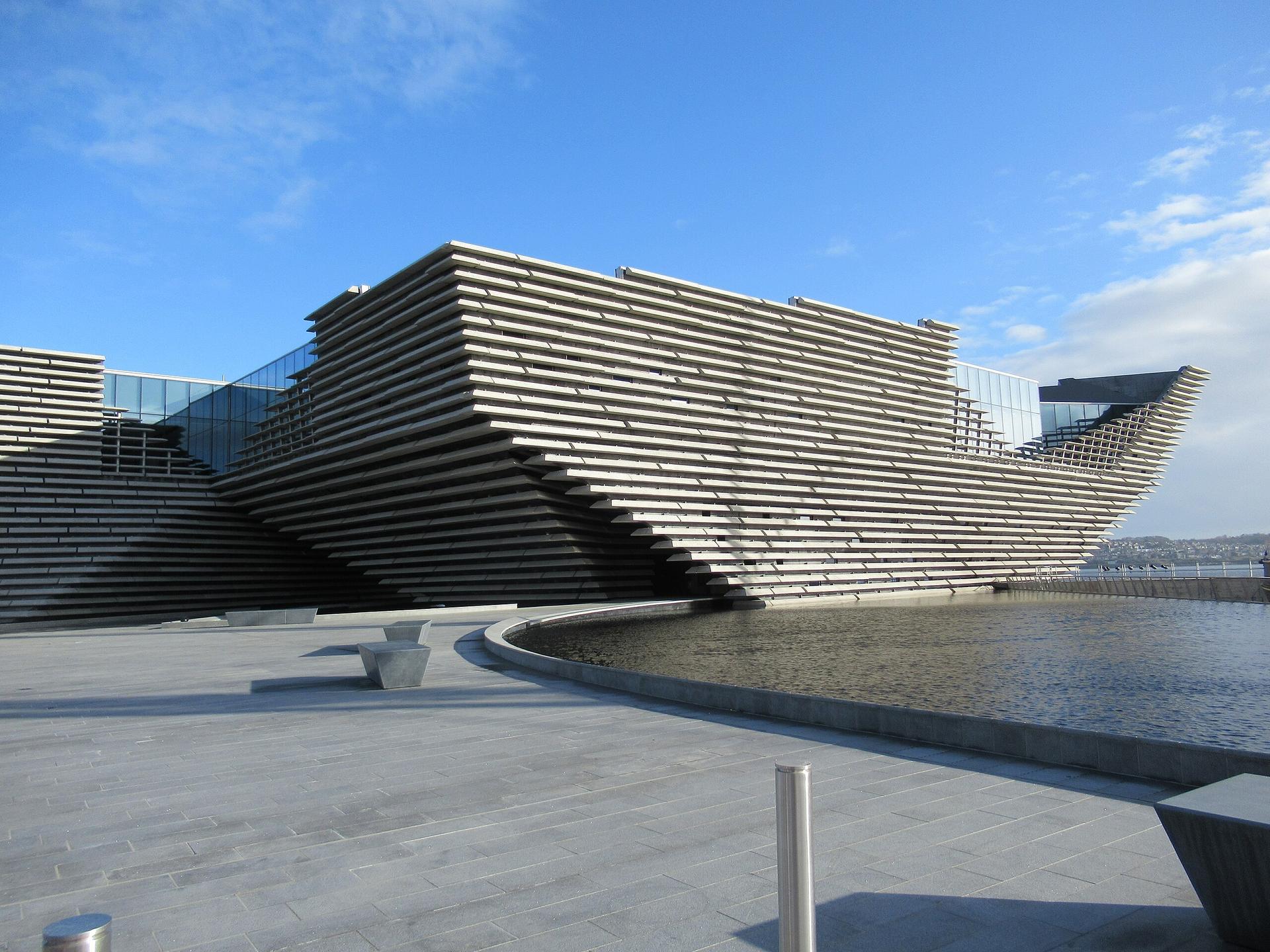
Looking beyond Tay Road Bridge? Discover Dundee for broader travel guides, local hot-spots, and regional highlights.
Explore Dundee
Dive into Dundee’s thrilling escape room adventure at The Jigsaw, where puzzles, mystery, and immersive storytelling await in the city centre.
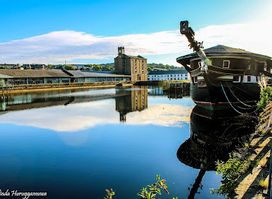
Step aboard HMS Unicorn, one of the world’s oldest wooden warships, and explore nearly 200 years of naval history in Dundee’s historic Victoria Dock.