Market place, Durham Travel Guide
Free Guide: Medieval marketplace meets Victorian grandeur—Durham's beating heart of commerce, culture, and community.


A brief summary of Market place
Medieval marketplace meets Victorian grandeur—Durham's beating heart of commerce, culture, and community.
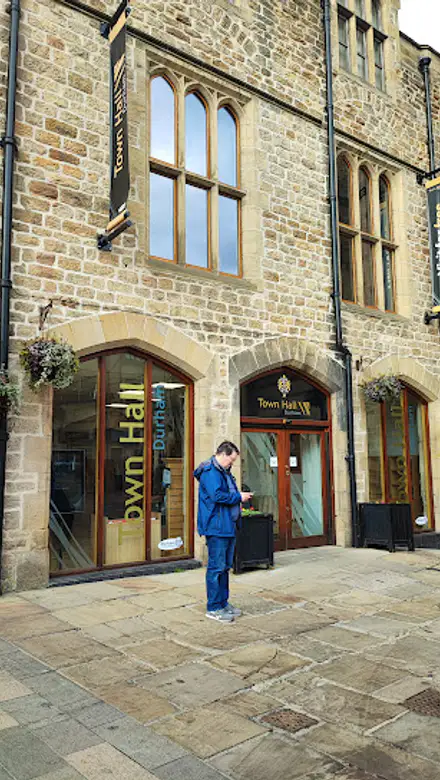
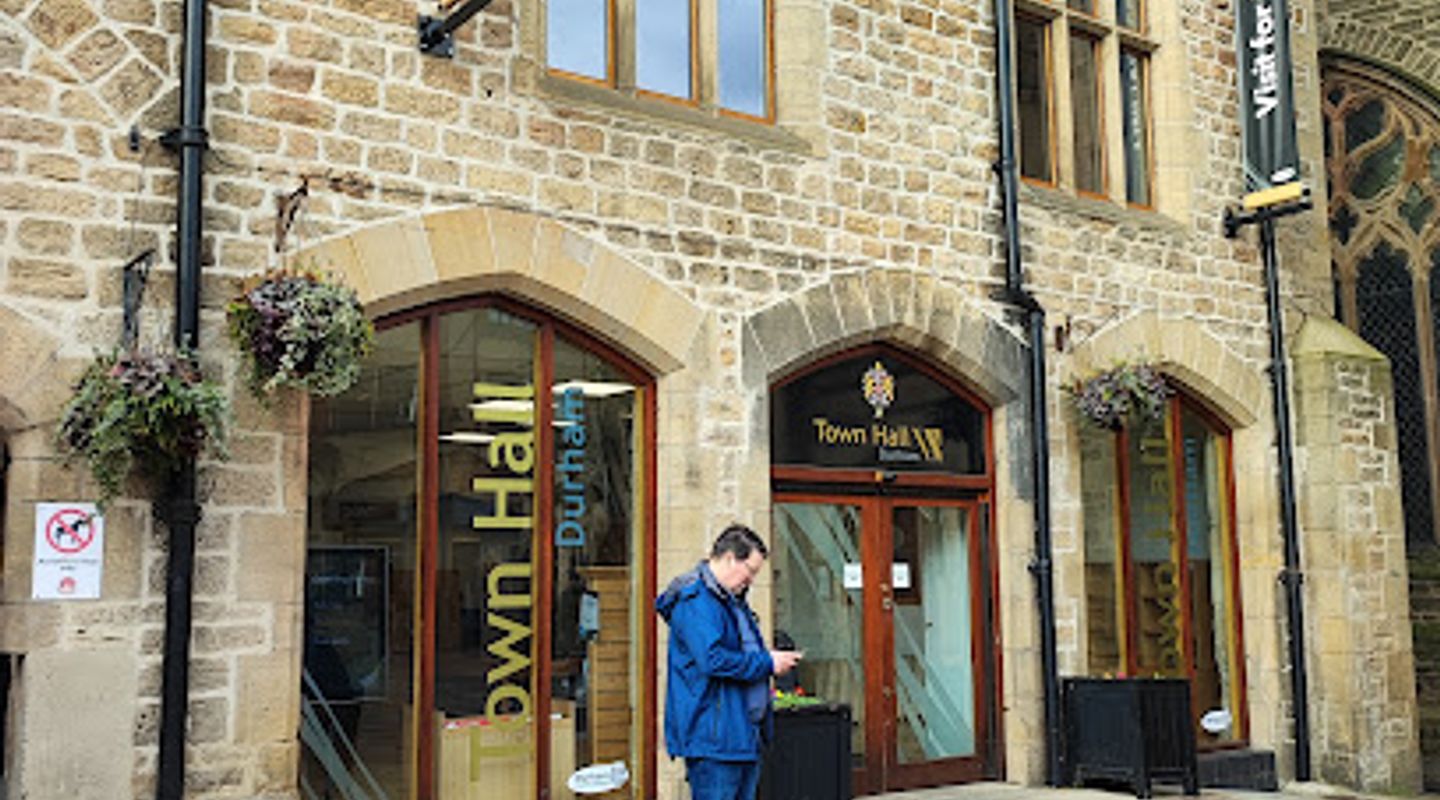
Durham Market Place stands as the historic heart of Durham City, a medieval focal point where centuries of commerce and community life converge. Surrounded by the Victorian Town Hall, the Guildhall, and the Church of St. Nicholas, this vibrant square hosts the acclaimed Durham Indoor Market with over 40 independent traders, plus weekly outdoor markets and seasonal events. Whether browsing artisanal goods, sampling local food, or simply soaking in the atmosphere beneath historic architecture, Market Place offers an authentic slice of Durham's enduring character.
On-site amenities
 Restrooms
 Drink options
 Drinking water
 Food options
 Seating areas
 Sheltered areas
 Trash bins
 Information boards
 Visitor centre
- Address
- Durham Market Place, Durham DH1 3NJ
Getting there
Walking from Durham Railway Station
Bus from surrounding areas
Parking and vehicle access
Cycling
Discover more about Market place
A Medieval Marketplace Through the Ages
Durham Market Place has served as the commercial and social nucleus of the city since medieval times, its origins stretching back centuries into the fabric of English market tradition. The square's layout and significance reflect Durham's importance as a regional trading hub, where merchants, farmers, craftspeople, and entertainers gathered to exchange goods and news. Over time, the Market Place evolved from a simple open square into a carefully defined urban space, eventually becoming the setting for some of Durham's most iconic civic buildings.The area occupies the former site of New Place, the grand town house palace of the Neville family—the Earls of Westmorland—which stood here during medieval times and was sometimes known as the Bull's Head after their family emblem. After the Nevilles forfeited the property to the Crown following the failed Rebellion of the North in 1569, the land eventually passed through various hands before being acquired by Henry Smith's Charity in 1612. The palace was subsequently used as a factory, workhouse, and charity school before demolition made way for the present civic structures.
Victorian Architecture and Urban Design
The Market Place as it exists today took shape during the mid-nineteenth century under the vision of William Henderson, the then mayor and owner of Durham's prosperous carpet weaving business. In 1849–1851, London architect Philip Charles Hardwick designed and oversaw construction of the Town Hall and the adjoining Durham Market Hall, transforming the square into a statement of Victorian civic pride and commercial enterprise. The Market Hall itself represents a masterpiece of Victorian engineering and design, featuring cast-iron roof structures in a series of pitches supported by cast-iron columns, with stone vaulting at the north end. The building's back elevation, exposed to Leazes Road, displays a massive retaining wall and plain segmental-headed windows beneath a row of gables—a pragmatic design that contrasts with the more ornate public-facing facades.The Town Hall, completed in 1851, stands as a prominent architectural anchor, while the nearby Guildhall and the Church of St. Nicholas add further layers of historical significance. Three prominent statues within the Market Place reflect different aspects of Durham's heritage and identity, serving as focal points for visitors and residents alike.
The Indoor Market: A Living Marketplace
Durham Indoor Market, officially established by Act of Parliament in 1851 and opened in 1852, has remained a vital commercial space for over 170 years. The market underwent a major refurbishment in the 1990s, reopening in November 1996 with extended trading hours from Monday to Saturday. The refurbished Market Hall was officially opened by Tony Blair, then Leader of the Opposition, on 20 December 1996—144 years after the market first opened its doors. Today, the Indoor Market houses more than 40 independent traders offering a diverse range of food, goods, and services, from fresh produce and artisanal foods to clothing, homewares, and specialist items. The traders are known for their knowledge and passion, often engaging visitors in conversation about their products.In 2010, the mezzanine level was extended to provide enhanced retail facilities and a larger café bistro, Café Cenno, which serves as a welcoming refueling point. The market received the award "Best Private Market" from NABMA, the National Association of British Market Authorities, in January 2011, recognizing its excellence and community contribution.
Markets Beyond the Hall
The Market Place itself hosts a vibrant Saturday Outdoor Market, which operates every Saturday from 9am to 4pm, bringing together independent traders offering handmade goods, unique gifts, artisanal food, fashion, homewares, and pet treats. Additionally, the Food Producers' and Crafters' Market takes place on the first Thursday of each month, celebrating local producers and makers. The Market Place also plays a central role in organizing the award-winning annual Durham Christmas Festival, which transforms the square into a festive hub during the busiest retail weekend of the year in the city centre.
Connectivity and Urban Context
The Market Place connects seamlessly with historic streets that branch outward, including Silver Street and Saddler Street on one side, and Claypath and the modern High Street on the other. Saddler Street, historically known as Saddlergate, serves as the main route for tourists heading toward Durham Cathedral. The lower portion of Saddler Street was originally called Fleshergate, reflecting its medieval role as a street where saddles and other leather goods were crafted and sold. Fowler's Yard, an attractive nearby location, hosts a collection of independent creative outlets, eating establishments, and a small theatre used by a local dramatic society, adding further cultural richness to the area. The Market Place thus functions not merely as a shopping destination but as a genuine meeting point where Durham's past and present intersect.
Evendo Review Centre
 Google
Guest reviews
Best time to go
Quietest: Jan, Feb & Mar · before 7am or from 8pm
Busy times are Evendo estimates for a typical year, to help you plan. Actual crowds vary with events, school holidays and the weather.
Explore Market place on the map
A handpicked selection of must-see spots near Market place, mapped for you.
Get your free copy of our complete guide to Market place, delivered straight to you.
Everything on this page, from opening hours and how to get there to Eve’s tips and the best time to go, in one PDF you can read offline, print or share.
Already have an account? Sign in
Your Market place guide is ready.
We'll send it to · Not you? Sign out

Getting your guide ready…
We are putting together a fresh copy of the Market place guide. This can take up to a minute.
This can take a few moments. If your browser asks, choose Allow so the download can start. You'll find the guide in your Downloads folder.
Nothing happened? Download it again
Sorry, the guide is taking longer than usual. Please try again in a minute, or get it by email instead.
Other nearby places you may find interesting
The closest places of the same kind, if this one is not quite what you had in mind.
-
-
-
-
-


Swipe for more places
More to explore near Market place

 Best experiences near Market place
 Best hotels near Market place
 Best landmarks near Market place
 Best attractions near Market place
 Best shops near Market place
 Best restaurants near Market place
 Best bars near Market place
Do you manage this location?
Take control to get all the benefits, like improved information, better appearance, and stronger visibility across AI-powered discovery.
Explore more

Explore more of Durham
Discover the unique blend of history and modernity in Durham. From the iconic Cathedral in England to the vibrant innovation hub in North Carolina.
Explore Durham
Explore more of United Kingdom
Discover the United Kingdom: A blend of rich history, stunning landscapes, and vibrant cities, offering a unique travel experience for every visitor.
Explore United Kingdom