

Free Durham Travel Guide & Mobile App
Plan your Durham trip with Evendo. Get free guides to top attractions, restaurants, hotels, and bars. Web access or download the mobile app.


Durham, England, pairs a UNESCO cathedral and castle with riverside walks, university heritage, independent shops and North East history and culture.
A Cathedral City Above the Wear
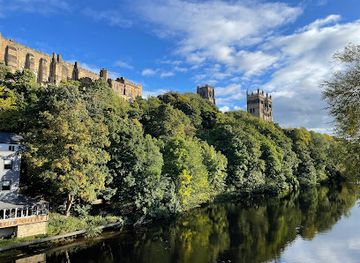
Durham rises dramatically from a wooded bend in the River Wear, its historic centre gathered around a peninsula crowned by Durham Cathedral and Durham Castle. The city lies in north-east England between the industrial heritage of County Durham and the larger urban centres of Newcastle and Sunderland, yet its compact core feels distinctly its own. Steep lanes lead towards medieval buildings, grassy riverbanks and bridges where the relationship between stone and water is central to the city's character.Read more about Durham
Heritage and University Life
Beyond the Historic Core
When is the best time to visit Durham?
Best: June–August · 20–22°C| Month | High (°C) | Rainfall (mm) |
|---|---|---|
| January | 6 | 52 |
| February | 7 | 44 |
| March | 10 | 47 |
| April | 13 | 48 |
| May | 16 | 50 |
| June (best) | 20 | 58 |
| July (best) | 22 | 61 |
| August (best) | 21 | 63 |
| September | 18 | 59 |
| October | 14 | 57 |
| November | 8 | 62 |
| December | 7 | 63 |
Getting to and around Durham
How to get there
Transportation
Best attractions in Durham
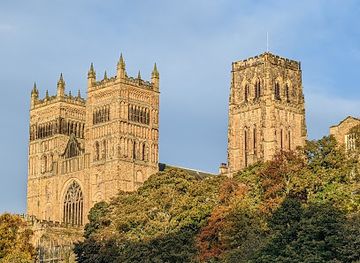
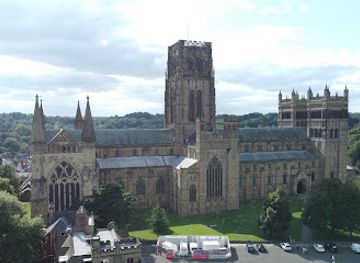
Durham Cathedral is the city's defining attraction, with a vast Romanesque interior, the shrine of St Cuthbert and views across the River Wear from the surrounding peninsula. Beside it, Durham Castle offers insight into the former power of the prince bishops and is also part of Durham University, so access is organised differently from a conventional museum. The riverside walk traces the wooded gorge beneath the historic centre, passing bridges, gardens and changing views of the cathedral. The Oriental Museum presents collections from across Asia and North Africa, while the Botanic Garden occupies a larger green setting south of the centre. Crook Hall Gardens combines historic buildings, formal planting and riverside scenery, and the Market Place provides a lively everyday counterpoint to the cathedral precinct. The Gala Theatre adds performances, cinema and exhibitions to Durham's cultural offer.
-
Cathedral
Durham Cathedral
Discover Durham Cathedral’s Norman grandeur, sacred relics, and breathtaking views in the heart of a UNESCO World Heritage Site.
5 min walk · 0.4 km from city centre
-
Shopping Centre
The Riverwalk
A vibrant riverside shopping and leisure destination in Durham, blending retail, dining, entertainment, and scenic charm.
3 min walk · 0.2 km from city centre
-
Castle
Durham Castle
Explore over 1000 years of history in this Norman castle, a UNESCO World Heritage Site and vibrant university residence in the heart of Durham.
2 min walk · 0.2 km from city centre
-
Market
Durham Market Hall
Victorian market hall where 40+ independent traders celebrate Durham's heritage and local character.
1 min walk · 0.1 km from city centre
Best landmarks in Durham
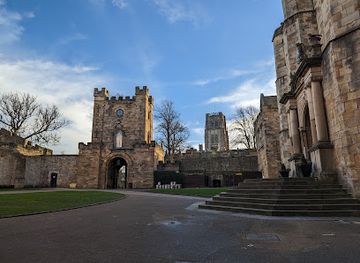
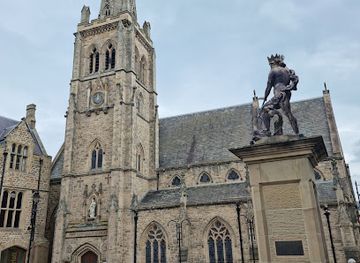
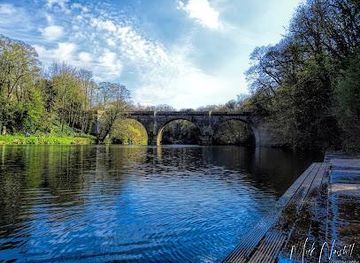
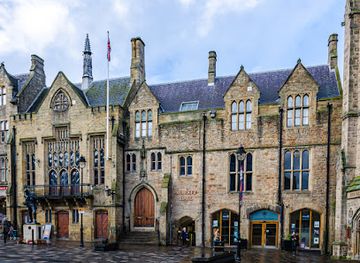
Durham Cathedral and Durham Castle dominate the peninsula and together form the city's UNESCO World Heritage Site. Begun in 1093, the cathedral is a major Norman building, distinguished by massive piers, rounded arches and an early stone rib-vaulted roof; it also preserves the shrine associated with St Cuthbert. The castle expresses the secular authority of Durham's prince bishops and remains integrated with the university's historic college life. Palace Green, framed by the two buildings and other cathedral precinct structures, is one of the city's most significant civic spaces. Medieval bridges, including Elvet Bridge and Framwellgate Bridge, reveal how the settlement crossed and contained the River Wear. Further landmarks include the Guildhall and Town Hall in the Market Place, whose civic presence reflects Durham's continuing role as an administrative centre.
-
Shopping Centre
The Riverwalk
Durham’s vibrant riverside hub for shopping, dining, cinema, and leisure overlooking the scenic River Wear.
3 min walk · 0.2 km from city centre
-
Bridge
Prebends Bridge
An 18th-century stone bridge framing one of England's most iconic cathedral views
9 min walk · 0.7 km from city centre
-
Town Hall
Durham Town Hall
Victorian civic landmark hosting culture, heritage, and community in Durham's historic heart.
1 min walk · 0.1 km from city centre
-
Bridge
Framwellgate Bridge
Durham’s oldest stone bridge, a medieval marvel offering iconic views of the cathedral and river, steeped in history and timeless charm.
2 min walk · 0.2 km from city centre
Explore Durham on the map
Plan your Durham trip on one map. See where the top attractions, landmarks, restaurants, bars and hotels are, find what's near where you're staying, and book hotels and experiences in a few clicks.
Best hotels in Durham
Best restaurants in Durham
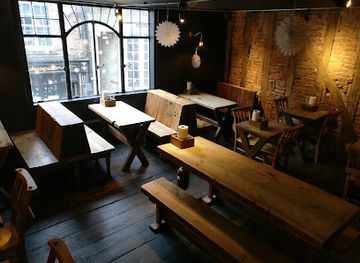
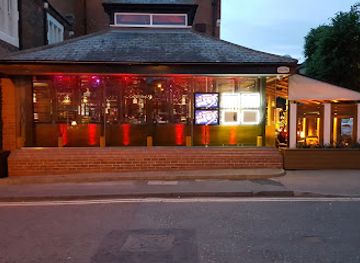
Durham's dining scene reflects its North East setting, with traditional British cooking, contemporary cafés, international restaurants and student-influenced casual food concentrated around the centre. Pubs and eateries on Saddler Street, Elvet Bridge, Claypath and near the Market Place range from simple meals to more carefully presented seasonal menus. Local traditions are linked to the wider region rather than to a single city cuisine: visitors may encounter North East specialities such as stottie cake, a soft, flat bread, as well as pies, smoked fish, locally produced meats and ales. Cafés provide an easy pause between steep streets and cathedral visits, while the indoor market and independent food traders offer an informal taste of everyday County Durham. Nearby villages and the wider county add farm shops and country-pub dining to the regional picture.
-
Caribbean
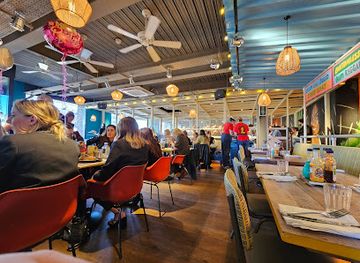
Turtle Bay Durham
Experience vibrant Caribbean flavours and tropical cocktails by the scenic Riverwalk in Durham’s lively Turtle Bay restaurant.
2 min walk · 0.2 km from city centre
-
Hamburger
Fat Hippo Durham
Savor bold, inventive burgers in a quirky multi-level venue on historic Saddler Street, Durham’s heart of casual dining.
1 min walk · 0.1 km from city centre
-
Thai
Zen
Experience authentic Asian fusion cuisine in a stylish Durham setting, blending traditional flavours with modern flair.
6 min walk · 0.5 km from city centre
-
Italian
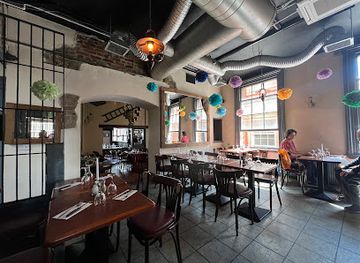
La Spaghettata
Durham’s longest-standing independent Italian restaurant, serving authentic, hearty Italian dishes in a cozy, welcoming setting since 1996.
1 min walk · 0.1 km from city centre
Best bars in Durham
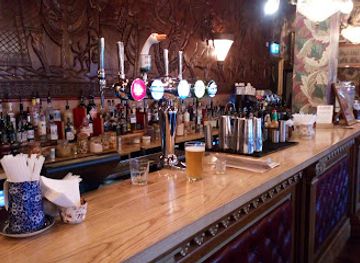
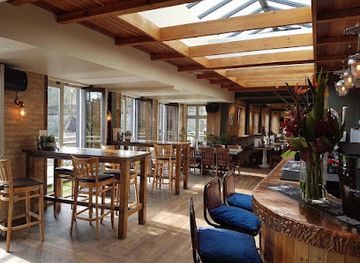
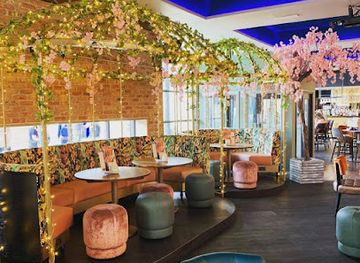
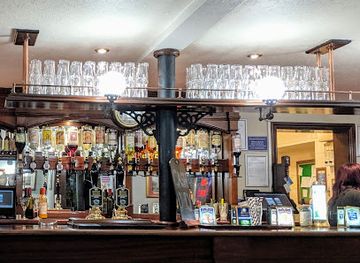
Durham's evening scene is compact and strongly shaped by its university population, with pubs, bars and casual venues clustered around Saddler Street, Elvet Bridge, Claypath and the Market Place. Traditional pubs provide conversation, local ales and a quieter atmosphere, while cocktail bars and student-oriented venues bring more energy during university term. The city is not a major clubbing centre, and nightlife is generally easier to navigate on foot than in a large regional city. The Gala Theatre offers performances, comedy, cinema and cultural events, giving evenings a broader focus than drinking alone. Durham Cathedral occasionally hosts concerts and other major cultural events, while live music appears in selected pubs and venues. The steep streets and river crossings make sensible route planning useful after dark.
-
Pub
The Library
A lively pub and social hub in Durham offering quality drinks, creative vegan dishes, and a quirky, welcoming atmosphere from morning till late.
2 min walk · 0.2 km from city centre
-
Cocktail bar
The Boat Club & Tomahawk Steakhouse
Historic riverside venue in Durham offering vibrant cocktails, Himalayan dry-aged steaks, and panoramic views of the River Wear and Elvet Bridge.
2 min walk · 0.2 km from city centre
-
Cocktail bar
Slug & Lettuce - Durham
Lively cocktail bar and restaurant in Durham’s city center, perfect for social drinks, tasty meals, and vibrant events year-round.
3 min walk · 0.2 km from city centre
-
Pub
Swan & Three Cygnets
Traditional riverside pub with a no-technology policy, affordable drinks, and cosy charm beside Durham’s historic Elvet Bridge.
3 min walk · 0.2 km from city centre
Best nightclubs in Durham
Durham's evening scene is compact and strongly shaped by its university population, with pubs, bars and casual venues clustered around Saddler Street, Elvet Bridge, Claypath and the Market Place. Traditional pubs provide conversation, local ales and a quieter atmosphere, while cocktail bars and student-oriented venues bring more energy during university term. The city is not a major clubbing centre, and nightlife is generally easier to navigate on foot than in a large regional city. The Gala Theatre offers performances, comedy, cinema and cultural events, giving evenings a broader focus than drinking alone. Durham Cathedral occasionally hosts concerts and other major cultural events, while live music appears in selected pubs and venues. The steep streets and river crossings make sensible route planning useful after dark.
-
Nightclub
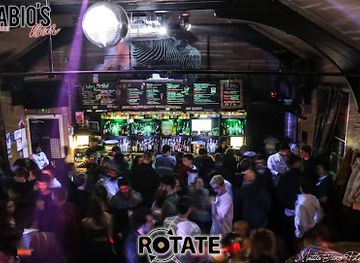
Fabio's Bar
Durham’s lively student nightclub and live music bar above the iconic La Spaghettata, buzzing with events and authentic local charm.
1 min walk · 0.1 km from city centre
-
Nightclub
Jimmy Allens
Dive into Durham’s iconic vaulted nightclub where free entry, cheap drinks, and lively crowds create unforgettable nights beneath Elvet Bridge.
1 min walk · 0.1 km from city centre
-
Nightclub
Klute
Klute: Durham’s iconic student nightclub famed for nostalgic 2000s pop, cheap drinks, and a legendary, unpolished atmosphere.
2 min walk · 0.1 km from city centre
-
Nightclub
Bohemia Durham
Bohemia Durham pulses with vibrant nightlife energy, offering dynamic music and a lively social scene in the heart of historic Durham.
2 min walk · 0.2 km from city centre


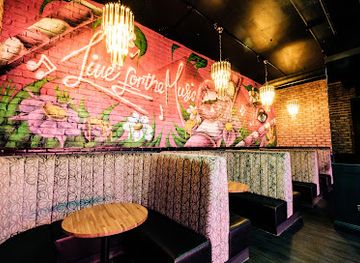
Best shops in Durham
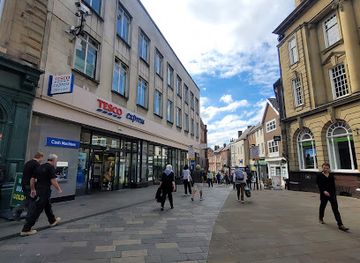
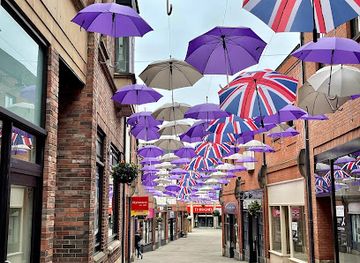
Shopping in Durham is concentrated in a walkable central area where Saddler Street, Silver Street, Elvet Bridge, the Market Place and the Prince Bishops shopping centre combine independent businesses with familiar high-street retail. Durham Market Hall and the outdoor market support small traders selling food, household goods, clothing and seasonal products, offering a more local atmosphere than a conventional shopping centre. Small galleries, bookshops, gift shops and craft retailers around the cathedral precinct cater to visitors without reducing the area to souvenir shopping. Regional food products, local ales, preserves, confectionery and practical items from independent makers are among the more characteristic purchases. The city's steep historic streets and university population give retail a mixed character: everyday shopping sits alongside cathedral memorabilia, second-hand books, cafés and specialist shops.
-
Shopping Centre
Arnison Centre
A comprehensive shopping destination north of Durham city centre, blending major retailers, dining, and easy access in a modern retail park.
10 min drive · 3.4 km from city centre
-
Shopping Centre
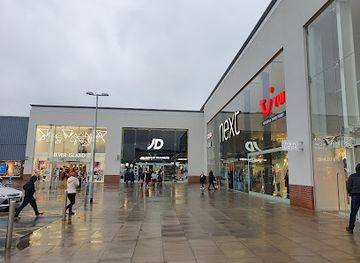
Prince Bishops Place
Durham’s vibrant shopping centre blending high street brands, local boutiques, and award-winning facilities in the city’s historic heart.
2 min walk · 0.1 km from city centre
-
Homewares Shop
The Range, Durham
Durham’s all-in-one home and lifestyle store offering furniture, garden, art supplies, and more under one roof with convenient extended hours.
7 min drive · 2.4 km from city centre
-
Discount shop
TJ Hughes
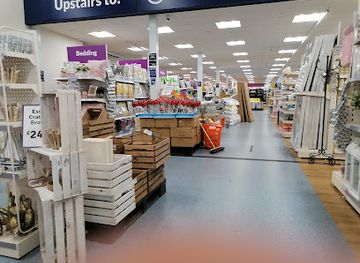
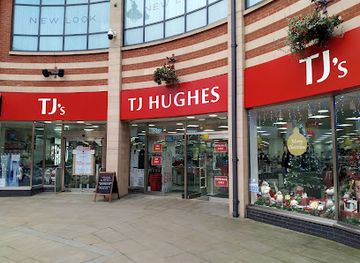
Durham’s trusted discount department store offering top brands in home, fashion, and electronics at unbeatable prices.
2 min walk · 0.2 km from city centre
Get your free copy of our complete guide to Durham, delivered straight to you.
Everything on this page, from attractions and restaurants to essentials and local phrases, in one PDF you can read offline, print or share.
Already have an account? Sign in
Your Durham guide is ready.
We'll send it to · Not you? Sign out

Getting your guide ready…
We are putting together a fresh copy of the Durham guide. This can take up to a minute.
This can take a few moments. If your browser asks, choose Allow so the download can start. You'll find the guide in your Downloads folder.
Nothing happened? Download it again
Sorry, the guide is taking longer than usual. Please try again in a minute, or get it by email instead.
Durham essentials
Currency and Payment
Safety
Emergency Situations
Do's and Don'ts
Local Tips
From Eve
Local phrases worth knowing
You don't need to get them perfect. A few words go a long way, and locals appreciate the effort.
Basics
| English | Local | Say it |
|---|---|---|
| Hello | Hiya | [Hiah] |
| Goodbye | Ta-ra | [Tah-rah] |
| Yes | Aye | [Eye] |
| No | Nae | [Nay] |
| Please/You're welcome | Please/No problem | [Pleez/No prob] |
| Thank you | Cheers | [Cheerz] |
| Excuse me/Sorry | Sorry | [Sorree] |
| How are you? | Howay? | [Ho-way] |
| Fine. And you? | Reet. And yers? | [Reet. And yerz] |
| Do you speak English? | D'ya speak English? | [D'ya speek Inglish] |
| I don't understand | I divn't get it | [I divn't get it] |
Eating & Drinking
| English | Local | Say it |
|---|---|---|
| I'd like to see the menu, please | Can I see the menu, please? | [Can I see the menoo, pleez?] |
| I don't eat meat | I don't eat meat | [I don't eet meet] |
| Cheers! | Cheers! | [Cheerz!] |
| I would like to pay, please | Can I pay, please? | [Can I pay, pleez?] |
Emergencies
| English | Local | Say it |
|---|---|---|
| Help! | Help! | [Help!] |
| Go away! | Get lost! | [Get lost!] |
| Call the Police! | Ring the coppers! | [Ring the coppas!] |
| Call a doctor! | Get a doc! | [Get a doc!] |
| I'm lost | I've lost me way | [I've lost me way] |
| I'm ill | I feel poorly | [I feel poorly] |
Shopping
| English | Local | Say it |
|---|---|---|
| I'd like to buy... | I want to buy... | [I want to bye...] |
| I'm just looking | Just looking, thanks | [Jest looking, thangs] |
| How much is it? | How much's that? | [How much's that?] |
| That's too expensive | That's a bit dear | [That's a bit deer] |
| Can you lower the price? | Can ya knock the price down? | [Can ya nok the price down?] |
Time & Numbers
| English | Local | Say it |
|---|---|---|
| What time is it? | What time's it? | [What time's it?] |
| It's one o'clock | It's one o'clock | [It's wun o'clock] |
| Half past (10) | Half ten | [Half ten] |
| Morning | Morning | [Mornin'] |
| Afternoon | Afternoon | [Aftanoon] |
| Evening | Evening | [Eev'nin] |
| Yesterday | Yest'day | [Yest'day] |
| Today | Today | [T'day] |
| Tomorrow | Tomorra | [Tomorra] |
| 1 | One | [Wun] |
| 2 | Two | [Too] |
| 3 | Three | [Three] |
| 4 | Four | [For] |
| 5 | Five | [Fyv] |
| 6 | Six | [Siks] |
| 7 | Seven | [Sev'n] |
| 8 | Eight | [Ayt] |
| 9 | Nine | [Nayn] |
| 10 | Ten | [Ten] |
Transport & Directions
| English | Local | Say it |
|---|---|---|
| Where's a/the...? | Where's the...? | [Where's the...?] |
| What's the address? | What's the address? | [What's the ad-dress?] |
| Can you show me (on the map)? | Can ya show me on the map? | [Can ya show me on the map?] |
| When's the next (bus)? | When's the next bus? | [When's the next bus?] |
| A ticket (to ....) | A ticket to... | [A tiket to...] |
History of Durham
St Cuthbert and the Community’s Arrival
Durham's origins are closely connected with the cult of St Cuthbert, the seventh-century bishop of Lindisfarne whose remains became an important focus of pilgrimage. After years of movement in response to Viking attacks and political uncertainty, the community carrying his relics arrived at the peninsula beside the River Wear in 995, according to the medieval historical tradition. The steep, defensible setting offered both security and spiritual authority. A settlement grew around the shrine, and Durham developed as an ecclesiastical centre rather than as a planned royal town. The cathedral precinct, later known as the College or Cathedral Close, preserves the importance of this early religious community in the shape of the modern city.
The Norman Cathedral and Castle
Following the Norman Conquest, Bishop William of St Calais began the present Durham Cathedral in 1093, replacing earlier buildings and creating one of the great Romanesque monuments of medieval Europe. The cathedral's massive stone piers, rounded arches and pioneering rib vaulting reflect Norman ambition and engineering. Durham Castle was also established in the late eleventh century as a fortified residence for the bishops, whose authority combined religious leadership with extensive political and territorial power. The cathedral and castle occupied the peninsula together, a physical expression of Durham's dual role as pilgrimage centre and frontier stronghold. The surviving complex remains the clearest architectural record of the city's medieval foundation.
The Prince Bishops and Medieval Durham
For centuries, Durham's prince bishops governed a substantial territory known as the County Palatine of Durham. Their unusual jurisdiction gave them powers associated with secular rulers, including administration, courts and defence, while the cathedral priory managed religious and economic affairs. Durham benefited from pilgrimage to St Cuthbert's shrine, from markets and from the movement of goods through the north of England, although its border location also exposed it to conflict between England and Scotland. Medieval streets, bridges and the peninsula's fortified appearance developed within this political setting. Elvet Bridge, Framwellgate Bridge and the lanes descending from the cathedral illustrate how the settlement grew around crossings, commerce and the demanding topography of the river gorge.
Reformation and the End of Palatine Rule
The Reformation transformed Durham's institutions. In 1541, during the reign of Henry VIII, the cathedral priory was refounded as a cathedral and the shrine of St Cuthbert was dismantled, although the saint's relics remained associated with the cathedral. The former monastic community gave way to a dean and chapter, while the bishops retained important territorial influence. The English Civil War brought further disruption: Durham Castle was used by Parliamentarian forces and the cathedral suffered damage after the city changed hands. The long-standing palatine privileges were gradually reduced, and the creation of modern county administration in the nineteenth century finally brought the distinctive political world of the prince bishops to an end.
Coal, Railways and Industrial County Durham
Durham's wider region was reshaped by coal mining and industrialisation from the eighteenth century onwards. Although the city itself remained dominated by cathedral, castle and university institutions, it became an administrative and commercial centre for a county transformed by collieries, railways and engineering. The arrival of the railway in the nineteenth century connected Durham more directly with the national network and helped alter patterns of trade and travel. Nearby settlements expanded around coal production, while working-class communities developed distinctive institutions, traditions and political movements. The industrial past is now interpreted through museums and preserved landscapes across County Durham, providing context for the city beyond its medieval core.
University City in the Modern Era
Durham University was founded in 1832, making it one of England's oldest universities and giving the city a new institutional identity alongside its cathedral and county administration. Its colleges gradually occupied historic buildings and later expanded beyond the peninsula, bringing students and academic life into streets that had previously been shaped chiefly by ecclesiastical and civic functions. Durham Cathedral and Castle were inscribed together as a UNESCO World Heritage Site in 1986, reflecting their architectural and historical importance. Contemporary Durham therefore combines the legacies of pilgrimage, episcopal government, industrial County Durham and higher education, with the river peninsula continuing to organise the city's visual and cultural identity.
Durham in Photos
Browse through our photo collection highlighting the charm and character of the destination.
Cities near Durham
The closest cities to Durham, if you have time for more than one stop.
-

-
-

-
-


Swipe for more cities
Explore more

Explore more of United Kingdom
Discover the United Kingdom: A blend of rich history, stunning landscapes, and vibrant cities, offering a unique travel experience for every visitor.
Explore United Kingdom