
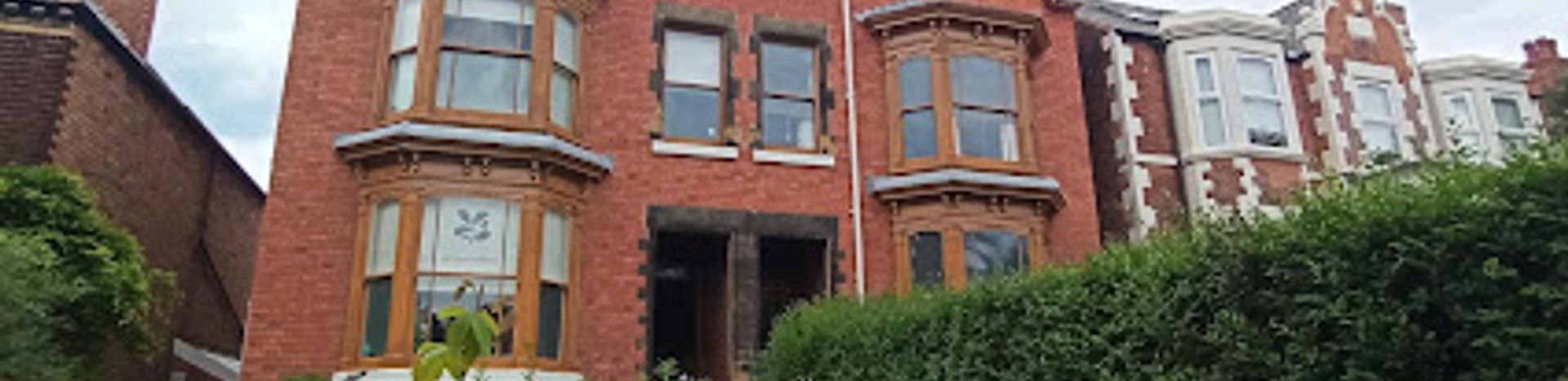
Mr Straw's House: A Preserved Edwardian Family Home in Worksop
Step into a perfectly preserved 1920s grocer’s family home in Worksop, where time stands still and everyday history lives on.
Mr Straw's House is a National Trust property in Worksop, Nottinghamshire, preserved almost exactly as it was in the 1920s. This Edwardian semi-detached house offers an intimate glimpse into the life of a grocer’s family, with over 30,000 everyday objects left in place, revealing the domestic lifestyle of interwar Britain. Visitors can explore the original rooms, furnishings, and a lovingly maintained garden with a cacti collection, experiencing a unique time capsule of a bygone era.
A brief summary to National Trust - Mr Straw's House
- 5-7 Blyth Grove, Worksop, S81 0JG, GB
- +441909482380
- Visit website
- Duration: 2 to 3 hours
- Mid ranged
-
 Indoor
- Mobile reception: 4 out of 5
- Thursday 9 am-3 pm
- Friday 9 am-3 pm
Local tips
- Book your timed entry in advance, as visits are limited to small groups to protect the delicate interiors.
- Allow 2 to 3 hours to fully explore the house, garden, and the extensive collection of everyday objects.
- Visit on Thursdays or Fridays during the open season (March to October) when the house is accessible.
- Take part in the monthly guided walk through Worksop to learn more about the Straw family’s life and local history.
- Parking is available directly across the street from the house, but signage is small, so look carefully.

For the on-the-go comforts that matter to you
- Restrooms
- Seating Areas
- Information Boards
- Visitor Center
Getting There
-
Bus
Take the local bus service from Worksop town centre to Blyth Grove, approximately a 10-15 minute ride. Services run regularly on weekdays, but check schedules as frequency reduces on weekends. Walking from the bus stop to the house is about 5 minutes on quiet residential streets. A single fare costs around £2-£3 GBP.
-
Car
Driving to Mr Straw's House is straightforward via Worksop town roads. Parking is available directly across the street in a small car park. Note that parking spaces are limited and signage is subtle. Expect a 10-15 minute drive from Worksop railway station. There is no parking fee.
-
Train plus Walk
From Worksop railway station, it is approximately a 25-minute walk to Mr Straw's House through residential areas. The route is mostly flat but involves some street crossings. This option is suitable for visitors comfortable with walking and carrying any belongings.
National Trust - Mr Straw's House location weather suitability
-
 Any Weather
-
 Mild Temperatures
-
 Rain / Wet Weather
Discover more about National Trust - Mr Straw's House
A Time Capsule of Interwar Britain
Mr Straw's House, located at 5-7 Blyth Grove in Worksop, Nottinghamshire, is a rare and evocative Edwardian semi-detached home built around 1905. The house became the residence of the Straw family in 1923 and has remained virtually unchanged since then. The National Trust took ownership in 1990, preserving the house and its remarkable collection of approximately 30,000 everyday objects exactly as the family left them. This preservation offers visitors an unparalleled window into the domestic life of a prosperous grocer’s family during the interwar period.The Story of the Straw Family
William Straw and his brother Benjamin established a successful grocer’s business in Worksop in the late 19th century. William married Florence Ann Winks in 1896, and the couple moved into the Blyth Grove house in 1923. The family lived a frugal, make-do-and-mend lifestyle, which contributed to the house’s remarkable state of preservation. After Florence’s death in 1939, William and his brother Walter continued to live there without modernising the home. William’s death in 1990 led to the house and its contents being generously bequeathed to the National Trust, ensuring the family’s legacy would endure.Authentic Interiors and Everyday Treasures
The house’s interior reflects the tastes and domestic arrangements of the 1920s. Visitors encounter original features such as Art Nouveau stained glass in the front door, Sanderson wallpaper, and electric light fittings installed by the family. Rooms like the masculine dining room with its slate fireplace contrast with the feminine parlour decorated by Florence. The kitchen and bathroom remain simple and functional, with original fittings including a butler sink and minimal cupboards. The bedrooms, especially the parents’ room, retain personal items and furnishings untouched since the 1930s.Gardens and Outdoor Spaces
The back garden complements the house’s period charm, featuring a greenhouse housing Walter Straw’s extensive cacti collection and an orchard with fruit trees once used by the family for preserves. The garden also includes an outside toilet for servants and a reconstructed conservatory, adding to the authentic domestic environment. The garden invites visitors to appreciate the Straw family’s connection to nature and their hobbies.Visitor Experience and Conservation Efforts
Visitors explore Mr Straw’s House through small, timed self-led tours that allow close inspection of the rooms and objects. The National Trust’s dedicated Collections & House team actively cares for the vast collection, often sharing insights about conservation and the family’s history. The house also features large-print guides and monthly guided walks through Worksop, tracing the family’s footsteps around the town. The preservation of this modest home offers a compelling contrast to grander historic properties, focusing instead on the intimate and personal history of everyday life.Legacy and Cultural Significance
Mr Straw’s House stands as a unique cultural heritage site, capturing a slower, simpler pace of life from nearly a century ago. It is one of the National Trust’s first small domestic properties and remains a vital resource for understanding middle-class life in early 20th-century England. Its extensive collection of household items, furniture, and personal effects continues to inspire historians, conservationists, and visitors alike, providing a deeply human story of family, memory, and preservation.For the vibe & atmosphere seeker
- Tranquil
- Scenic
- Unique
- Casual
For the design and aesthetic lover
- Vintage Styles
- Art Deco Styles
For the architecture buff
- Historic
- Heritage Neighborhoods
For the view chaser and sunset hunter
- Iconic Views
For the social media creator & influencer
- Instagrammable
- Photo Spots
- Architectural Shots
For the eco-conscious traveler
- Sustainable
- Public-Transport Accessible
- Locally Managed
- Leave-No-Trace Critical
For the kind of experience you’re after
- Cultural Heritage
- Photowalk
- Day Trip
- Weekend Getaway
For how adventurous you want the journey to be
- Easy Access
Location Audience
- Family Friendly
- Senior Friendly
- Child Friendly
- Teen Friendly
- Wheelchair Access
- Solo Friendly
- Couple Friendly
- Vegetarian Friendly
- Vegan Friendly


