

Free East Midlands Travel Guide & Mobile App
Explore East Midlands with free travel guides. Discover regional history, expert tips, proposed trips, and audio guides on web or mobile app.


Explore the East Midlands for cathedral cities, Peak District landscapes, historic estates, market towns, local food and Lincolnshire coastlines.
Read more about East Midlands
When is the best time to visit East Midlands?
Best: June–August · 21–23°C| Month | High (°C) | Rainfall (mm) |
|---|---|---|
| January | 7 | 50 |
| February | 8 | 40 |
| March | 11 | 45 |
| April | 14 | 45 |
| May | 18 | 45 |
| June (best) | 21 | 50 |
| July (best) | 23 | 50 |
| August (best) | 23 | 50 |
| September | 19 | 45 |
| October | 15 | 55 |
| November | 10 | 55 |
| December | 7 | 50 |
Getting to and around East Midlands
How to get there
Transportation
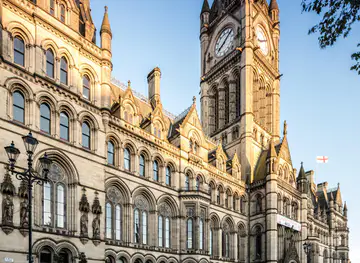
Top city travel guides in East Midlands
The cities of East Midlands, and the easiest places to base yourself.
-

-

-

-
-

-


Swipe for more cities
Destinations in East Midlands
Resorts, valleys and scenic spots worth a trip of their own.
-

-

-

-

-

-


Swipe for more destinations
Best attractions in East Midlands
The East Midlands offers a broad mix of urban culture, historic estates, archaeological remains and accessible countryside. Lincoln Cathedral and Castle anchor the region's most dramatic medieval cityscape, while Leicester combines Roman remains, museums, galleries and the National Space Centre. Nottingham's museums, caves and literary associations sit alongside the woodland and visitor trails of Sherwood Forest. Derby provides industrial and railway heritage, with nearby Derbyshire offering the limestone dales, reservoirs and walking country of the Peak District National Park. Country houses and landscaped estates such as Chatsworth, Hardwick Hall, Kedleston Hall, Belvoir Castle and Calke Abbey reveal different chapters of aristocratic and agricultural history. Rutland Water supports sailing, cycling and birdwatching, while the Lincolnshire Wolds and coast provide quieter walking, nature reserves and traditional seaside resorts. Family attractions, farm parks, heritage railways and galleries are distributed across the region, making it better suited to several short itineraries than one compressed tour.
-
Shopping outlet
Designer Outlet East Midlands
Shop top designer brands with up to 60% off, enjoy diverse dining, and experience a welcoming, accessible retail hub in the heart of the Midlands.
-
Park and Garden
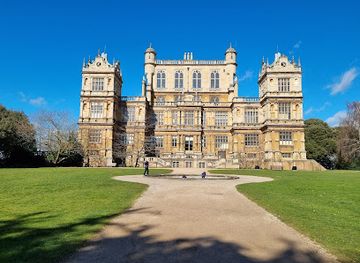
Wollaton Hall, Gardens and Deer Park
Explore Nottingham’s stunning Elizabethan mansion, vast deer park, and vibrant cultural heritage nestled within 500 acres of scenic gardens.
-
Castle
Lincoln Castle
Explore a millennium of history at Lincoln Castle, home to the Magna Carta, medieval walls, and a Victorian prison in the heart of Lincolnshire.
-
 Park and Garden
National Trust - Calke Abbey
Explore Calke Abbey, a captivating Derbyshire estate frozen in time with hauntingly beautiful decay and vibrant gardens.


Best landmarks in East Midlands
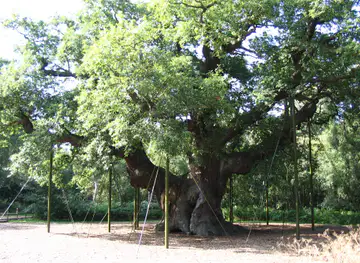
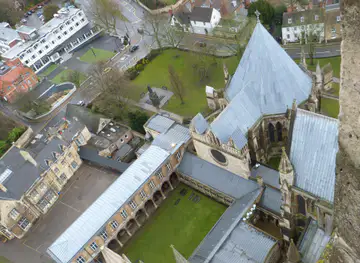
Lincoln Cathedral is the East Midlands' most commanding architectural landmark, rising above the historic city and visible across much of the surrounding plain. Lincoln Castle, with its medieval walls and Victorian prison, adds a powerful defensive presence. In Derbyshire, Chatsworth House and its landscaped park represent the region's grand country-estate tradition, while Hardwick Hall is notable for its Elizabethan architecture and prominent glass-filled elevations. Belvoir Castle occupies a hilltop position overlooking the Vale of Belvoir, and Nottingham Castle stands above the historic sandstone caves and city centre. Leicester's Roman Jewry Wall is one of the most substantial surviving Roman structures in Britain, while the medieval Guildhall and cathedral contribute to the city's older identity. In Nottinghamshire, the Major Oak and ancient woodland at Sherwood Forest have strong cultural associations. Rutland Water and the open Lincolnshire coast provide geographical landmarks of a different kind, defined by reservoirs, shoreline, sky and expansive views.
-
Cathedral
Southwell Minster
Explore Southwell Minster, a Norman and Gothic masterpiece with stunning medieval carvings, evocative stained glass, and a rich 900-year history in Nottinghamshire.
-
Landmark
Bamford Edge
Bamford Edge offers stunning panoramic views of Ladybower Reservoir and Hope Valley, a must-visit gritstone escarpment in the Peak District.
-
Anglican church
All Saints Church : Oakham
Medieval marvel crowned by a soaring Gothic spire, where intricate stone carvings and Victorian craftsmanship create timeless beauty.
-
Castle
Stamford Castle
Discover the Norman heritage and medieval echoes at Stamford Castle, a historic motte and bailey fortress nestled in the heart of Lincolnshire.


Explore East Midlands on the map
Plan your trip on one map. See where the top cities, national parks and sights are, and book hotels and experiences in a few clicks.
Best hotels in East Midlands
Best restaurants in East Midlands
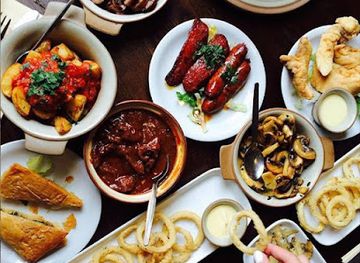
East Midlands food reflects its agricultural plain, livestock country, market towns and growing multicultural cities. Melton Mowbray is associated with its pastry-encased pork pie, while Stilton cheese is produced within the designated area that includes parts of Derbyshire, Leicestershire and Nottinghamshire. Lincolnshire is known for its sausages, plum bread and locally grown produce; Derbyshire contributes Bakewell pudding and substantial country cooking, while Red Leicester remains a familiar regional cheese. Traditional pubs, village inns and farm shops are especially useful for tasting local products, and farmers' markets bring together meat, cheese, baked goods, preserves and seasonal vegetables. Leicester's dining scene is notable for South Asian cuisines alongside contemporary British and global restaurants, while Nottingham and Derby offer a wide range of independent cafés, modern dining rooms, breweries and established pubs. In rural areas, booking ahead is wise for well-regarded restaurants and destination inns, particularly at weekends.
-
Thai
Zaap Thai Street Food
Experience the vibrant streets of Bangkok through authentic Thai street food and lively decor in the heart of Nottingham.
-
Tapas
Yamas Meze & Tapas
Experience the vibrant flavours and warm hospitality of Mediterranean meze and tapas in the heart of Nottingham’s city centre.
-
Italian
Ciao Bella
Experience authentic Italian flavors and vibrant dining in Mansfield’s charming Ciao Bella, where tradition meets modern comfort.
-
Tapas
baresca
Experience authentic Spanish tapas and vibrant atmosphere in Nottingham’s lively Baresca, where Catalan flavours meet rustic charm.



Best bars in East Midlands
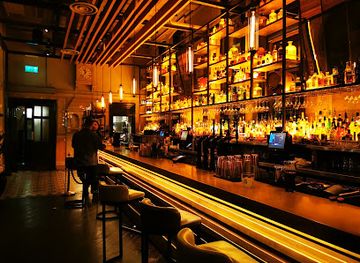
Nightlife is concentrated in Leicester, Nottingham and Derby, with smaller but active evening scenes in Lincoln, Northampton and the larger market towns. Nottingham has a broad choice of pubs, cocktail bars, live-music venues and clubs around its central streets, while Leicester combines student-oriented venues with independent bars, restaurants and cultural events. Derby and Lincoln offer traditional pubs, breweries, wine bars, theatres and live music, although their scale is more compact. Outside the cities, evening life generally centres on village pubs, historic inns, restaurants and occasional community or music events rather than extensive clubbing. The region's rural breweries and taprooms can provide an alternative to late-night venues, but opening arrangements vary and should be checked before travelling. In coastal Lincolnshire, nightlife is more seasonal and often linked to seaside entertainment and resort restaurants.
-
Cocktail bar
Slug & Lettuce - Market Square Nottingham
Vibrant cocktail bar and restaurant in Nottingham’s Market Square, known for lively atmosphere, diverse menu, and all-day 2-4-1 cocktails.
-
Bar
Pitcher & Piano Nottingham
Experience vibrant social life in a stunning Gothic church setting with creative cocktails and hearty British classics in Nottingham’s Lace Market.
-
Pub
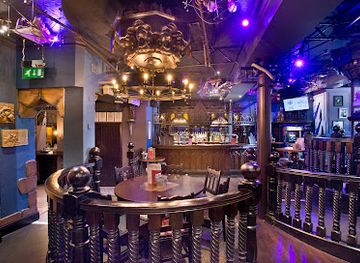
Pit & Pendulum
Step into Nottingham’s gothic sanctuary where dark tales, inventive cocktails, and alternative music create an unforgettable night out.
-
Cocktail bar
The Alchemist Nottingham
Experience Nottingham’s theatrical cocktail bar with innovative drinks, eclectic dining, and a captivating dark ambiance on King Street.


Best nightclubs in East Midlands
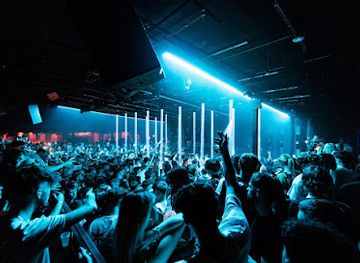
Nightlife is concentrated in Leicester, Nottingham and Derby, with smaller but active evening scenes in Lincoln, Northampton and the larger market towns. Nottingham has a broad choice of pubs, cocktail bars, live-music venues and clubs around its central streets, while Leicester combines student-oriented venues with independent bars, restaurants and cultural events. Derby and Lincoln offer traditional pubs, breweries, wine bars, theatres and live music, although their scale is more compact. Outside the cities, evening life generally centres on village pubs, historic inns, restaurants and occasional community or music events rather than extensive clubbing. The region's rural breweries and taprooms can provide an alternative to late-night venues, but opening arrangements vary and should be checked before travelling. In coastal Lincolnshire, nightlife is more seasonal and often linked to seaside entertainment and resort restaurants.
-
Nightclub
Mosh
Leicester’s vibrant three-floor alternative nightclub, buzzing with indie, emo, and metal beats and budget-friendly drinks.
-
Nightclub
The Emporium
Experience Coalville’s vibrant nightlife at The Emporium, where legendary DJs and electric atmospheres create unforgettable weekends.
-
Nightclub
Stealth
Nottingham’s vibrant nightclub hub, Stealth pulses with house beats and live DJ sets in a modern, energetic setting.
-
Nightclub
Unit 13
A dynamic industrial-chic nightclub in Nottingham offering immersive music, spacious layout, and diverse events for a memorable night out.


Best shops in East Midlands
Shopping in the East Midlands ranges from major city centres to independent market towns and rural food producers. Leicester offers large-scale retail, independent businesses and specialist South Asian shops, with food, textiles, jewellery and clothing reflecting the city's diverse communities. Nottingham and Derby combine high-street stores with boutiques, arcades, cafés and makers' shops, while Lincoln's historic uphill quarter is suited to antiques, books, art, gifts and locally produced goods. Market towns including Stamford, Oakham, Bakewell and Melton Mowbray are good places to browse delicatessens, independent retailers, galleries and traditional markets, though market days vary. Farm shops and food halls sell regional cheeses, pork pies, sausages, preserves, chocolates and baked products. Visitors seeking crafts will find pottery, artwork, textiles and handmade gifts in towns and heritage areas, while larger shopping centres are concentrated in the principal cities rather than scattered throughout the countryside.
-
Shopping Centre
Flying Horse Walk
Discover Nottingham’s historic boutique arcade blending medieval charm with artisan shops and cafes in the heart of the city.
-
Gift shop
Menkind
Discover unique gifts, gadgets, and toys with a playful twist at Menkind Nottingham, your go-to destination for original presents and fun finds.
-
Gift shop
Urban Outfitters
Discover trendy fashion and unique homewares with a creative edge at Urban Outfitters in Nottingham’s Victoria Centre.
-


Get your free copy of our complete guide to East Midlands, delivered straight to you.
Everything on this page, from attractions and restaurants to essentials and local phrases, in one PDF you can read offline, print or share.
Already have an account? Sign in
Your East Midlands guide is ready.
We'll send it to · Not you? Sign out

Getting your guide ready…
We are putting together a fresh copy of the East Midlands guide. This can take up to a minute.
This can take a few moments. If your browser asks, choose Allow so the download can start. You'll find the guide in your Downloads folder.
Nothing happened? Download it again
Sorry, the guide is taking longer than usual. Please try again in a minute, or get it by email instead.
East Midlands essentials
Currency and Payment
Safety
Emergency Situations
Do's and Don'ts
Local Tips
From Eve
Local phrases worth knowing
You don't need to get them perfect. A few words go a long way, and locals appreciate the effort.
Basics
| English | Local | Say it |
|---|---|---|
| Hello | Alright | [aw-reet] |
| Goodbye | Ta-ra | [ta-rah] |
| Yes | Aye | [eye] |
| No | Nah | [nah] |
| Please/You’re welcome | Cheers | [cheers] |
| Thank you | Thanks | [thanks] |
| Excuse me/Sorry | Sorry | [sorry] |
| How are you? | How's it going? | [how's it goin'] |
| Fine. And you? | Reyt. An thee? | [rait. an thee?] |
| Do you speak English? | D'ya speak English? | [d'ya speak English?] |
| I don't understand | I don’t get it | [I don't get it] |
Eating & Drinking
| English | Local | Say it |
|---|---|---|
| I'd like to see the menu, please | Can I see the menu, please? | [can I see th' menu, please?] |
| I don't eat meat | I'm a veggie | [I'm a veggie] |
| Cheers! | Cheers! | [cheers!] |
| I would like to pay, please | Can I pay, please? | [can I pay, please?] |
Emergencies
| English | Local | Say it |
|---|---|---|
| Help! | Help! | [help!] |
| Go away! | Clear off! | [clear off!] |
| Call the Police! | Ring the coppers! | [ring the coppers!] |
| Call a doctor! | Get a doc! | [get a doc!] |
| I'm lost | I'm a bit lost | [I'm a bit lost] |
| I'm ill | I'm poorly | [I'm poorly] |
Shopping
| English | Local | Say it |
|---|---|---|
| I'd like to buy... | I want to buy... | [I want to buy...] |
| I'm just looking | Just having a gander | [just havin' a gander] |
| How much is it? | How much's this? | [how much's this?] |
| That's too expensive | That's a bit steep | [that's a bit steep] |
| Can you lower the price? | Can ya do it cheaper? | [can ya do it cheaper?] |
Time & Numbers
| English | Local | Say it |
|---|---|---|
| What time is it? | What time is it? | [what time is it?] |
| It's one o'clock | It's one | [it's one] |
| Half past (10) | Half ten | [half ten] |
| Morning | Morning | [morning] |
| Afternoon | Afternoon | [afternoon] |
| Evening | Evening | [evening] |
| Yesterday | Yesterday | [yesterday] |
| Today | Today | [today] |
| Tomorrow | Tomorrow | [tomorrow] |
| 1 | One | [one] |
| 2 | Two | [two] |
| 3 | Three | [three] |
| 4 | Four | [four] |
| 5 | Five | [five] |
| 6 | Six | [six] |
| 7 | Seven | [seven] |
| 8 | Eight | [eight] |
| 9 | Nine | [nine] |
| 10 | Ten | [ten] |
Transport & Directions
| English | Local | Say it |
|---|---|---|
| Where's a/the...? | Where's the...? | [where's th'...?] |
| What's the address? | What's the address? | [what's th' address?] |
| Can you show me (on the map)? | Can you show me on the map? | [can you show me on th' map?] |
| When's the next (bus)? | When's the next bus? | [when's th' next bus?] |
| A ticket (to ....) | A ticket to... | [a ticket to...] |
History of East Midlands
Prehistoric Landscapes and Roman Settlement
The East Midlands contains evidence of settlement from prehistory onwards, including barrows, earthworks and ancient trackways across the Wolds, limestone country and river valleys. Roman influence became especially strong after the conquest of Britain. Roads connected settlements such as Ratae Corieltauvorum, the predecessor of Leicester, and Lindum Colonia, the Roman city at Lincoln. Forts, villas, pottery production and road networks tied the region to wider imperial trade. Leicester's Jewry Wall, Lincoln's Roman remains and sites around the Trent and Nene valleys provide visible reminders of an era when the region was an important agricultural and administrative zone.
The Medieval Rise of Lincoln and Nottingham
After the Norman Conquest, the East Midlands became a strategically important area of royal government, ecclesiastical power and trade. Lincoln Castle and cathedral symbolised the city's status, while Nottingham Castle and the town's position near the River Trent supported royal and commercial interests. Abbeys, parish churches and planned market towns spread across the countryside, and wool, grain and livestock shaped local wealth. Stamford, Newark and other settlements prospered through commerce and their positions on major routes. Medieval stone buildings, town plans and church towers remain among the region's most durable historical features.
The English Civil War and Regional Fortifications
The East Midlands was closely involved in the political and military struggles of the seventeenth century. Nottinghamshire, Derbyshire, Lincolnshire and Northamptonshire contained important estates and fortified towns whose loyalties were divided between Parliament and the Crown. Newark was a major Royalist stronghold and endured sieges during the Civil War, while nearby Belvoir Castle also became involved in the conflict. The war altered the fortunes of landowning families and left surviving defensive earthworks, castles and country houses with layered political histories. Its legacy can still be read in the fortified landscapes of the Trent and Witham corridors.
Agricultural Improvement and Country Estates
From the eighteenth century, improved farming transformed much of the East Midlands. Enclosure, drainage, new planting and more systematic estate management reshaped fields and villages, particularly in Leicestershire, Northamptonshire and Lincolnshire. Wealth from agriculture supported substantial houses, landscaped parks and model villages associated with families such as the Cavendishes, Manners and Fitzherberts. Estates including Chatsworth, Belvoir, Kedleston and Burghley, the latter just outside the modern East Midlands region in Cambridgeshire, reflect changing ideas about architecture, landscape and rural organisation. Many of the region's lanes, hedges and parklands date from this period.
Industrialisation, Coal and Engineering
Industrial growth gave the East Midlands a major role in Britain's modern economy. Coal mining expanded across Nottinghamshire, Derbyshire and Leicestershire, while Derby became a centre of railway engineering and locomotive production. Leicester developed important hosiery and manufacturing industries, and Nottingham became internationally associated with lace and later engineering and pharmaceuticals. Canals, turnpike roads and railways connected mines, factories, market towns and ports. Although many collieries and traditional factories have disappeared, museums, restored industrial buildings, railway heritage and former mining landscapes preserve the region's working history.
The Railways and the Modern City
The nineteenth-century railway revolution altered the geography of the East Midlands. Derby became a major railway centre, Leicester benefited from connections between London, the Midlands and the north, and Nottingham's railway infrastructure supported expanding industry and trade. New stations, warehouses and dense worker neighbourhoods accompanied urban growth. Railways also encouraged seaside tourism on the Lincolnshire coast and made country towns more accessible. The surviving station architecture, viaducts, railway workshops and transport museums illustrate how the region moved from an agricultural economy towards an urban and industrial one.
Twentieth-Century Change and Cultural Renewal
The twentieth century brought both expansion and disruption. Coal mining declined, manufacturing changed, and many traditional industries contracted, while universities, logistics, science, healthcare and cultural institutions grew in the cities. Leicester's post-war communities added new languages, faiths and cuisines to its civic life, and Nottingham and Derby developed major universities and arts venues. Former factories, railway sites and industrial districts have been adapted for museums, galleries and creative uses. The region today retains strong manufacturing and agricultural connections while presenting a more diverse urban and economic identity.
East Midlands in Photos
Browse through our photo collection highlighting the charm and character of the destination.
Neighbouring regions of East Midlands
The closest regions to East Midlands, if you have time for more than one.
-
-

-
-

-


Swipe for more regions
Explore more

Explore more of United Kingdom
Discover the United Kingdom: A blend of rich history, stunning landscapes, and vibrant cities, offering a unique travel experience for every visitor.
Explore United Kingdom