Cowgate, Edinburgh Travel Guide
Discover Cowgate, Edinburgh’s historic street where medieval roots meet vibrant nightlife beneath the Old Town’s iconic skyline.
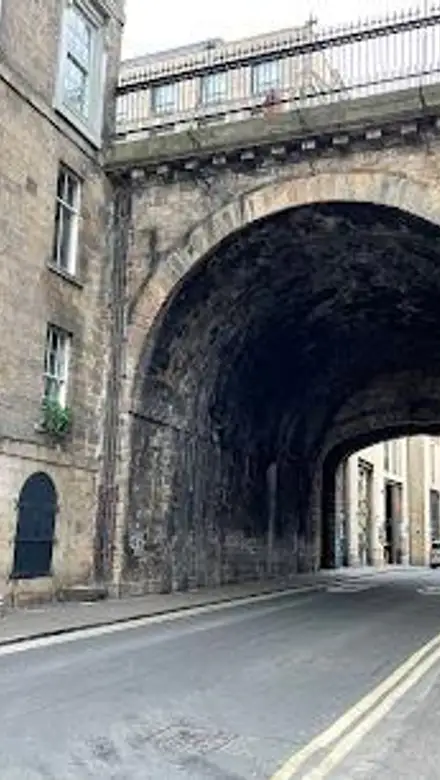
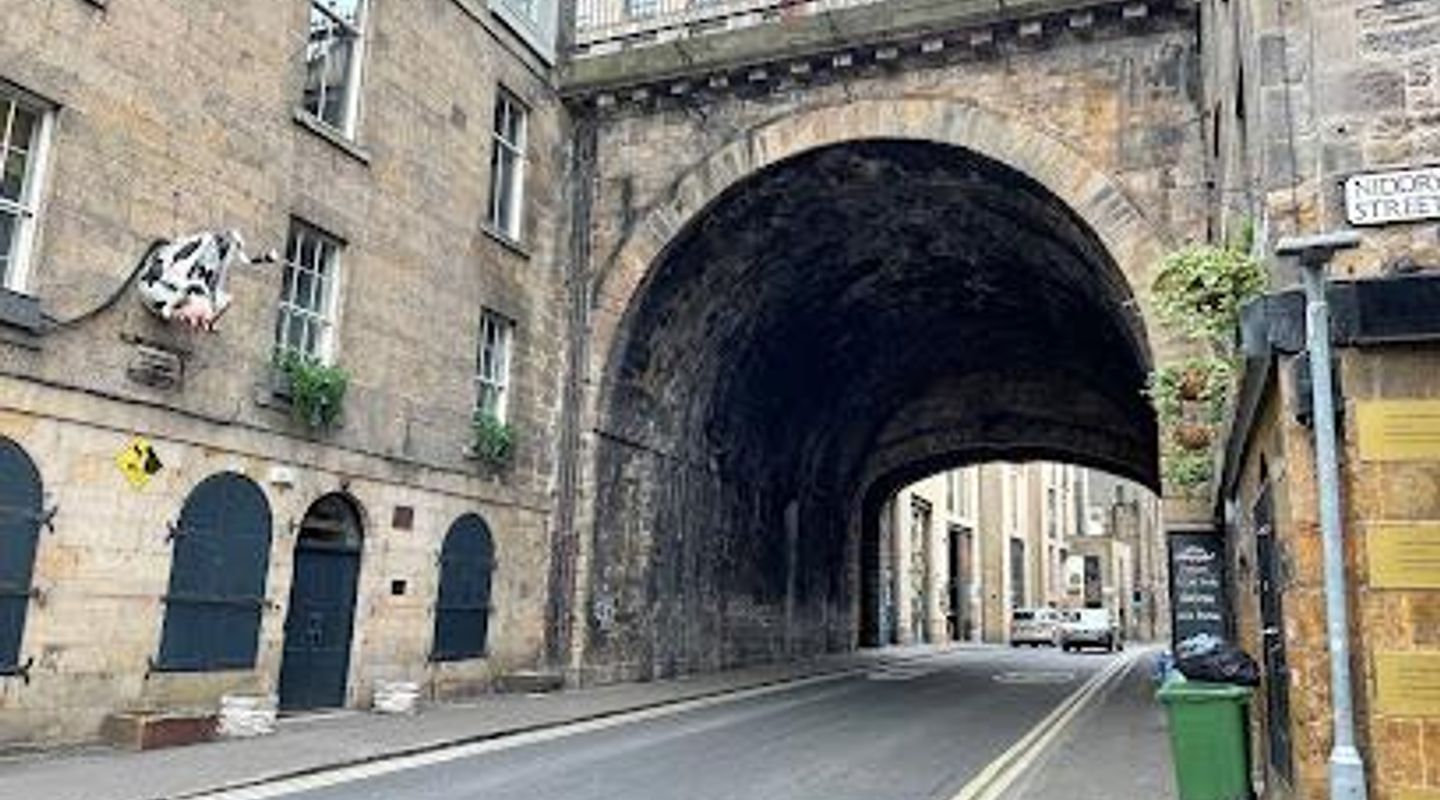
Cowgate is a historic street nestled in Edinburgh’s Old Town, lying in a valley below the city’s elevated streets. Dating back to the 14th century, it was once a vital route for driving cattle to market and has evolved into a vibrant hub of culture, nightlife, and heritage. Home to landmarks like St Cecilia’s Hall and Magdalen Chapel, Cowgate combines centuries of history with lively pubs, theaters, and music venues, making it an essential part of Edinburgh’s World Heritage Site.
A brief summary to Cowgate
- Edinburgh, GB
- Duration: 1 to 3 hours
- Mid ranged
-
 Outdoor
- Mobile reception: 4 out of 5

Know before you go
Hi, I'm Eve. Here are a few practical things to know before exploring Cowgate.
- Visit St Cecilia’s Hall for a unique glimpse into Scotland’s musical heritage with its historic concert space and instrument collection.
- Explore the underground vaults beneath South Bridge for a fascinating look at Edinburgh’s early urban commerce and taverns.
- Experience Cowgate’s vibrant nightlife by visiting popular venues like Sneaky Pete’s and The Three Sisters.
- Look for the distinctive cow sculptures along the street as a charming reminder of Cowgate’s cattle-driving past.
Do you manage this location?
Take control to get all the benefits, like improved information, better appearance, and stronger visibility across AI-powered discovery. Learn more about listing your business on Evendo
Activate your presenceOther nearby places you may find interesting
The closest places of the same kind, if this one is not quite what you had in mind.
Explore Cowgate on the Map
A handpicked selection of must-see spots near Cowgate, mapped for you.
Unlock the Best of Cowgate
Buy tickets
-
No tickets available
Book tours with entry


Getting There
-
Bus
Take Lothian Buses routes 35 or 36 from Edinburgh city center, reaching stops near Cowgate within 10 to 15 minutes. Buses run frequently every 10-15 minutes. Tickets cost around £1.80-£2.00. Note that some stops require a short uphill walk.
-
Tram and Walk
Use the Edinburgh Trams to Princes Street stop, then walk approximately 15 minutes downhill to Cowgate. Trams run every 7-10 minutes, with tickets costing about £6 for a single journey from the airport or £1.80 within the city zone.
-
Taxi
Taxis from central Edinburgh take 5-10 minutes depending on traffic, costing approximately £7-£12. Taxi ranks are available near major landmarks like Edinburgh Castle and Waverley Station.
-
Walking
From Edinburgh Castle or the Royal Mile, walking to Cowgate takes about 10-15 minutes downhill on cobbled streets. The terrain is uneven but accessible with care; suitable for most visitors comfortable with city walking.
For the on-the-go comforts that matter to you
-
 Restrooms
-
 Drink Options
-
 Food Options
-
 Seating Areas
-
 Trash Bins
-
 Information Boards
Discover more about Cowgate
Origins and Historical Significance of Cowgate
Cowgate’s origins trace back to around 1330, marking Edinburgh’s first municipal expansion beyond its medieval core. The street’s name reflects its original function as a drovers’ road where cattle were herded to the Grassmarket for sale, with “gate” meaning street. It lay within the protective Flodden Wall built in the 16th century, featuring the Cowgate Port gatehouse. Archaeological finds reveal the street’s early boundaries and the evolution of its urban fabric, including the filling in of a burn to allow expansion. Once a prestigious address for noble families and city councillors, Cowgate’s layers of history are embedded in its architecture and street plan.Architectural and Cultural Landmarks
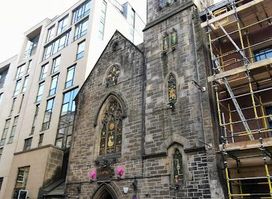
Among Cowgate’s historic buildings, the Magdalen Chapel stands out with its intact pre-Reformation stained glass windows, a rare treasure in Scotland. St Cecilia’s Hall, built in 1763, is Scotland’s oldest purpose-built concert hall and now houses a museum of early keyboard instruments, reflecting Edinburgh’s rich musical heritage. St Patrick’s Roman Catholic Church, dating from 1772 and remodeled in 1929, anchors the eastern end of the street. The former Cowgatehead Free Church, with its Gothic octagonal tower, has been repurposed as part of a modern hotel. Beneath the street, the vaults formed by the South Bridge arches once hosted shops and taverns, an early example of underground urban space.Vibrant Nightlife and Contemporary Culture
Today, Cowgate pulses with vibrant nightlife, hosting a variety of pubs, bars, and clubs that attract locals and visitors alike. Venues like Sneaky Pete’s and The Three Sisters offer live music, dance, and social atmospheres, while Brewdog provides a craft beer experience. The street’s intimate venues and historic ambiance create a unique setting for Edinburgh’s famous festivals, including the Fringe. The Devil’s Advocate bar and others tucked into historic buildings add to the street’s lively yet sheltered character, making Cowgate a nightlife cornerstone in the Old Town.Geographical Setting and Urban Context
Cowgate lies in a natural valley beneath the elevated streets of South Bridge and George IV Bridge, which span the street and create a layered urban landscape. It connects the Grassmarket at its western end to Holyrood Road in the east, threading through the Old Town’s dense historic fabric. The street’s lower elevation and enclosed feel contrast with the bustling thoroughfares above, offering a more intimate experience of Edinburgh’s medieval core. Its proximity to landmarks like Edinburgh Castle and the Royal Mile situates Cowgate as both a historic passage and a destination in its own right.Legacy and Modern-Day Experience
Cowgate’s enduring legacy is visible in its blend of historic sites and contemporary uses. It remains a vital artery for cultural events, nightlife, and community life within Edinburgh’s World Heritage Site. The street’s character reflects centuries of adaptation—from a cattle route to a prestigious residential street, to a hub of entertainment and hospitality. Visitors can explore its historic chapels, enjoy performances in its concert hall, or immerse themselves in the dynamic social scene, all while surrounded by the echoes of Edinburgh’s layered past.Notable Stories and Hidden Gems
Beyond the main landmarks, Cowgate holds stories of Edinburgh’s social evolution, including its role in the city’s Irish diaspora and the birthplace of notable figures like James Connolly. The street’s vaults hint at forgotten urban life beneath the surface, while the distinctive cow sculptures pay homage to its origins. Cowgate invites exploration beyond the obvious, rewarding those who venture into its closes and courtyards with glimpses of history, community, and vibrant city life all intertwined.












Your all‑in‑one travel companion app
Explore expert travel guides, compare and book tours, experiences, hotels, and more—all from the palm of your hand. Download now for seamless trip planning wherever your wanderlust takes you.


Explore More of Edinburgh
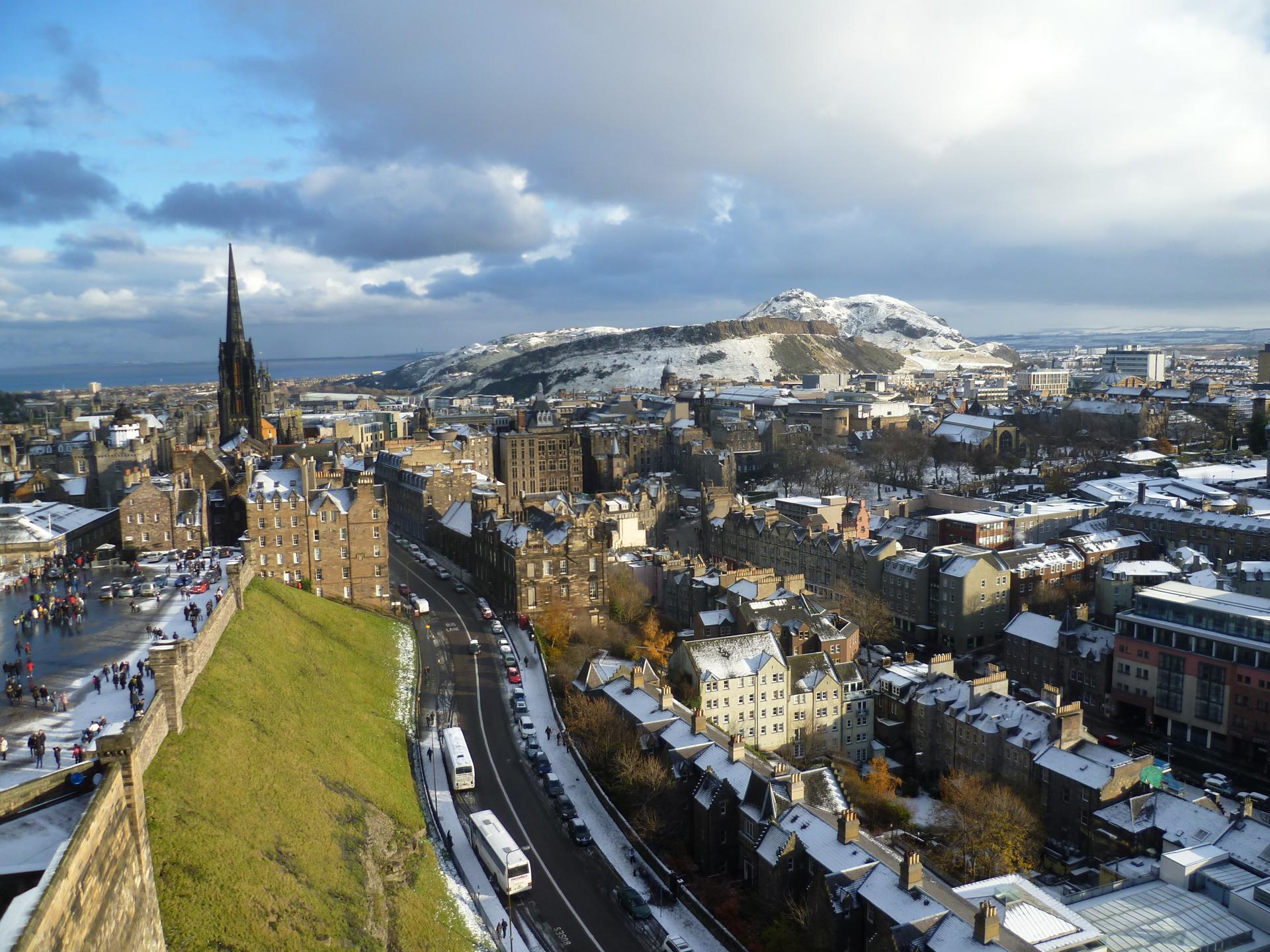
Looking beyond Cowgate? Discover Edinburgh for broader travel guides, local hot-spots, and regional highlights.
Explore Edinburgh
Discover Edinburgh’s historic 17th-century Tron Kirk transformed into a vibrant indoor market showcasing Scotland’s finest arts and crafts.
Edinburgh’s vibrant live music venue with nightly bands, late-night dancing, and Scotland’s largest HD sports screen in a unique historic setting.