Holyrood Park, Edinburgh Travel Guide
Edinburgh’s wild heart: volcanic peaks, ancient ruins, and sweeping city views in a royal urban park.
Holyrood Park is a sprawling 650-acre royal park in the heart of Edinburgh, famed for its volcanic hills, including Arthur’s Seat, ancient ruins, and rich natural heritage. Offering panoramic city views, historic sites, and diverse wildlife habitats, it blends dramatic geology with cultural history, making it a unique urban escape for walkers, climbers, and nature lovers alike.
A brief summary to Holyrood Park
- Queen's Dr, Edinburgh, EH8 8HG, GB
- Click to display
- Click to display
- Duration: 1 to 3 hours
- Budget
-
 Outdoor
- Mobile reception: 4 out of 5

Know before you go
Hi, I'm Eve. Here are a few practical things to know before exploring Holyrood Park.
- Wear sturdy footwear with good grip to navigate uneven and sometimes slippery terrain safely.
- Visit early morning or late afternoon for quieter trails and stunning light for photography.
- Explore beyond Arthur’s Seat to discover lesser-known sites like St Anthony’s Chapel and Duddingston Loch.
- Check for any road or path closures and upcoming events that might affect access before your visit.
- Consider joining a guided walk offered by the Ranger Service to enrich your understanding of the park’s history and ecology.
Do you manage this location?
Take control to get all the benefits, like improved information, better appearance, and stronger visibility across AI-powered discovery. Learn more about listing your business on Evendo
Activate your presenceOther nearby places you may find interesting
The closest places of the same kind, if this one is not quite what you had in mind.
Explore Holyrood Park on the Map
A handpicked selection of must-see spots near Holyrood Park, mapped for you.
Getting There
-
Public Transport
Take Lothian Buses routes 35 or 36 from Edinburgh city centre to Holyrood Park, with a journey time of approximately 15-20 minutes. Buses run frequently throughout the day with tickets costing around £2.00–£2.50 one way.
-
Car
Drive to Holyrood Park with parking available at Broad Pavement car park near Holyrood Palace. Parking costs £1.00 per hour, charged Monday to Friday from 8:30am to 5:30pm. Note that parking is free on weekends and public holidays. Overnight parking is not permitted.
-
Walking
From Edinburgh city centre, walking to Holyrood Park takes approximately 25-35 minutes over mostly paved and accessible terrain, with some sections of uneven ground within the park. Suitable for most fitness levels with sturdy footwear recommended.
For the on-the-go comforts that matter to you
-
 Restrooms
-
 Seating Areas
-
 Information Boards
-
 Visitor Center
-
 Trash Bins
Discover more about Holyrood Park
A Geological and Historical Marvel at Edinburgh’s Core
Holyrood Park stands as a remarkable natural and historic landmark within Edinburgh, covering approximately 650 acres of rugged hills, lochs, and open green spaces. Dominating the park is Arthur’s Seat, an extinct volcano rising 251 meters above sea level, whose volcanic origins date back over 300 million years. The park’s geological features also include the striking Salisbury Crags, a sheer cliff formed by ancient magma flows and shaped further by historic quarrying. These formations have attracted scientific study since the 18th century, notably by geologist Sir James Hutton, whose observations here helped establish modern geology.Rich Cultural Layers and Archaeological Significance
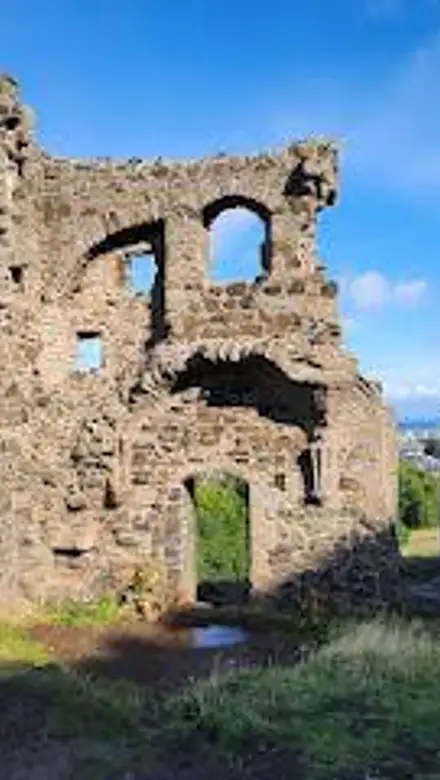
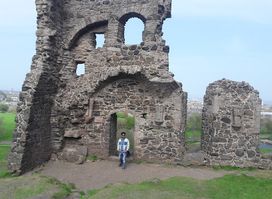
Beyond its natural wonders, Holyrood Park is steeped in human history spanning thousands of years. Archaeological remains include Iron Age forts, Bronze Age agricultural terraces, and the evocative ruins of St Anthony’s Chapel, dating back to the medieval period. The park’s proximity to the Palace of Holyroodhouse, the official Scottish royal residence, enhances its cultural importance. Excavations have revealed cloisters and artifacts from Holyrood Abbey, linking the landscape to Scotland’s royal and religious heritage.Wildlife and Natural Habitats in an Urban Setting
The park is a sanctuary for diverse flora and fauna, managed to protect rare and threatened plant species such as spring sandwort and rock whitebeam. Its lochs, including Duddingston Loch, serve as havens for waterfowl and other wildlife, offering birdwatching opportunities. The varied habitats—from wildflower grasslands and bogs to woodlands—invite visitors to connect with nature amid the city bustle.Recreational Opportunities and Visitor Experience
Holyrood Park is a beloved destination for walking, hiking, cycling on designated paths, climbing, and photography. The ascent of Arthur’s Seat is a popular challenge, rewarding climbers with sweeping 360-degree views of Edinburgh, the Firth of Forth, and the surrounding Lothians. For those seeking less strenuous routes, the Salisbury Crags provide accessible vantage points with dramatic outlooks. The park’s open access and well-maintained trails make it suitable for a range of visitors, from casual strollers to avid adventurers.Facilities, Services, and Conservation Efforts
Managed by Historic Environment Scotland, Holyrood Park offers visitor amenities including a visitor centre, public toilets at the Education Centre, and a Ranger Service that conducts guided walks and educational programs. Parking is available at several points around the park, with charges applying near Holyrood Palace during weekdays. Conservation efforts focus on protecting the park’s natural and archaeological heritage, with ongoing monitoring and restoration projects to maintain its unique environment.Integration with Edinburgh’s Urban and Cultural Landscape
Situated adjacent to iconic sites such as Holyrood Palace, the Scottish Parliament, and Dynamic Earth, Holyrood Park forms a green heart within Edinburgh’s historic and political core. Its dramatic skyline shapes the city’s identity, while its blend of wild nature and cultural landmarks invites visitors to explore Scotland’s past and present in one extraordinary setting.












Your all‑in‑one travel companion app
Explore expert travel guides, compare and book tours, experiences, hotels, and more—all from the palm of your hand. Download now for seamless trip planning wherever your wanderlust takes you.


Explore More of Edinburgh
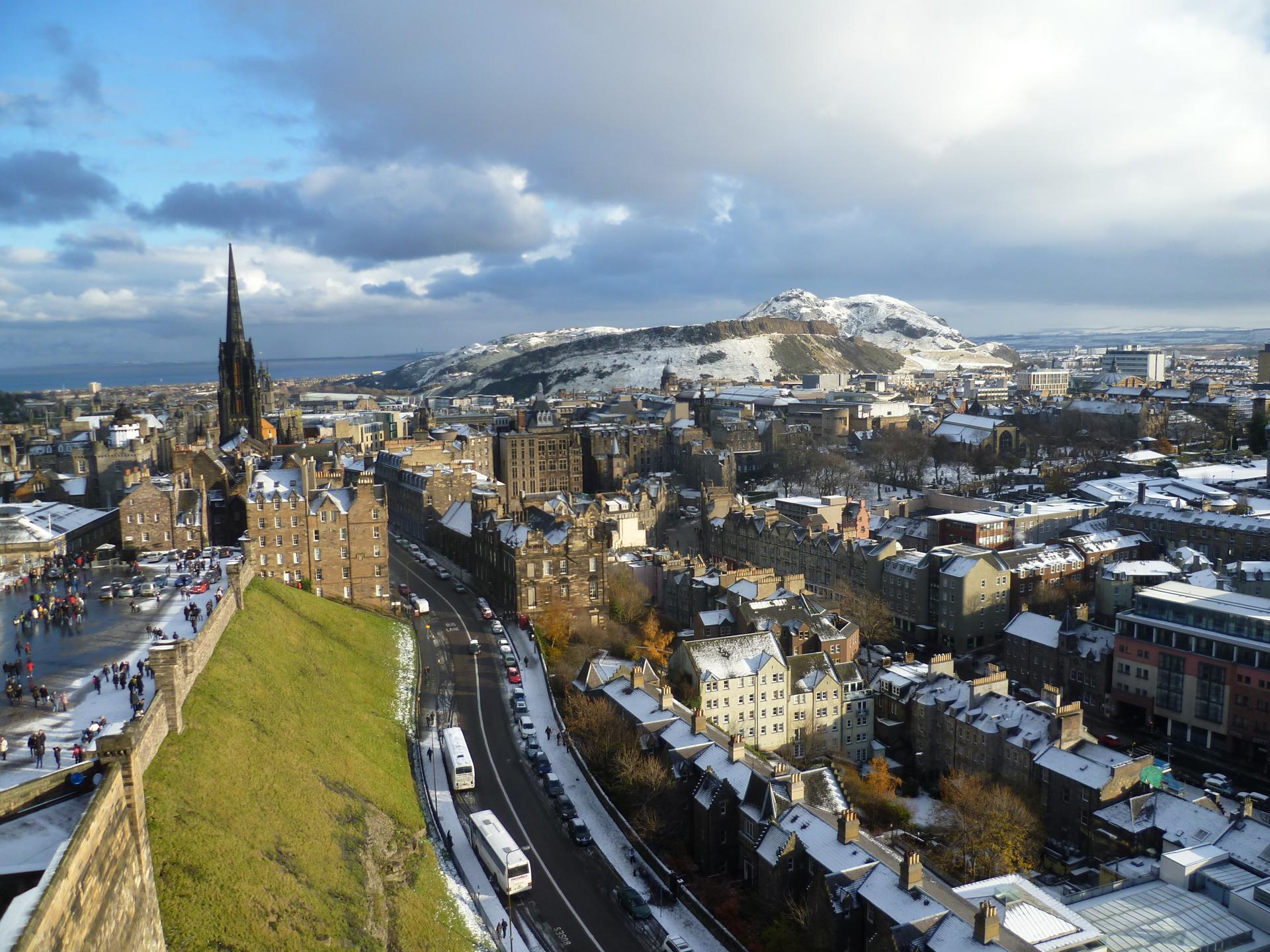
Looking beyond Holyrood Park? Discover Edinburgh for broader travel guides, local hot-spots, and regional highlights.
Explore Edinburgh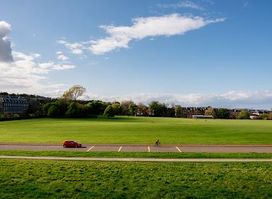
Explore Edinburgh’s historic Holyrood Park through engaging ranger-led education and stunning natural landscapes at the Holyrood Park Education Centre.
Explore Edinburgh’s royal volcanic park with ancient ruins, panoramic views from Arthur’s Seat, tranquil lochs, and rich cultural heritage.