Lawnmarket, Edinburgh Travel Guide
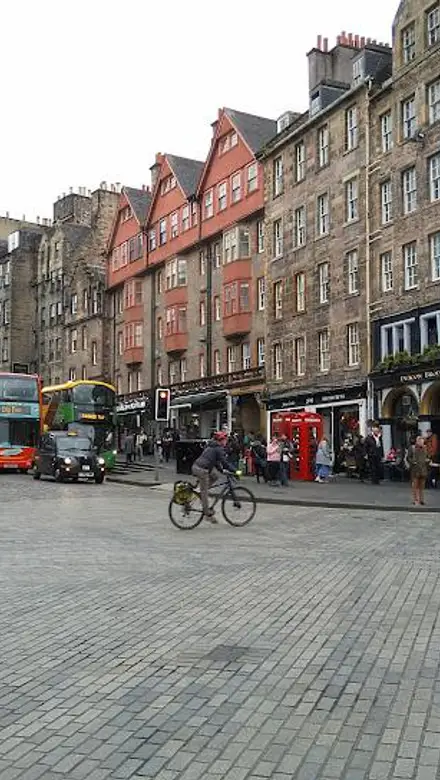
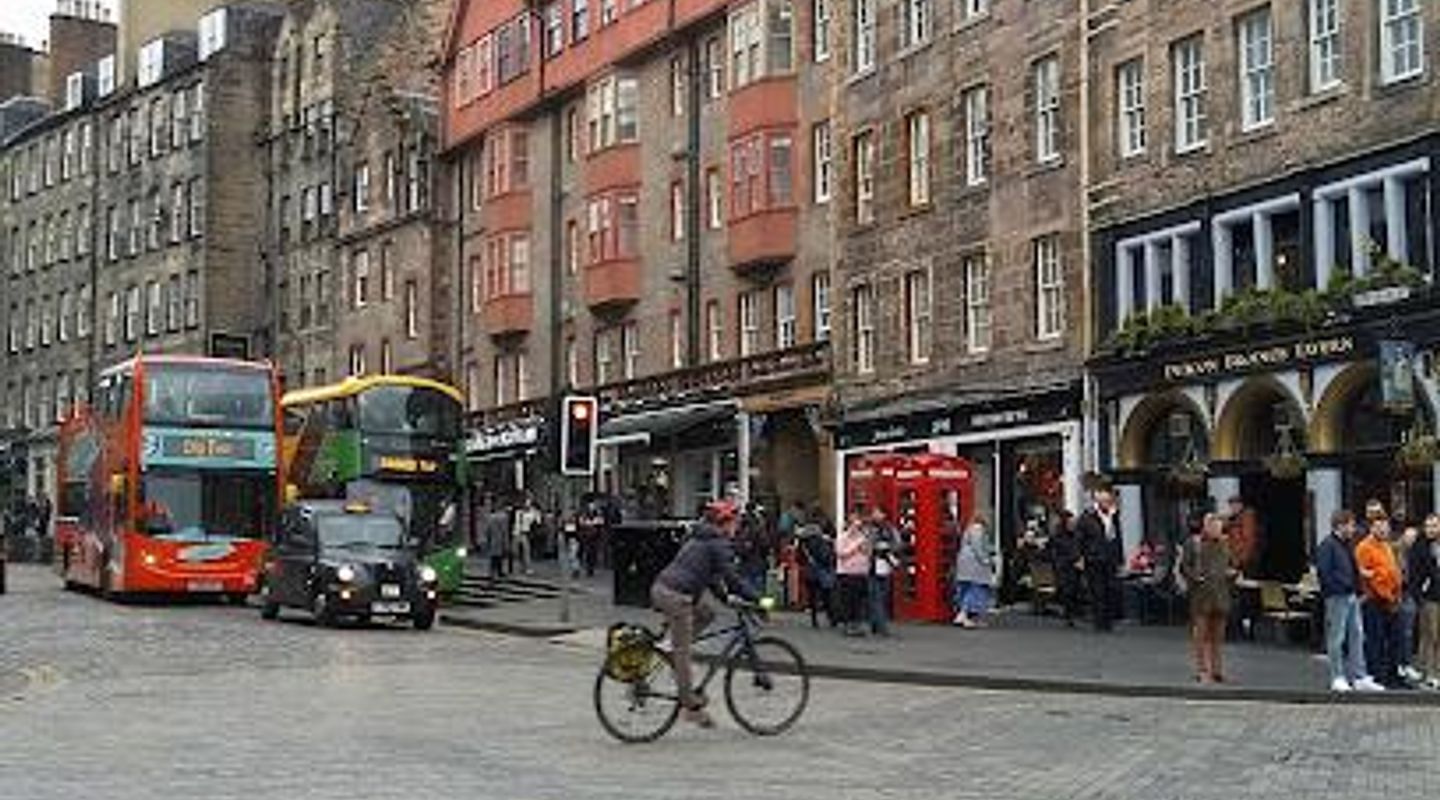
Step into Edinburgh’s Lawnmarket, where medieval markets, royal history, and literary heritage converge along the iconic Royal Mile.
Lawnmarket is a historic section of Edinburgh's Royal Mile, once a bustling market specializing in linen and cloth. It features notable 16th-century buildings like Gladstone's Land and Lady Stair’s House, home to the Writers’ Museum. Rich with royal connections and centuries of urban life, Lawnmarket offers a vivid glimpse into Edinburgh’s past through its preserved architecture, narrow closes, and cultural landmarks.
A brief summary to Lawnmarket
- Edinburgh, GB
- Duration: 1 to 3 hours
- Mid ranged
-
 Outdoor
- Mobile reception: 4 out of 5

Know before you go
Hi, I'm Eve. Here are a few practical things to know before exploring Lawnmarket.
- Visit Gladstone’s Land for a vivid glimpse of 16th-century urban life in Edinburgh’s Old Town.
- Explore the narrow closes off Lawnmarket to discover hidden cafes, gardens, and historic museums.
- Don’t miss the Writers’ Museum in Lady Stair’s House, celebrating Scotland’s literary greats.
- Look for the statue of David Hume outside the High Court and try rubbing his toe for good luck.
Do you manage this location?
Take control to get all the benefits, like improved information, better appearance, and stronger visibility across AI-powered discovery. Learn more about listing your business on Evendo
Activate your presenceOther nearby places you may find interesting
The closest places of the same kind, if this one is not quite what you had in mind.
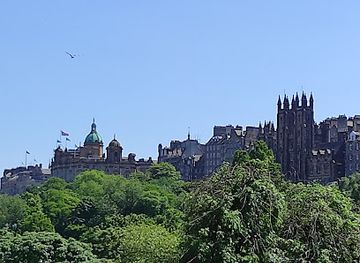
Explore Lawnmarket on the Map
A handpicked selection of must-see spots near Lawnmarket, mapped for you.
Unlock the Best of Lawnmarket
Buy tickets
-
No tickets available
Book tours with entry
-
No tours available


Getting There
-
Bus
Take Lothian Buses routes 35 or 36 from Princes Street, with a journey time of approximately 15-20 minutes. Buses stop near the Royal Mile, within a short walk of Lawnmarket. Tickets cost around £1.80–£2.00 GBP. Services run frequently but may be less frequent late evenings.
-
Tram and Walk
Use the Edinburgh Tram from the airport or city center to Princes Street stop, then walk about 15 minutes uphill to Lawnmarket. The tram journey takes 25-30 minutes; walking is on cobbled streets with moderate incline. Tram fares range from £6 to £8 GBP depending on zone.
-
Taxi
A taxi from Edinburgh Waverley Station to Lawnmarket takes about 5-10 minutes depending on traffic. Fares typically range from £6 to £10 GBP. Taxis are widely available but may be limited during peak tourist seasons.
-
Walking
Walking from Edinburgh Castle to Lawnmarket takes about 10 minutes via the Royal Mile. The route is cobbled and uphill in places, suitable for most visitors but may be challenging for those with mobility issues.
For the on-the-go comforts that matter to you
-
 Restrooms
-
 Drink Options
-
 Food Options
-
 Seating Areas
-
 Information Boards
Discover more about Lawnmarket
Origins and Market Heritage
Lawnmarket derives its name from the linen market that once thrived here, with 'lawn' referring to a type of fine linen cloth. This street, part of the Royal Mile, historically served as a bustling commercial hub where merchants sold textiles and other goods. Its origins trace back to medieval times when markets were central to city life. The street’s layout and name preserve this legacy, reflecting the economic and social fabric of early Edinburgh.Architectural Treasures and Historic Residences
The north side of Lawnmarket boasts Gladstone's Land, a well-preserved 16th-century tenement that illustrates urban living conditions of the period. This National Trust for Scotland property reveals the diverse social strata of Edinburgh’s past residents, from merchants to nobility. Nearby, Lady Stair’s House houses the Writers’ Museum, celebrating literary giants Robert Burns, Walter Scott, and Robert Louis Stevenson. These buildings, alongside others like Milne’s Court, showcase architectural styles from the Renaissance through the 18th century.Royal Connections and Cultural Significance
Lawnmarket has notable royal associations, including Riddle’s Court, where King James VI and Anne of Denmark once held a lavish banquet. This site features rare painted ceilings commemorating their union, reflecting the street’s importance in Scotland’s royal and cultural history. The presence of statues, such as that of philosopher David Hume outside the High Court, further enriches the area’s intellectual heritage.The Network of Closes and Hidden Alleys
Lawnmarket is flanked by numerous closes, wynds, and courts—narrow alleys named after prominent residents or tradespeople. These passageways, once gated for security, now reveal hidden cafes, gardens, and small museums. Exploring these closes offers insight into Edinburgh’s medieval urban planning and daily life, with each alley carrying its own stories and character.Historic Events and Lasting Legacy
The street witnessed significant events, including fires and social gatherings, shaping its evolution. The Lawnmarket Club, a community of residents, was known for early intelligence sharing. Public executions also took place nearby, with the last execution site marked by brass plaques. Over centuries, the area has undergone transformations balancing preservation with modernization, maintaining its role as a vibrant cultural and historical artery.Modern-Day Experience and Visitor Appeal
Today, Lawnmarket blends its rich heritage with contemporary life. Visitors can enjoy a mix of historic sites, museums, eateries, and shops nestled within its ancient stone buildings. The street’s atmosphere invites exploration and reflection on Edinburgh’s layered past, making it an essential part of any journey along the Royal Mile.












Your all‑in‑one travel companion app
Explore expert travel guides, compare and book tours, experiences, hotels, and more—all from the palm of your hand. Download now for seamless trip planning wherever your wanderlust takes you.


Explore More of Edinburgh
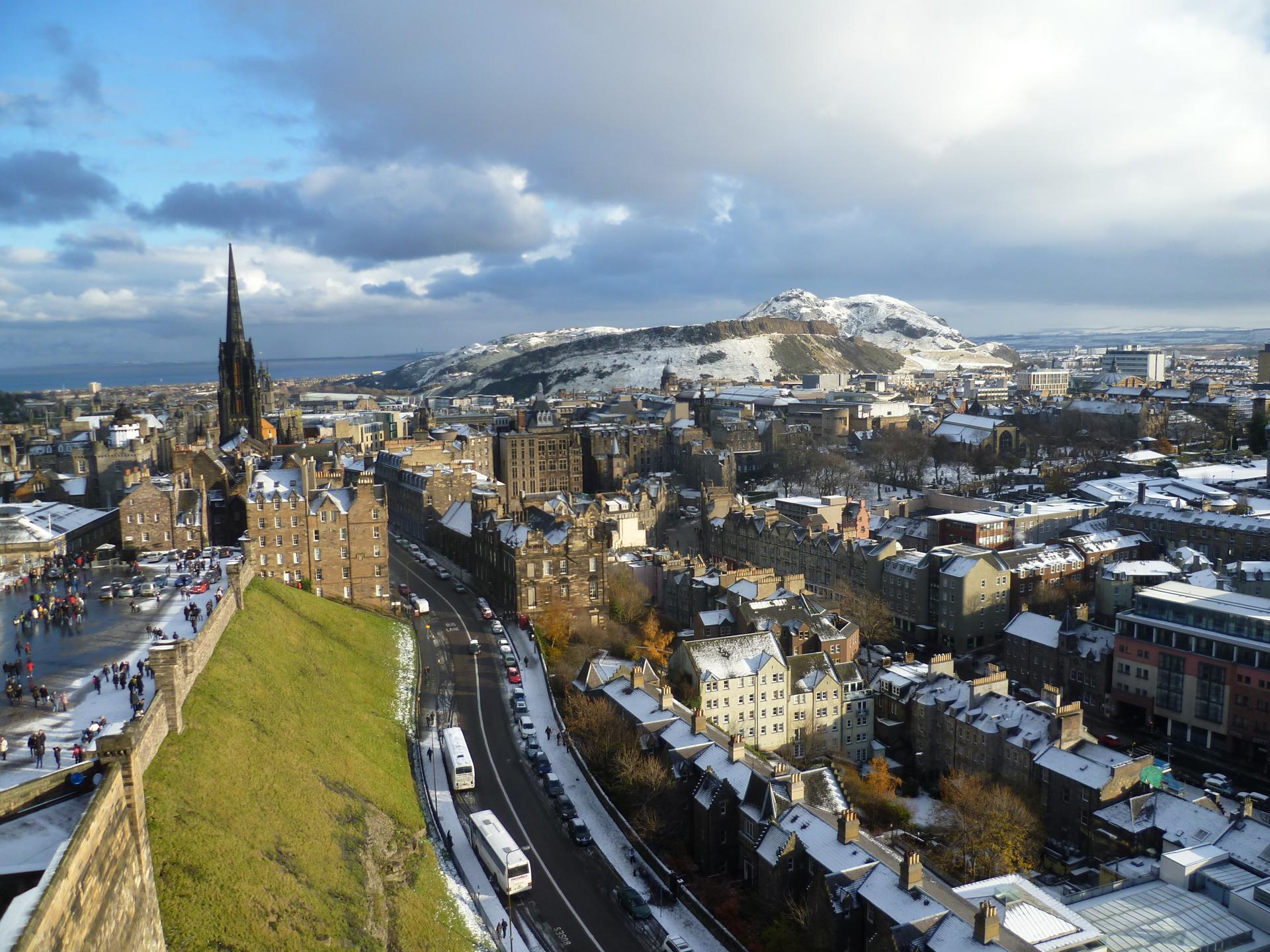
Looking beyond Lawnmarket? Discover Edinburgh for broader travel guides, local hot-spots, and regional highlights.
Explore Edinburgh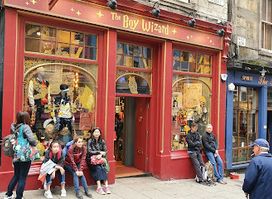
Discover authentic Scottish gifts and magical Harry Potter memorabilia in the heart of Edinburgh’s historic Lawnmarket.
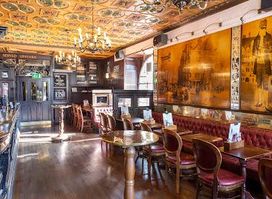
Experience the history and charm of Edinburgh at Deacon Brodie's Tavern, a traditional pub offering local ales and hearty Scottish cuisine.