

St Andrew Square & George St, Edinburgh Travel Guide
Elegant Georgian square in Edinburgh’s New Town, blending historic grandeur, tranquil gardens, and vibrant cultural life.
St Andrew Square, a centerpiece of Edinburgh’s New Town, is a distinguished Georgian garden square famed for its neoclassical architecture, the towering Melville Monument, and vibrant urban life. Conceived in the 1770s by James Craig, it blends serene gardens with bustling commerce along George Street, offering a rich mix of history, culture, and leisure in the heart of the city.
A brief summary to St Andrew Square & George St
- Edinburgh, EH2 2PA, GB
- Duration: 0.5 to 3 hours
- Mid ranged
-
 Outdoor
- Mobile reception: 5 out of 5

Know before you go
Hi, I'm Eve. Here are a few practical things to know before exploring St Andrew Square & George St.
- Visit the gardens in spring and summer for the best experience of the tranquil green spaces and outdoor events.
- Take time to admire the Melville Monument’s design and learn about Henry Dundas’s complex legacy.
- Explore nearby George Street for upscale dining, shopping, and lively nightlife options.
- Check for cultural events and festivals held in the square’s gardens, especially during summer.
Do you manage this location?
Take control to get all the benefits, like improved information, better appearance, and stronger visibility across AI-powered discovery. Learn more about listing your business on Evendo
Activate your presenceOther nearby places you may find interesting
The closest places of the same kind, if this one is not quite what you had in mind.
Explore St Andrew Square & George St on the Map
A handpicked selection of must-see spots near St Andrew Square & George St, mapped for you.
Unlock the Best of St Andrew Square & George St
Buy tickets
-
No tickets available
Book tours with entry


Getting There
-
Bus
Edinburgh Bus Station is adjacent to St Andrew Square, served by frequent city and regional buses with travel times from central locations ranging from 10 to 30 minutes. Tickets cost approximately £1.80 to £3.50 GBP depending on distance. The station is fully accessible with sheltered waiting areas.
-
Train
Edinburgh Waverley Station is about 1.5 km from St Andrew Square, reachable by a 20-minute walk or a 5-minute taxi ride costing around £5-£8 GBP. The station offers frequent services across Scotland and the UK.
-
Walking
From Princes Street and central Edinburgh, St Andrew Square is reachable within 15 to 25 minutes on foot via mostly flat, paved urban streets. The route is wheelchair accessible and well-signposted, suitable for all fitness levels.
-
Taxi
Taxis and ride-hailing services are readily available throughout Edinburgh, with typical fares to St Andrew Square from central areas ranging from £5 to £10 GBP depending on traffic and time of day.
For the on-the-go comforts that matter to you
-
 Restrooms
-
 Drink Options
-
 Food Options
-
 Seating Areas
-
 Information Boards
Discover more about St Andrew Square & George St
Georgian Origins and Urban Vision
St Andrew Square was created in the 1770s as a pivotal element of James Craig’s visionary design for Edinburgh’s New Town, conceived to address overcrowding in the Old Town. The square was intended as a grand garden space anchoring the east end of George Street, complementing Charlotte Square at the west. Its layout embodies the elegance, symmetry, and neoclassical style characteristic of Georgian urban planning, which ultimately earned the Old and New Towns UNESCO World Heritage status in 1995.The Melville Monument and Historical Figures
Dominating the square is the towering Melville Monument, a 46-meter fluted Doric column modeled after Rome’s Trajan’s Column, topped with a statue of Henry Dundas, 1st Viscount Melville. Dundas was a powerful and controversial 18th-century Scottish politician, known as the 'uncrowned king of Scotland' and the last British MP to be impeached. The monument, erected in 1823, symbolizes his influence despite his contentious legacy. Nearby, Dundas House, a neoclassical mansion designed by Sir William Chambers for Sir Lawrence Dundas, now serves as the Royal Bank of Scotland’s headquarters.From Elite Residences to Financial Hub
Originally, St Andrew Square was one of Edinburgh’s most desirable residential addresses, home to notable figures such as philosopher David Hume. Over the 19th century, it evolved into a commercial and financial center, hosting banks, insurance companies, and financial institutions. The grand architecture of these buildings served as symbols of stability and trust, with impressive domes and interiors reflecting their importance. Today, many of these historic buildings have been repurposed into hotels, restaurants, and cultural venues, blending heritage with modern urban life.Gardens and Public Life
The square’s gardens, once private for over 200 years, opened to the public in 2008 after a significant refurbishment. These tranquil green spaces offer a peaceful retreat amid the city bustle, featuring new pathways, a reflecting pond, and seating areas. The gardens have become a popular spot for relaxation, outdoor gatherings, and cultural events, including literary festivals and film screenings, enhancing the square’s role as a vibrant community hub.Architectural and Cultural Significance
St Andrew Square’s neoclassical façades, symmetrical layout, and historic landmarks contribute to its architectural grandeur. The square reflects Edinburgh’s Enlightenment ideals and urban sophistication. Its proximity to George Street, lined with designer shops, restaurants, and bars, makes it a lively cultural and commercial artery. The square also serves as a transport nexus near Edinburgh Bus Station, linking it seamlessly to the wider city.Modern Revitalization and Visitor Experience
Recent redevelopment efforts have revitalized the south side of the square, replacing mid-20th-century structures with buildings that honor the original Georgian heritage. The area now hosts luxury aparthotels, boutique eateries, and cultural venues, attracting locals and tourists alike. Visitors can enjoy the blend of historic charm and contemporary vibrancy, whether relaxing in the gardens, admiring the Melville Monument, or exploring the dynamic George Street corridor.More to explore near St Andrew Square & George St













Your all‑in‑one travel companion app
Explore expert travel guides, compare and book tours, experiences, hotels, and more—all from the palm of your hand. Download now for seamless trip planning wherever your wanderlust takes you.


Explore More of Edinburgh

Looking beyond St Andrew Square & George St? Discover Edinburgh for broader travel guides, local hot-spots, and regional highlights.
Explore Edinburgh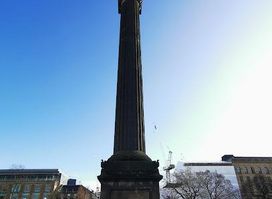
Elegant Georgian square in Edinburgh’s New Town, blending historic grandeur, lush gardens, iconic monuments, and vibrant urban life.

A graceful Georgian square in Edinburgh’s New Town, where the towering Melville Monument meets elegant architecture and a peaceful central garden.
