
Prittlewell Royal Anglo-Saxon Burial: England’s Earliest Princely Tomb
Explore the earliest princely Anglo-Saxon burial in England, revealing a royal Christian tomb rich with ancient treasures and history.
Discovered in 2003 near Southend-on-Sea, the Prittlewell royal Anglo-Saxon burial is the earliest known princely burial in England, dating to around 580 AD. This richly furnished timber chamber contained the remains of a high-status male, likely a Christian noble connected to the East Saxon royal family. The grave goods, including gold crosses, imported luxury items, and a unique folding stool, reveal a complex society at the dawn of England’s Christian era.
A brief summary to Prittlewell royal Anglo-Saxon burial
- Southend-on-Sea, Southend-on-Sea, GB
- Visit website
- Duration: 1 to 2 hours
- Budget
-
 Outdoor
- Mobile reception: 4 out of 5
Local tips
- Visit Southend Central Museum to see many of the original artefacts from the burial on permanent display.
- Learn about the burial’s significance in early Anglo-Saxon Christianity and royal history through museum exhibits and online resources.
- Combine your visit with exploring nearby historic sites in Southend-on-Sea, including the 7th-century St Mary’s Church.

For the on-the-go comforts that matter to you
- Information Boards
- Restrooms
- Seating Areas
Getting There
-
Train
Take a train to Southend Central station from London Liverpool Street, with journey times ranging from 50 to 70 minutes. From the station, a taxi or local bus can take you to Prittlewell within 10 minutes. Train tickets cost approximately £10–£20 one way.
-
Bus
Local bus services connect Southend town centre with Prittlewell, with journey times of 15 to 25 minutes depending on the route. Buses run frequently during the day, and a single fare costs around £2–£4.
-
Car
Driving to Prittlewell from central Southend takes about 10 minutes via A1159. Limited street parking is available near the site, and pay-and-display parking can be found nearby. Note that traffic congestion can occur during peak hours.
Prittlewell royal Anglo-Saxon burial location weather suitability
-
 Any Weather
-
 Rain / Wet Weather
-
 Clear Skies
-
 Mild Temperatures
Discover more about Prittlewell royal Anglo-Saxon burial
An Archaeological Treasure Unearthed in Prittlewell
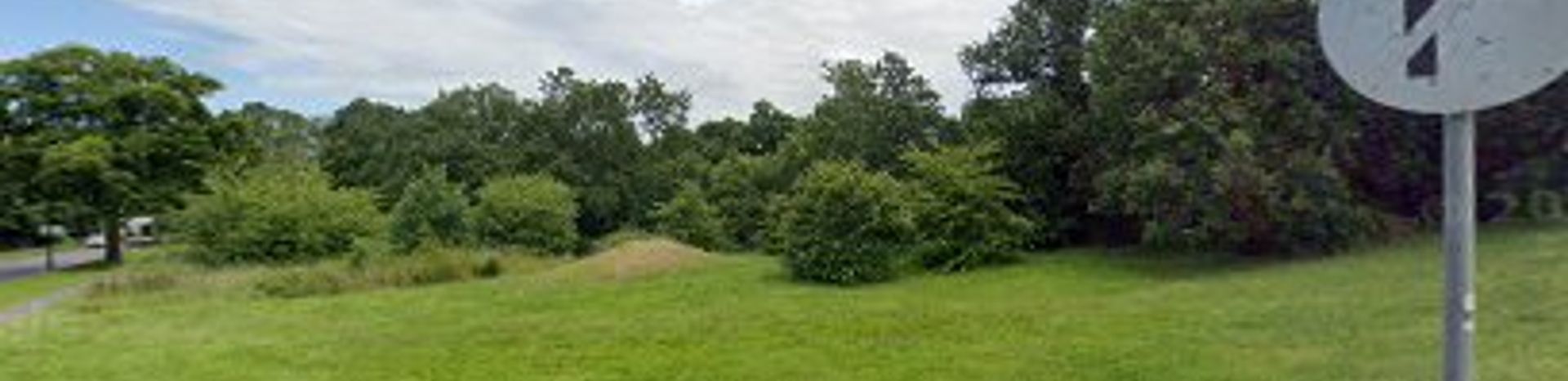
The Prittlewell royal Anglo-Saxon burial was uncovered in 2003 during archaeological excavations ahead of a road widening project in Prittlewell, now part of Southend-on-Sea, Essex. The discovery was unexpected—a large, intact wooden burial chamber beneath a mound, measuring approximately 4 meters square, making it the largest chambered tomb found in England to date. The burial site lies between a busy road and railway line, near a supermarket and pub, contrasting with the grandeur of what was found beneath the surface.Insights into Early Anglo-Saxon Society and Christianity
Dating from roughly 575 to 605 AD, the burial predates the arrival of St Augustine’s mission to England in 597 AD, making it the earliest Anglo-Saxon princely grave discovered. The deceased was laid in a wooden coffin, with two small gold-foil crosses placed over the eyes, indicating early Christian influence or connection. This juxtaposition of pagan-style grave goods with Christian symbols reflects the complex religious landscape of the time, where Christianity was emerging but pagan traditions persisted.Rich Grave Goods Reflecting Status and Connections
The burial chamber contained over 100 artefacts, including a large gold belt buckle, a sword with gold wire decoration, a bronze flagon believed to originate from Syria, glass vessels, decorated wooden drinking cups, gaming pieces, musical instruments such as a lyre, buckets, caskets, and a unique folding stool resembling a ‘curule seat’ seen in royal iconography. The painted wooden box found is the only surviving example of early Anglo-Saxon painted woodwork. These items demonstrate the occupant’s elite status, wealth, and wide-ranging continental connections.Possible Identity and Historical Significance
While initially thought to be the tomb of King Sæberht of Essex, carbon dating places the burial at least 11 years before his death, leading researchers to suggest the occupant may have been Sæxa, Sæberht’s brother. The burial’s scale and richness indicate the man was a ruler or noble at the apex of East Saxon society, commanding resources and influence. This discovery challenges previous assumptions about the East Saxon kingdom’s importance in early medieval England.Legacy and Public Display
Many of the burial’s artefacts are now permanently displayed at Southend Central Museum, where visitors can explore the chamber’s story and the remarkable craftsmanship of the objects. The Prittlewell burial remains a key site for understanding the transition from paganism to Christianity in Anglo-Saxon England and offers unparalleled insight into early medieval elite life.Setting and Archaeological Context
Prittlewell itself has a long history, with evidence of Roman and early medieval occupation. The burial was found close to an Anglo-Saxon cemetery and near the 7th-century church of St Mary’s, which features a rare stone doorway. The site’s location on the Thames Estuary highlights its strategic importance as a trading and cultural crossroads during the early medieval period.For the vibe & atmosphere seeker
- Historic
- Unique
- Tranquil
- Scenic
For the design and aesthetic lover
- Rustic Designs
- Vintage Styles
For the architecture buff
- Historic
- Heritage Neighborhoods
For the view chaser and sunset hunter
- Iconic Views
For the social media creator & influencer
- Instagrammable
- Photo Spots
For the eco-conscious traveler
- Public-Transport Accessible
- Locally Managed
For the kind of experience you’re after
- Cultural Heritage
- Myth & Legends
- Day Trip
- Weekend Getaway
For how adventurous you want the journey to be
- Easy Access
Location Audience
- Family Friendly
- Senior Friendly
- Child Friendly
- Solo Friendly
- Couple Friendly


