Ravenscraig Castle, Fife Travel Guide
Explore Ravenscraig Castle, a dramatic 15th-century artillery fortress perched on the Kirkcaldy coast with imposing walls and stunning sea views.
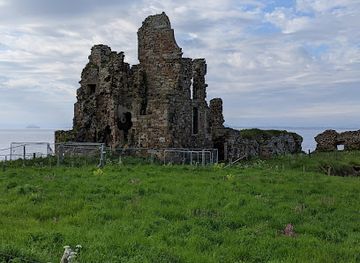
Ravenscraig Castle in Kirkcaldy, Fife, is a striking 15th-century artillery fortification built to withstand cannon fire. Commissioned by King James II for Queen Mary of Gueldres, it features massive D-plan towers with walls up to 3.5 meters thick and a deep rock-cut ditch. Though never fully completed, it became a Sinclair family stronghold and played a role in Scotland’s turbulent history. Now a protected ruin overlooking the Firth of Forth, it offers dramatic sea views and a glimpse into early modern military architecture.
A brief summary to Ravenscraig Castle
- Kirkcaldy, KY1 2QG, GB
- Click to display
- Click to display
- Duration: 0.5 to 1.5 hours
- Free
-
 Outdoor
- Mobile reception: 4 out of 5

Know before you go
Hi, I'm Eve. Here are a few practical things to know before exploring Ravenscraig Castle.
- Visit between April and September when the castle is open daily from 10am to 4:30pm; it is closed during winter months.
- Wear sturdy footwear as access involves climbing a staircase over the moat and walking on uneven terrain.
- Combine your visit with a walk in Ravenscraig Park and along the nearby beach for scenic views and relaxation.
- Photography enthusiasts should bring a wide-angle lens to capture the castle’s massive walls and coastal panorama.
Do you manage this location?
Take control to get all the benefits, like improved information, better appearance, and stronger visibility across AI-powered discovery. Learn more about listing your business on Evendo
Activate your presenceOther nearby places you may find interesting
The closest places of the same kind, if this one is not quite what you had in mind.
Explore Ravenscraig Castle on the Map
A handpicked selection of must-see spots near Ravenscraig Castle, mapped for you.
Getting There
-
Public Bus
Take the Stagecoach bus service from Kirkcaldy town center to Ravenscraig Park, with a journey time of approximately 15-20 minutes. Buses run frequently during the day. From the park, it is a 10-minute walk to the castle. Tickets cost around £3-£5 one way.
-
Car
Driving from Kirkcaldy town center takes about 10 minutes. Parking is available in Ravenscraig Park near the castle. Note that the castle grounds have limited vehicle access and walking over uneven terrain is required. Parking is free.
-
Walking
From central Kirkcaldy, a scenic 45-minute walk along coastal paths and through Ravenscraig Park leads to the castle. The terrain includes some uneven surfaces and gentle slopes, suitable for most walkers but not wheelchair accessible.
For the on-the-go comforts that matter to you
-
 Restrooms
-
 Seating Areas
-
 Information Boards
Discover more about Ravenscraig Castle
Origins and Royal Ambitions
Ravenscraig Castle was commissioned in 1460 by King James II of Scotland as a residence for his queen, Mary of Gueldres. The castle’s construction was overseen by master mason Henry Merlion and carpenter Friar Andres Lesouris. Its design was revolutionary for the time, intended to withstand the emerging threat of artillery fire, with thick walls and gunloops integrated into the structure. Unfortunately, James II died the same year from a cannon explosion during the siege of Roxburgh Castle, and Mary herself passed away shortly after in 1463, before the castle was fully completed.Transformation into a Fortress Stronghold
Ownership passed to James III, who in 1470 granted the unfinished castle to William Sinclair, Earl of Orkney. The Sinclairs completed the castle, reinforcing its artillery defenses. The castle’s landward face features two massive D-shaped towers linked by a two-storey block, with walls approximately 3.5 meters thick. A deep, rock-cut ditch and a high bridge provided formidable protection. The Sinclairs installed a gun platform over the central vaults, adapting the castle for artillery warfare, making Ravenscraig one of Scotland’s earliest artillery forts.Architectural Features and Layout
The castle sits on a narrow rocky promontory overlooking the Firth of Forth, naturally defended on three sides by steep cliffs. The west tower, rounded on the outside, housed the owner’s four-floor apartment accessed via an external stair. The east tower contained the castle’s well and accommodations for senior officials. Between the towers lies a courtyard that once held the kitchen, bakehouse, and service buildings, all enclosed by a defensive wall. Access was through a central gatehouse reached by a bridge over the deep ditch, leading into a guardroom and vaulted cellars.Historical Turbulence and Later Use
Ravenscraig Castle was attacked and occupied by Oliver Cromwell’s forces during the 1650–51 invasion of Scotland. It remained in Sinclair family hands until 1898, when it was sold to Sir Michael Nairn, a linoleum magnate. The Nairn family gifted the castle and surrounding estate to Kirkcaldy town in 1929, creating Ravenscraig Public Park. The castle was placed under state care in 1955 and is now managed by Historic Environment Scotland as a scheduled ancient monument. During World War I, the castle was used as an ammunition depot.Cultural Significance and Visitor Experience
Though in ruins, Ravenscraig Castle is a powerful symbol of Scotland’s adaptation to gunpowder warfare and noble residence architecture. It offers visitors dramatic views over the Firth of Forth and a mystical atmosphere enhanced by its coastal setting. The surrounding Ravenscraig Park includes a beach and walled garden, popular for leisurely walks. The castle’s thick walls, gunholes, and defensive ditch vividly illustrate 15th-century military innovation.Preservation and Access Today
The castle is open to the public from April to September, with access via a staircase in the moat. Interior access is limited for safety reasons, but the exterior and surrounding parkland provide ample opportunity for exploration and photography. Ravenscraig Castle remains a captivating historic landmark, offering insight into Scotland’s royal and military past amid scenic coastal surroundings.












Your all‑in‑one travel companion app
Explore expert travel guides, compare and book tours, experiences, hotels, and more—all from the palm of your hand. Download now for seamless trip planning wherever your wanderlust takes you.


Explore More of Fife
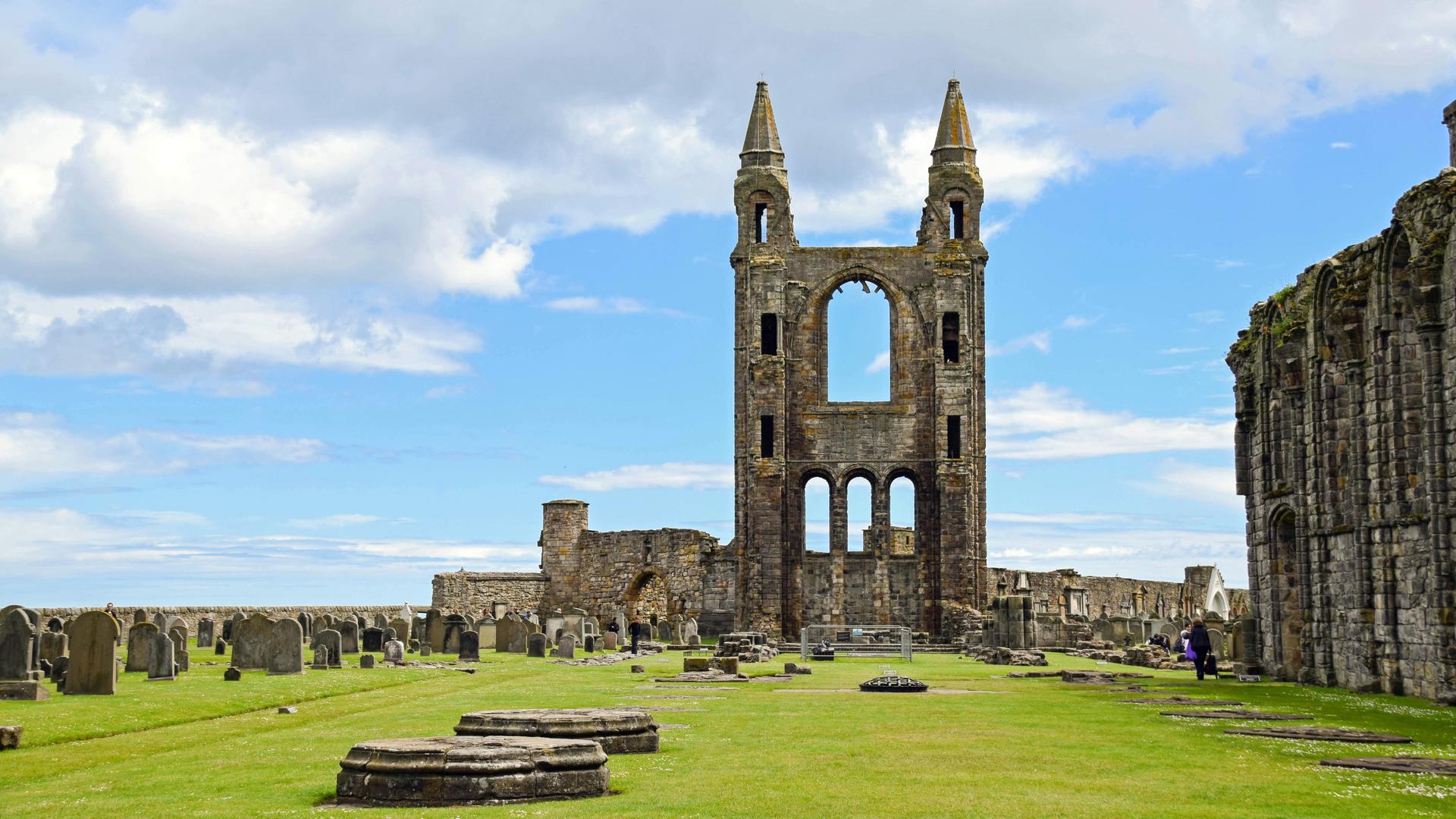
Looking beyond Ravenscraig Castle? Discover Fife for broader travel guides, local hot-spots, and regional highlights.
Explore Fife