

Free Fife Travel Guide & Mobile App
Explore Fife with free travel guides. Discover regional history, expert tips, proposed trips, and audio guides on web or mobile app.


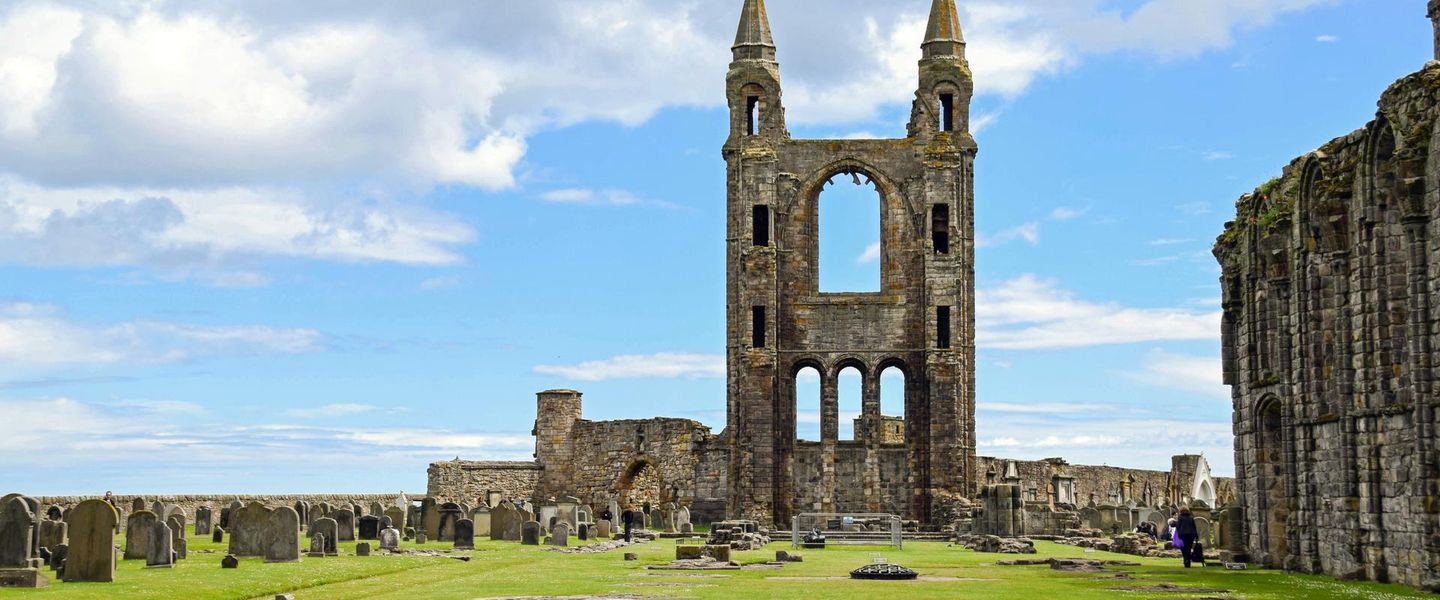


Explore Fife for medieval St Andrews, royal Dunfermline, coastal villages, golf, beaches, historic harbours and the wooded Lomond Hills.
Read more about Fife
When is the best time to visit Fife?
Best: June–August · 18–20°C| Month | High (°C) | Rainfall (mm) |
|---|---|---|
| January | 6 | 50 |
| February | 6 | 45 |
| March | 9 | 40 |
| April | 12 | 40 |
| May | 15 | 45 |
| June (best) | 18 | 45 |
| July (best) | 20 | 50 |
| August (best) | 20 | 50 |
| September | 17 | 45 |
| October | 13 | 50 |
| November | 8 | 55 |
| December | 6 | 55 |
Getting to and around Fife
How to get there
Transportation
Top city travel guides in Fife
The cities of Fife, and the easiest places to base yourself.
-

-


Swipe for more cities
Best attractions in Fife
Fife's attractions range from medieval religious ruins and royal residences to beaches, wildlife habitats and working harbours. St Andrews Cathedral and Castle form the region's most evocative medieval ensemble, while the University of St Andrews gives the town a continuing academic life. Dunfermline Abbey and Palace explain the town's royal importance, and Falkland Palace presents a more intimate Renaissance court setting beneath the Lomond Hills. On the coast, the Scottish Fisheries Museum in Anstruther explores the changing life of Scotland's fishing communities, while the Fife Coastal Path links cliffs, beaches, estuaries and historic villages. Tentsmuir National Nature Reserve offers dunes, woodland, shore and opportunities for wildlife watching, and the Lomond Hills Regional Park provides walking across changing inland terrain. Families and history enthusiasts can also explore places such as Scotland's Secret Bunker near St Andrews and the preserved industrial landscapes of central Fife. The region's appeal lies in the contrast between concentrated heritage in its towns and open-air experiences spread across its coast and countryside.
-
Castle
Scone Palace
Historic Gothic palace and gardens where 42 Scottish kings were crowned, home to the Earls of Mansfield and the legendary Stone of Destiny.
-
Castle
St Andrews Castle
Explore the dramatic ruins of St Andrews Castle, a fortress shaped by medieval power struggles and Reformation conflict on Scotland’s scenic east coast.
-
Fife Central Retail Park
A versatile retail destination in Kirkcaldy offering diverse shopping, dining, and essential services with convenient access and extended hours.
-
Tourist attraction
St Andrews Cathedral
Explore Scotland’s largest medieval cathedral ruins, a majestic symbol of faith, history, and architectural grandeur overlooking St Andrews and the North Sea.


Best landmarks in Fife
St Andrews Cathedral remains Fife's most powerful medieval landmark, even in ruin, with its scale reflecting the town's former status as Scotland's principal ecclesiastical centre. Nearby St Andrews Castle occupies a dramatic coastal position and preserves evidence of religious authority, conflict and imprisonment. Dunfermline Abbey is another landmark of national importance: its Romanesque nave and royal associations connect the town with medieval monarchy and the burial of Robert the Bruce. Falkland Palace, set against the Lomond Hills, is notable for its Renaissance architecture and close relationship with Scotland's royal court. Along the coast, the stone harbours and tightly built streets of Crail, Pittenweem and St Monans form distinctive maritime townscapes, while the tower and church at St Monans and the surviving industrial features around older settlements reveal changing coastal economies. Tentsmuir's dunes, beaches and broad estuarine landscape provide a natural counterpoint to Fife's built heritage, and the Lomond Hills serve as a recognisable inland silhouette visible across much of the central region.
-
University
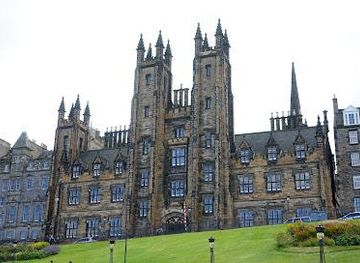
The University of Edinburgh
Historic Edinburgh university with iconic Old College, blending centuries of academic excellence and architectural grandeur in the city centre.
-
Historical landmark
Lady’s Tower
An evocative 18th-century folly on Ruby Bay’s headland, Lady’s Tower offers stunning views and a glimpse into Fife’s coastal aristocratic history.
-
Historical landmark
Lady's Tower
A romantic 18th-century folly on Fife’s coast, built for Lady Janet Anstruther’s private sea bathing retreat with stunning views over the Firth of Forth.
-
Historical landmark
Swilcan Bridge
A centuries-old stone arch bridging golf’s past and present on the legendary Old Course at St Andrews.


Explore Fife on the map
Plan your trip on one map. See where the top cities, national parks and sights are, and book hotels and experiences in a few clicks.
Best hotels in Fife
Best restaurants in Fife
Fife's food culture draws on both its agricultural interior and its long North Sea coastline. Fish and shellfish feature strongly in coastal towns, with local menus changing according to season and supply; Anstruther and the East Neuk are particularly associated with maritime food traditions. Inland farms contribute vegetables, berries, meat, dairy produce and oats, while bakeries, cafés and village shops offer familiar Scottish breads, cakes and savoury baking. Dining ranges from traditional pubs and rural inns to contemporary restaurants, seafood specialists and relaxed cafés in St Andrews and the larger towns. Farmers' markets, farm shops and independent food producers provide opportunities to buy preserves, baking, cheeses and other regional produce. Whisky, gin, beer and non-alcoholic drinks are widely available as part of Scotland's broader food culture, but Fife's more distinctive culinary impression comes from the meeting of fertile farmland, fishing heritage and seasonal local ingredients.
-
Italian
Luca's Kitchen
Experience authentic Italian flavors with fresh-baked pizzas, creamy pastas, and homemade gelato in a lively Dunfermline setting.
-
Cafe
Söderberg The Meadows
Authentic Scandinavian bakery and café near Edinburgh University, famed for cardamom buns, sourdough breads, and a cozy fika atmosphere.
-
Pub
The Fettykil Fox
Rustic Fife country pub serving hearty British roasts, pies, and bar snacks in a cozy, welcoming spot perfect for relaxed meals amid scenic countryside charm.
-
Restaurant
The Saint Bar & Kitchen
Cozy Scottish gastropub in St Andrews serving fresh local dishes, craft cocktails, and an award-winning sticky toffee pudding in a stylish, welcoming setting.


Best bars in Fife
Evenings in Fife are generally centred on pubs, restaurants, historic inns and live music rather than a large-scale club scene. St Andrews has the broadest concentration of bars, including venues serving students, residents and visitors, while Dunfermline and Kirkcaldy provide more extensive evening choices than smaller towns. In the East Neuk, harbour villages favour pubs, cafés and restaurants where the pace is quieter outside summer, and some venues host occasional music or cultural events. Fife also has breweries, distilleries and places to sample Scottish drinks, though tastings and opening arrangements vary. Nightlife is seasonal in several coastal communities, with the warm months bringing later activity and more visitors. Plan transport carefully after spending an evening in a rural village, as late public services can be limited and taxis may need to be arranged in advance.
-
Bar
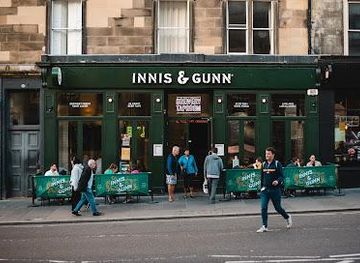
Innis & Gunn Edinburgh City Centre Brewery Taproom
A lively craft beer haven in Edinburgh’s West End, famed for Scottish steak frites and a vibrant social atmosphere.
-
Pub
Spiral Weave
A modern pub with a traditional heart, serving daily carvery and classic pub fare in a welcoming family-friendly setting with a lively beer garden.
-
Pub
Home Farm View - Pub & Grill
A welcoming pub and grill near Kirkcaldy offering classic dishes, a full bar, and family-friendly comfort in a casual setting.
-
Pub
The Glen Tavern
Cozy and friendly pub in Dunfermline serving hearty Scottish fare and local brews in a warm, inviting atmosphere.


Best nightclubs in Fife
Evenings in Fife are generally centred on pubs, restaurants, historic inns and live music rather than a large-scale club scene. St Andrews has the broadest concentration of bars, including venues serving students, residents and visitors, while Dunfermline and Kirkcaldy provide more extensive evening choices than smaller towns. In the East Neuk, harbour villages favour pubs, cafés and restaurants where the pace is quieter outside summer, and some venues host occasional music or cultural events. Fife also has breweries, distilleries and places to sample Scottish drinks, though tastings and opening arrangements vary. Nightlife is seasonal in several coastal communities, with the warm months bringing later activity and more visitors. Plan transport carefully after spending an evening in a rural village, as late public services can be limited and taxis may need to be arranged in advance.
-
Night Club
Hustlers Pool Hall
Affordable, lively pool hall and sports bar in Rosyth offering fun games, friendly vibes, and great social atmosphere for all ages.
-
Nightclub
Truth
Experience vibrant nightlife with great music, friendly service, and a welcoming atmosphere at Truth nightclub in Leven, Fife.
-
Nightclub
LIFE
Experience vibrant nightlife and late-night fun at LIFE, Dunfermline’s energetic nightclub with a welcoming atmosphere and great music.
-
Nightclub
Republic Bar Club
Experience Kirkcaldy’s vibrant nightlife at Republic Bar Club, where great drinks, friendly vibes, and lively weekends come together.


Best shops in Fife
Shopping in Fife is strongest in its historic high streets, market towns, coastal villages and independent food businesses rather than in large luxury retail districts. St Andrews combines bookshops, university-related stores, galleries, outdoor and golf retailers with cafés and specialist shops, while Dunfermline and Kirkcaldy provide broader everyday retail and high-street services. The East Neuk villages are suited to browsing small galleries, craft studios, homeware shops, antiques and locally themed goods, although opening patterns can be seasonal. Farm shops and produce stalls offer Fife-grown fruit and vegetables, preserves, baking, meat and other regional foods, and markets provide a more direct connection with local makers and producers when operating. Useful souvenirs include Scottish textiles, books, pottery, artwork, food products and golf-related goods, but visitors should distinguish locally made items from generic Scotland-branded merchandise. Smaller rural shops may have limited hours and card facilities, so carrying a little cash remains practical.
-
Shopping Centre
Kingdom Shopping Centre
Glenrothes’ vibrant shopping and community hub with over 100 retailers, accessible facilities, eateries, and entertainment venues all on one level.
-
Clothing Shop
Primark
Discover stylish, affordable fashion for the whole family at Primark Dunfermline, your go-to High Street shopping destination.
-
Discount shop
The Original Factory Shop (Cowdenbeath)
Shop big brands for less at The Original Factory Shop Cowdenbeath, your go-to discount store for clothing, footwear, beauty, and party supplies.
-
Outdoor clothing and equipment shop
Fife Country
Heritage Scottish country clothing and footwear crafted since 1888 for enduring comfort and style in the great outdoors.


Get your free copy of our complete guide to Fife, delivered straight to you.
Everything on this page, from attractions and restaurants to essentials and local phrases, in one PDF you can read offline, print or share.
Already have an account? Sign in
Your Fife guide is ready.
We'll send it to · Not you? Sign out

Getting your guide ready…
We are putting together a fresh copy of the Fife guide. This can take up to a minute.
This can take a few moments. If your browser asks, choose Allow so the download can start. You'll find the guide in your Downloads folder.
Nothing happened? Download it again
Sorry, the guide is taking longer than usual. Please try again in a minute, or get it by email instead.
Fife essentials
Currency and Payment
Safety
Emergency Situations
Do's and Don'ts
Local Tips
From Eve
Local phrases worth knowing
You don't need to get them perfect. A few words go a long way, and locals appreciate the effort.
Basics
| English | Local | Say it |
|---|---|---|
| Hello | Hiya | [Hya] |
| Goodbye | Cheerio | [Cheerio] |
| Yes | Aye | [Ai] |
| No | Naw | [Naw] |
| Please/You're welcome | Please/No bother | [Pleeze/No bother] |
| Thank you | Cheers | [Cheers] |
| Excuse me/Sorry | Scuse me/Sorry | [Skewz me/Sorry] |
| How are you? | How's it gaun? | [Haw's it gawn?] |
| Fine. And you? | A'm fine, an yersel? | [Am fine, an yersel?] |
| Do you speak English? | Dae ye speak English? | [Day ye speak English?] |
| I don't understand | A dinnae understand | [Ah dinnae understand] |
Eating & Drinking
| English | Local | Say it |
|---|---|---|
| I'd like to see the menu, please | Ah'd like tae see the menu, please | [Ah'd laik tae see th' menu, pleeze] |
| I don't eat meat | Ah dinnae eat meat | [Ah dinnae eet meet] |
| Cheers! | Cheers! | [Cheers!] |
| I would like to pay, please | Ah'd like tae pay, please | [Ah'd laik tae pay, pleeze] |
Emergencies
| English | Local | Say it |
|---|---|---|
| Help! | Help! | [Help!] |
| Go away! | Get lost! | [Get lost!] |
| Call the Police! | Phone the polis! | [Fone th' polis!] |
| Call a doctor! | Phone a doc! | [Fone a doc!] |
| I'm lost | Ah'm lost | [Ah'm lost] |
| I'm ill | Ah'm no weel | [Ah'm no weel] |
Shopping
| English | Local | Say it |
|---|---|---|
| I'd like to buy... | Ah'd like tae buy... | [Ah'd laik tae buy...] |
| I'm just looking | Ah'm just lookin' | [Ah'm just lookin'] |
| How much is it? | How much is it? | [How much is it?] |
| That's too expensive | That's ower dear | [That's ower dear] |
| Can you lower the price? | Can ye lower the price? | [Can ye lower th' price?] |
Time & Numbers
| English | Local | Say it |
|---|---|---|
| What time is it? | Whit time is it? | [Whit time is it?] |
| It's one o'clock | It's one o'clock | [It's one o'clock] |
| Half past (10) | Half past ten | [Half past ten] |
| Morning | Mornin' | [Mornin'] |
| Afternoon | Afternoon | [Afternoon] |
| Evening | Evenin' | [Evenin'] |
| Yesterday | Yestreen | [Yestreen] |
| Today | Taday | [Taday] |
| Tomorrow | Morrow | [Morrow] |
| 1 | Wan | [Wan] |
| 2 | Twa | [Twa] |
| 3 | Three | [Three] |
| 4 | Four | [Four] |
| 5 | Five | [Five] |
| 6 | Six | [Six] |
| 7 | Seven | [Seven] |
| 8 | Eight | [Eight] |
| 9 | Nine | [Nine] |
| 10 | Ten | [Ten] |
Transport & Directions
| English | Local | Say it |
|---|---|---|
| Where's a/the...? | Whar's the...? | [Whar's th'...?] |
| What's the address? | Whit’s the address? | [Whit’s th' address?] |
| Can you show me (on the map)? | Can ye show me (on the map)? | [Can ye show me (on th' map)?] |
| When's the next (bus)? | When's the next (bus)? | [When's th' next (bus)?] |
| A ticket (to ....) | A ticket (ta ...) | [A ticket (ta ...)] |
History of Fife
Pictish Fife and Early Christian Scotland
Before the formation of the medieval Scottish kingdom, Fife was a significant territory within Pictland. Archaeological remains, place names and carved stones point to communities with strong political and religious connections across eastern Scotland. The area around St Andrews became a major Christian centre, traditionally associated with relics of Saint Andrew and the development of an important ecclesiastical settlement. Although much of the early history is known through a combination of archaeology and later traditions, Fife's position between the Forth and Tay helped make it an influential part of early medieval Scotland.
St Andrews and the Medieval Church
From the later eleventh century, St Andrews grew into Scotland's leading religious centre. Its cathedral became the headquarters of the country's principal bishopric, drawing pilgrims and supporting a settlement of considerable wealth and influence. The cathedral, castle and associated priory buildings visible today are largely medieval remains, but they represent centuries of ecclesiastical power rather than a single construction campaign. St Andrews also became a centre of learning, culminating in the foundation of the University of St Andrews in 1413, Scotland's oldest university and one of the oldest in the English-speaking world.
Dunfermline as a Royal and Burgh Centre
Dunfermline developed into one of Scotland's most important royal centres during the Middle Ages. Its abbey was founded in the twelfth century on an earlier religious site and became a major Benedictine institution, while the town benefited from royal patronage and trade. Robert the Bruce was buried in Dunfermline Abbey in 1329, reinforcing the town's national significance. The abbey, palace remains and medieval street pattern continue to express this royal past. Later, Dunfermline evolved into a commercial and manufacturing town, linking its medieval status with a more industrial modern history.
Royal Falkland and the Renaissance Court
Falkland became a royal burgh and an important hunting retreat for Scottish monarchs. Falkland Palace, begun under James IV and developed substantially by James V, reflects Renaissance ambitions at the Scottish court, with formal architecture and a setting beside the Lomond Hills. Mary, Queen of Scots, visited the palace during her reign, and the surrounding landscape remained associated with royal hunting. After the court's political importance declined, the town retained its distinctive plan and architecture. Today, the palace and historic streets provide an unusually coherent view of Scotland's Renaissance royal culture.
Fishing, Trade and the East Neuk Harbours
Fife's eastern coast supported a network of fishing and trading communities whose harbours served local, Scottish and wider North Sea commerce. Anstruther, Pittenweem, Crail and St Monans developed around sheltered inlets, while nearby villages combined fishing with farming, salt production and small-scale trade. The scale of the fishing industry changed markedly during the nineteenth and twentieth centuries as technology, markets and regulations evolved. Harbour walls, fishers' cottages, warehouses and maritime museums preserve evidence of this working past, even though many coastal economies now depend more heavily on tourism, services and leisure.
Coal, Linen and Industrial Fife
From the eighteenth century onwards, Fife's economy was shaped by coal mining, salt making, linen production and related industries. Coal pits spread through central and western districts, providing fuel for homes, transport and manufacturing while creating close-knit mining communities. Dunfermline became known for linen and later textiles, supported by water power, mechanisation and entrepreneurial investment. Railways, harbours and improved roads connected these industries to national markets. Mining and traditional manufacturing declined during the twentieth century, leaving behind engineered landscapes, miners' housing, heritage sites and communities whose social history remains central to Fife's identity.
Modern Fife: Industry, Education and Coastal Renewal
The twentieth and early twenty-first centuries brought major economic and social change. Heavy industry and deep mining declined, while education, tourism, public services, technology, food production and small businesses gained importance. The University of St Andrews strengthened the region's international profile, and historic towns and coastal villages increasingly attracted visitors for heritage, golf, walking and food. Former industrial sites have been adapted in some places for housing, recreation and culture, while environmental projects have improved access to coasts, wetlands and former mining landscapes. Modern Fife therefore combines a working past with a more diversified regional economy.
Fife in Photos
Browse through our photo collection highlighting the charm and character of the destination.
Neighbouring regions of Fife
The closest regions to Fife, if you have time for more than one.
-
-

-

-

-


Swipe for more regions
Explore more

Explore more of United Kingdom
Discover the United Kingdom: A blend of rich history, stunning landscapes, and vibrant cities, offering a unique travel experience for every visitor.
Explore United Kingdom