

Tobacco Merchant's House, Glasgow
Glasgow’s last surviving tobacco merchant’s villa, a Georgian Palladian townhouse steeped in mercantile history and restored heritage.
The Tobacco Merchant's House at 42 Miller Street is Glasgow’s last surviving Virginia tobacco merchant’s villa, built in 1775 by architect John Craig. This modest Palladian townhouse reflects the city's 18th-century mercantile wealth and complex history tied to the tobacco trade and transatlantic slavery. Extensively restored in the 1990s, it now serves as the Scottish Civic Trust’s headquarters, preserving a vital piece of Glasgow’s architectural and social heritage.
A brief summary to Tobacco Merchant's House
- 42 Miller St, Glasgow, G1 1DT, GB
- Duration: 0.5 to 1.5 hours
- Free
-
 Outdoor
- Mobile reception: 4 out of 5
Local tips
- Visit during Doors Open Days or special heritage events when the house may open for public tours.
- Explore nearby Merchant City to experience the rich cultural and culinary scene surrounding the house.
- Note that the building is not wheelchair accessible due to stairs at the entrance and inside.
- Look for the original iron safes inside, remnants of the house’s tobacco trading past.

For the on-the-go comforts that matter to you
- Information Boards
- Seating Areas
Getting There
-
Public Transport
Take the Glasgow Subway to St Enoch Station, then walk approximately 10 minutes through Merchant City to 42 Miller Street. Subway tickets cost around £1.50-£3.00 depending on ticket type, with frequent service every 5-10 minutes.
-
Bus
Several bus routes serve the Merchant City area, including numbers 6, 8, and 75. From Glasgow Central Bus Station, travel time is about 15-20 minutes. Single fares cost approximately £2.00. Buses run frequently but check schedules for evenings and weekends.
-
Taxi or Rideshare
A taxi or rideshare from Glasgow city center to 42 Miller Street takes around 5-10 minutes depending on traffic. Typical fare ranges from £5 to £10, offering convenient door-to-door access.
Tobacco Merchant's House location weather suitability
-
 Any Weather
-
 Rain / Wet Weather
-
 Mild Temperatures
Discover more about Tobacco Merchant's House
An 18th-Century Merchant’s Residence in Glasgow
Nestled in the heart of Glasgow’s Merchant City, the Tobacco Merchant's House stands as a rare survivor of the elegant villas once lining Miller Street. Built in 1775 by John Craig, a notable Glasgow architect who designed the house as his own residence, it exemplifies a simplified Palladian style popular among the city’s prosperous merchants. This two-storey-and-attic townhouse with five bays was constructed on land purchased from Robert Hastie, an American merchant, reflecting the transatlantic connections central to Glasgow’s mercantile elite.The Tobacco Trade and Glasgow’s Wealth
In 1782, John Craig sold the house to Robert Findlay of Easterhill, a successful tobacco importer who made his fortune in Virginia. Findlay’s family business, deeply embedded in the tobacco trade, occupied the house for decades, giving it its enduring name. The building once stored cash and tobacco-related valuables behind iron doors and safes, some of which remain today. This house symbolizes Glasgow’s rise as a commercial hub fueled by tobacco and, regrettably, the exploitation inherent in the transatlantic slave trade.Evolution Through the 19th Century
Throughout the 1800s, the Tobacco Merchant's House transitioned through various owners and uses, including merchants, lawyers, insurance agents, and even the City and Suburban Gas Company. Architectural modifications were made in the late 19th century by the firm Honeyman and Keppie, where Charles Rennie Mackintosh was employed. These changes included the addition of a mansard roof, later removed during restoration. Despite industrial expansion and urban redevelopment, the house survived fires and commercial pressures that claimed many neighboring buildings.Restoration and Modern Use
By the late 20th century, the house had fallen into disrepair and was vacant from 1989. Recognizing its historical importance, the Glasgow Building Preservation Trust undertook a major restoration project in 1994–95, costing around £500,000. The renovation removed later additions, restored original architectural features, and preserved the building’s character. The Scottish Civic Trust purchased the property, making it their headquarters and providing office space for other tenants. This act not only saved a significant heritage asset but also ensured the house remains a living part of Glasgow’s urban fabric.A Reflection of Glasgow’s Complex Legacy
The Tobacco Merchant's House is more than an architectural gem; it is a tangible reminder of Glasgow’s mercantile past, intertwined with the tobacco trade and its human costs. The building’s history evokes the city’s economic rise alongside the darker legacy of slavery that underpinned much of that wealth. Today, it stands as a place of remembrance and education, with interpretive installations highlighting these themes, fostering reflection on Glasgow’s historical complexities.Setting Within Merchant City
Located in Merchant City, an area rich with Georgian architecture and cultural significance, the house is surrounded by vibrant food and drink venues, galleries, and historic sites. This district was once home to many tobacco merchants and remains a testament to Glasgow’s transformation from a mercantile town to a modern city. The Tobacco Merchant’s House anchors this heritage, offering visitors a window into 18th-century urban life and commerce.Iconic landmarks you can’t miss

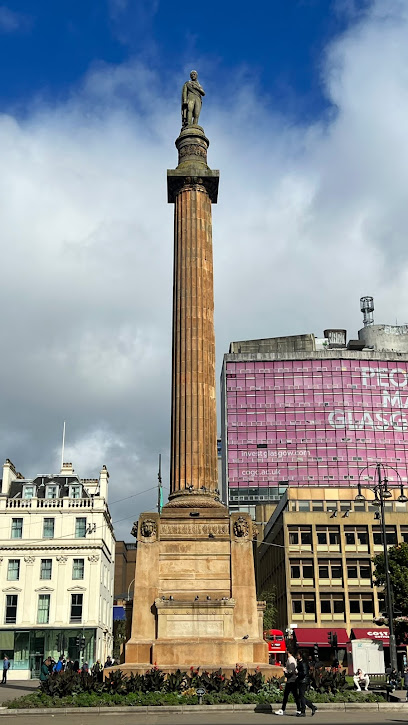
Walter Scott Monument
0.3 km
A towering Gothic tribute to Sir Walter Scott in Glasgow’s historic George Square, celebrating Scotland’s literary heritage.
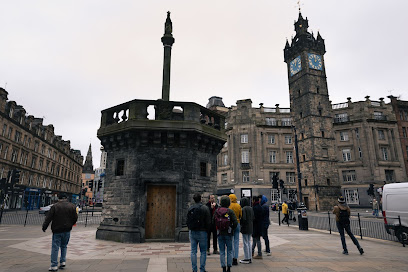
Historic Walking Tours of Glasgow
0.3 km
Explore Glasgow's rich history with guided walking tours that reveal the city's hidden gems and captivating stories.
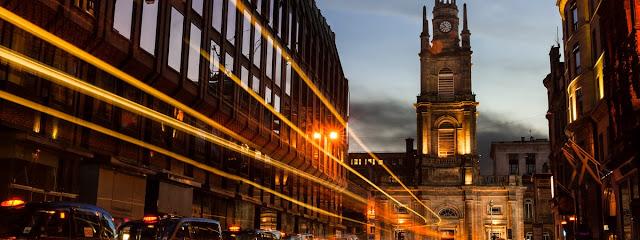
St George's Tron Church of Scotland
0.4 km
Historic Presbyterian church with iconic Baroque tower, rooted in Glasgow’s evangelical heritage and vibrant city centre life.
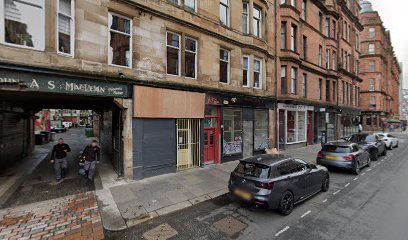
Glasgow City Heritage Trust
0.4 km
Explore Glasgow's rich history with the Glasgow City Heritage Trust, a non-profit dedicated to preserving the city's architectural and cultural heritage.
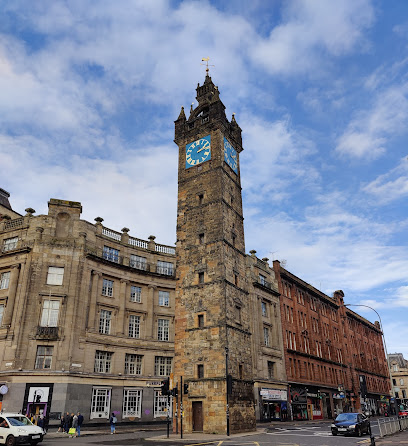
Tolbooth Steeple
0.5 km
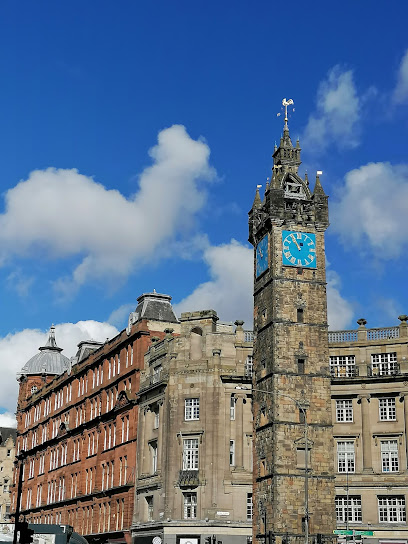
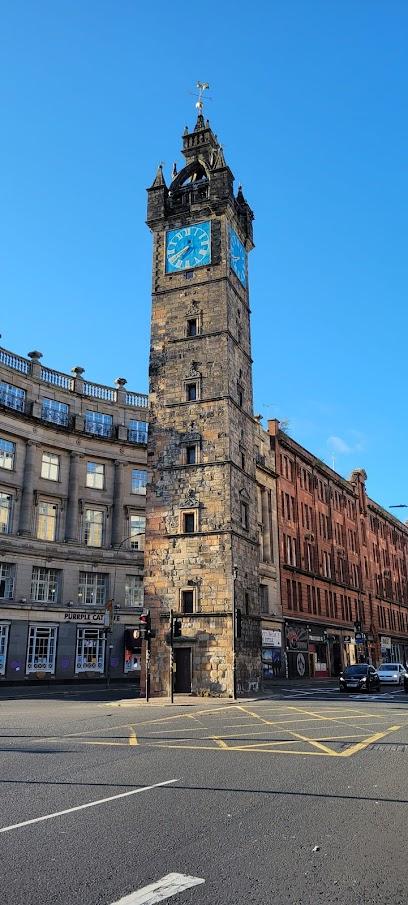
Glasgow’s iconic 17th-century Tolbooth Steeple stands tall as a historic clock tower and enduring symbol of the city’s rich civic past.
glasgow south side
0.6 km
Discover the cultural heart of Glasgow's South Side, where vibrant art, historic landmarks, and local cuisine create an unforgettable experience.
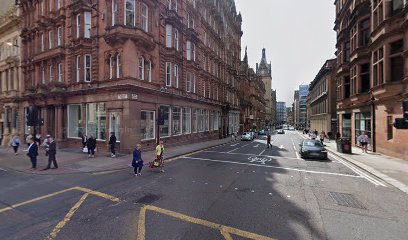
ToursByLocals - Glasgow
0.6 km
Discover Glasgow's rich culture and hidden gems through personalized tours with local experts at ToursByLocals.
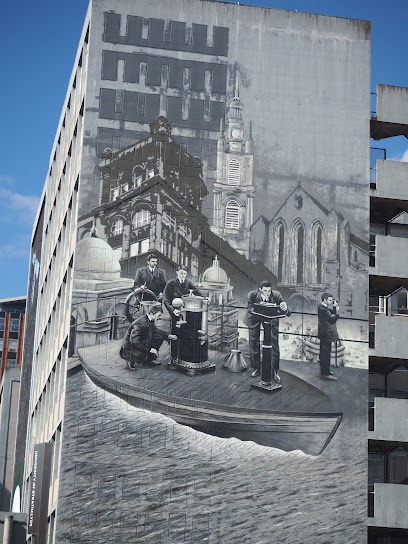
Strath Wonderwall Mural - Land Ship
0.6 km
Experience the vibrant Strath Wonderwall Mural in Glasgow, a stunning street art piece that reflects the city's creative spirit and cultural richness.
Riddle Rooms Glasgow
0.6 km
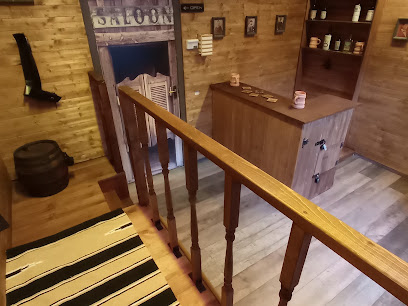
Experience the thrill of escape rooms in Glasgow, where adventure awaits around every corner with engaging puzzles and immersive themes.
St Andrew's in the Square - Glasgow
0.6 km
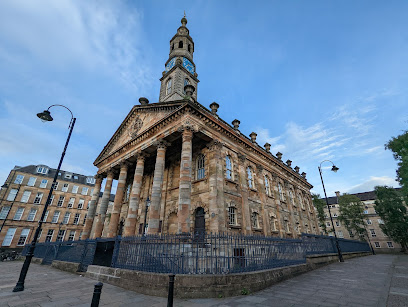
Experience the rich cultural heritage of Glasgow at St Andrew's in the Square, a historic venue for art, community events, and weddings.
Barrowland Park
0.7 km
Experience the charm of Barrowland Park, Glasgow's vibrant oasis featuring art, play areas, and a glimpse into the city's rich cultural heritage.
McLennan Arch
0.7 km
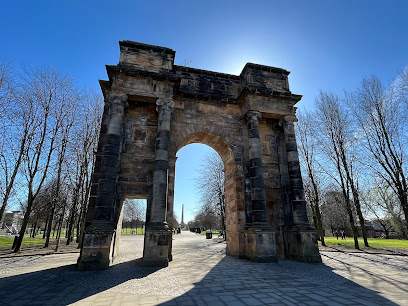
A neoclassical sandstone archway marking Glasgow Green’s historic entrance, embodying the city’s rich cultural and architectural heritage.
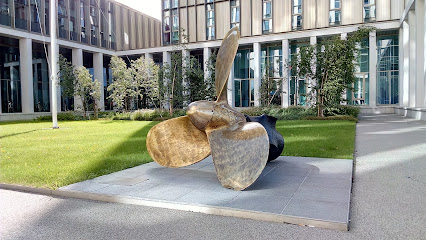
The Glenlee Propellers
0.7 km
Discover the Glenlee Propellers, iconic steel relics symbolizing Glasgow’s proud shipbuilding heritage and maritime history.
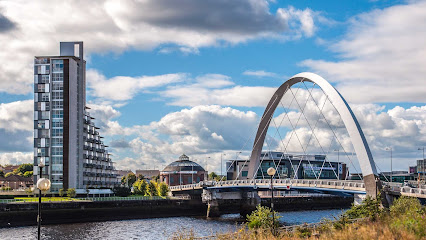
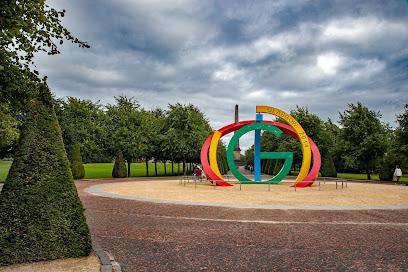
Glasgow 2014 Monument
0.8 km
A bold, colourful sculpture celebrating Glasgow’s 2014 Commonwealth Games, where sport, art and civic pride come together in a striking riverside landmark.
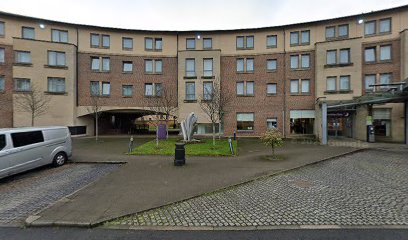
o2 accadamy
0.9 km
Discover the heart of Glasgow's music scene at O2 Academy, where iconic performances and vibrant nightlife come alive in a unique setting.
Unmissable attractions to see

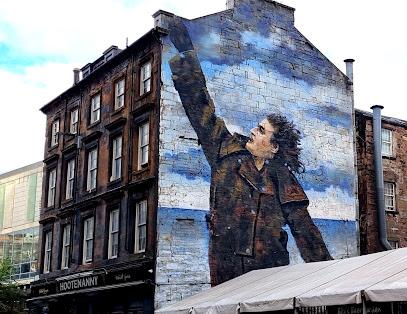
Street Art from The rebel bear
0.1 km
Explore the compelling street art of The Rebel Bear, Glasgow’s mysterious muralist blending social commentary with vibrant urban creativity.
Merchant City
0.1 km
Discover Glasgow’s Merchant City: where historic elegance meets vibrant arts, dining, and shopping in the city’s cultural heart.
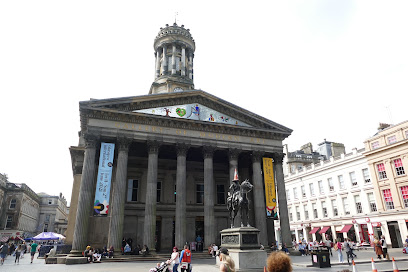
Royal Exchange Square
0.1 km
A grand neoclassical square in Glasgow blending historic commerce, iconic art, and vibrant city life at the heart of the city centre.
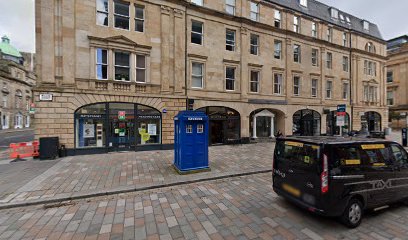
Old Police Post
0.1 km
Explore the historic Old Police Post in Glasgow, a captivating tourist attraction showcasing the city's rich heritage and architectural beauty.
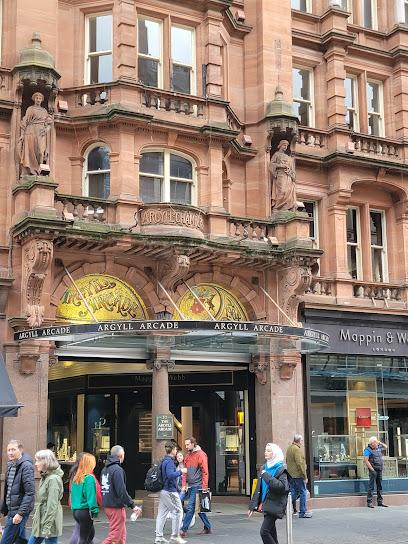
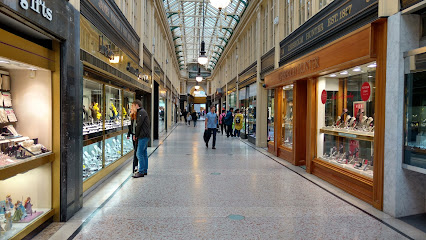
55 Argyll Arcade
0.2 km
Scotland’s oldest covered arcade, Argyll Arcade dazzles with historic charm and a premier collection of jewellers in Glasgow’s heart.
Equestrian statue of the Duke of Wellington, Glasgow
0.2 km
A historic Glasgow landmark where imperial legacy meets playful rebellion, crowned by its famous traffic cone hat.
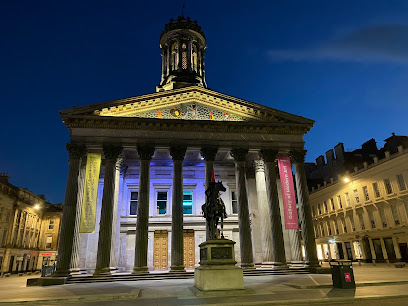
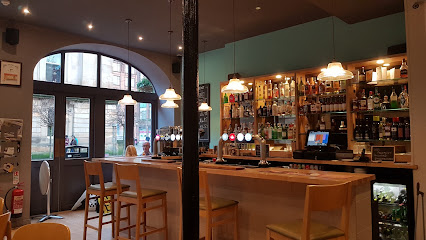
Pavement
0.2 km
Creative grill dining with bold flavours and a relaxed vibe in the heart of Glasgow’s Merchant City.
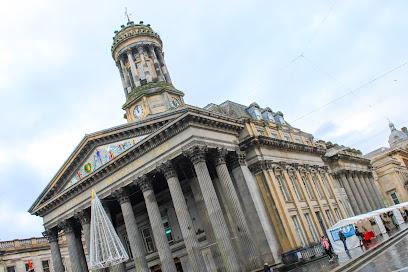
Gallery of Modern Art
0.2 km
Scotland’s premier modern art gallery in a grand neoclassical building, offering free entry to diverse contemporary artworks and vibrant cultural programs.
The Social
0.2 km
Discover The Social, Glasgow's lively bar and grill, offering delicious food, live music, and a warm, inviting atmosphere in Royal Exchange Square.
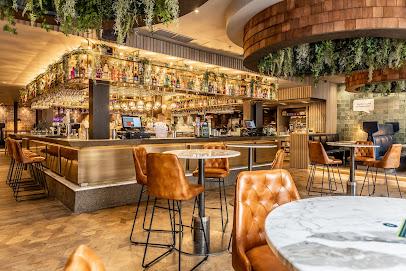
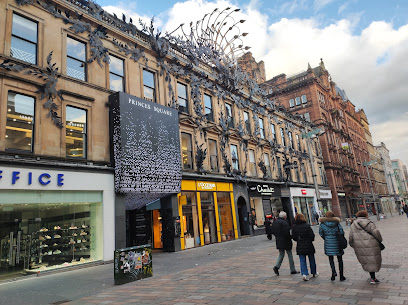
Princes Square Shopping Centre
0.2 km
A stunning blend of Victorian elegance, luxury shopping, and fine dining beneath Glasgow’s iconic glass roof.
Good as Gold Street Art
0.2 km
A witty mural in Glasgow’s city center humorously capturing the soaring price of Freddo chocolates as a symbol of inflation.
Argyll Arcade
0.2 km
Scotland's diamond epicenter: Victorian arcade brimming with luxury jewelry, watches, and bespoke sparkle in Glasgow's heart.
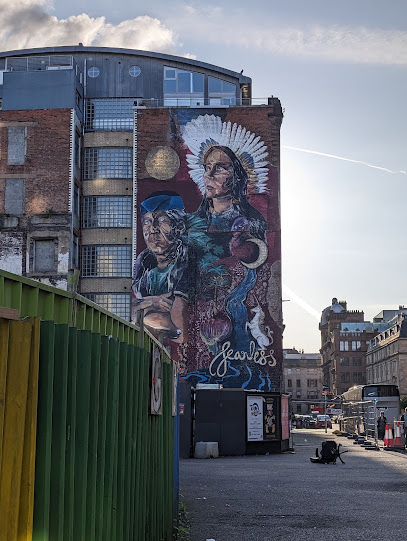
BOW DOWN, HONOUR THE ROOTS (#29 Mural Trail)
0.2 km
A striking mural on Brunswick Street honoring Indigenous sovereignty and heritage, part of Glasgow’s vibrant Mural Trail.
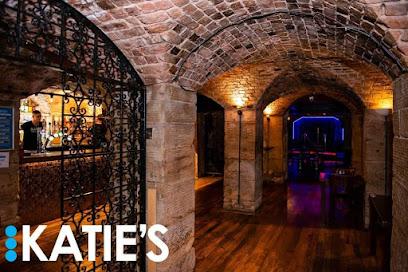
Katie's Bar Glasgow
0.2 km
Discover the heart of Glasgow's nightlife at Katie's Bar – a vibrant cocktail bar and live music venue welcoming everyone to enjoy great drinks and entertainment.
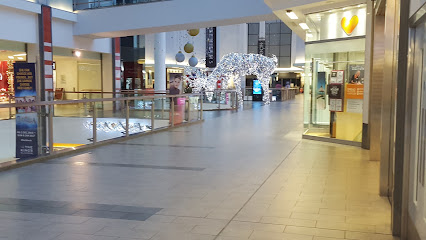
St. Enoch Centre
0.3 km
Glasgow's vibrant shopping epicentre: fashion, food, films, and festive energy in the heart of St. Enoch Square.
Essential places to dine

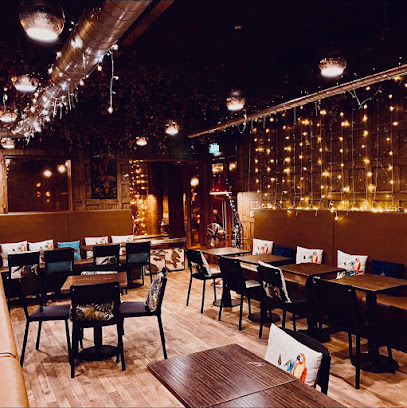
Brutti Compadres Platos Pequenos
0.0 km
Discover vibrant Mediterranean tapas and inventive cocktails in Glasgow’s charming Merchant City hotspot, Brutti Compadres Platos Pequenos.
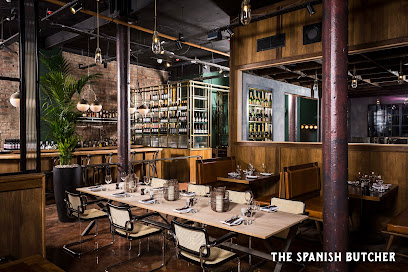
The Spanish Butcher Glasgow
0.1 km
Savor premium Galician beef and Spanish flavors in a chic, industrial-style steakhouse at Glasgow’s vibrant city centre.
Mediterraneo Italian Restaurant & Champagne Bar
0.2 km
Experience authentic Mediterranean flavors and elegant champagne moments in the heart of Glasgow’s vibrant city centre.
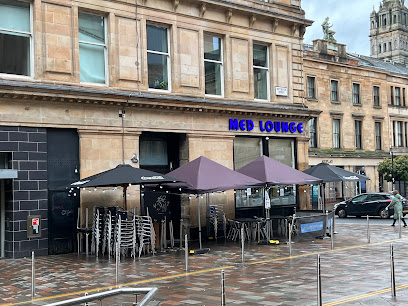
Browns Glasgow
0.2 km
Historic charm meets contemporary British cuisine in the heart of Glasgow’s George Square at Browns Brasserie & Bar.
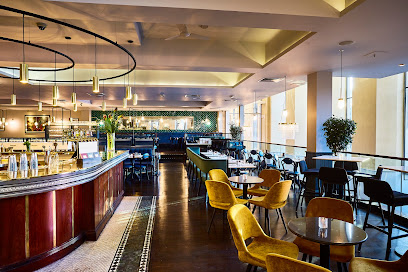
La Vita
0.2 km
Authentic stone-baked Italian pizzas and classic dishes served in Glasgow’s vibrant city centre, open daily from early morning to late night.
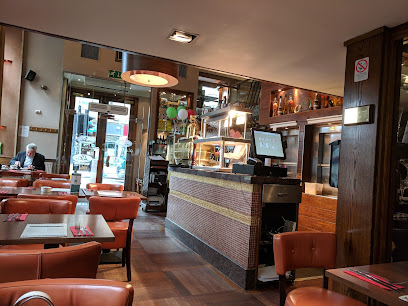
Glaschu Restaurant & Bar
0.2 km
Elegant modern Scottish dining in the heart of Glasgow’s historic Royal Exchange Square with a stylish atmosphere and locally inspired cuisine.
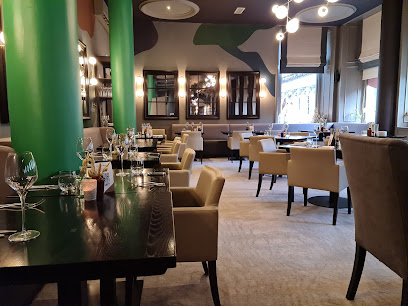
Saints of Ingram
0.2 km
Historic Hutchesons’ Hall hosts Saints of Ingram, a stylish Glasgow venue blending classic brunch, cocktails, and live weekend entertainment.
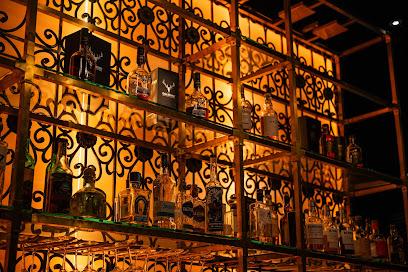
Ralph & Finns
0.3 km
Elegant modern Scottish dining and creative cocktails in a historic Glasgow Merchant City setting.
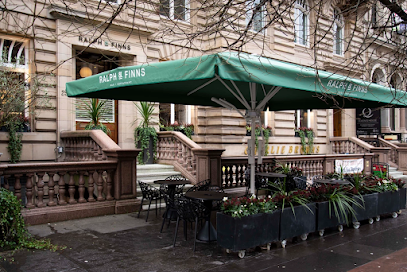
The Ivy Buchanan Street, Glasgow
0.3 km
Glamorous Glasgow brasserie with art deco charm, reliable British cooking, and cocktails in a converted bank.
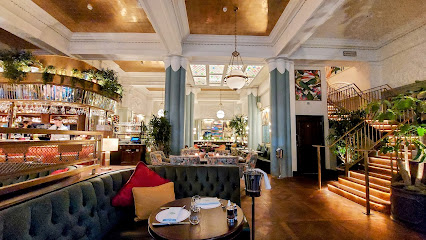
The Anchor Line
0.3 km
Historic grill and cocktail bar in a 1906 Edwardian shipping company headquarters with nautical charm.
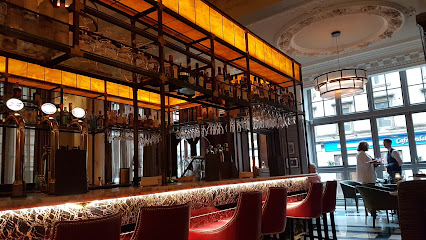
The Citizen Glasgow
0.3 km
Historic charm meets modern Scottish cuisine in a stylish city-center restaurant with a warm, lively atmosphere.
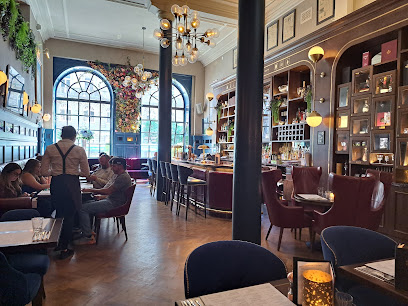
Sugo Pasta
0.3 km
Fresh, handmade regional Italian pasta in a lively, modern Glasgow setting – no bookings, just great pasta and a buzzing atmosphere.
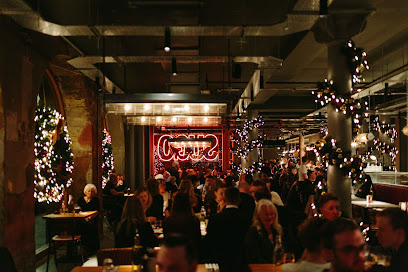
Turkiye EFES Restaurant
0.3 km
Authentic Turkish cuisine and grilled meats served with warmth and tradition in Glasgow’s vibrant Merchant City.
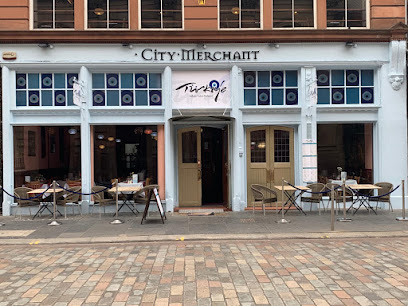
The Dhabba
0.3 km
Experience authentic Northern Indian cuisine in Glasgow with vibrant flavors, a nut-free menu, and a welcoming atmosphere at The Dhabba.
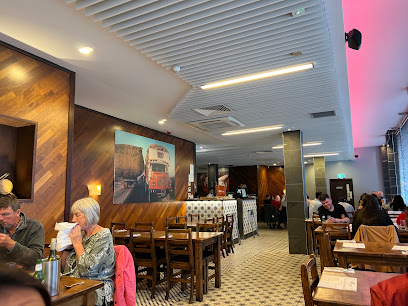
Metropolitan Bar and Restaurant
0.3 km
Experience Glasgow's vibrant culinary scene at Metropolitan Bar & Restaurant – where gourmet pub fare meets expertly crafted cocktails.
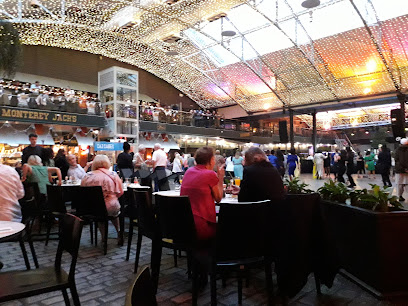
Markets, malls and hidden boutiques

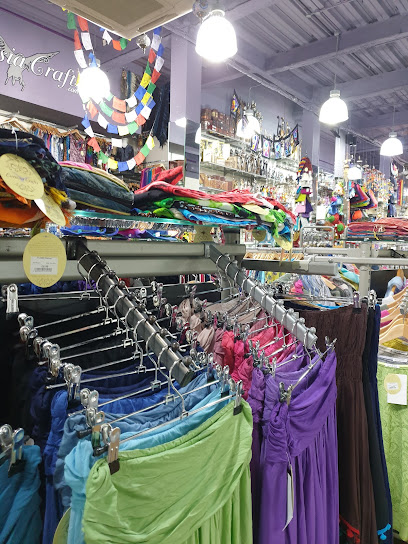
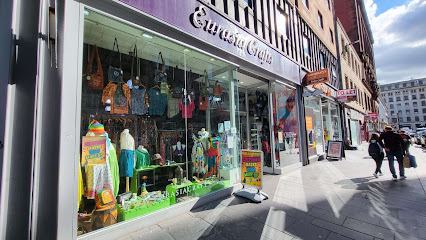
Eurasia Crafts
0.1 km
Discover handcrafted wonders from Eurasia in a cozy Glasgow gem—unique gifts, artisan stories, and cultural treasures await on elegant Queen Street.
Osiris - Alternative Fashion Store
0.1 km
A compact, characterful alternative-fashion and curios shop on Queen Street specialising in goth, emo and eclectic accessories.
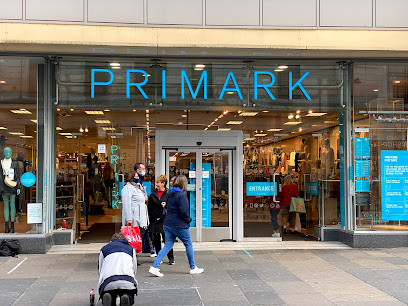
Primark
0.1 km
Vast budget fashion haven on Glasgow's Argyle Street: trendy clothes, beauty, home goods, and more in a wheelchair-accessible city-center mega-store.
Geek-aboo
0.1 km
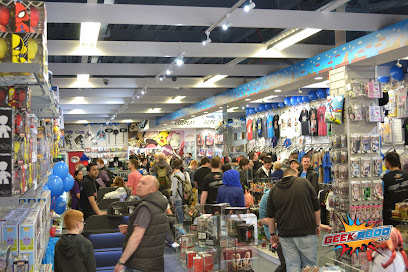
Dive into Glasgow's ultimate geek haven: official merch, epic collectibles, and gaming events from your favorite franchises await at Geek-aboo.
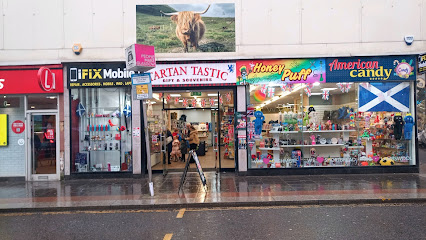
Tartan Tastic Gift & Souvenirs
0.1 km
Discover authentic Scottish tartan treasures and traditional gifts in the heart of Glasgow’s vibrant Queen Street.
The Glasgow Souvenir Outlet
0.1 km
Authentic Scottish treasures in Glasgow's vibrant core: tartans, whisky keepsakes, and artisan crafts for every traveler's suitcase.
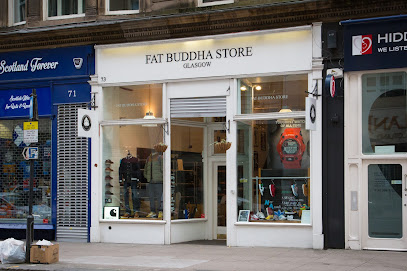
Fat Buddha Store
0.1 km
Glasgow's ultimate streetwear haven: premium menswear, spray paints, vinyl toys, and urban essentials across three vibrant floors since 2006.
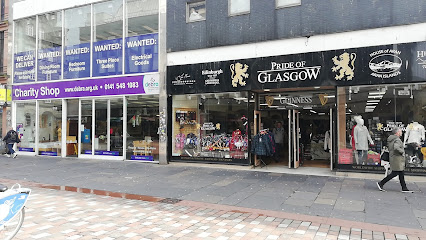
Pride of Glasgow
0.2 km
Discover tartan treasures and whisky wonders at this spirited Argyle Street shop, where Scottish pride meets Glasgow's cheeky charm in every authentic souvenir.
Shop Small at St Enoch
0.2 km
Discover unique fashion finds at Shop Small in Glasgow’s iconic St Enoch Centre, where historic charm meets modern shopping under Europe’s largest glass roof.
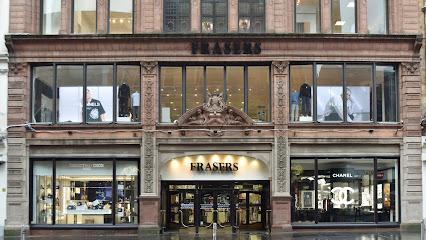
House of Fraser
0.3 km
Discover Glasgow’s historic House of Fraser on Buchanan Street, a vibrant hub for fashion, beauty, and homewares since 1849.
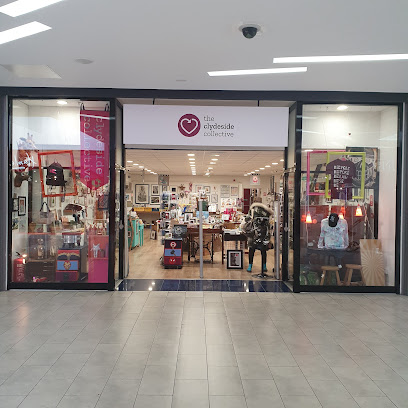
The Clydeside Collective
0.3 km
Explore Glasgow’s creative heart at The Clydeside Collective, a vibrant gift shop showcasing unique handcrafted arts and crafts by local artisans.
Taste of Scotland
0.3 km
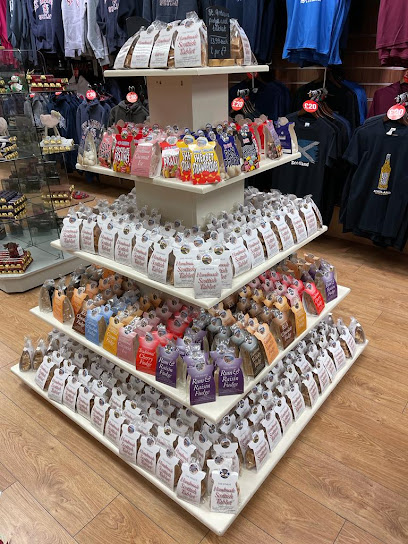
Discover authentic Scottish gifts and rare whiskies in the heart of Glasgow at Taste of Scotland, your gateway to Scotland’s rich heritage.
The Vintage Scene Glasgow
0.3 km
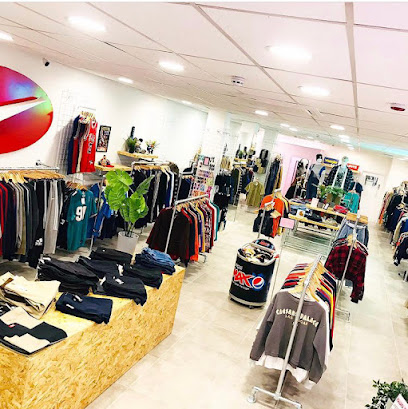
Discover timeless vintage fashion treasures and sustainable style at The Vintage Scene, Glasgow’s premier vintage clothing shop in St Enoch Square.
House Of Cashmere Glasgow
0.4 km
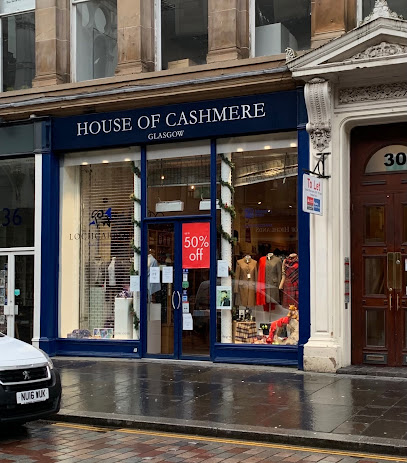
Discover authentic Scottish cashmere craftsmanship and timeless luxury in the heart of Glasgow’s vibrant city centre.
Social Recluse
0.4 km
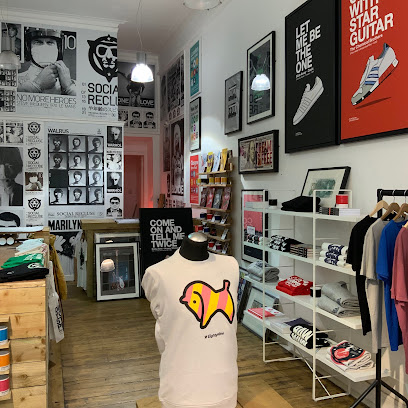
Discover unique gifts and stylish apparel at Social Recluse, Glasgow’s boutique for creative and quality designs in the city center.
Essential bars & hidden hideouts

The Spiritualist Glasgow
0.0 km
Moody, theatrical cocktail bar and small-plate restaurant in central Glasgow — inventive drinks, shareable dishes and a lively evening atmosphere.
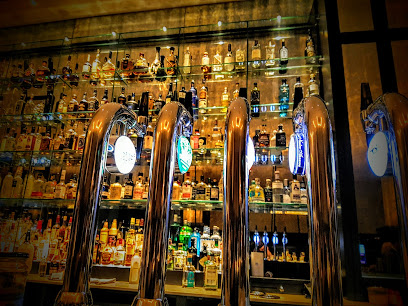
Cairns Bar
0.1 km
Cozy Merchant City pub pouring Belhaven ales, serving pub classics, and screening live sports in Glasgow's lively heart—perfect for pints and pies anytime.
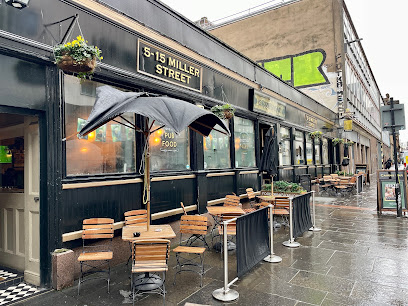
Steps Bar
0.1 km
Discover Glasgow's Art Deco time capsule: Steps Bar's preserved 1930s elegance, walnut gantry, and jukebox vibes await in Merchant City's historic heart.
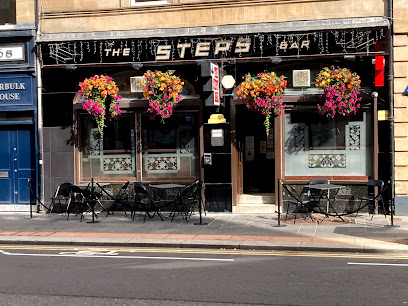
Bacchus Bar
0.2 km
Glasgow's friendliest independent bar in Merchant City, pouring wine-god vibes with live music, quizzes, and unbeatable value since over two decades.
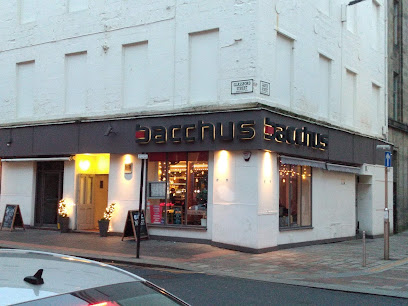
Wunderbar
0.2 km
Lively Glasgow cocktail bar blending pizza, pub vibes, and live music in a vibrant city center setting.
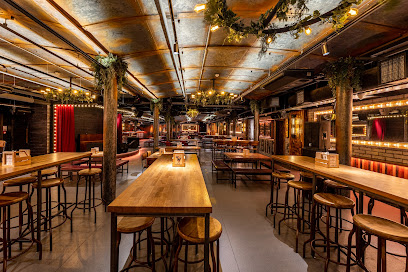
Sloans
0.2 km
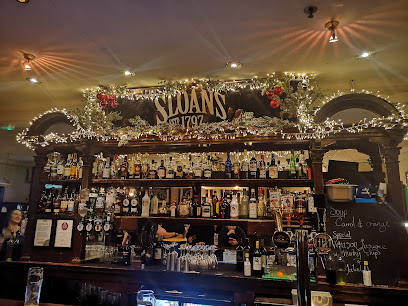
Glasgow’s oldest bar and restaurant since 1797, famed for lively events, historic charm, and legendary Macaroni Cheese in a vibrant city-centre setting.
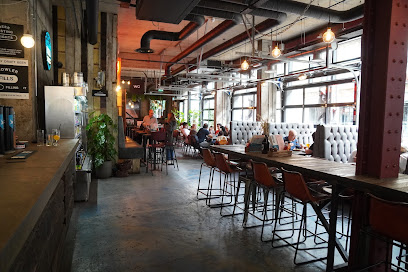
BrewDog Glasgow Merchant City
0.2 km
Craft beer rebellion meets smoky barbecue in Glasgow's historic Merchant City – 25 taps, outdoor patio, and dog-friendly vibes await.
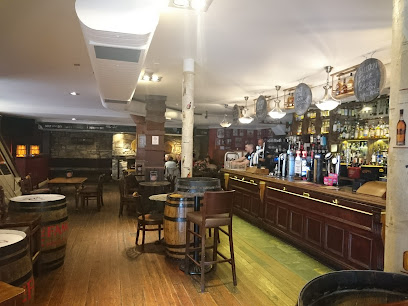
The Piper Whisky Bar
0.2 km
Glasgow's premier whisky haven with 200+ Scotches, live music nightly, and pub grub overlooking George Square – pure Scottish spirit in every sip.
Speakeasy
0.3 km
A vibrant and welcoming gay bar in Glasgow’s Merchant City, blending relaxed pub vibes with lively nightlife and creative cocktails.
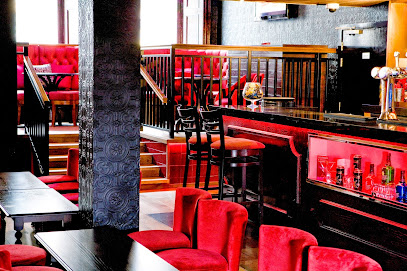
TABAC
0.3 km
Retro Parisian cocktail bar on hidden Mitchell Lane, blending masterful mixes, street food bites, and lively vibes in Glasgow's heart.
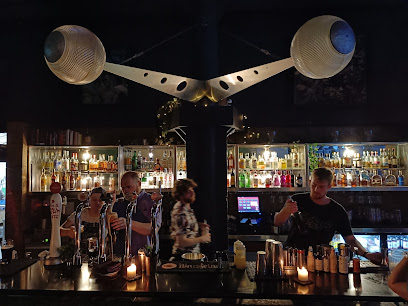
Ross's Original Bar
0.3 km
Classic Glasgow pub with hearty food, lively karaoke nights, and a welcoming old-school atmosphere in the heart of the city.
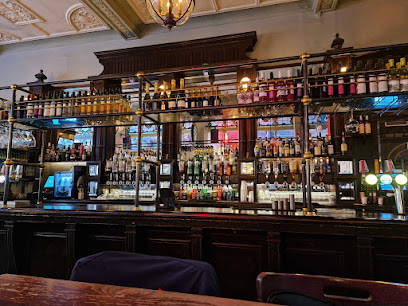
Bar 91
0.3 km
Laid-back Merchant City pub pouring craft brews, global bites, and live tunes opposite City Halls—a Glasgow essential for day-to-night vibes.
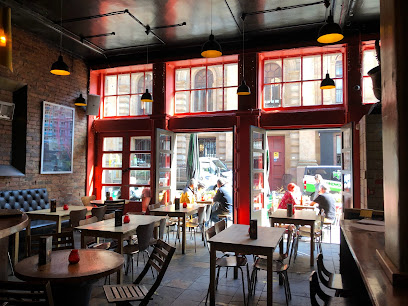
The Alchemist Glasgow
0.3 km
Experience Glasgow’s most theatrical cocktails and innovative dining in the heart of George Square’s mystical setting.
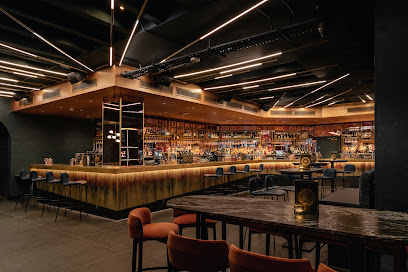
Avant Garde Music Bar & Restaurant
0.4 km
Dive into Glasgow's underground beats at Avant Garde, where live music, modern eats, and vaulted vibes create unforgettable Merchant City nights.
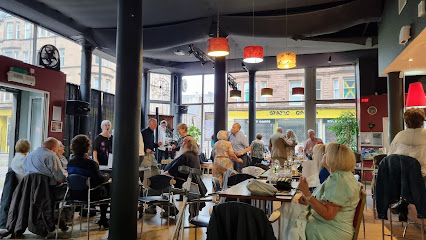
Waxy O'Connor's Glasgow
0.4 km
Explore Glasgow’s largest Irish pub maze with live music, hearty food, and spirited sports in the heart of Merchant City.
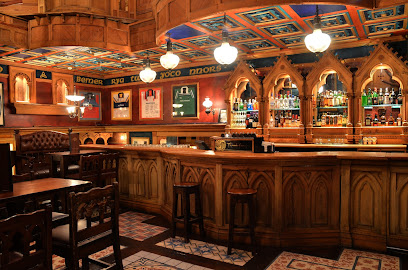
Nightclubs & after hour spots

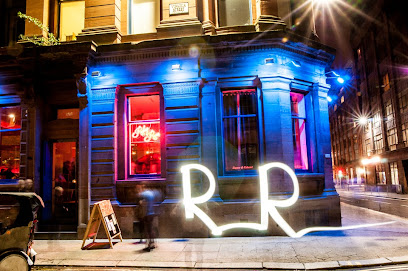
Riding Room
0.1 km
Fancy cabaret club in Glasgow's gay triangle, serving exotic kettle cocktails alongside burlesque, magic, and cheeky shows in a lively, intimate venue.
Club X
0.1 km
Glasgow's underground RnB haven: where beats throb, lights flash, and the LGBTQ+ community dances till dawn in Merchant City's beating heart.
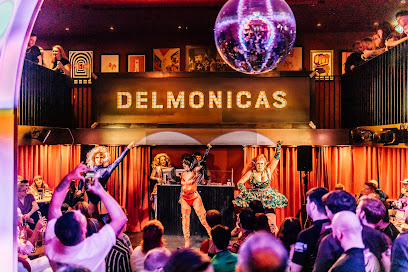
Delmonicas
0.1 km
Scotland's biggest gay club: drag shows, karaoke, DJs, and non-stop inclusive party vibes in Glasgow's Merchant City heart.
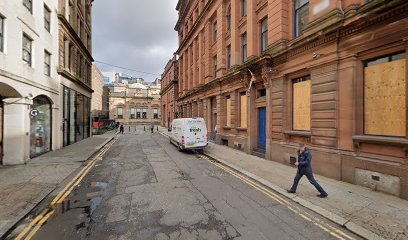
Polo Lounge
0.1 km
Glasgow's grandest gay nightclub: multi-level dance floors, cheap drinks, and non-stop energy until dawn in Merchant City's heart.
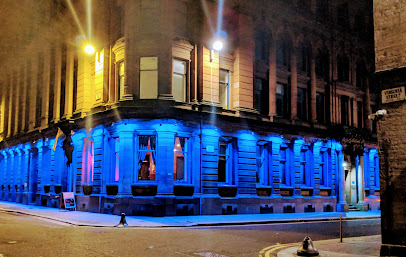
La Cheetah Club
0.1 km
Glasgow’s intimate basement club with a powerful sound system, vibrant underground beats, and a welcoming community spirit.

AXM Glasgow
0.2 km
Scotland's biggest LGBTQ+ nightclub: two floors of pop, charts, and dance in Glasgow's heart, with cheap drinks and zero attitude.
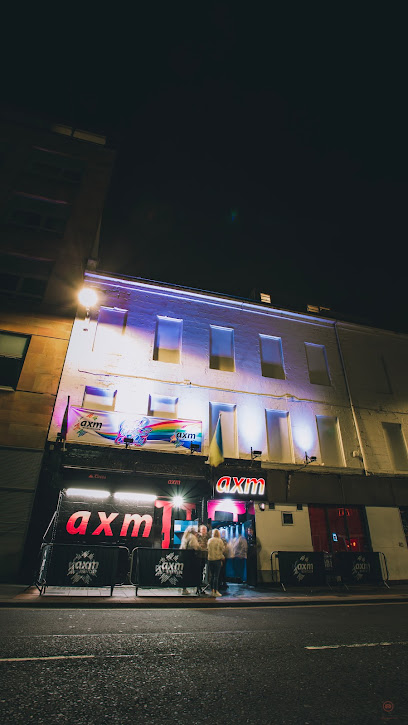
18 Candleriggs
0.3 km
Glasgow's kitsch cabaret haven where dazzling shows, tasty grill fare, and lively vibes create unforgettable Merchant City nights.
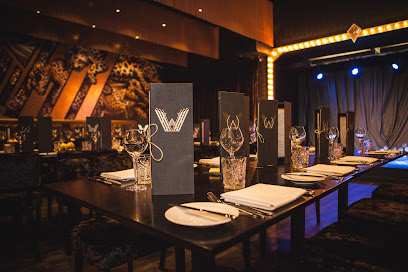
Cathouse Rock Club
0.4 km
Glasgow's unrelenting rock fortress since 1990—metal riffs, live gigs, and alternative fury across three pounding rooms.
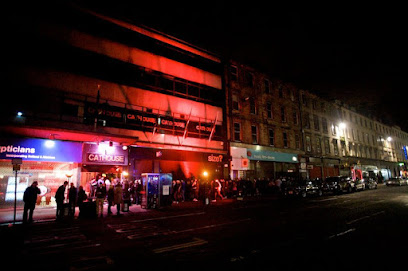
Classic Grand
0.4 km
Glasgow's ultimate electronic music haven in a reborn cinema, where thunderous beats and euphoric crowds collide until dawn.
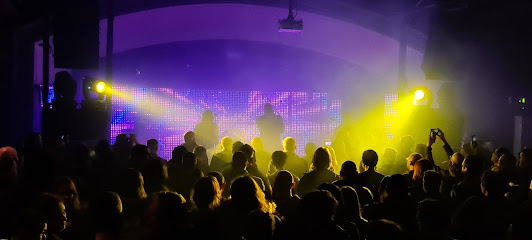
Sub Club
0.4 km
Glasgow’s legendary underground nightclub, Sub Club, pulses with cutting-edge sound and authentic dance culture in an intimate basement setting.
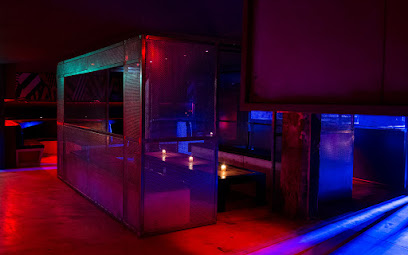
Platinum Lace Glasgow
0.4 km
Glasgow’s premier gentlemen’s club with stunning dancers, VIP luxury, and an electric nightlife atmosphere in the city centre.
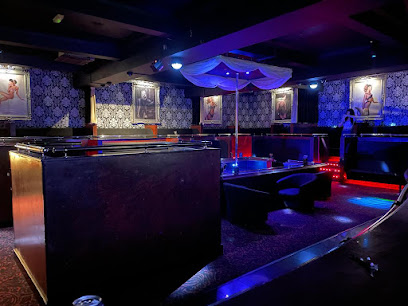
Club Tropicana & Venga
0.5 km
Two-room retro nightclub in central Glasgow with themed ’80s/’90s nights, booth bookings and a high-energy weekend atmosphere.
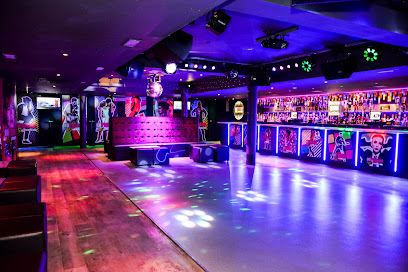
Popworld Glasgow
0.5 km
Dive into a whirlwind of 80s-00s pop anthems, retro props, and cocktail-fueled dance marathons at Glasgow's ultimate cheesy nightclub escape.
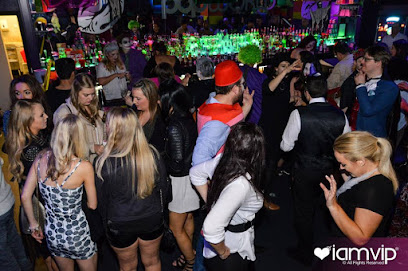
142B Lounge
0.6 km
Glasgow's premier spot for Afrobeats, Amapiano, and African flavors—dance, dine, and vibe in luxury VIP style until dawn.
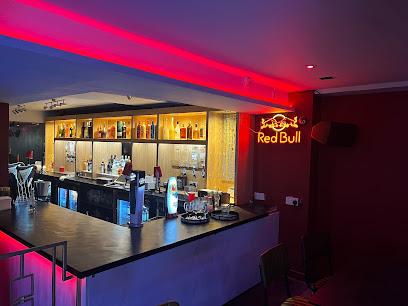
Kokomo Glasgow
0.6 km
Kokomo Glasgow was a late-night nightclub and bar known for its energetic vibe and central city location on West Regent Street.
For the vibe & atmosphere seeker
- Historic
- Scenic
- Tranquil
For the design and aesthetic lover
- Vintage Styles
For the architecture buff
- Historic
- Landmarks
For the view chaser and sunset hunter
- Iconic Views
For the social media creator & influencer
- Instagrammable
- Architectural Shots
For the eco-conscious traveler
- Protected Area
- Public-Transport Accessible
- Locally Managed
For the kind of experience you’re after
- Cultural Heritage
- Photowalk
- Day Trip
For how adventurous you want the journey to be
- Easy Access
Location Audience
- Family Friendly
- Senior Friendly
- Child Friendly
- Teen Friendly
- Solo Friendly
- Couple Friendly
- Vegetarian Friendly
- Vegan Friendly


