

Free Glasgow Travel Guide & Mobile App
Plan your Glasgow trip with Evendo. Get free guides to top attractions, restaurants, hotels, and bars. Web access or download the mobile app.


Glasgow blends Victorian architecture, major museums, live music and riverside culture with welcoming neighbourhoods and Scotland’s landscapes.
A City Shaped by the Clyde
Glasgow stands on the River Clyde in west-central Scotland, a city whose identity was forged by shipbuilding, ambitious Victorian expansion and a long tradition of artistic invention. Its centre combines grand civic buildings, sandstone terraces and bustling commercial streets, while the river corridor reveals the industrial scale that once made Glasgow one of the world's great shipbuilding centres. The Clyde remains a defining presence, linking the city to its maritime past and to redeveloped cultural quarters.Read more about Glasgow
Architecture, Art and Neighbourhoods
Green Spaces and Wider Horizons
When is the best time to visit Glasgow?
Best: July–September · 21–23°C| Month | High (°C) | Rainfall (mm) |
|---|---|---|
| January | 8 | 80 |
| February | 8 | 70 |
| March | 11 | 70 |
| April | 15 | 60 |
| May | 18 | 70 |
| June | 21 | 80 |
| July (best) | 23 | 80 |
| August (best) | 23 | 80 |
| September (best) | 21 | 70 |
| October | 17 | 80 |
| November | 14 | 80 |
| December | 11 | 80 |
Getting to and around Glasgow
How to get there
Transportation
Best attractions in Glasgow
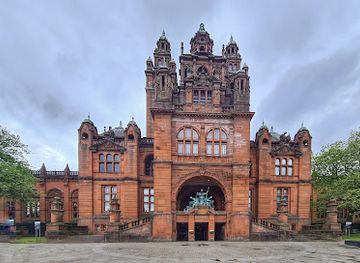
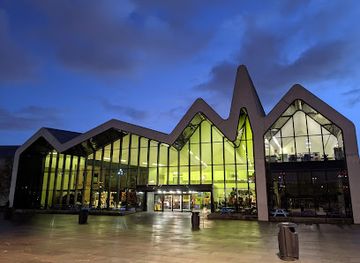
Glasgow's principal attractions range from major collections to lively neighbourhood landscapes. Kelvingrove Art Gallery and Museum presents art, natural history and social history in a grand red-sandstone building beside Kelvingrove Park, while the Riverside Museum explores transport and Glasgow's industrial relationship with the Clyde. The Burrell Collection in Pollok Country Park brings together European art, sculpture and decorative objects in a distinctive modern setting. In the West End, the University of Glasgow, the Botanic Gardens and the walk through Kelvingrove Park create a rewarding day of architecture and greenery. Glasgow Cathedral and the nearby St Mungo Museum of Religious Life and Art offer insight into the city's medieval and religious heritage. The Gallery of Modern Art occupies a former commercial building in Royal Exchange Square, and the People's Palace on Glasgow Green traces everyday life and social change through the city's communities.
-
Art gallery
Kelvingrove Art Gallery and Museum
Explore Glasgow’s iconic Kelvingrove Art Gallery and Museum, home to world-class art, historic artifacts, and captivating exhibits in a stunning historic setting.
8 min drive · 2.5 km from city centre
-
Park and Garden
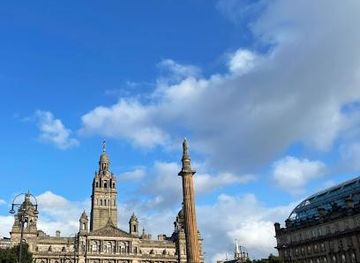
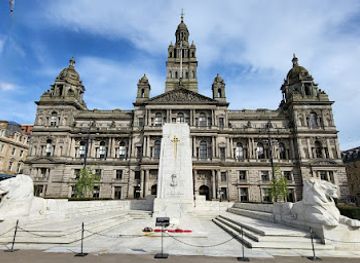
George Square
Glasgow’s vibrant civic heart, George Square blends historic grandeur with lively public events and iconic monuments.
6 min walk · 0.5 km from city centre
-
Museum
Riverside Museum
Explore Glasgow’s transport heritage through interactive exhibits and historic street scenes at the award-winning Riverside Museum on the River Clyde.
10 min drive · 3.3 km from city centre
-
Stadium
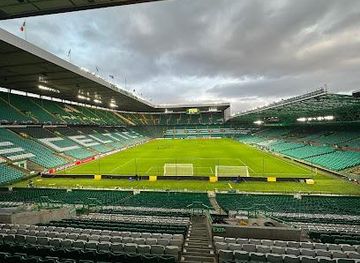
Celtic Park
Experience the passion and heritage of Celtic Football Club at Glasgow’s iconic Celtic Park, one of Europe’s largest football stadiums.
10 min drive · 3.2 km from city centre
Best landmarks in Glasgow
Glasgow Cathedral is the city's most important medieval building, a substantial Gothic church whose surviving structure reflects Glasgow's development as an ecclesiastical centre. Nearby Provand's Lordship, one of the city's oldest surviving houses, gives a sense of early domestic architecture. George Square is the civic heart, framed by statues and the ornate City Chambers, whose interiors express Victorian municipal confidence. Across the city, the Glasgow School of Art embodies Charles Rennie Mackintosh's transformative contribution to modern design, although access and restoration arrangements can change. The University of Glasgow's neo-Gothic main building dominates Gilmorehill, while the Clyde Arc, known locally as the Squinty Bridge, represents the redeveloped waterfront. Glasgow Green, the People's Palace and the Templeton building also connect public space, social history and the city's industrial character.
-
Park and Garden
George Square
Glasgow's grand civic square where imperial architecture, historic monuments, and vibrant public life converge.
6 min walk · 0.5 km from city centre
-
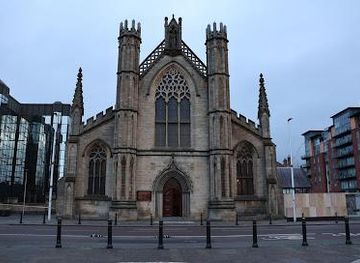
Catholic cathedral
Metropolitan Cathedral of St Andrew
Historic Neo-Gothic cathedral and spiritual heart of Glasgow’s Catholic community since the early 19th century.
4 min walk · 0.3 km from city centre
-
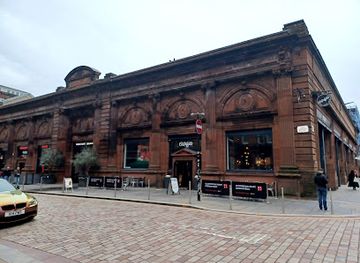
Museum
Glasgow Police Museum
Discover the history of Britain’s first police force and explore a global collection of police uniforms and artifacts in Glasgow’s unique volunteer-run museum.
8 min walk · 0.6 km from city centre
-
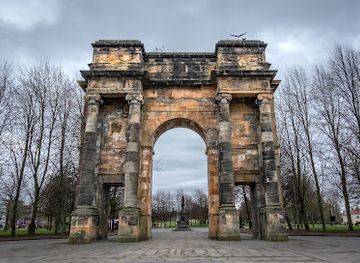
Historical landmark
McLennan Arch
A neoclassical triumphal arch marking the historic gateway to Glasgow Green, embodying the city’s rich architectural and social heritage.
10 min walk · 0.8 km from city centre
Explore Glasgow on the map
Plan your Glasgow trip on one map. See where the top attractions, landmarks, restaurants, bars and hotels are, find what's near where you're staying, and book hotels and experiences in a few clicks.
Neighbourhoods in Glasgow
-

-

-

-

-


Swipe for more neighbourhoods
Best hotels in Glasgow
Best restaurants in Glasgow
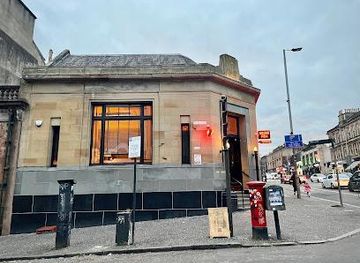
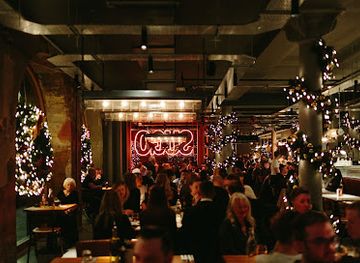
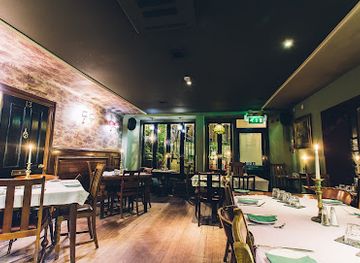
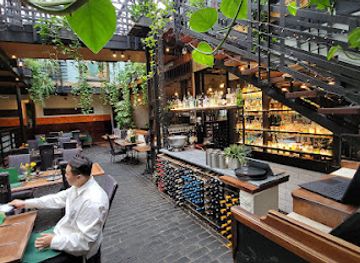
Glasgow's food culture reflects Scotland's larder and the city's history of migration, industry and urban reinvention. Traditional menus may feature haggis, neeps and tatties, Cullen skink, smoked fish, venison and locally sourced beef, while cafés and bakeries provide soups, rolls, cakes and increasingly varied vegetarian food. The city also has a long-established South Asian dining culture, particularly visible in the West End and south side, alongside Italian, Middle Eastern, East Asian and other international cuisines shaped by Glasgow's communities. Finnieston has a strong concentration of restaurants and bars, the West End offers cafés and independent dining around Byres Road, and the Merchant City combines contemporary restaurants with historic streets. Food halls, bakeries and casual eateries add informal options, while farmers' markets and specialist shops provide Scottish cheeses, seafood, preserves and whisky-related products.
-
Pizza
Paesano Pizza West End
Authentic Neapolitan pizza crafted with Italian ingredients and wood-fired ovens, served in Glasgow’s lively West End at affordable prices.
8 min drive · 2.6 km from city centre
-
Italian
Sugo Pasta
Fresh, handmade regional Italian pasta in a lively, modern Glasgow setting – no bookings, just great pasta and a buzzing atmosphere.
3 min walk · 0.2 km from city centre
-
Restaurant
The butterfly and the pig
A quirky Glasgow gem serving hearty Scottish fare, vibrant live music, and a beloved vintage-style afternoon tea experience.
10 min walk · 0.8 km from city centre
-
Scottish
Ubiquitous Chip
A Glasgow institution since 1971, the Ubiquitous Chip serves contemporary Scottish cuisine in a lush, atmospheric courtyard setting on Ashton Lane.
9 min drive · 3.0 km from city centre
Best bars in Glasgow
Glasgow's evenings are strongly associated with live music, from established concert venues to small bars where local bands and touring acts share the bill. King Tut's Wah Wah Hut is an influential music venue, while the Barrowland Ballroom remains a celebrated setting for concerts and dancing in the East End. The city centre around Sauchiehall Street, Bath Street and Buchanan Street has a mixture of pubs, cocktail bars and late-night venues; the Merchant City and West End offer a more varied selection of bars, wine spots and intimate entertainment spaces. Theatre, comedy and cultural programming broaden the options beyond nightlife centred on drinking. Busy weekends can bring a lively atmosphere, although the tone changes considerably between student areas, traditional pubs, music venues and quieter neighbourhood bars.
-
Pub
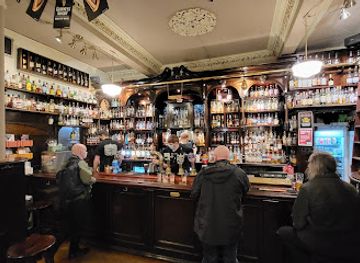
The Pot Still
Discover Glasgow's ultimate whisky haven: 150+ years of pub tradition meets 600+ rare drams in a cozy Hope Street gem.
7 min walk · 0.6 km from city centre
-
Pub
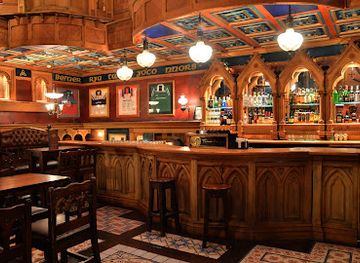
Waxy O'Connor's Glasgow
Explore Glasgow’s largest Irish pub maze with live music, hearty food, and spirited sports in the heart of Merchant City.
6 min walk · 0.5 km from city centre
-
Pub
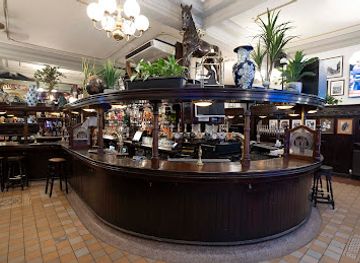
Horseshoe Bar Glasgow
Historic Victorian pub with Britain’s longest horseshoe-shaped bar, lively karaoke, live sports, and warm Glaswegian hospitality in the city centre.
4 min walk · 0.4 km from city centre
-
Blues club
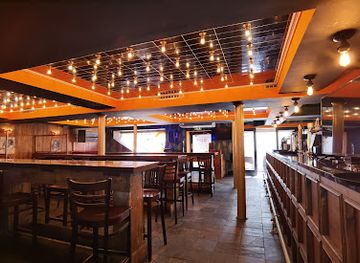
The Howlin' Wolf: Bar, Kitchen, Juke Joint
Glasgow’s vibrant blues bar and kitchen, serving soulful live music, American whiskey, and hearty comfort food until the early hours.
9 min walk · 0.7 km from city centre
Best nightclubs in Glasgow
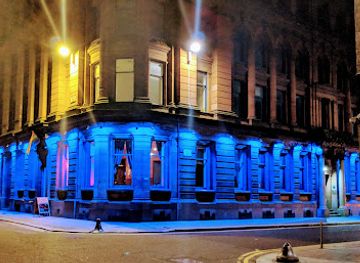
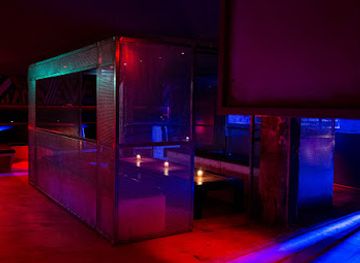
Glasgow's evenings are strongly associated with live music, from established concert venues to small bars where local bands and touring acts share the bill. King Tut's Wah Wah Hut is an influential music venue, while the Barrowland Ballroom remains a celebrated setting for concerts and dancing in the East End. The city centre around Sauchiehall Street, Bath Street and Buchanan Street has a mixture of pubs, cocktail bars and late-night venues; the Merchant City and West End offer a more varied selection of bars, wine spots and intimate entertainment spaces. Theatre, comedy and cultural programming broaden the options beyond nightlife centred on drinking. Busy weekends can bring a lively atmosphere, although the tone changes considerably between student areas, traditional pubs, music venues and quieter neighbourhood bars.
-
Gay night club
Polo Lounge
Glasgow's iconic gay nightclub: multi-floor beats, dazzling drag shows, and unrelenting party vibes until dawn in Merchant City.
5 min walk · 0.4 km from city centre
-
Nightclub
Cathouse Rock Club
Glasgow's unrelenting rock 'n' roll bastion since 1990—metal anthems, live gigs, and late-night alternative vibes across three pounding rooms.
2 min walk · 0.2 km from city centre
-
Nightclub
Sub Club
Glasgow’s legendary underground nightclub, Sub Club, pulses with cutting-edge sound and authentic dance culture in an intimate basement setting.
2 min walk · 0.1 km from city centre
-
Nightclub
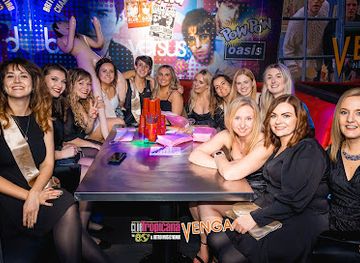
Club Tropicana & Venga
Glasgow’s vibrant retro nightclub blending ’80s and ’90s dance hits with a lively, nostalgic atmosphere in the city centre.
5 min walk · 0.4 km from city centre

Best shops in Glasgow
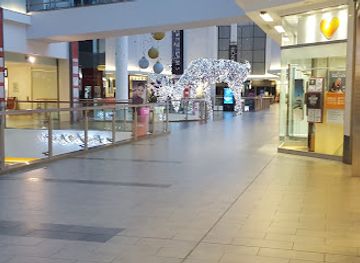
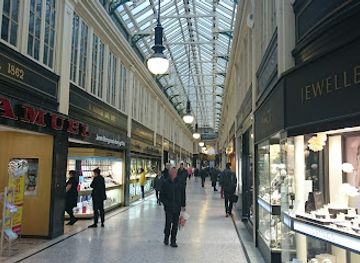
Glasgow's central shopping area stretches along Buchanan Street, Argyle Street and Sauchiehall Street, combining familiar retailers with department stores, arcades and independent businesses. The Merchant City brings boutiques, galleries, design shops and specialist retailers into former warehouses and merchant buildings, while the West End is known for independent shops around Byres Road, Great Western Road and nearby lanes. The Barras remains associated with market trading and second-hand goods, though its atmosphere and opening pattern vary. Visitors looking for Scottish products will find whisky, shortbread, knitwear, tweed, jewellery, books, craft goods and regional food in specialist shops rather than only in souvenir outlets. Vintage clothing, records and locally designed items reflect Glasgow's creative scene, while the city's museums and galleries often provide more considered cultural gifts.
-
Shopping Centre
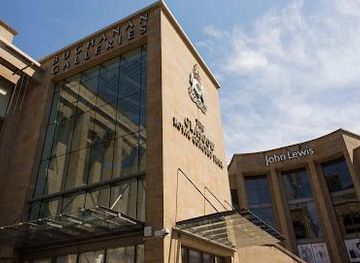
Buchanan Galleries
Glasgow's premier shopping destination with over 80 brands, dining, and entertainment in the city centre.
9 min walk · 0.7 km from city centre
-
Shopping Centre
St. Enoch Centre
Glasgow's premier indoor shopping destination with over 80 retailers, dining, and cinema in the vibrant Merchant City.
2 min walk · 0.2 km from city centre
-
Shopping Centre
Princes Square Shopping Centre
Discover Glasgow's elegant 19th-century gem: luxury shopping, gourmet dining, and cinematic charm under a stunning Art Nouveau glass roof.
2 min walk · 0.2 km from city centre
-
Clothing Shop
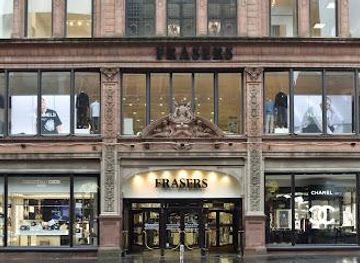
House of Fraser
Discover Glasgow’s iconic department store on Buchanan Street, offering diverse fashion, cosmetics, and homewares in a vibrant city centre setting.
1 min walk · 0.1 km from city centre
Get your free copy of our complete guide to Glasgow, delivered straight to you.
Everything on this page, from attractions and restaurants to essentials and local phrases, in one PDF you can read offline, print or share.
Already have an account? Sign in
Your Glasgow guide is ready.
We'll send it to · Not you? Sign out

Getting your guide ready…
We are putting together a fresh copy of the Glasgow guide. This can take up to a minute.
This can take a few moments. If your browser asks, choose Allow so the download can start. You'll find the guide in your Downloads folder.
Nothing happened? Download it again
Sorry, the guide is taking longer than usual. Please try again in a minute, or get it by email instead.
Glasgow essentials
Currency and Payment
Safety
Emergency Situations
Do's and Don'ts
Local Tips
From Eve
Local phrases worth knowing
You don't need to get them perfect. A few words go a long way, and locals appreciate the effort.
Basics
| English | Local | Say it |
|---|---|---|
| Hello | Hiya | [hee-ya] |
| Goodbye | Cheerio | [cheer-ee-oh] |
| Yes | Aye | [eye] |
| No | Naw | [naw] |
| Please/You're welcome | Please/You're welcome | [Please/You're welcome] |
| Thank you | Cheers | [cheers] |
| Excuse me/Sorry | Excuse me/Sorry | [Excuse me/Sorry] |
| How are you? | How's it gaun? | [hows it gone?] |
| Fine. And you? | Pure dead brilliant. Yersel? | [pure dead brilliant. yersel?] |
| Do you speak English? | Dae ye speak English? | [day ye speak English?] |
| I don't understand | Ah dinnae ken | [ah din-ay ken] |
Eating & Drinking
| English | Local | Say it |
|---|---|---|
| I'd like to see the menu, please | Gies the menu, please | [gheez the menu, please] |
| I don't eat meat | Ah dinnae eat meat | [ah din-ay eat meat] |
| Cheers! | Cheers! | [cheers!] |
| I would like to pay, please | Ah'll pay, cheers | [ah'll pay, cheers] |
Emergencies
| English | Local | Say it |
|---|---|---|
| Help! | Help! | [help!] |
| Go away! | Geez peace! | [geez peace!] |
| Call the Police! | Phone the polis! | [phone the polis!] |
| Call a doctor! | Phone a doc! | [phone a doc!] |
| I'm lost | Ah'm pure lost | [ah'm pure lost] |
| I'm ill | Ah'm feelin pure boggin | [ah'm feelin pure boggin] |
Shopping
| English | Local | Say it |
|---|---|---|
| I'd like to buy... | Ah'll take... | [ah'll take...] |
| I'm just looking | Ah'm just haein a wee swatch | [ah'm just hae-in a wee swatch] |
| How much is it? | How much is it? | [How much is it?] |
| That's too expensive | Thit's pure dear | [thits pure dear] |
| Can you lower the price? | Can ye dae it cheaper? | [can ye dae it cheaper?] |
Time & Numbers
| English | Local | Say it |
|---|---|---|
| What time is it? | Wit time is it? | [wit time is it?] |
| It's one o'clock | It's yin o'clock | [it's yin o'clock] |
| Half past (10) | Half ten | [half ten] |
| Morning | Mornin | [mornin] |
| Afternoon | Efternoon | [eft-er-noon] |
| Evening | Evenin | [even-in] |
| Yesterday | Yesterday | [Yesterday] |
| Today | The day | [the day] |
| Tomorrow | Murn | [murn] |
| 1 | Yin | [yin] |
| 2 | Twa | [twa] |
| 3 | Three | [three] |
| 4 | Fower | [fower] |
| 5 | Fife | [fife] |
| 6 | Sax | [sax] |
| 7 | Seven | [seven] |
| 8 | Eight | [eight] |
| 9 | Nine | [nine] |
| 10 | Ten | [ten] |
Transport & Directions
| English | Local | Say it |
|---|---|---|
| Where's a/the...? | Whaur's a/the...? | [whaur's a/the...?] |
| What's the address? | Wit's the address? | [wit's the address?] |
| Can you show me (on the map)? | Can ye shaw me (oan the map)? | [can ye shaw me (on the map)?] |
| When's the next (bus)? | Whit time's the nixt (bus)? | [wit time's the nixt (bus)?] |
| A ticket (to ....) | A ticket (tae ....) | [a ticket (tae ....)] |
History of Glasgow
Early Settlement and Medieval Glasgow
Glasgow's origins are traditionally associated with the sixth-century Christian community founded by Saint Mungo, also known as Saint Kentigern, beside the Molendinar Burn. A settlement grew around the religious centre, and Glasgow became a bishopric in the twelfth century under the patronage of David I. The medieval cathedral, substantially begun in the twelfth century, remains the clearest surviving expression of this ecclesiastical importance. Glasgow was granted burgh status in the twelfth century, encouraging trade and civic development, while the surrounding rural landscape supplied food and raw materials. Medieval Glasgow was modest in scale, but its religious foundation and position on routes through the west of Scotland established the framework for its later growth.
The University and Early Trade
The University of Glasgow was founded in 1451, first operating in the cathedral precinct before moving to the High Street and later to the West End. Its presence strengthened the city's intellectual and administrative role. During the early modern period, Glasgow's merchants developed trade links through the River Clyde and the Atlantic world. Tobacco, sugar and other colonial commodities brought wealth to merchant families, whose townhouses and warehouses helped shape the Merchant City. This prosperity was inseparable from the exploitation and enslavement embedded in Atlantic commerce, a history now examined through research, interpretation and public debate. Glasgow's mercantile expansion also encouraged improved streets, institutions and harbour facilities.
Industrial Expansion on the Clyde
The eighteenth and nineteenth centuries transformed Glasgow from a regional trading centre into a major industrial city. Engineering, textiles, chemicals and ironworking expanded rapidly, while the Clyde was deepened and improved to accommodate larger vessels. Shipbuilding became the city's defining industry, with yards producing ocean liners, naval vessels and merchant ships along the river. Population growth brought dense housing and new districts, as migrants arrived from rural Scotland and Ireland and, later, from elsewhere. Wealth generated by industry financed museums, libraries, parks and imposing civic architecture, but industrial prosperity was accompanied by overcrowding, difficult working conditions and deep social inequality.
Victorian Civic and Cultural Glasgow
Glasgow's nineteenth-century expansion produced the broad civic spaces, commercial streets and sandstone buildings that still define much of its centre. George Square became a focus for municipal life, while institutions such as the City Chambers expressed the confidence of an industrial empire. Public parks, libraries and museums reflected the Victorian belief that education and culture should serve an expanding population. The city's artistic identity developed further through the Glasgow School of Art and the work of Charles Rennie Mackintosh, whose buildings and interiors combined modern design with Scottish and international influences. By the early twentieth century, Glasgow was both an industrial powerhouse and a significant centre of design, commerce and public culture.
War, Decline and Urban Change
Glasgow's shipyards and engineering works played important roles during both world wars, but the post-war decades brought severe industrial decline. Shipbuilding employment contracted, factories closed and many inner-city communities were disrupted by slum clearance and large-scale housing relocation. From the late twentieth century, regeneration altered the relationship between the city and the Clyde, with former industrial land redeveloped for business, housing and cultural uses. The Scottish Exhibition and Conference Centre and the Riverside Museum are among the visible results of this changing waterfront. These developments did not erase the industrial past; instead, they placed museums, memorials and surviving structures within a new urban context.
Glasgow in Contemporary Scotland
Modern Glasgow is Scotland's largest city by population and remains an important centre for higher education, medicine, business, retail, music and the arts. Its cultural profile was strengthened when it became European City of Culture in 1990, UK City of Architecture and Design in 1999 and European Capital of Sport in 2003. Events such as the 2014 Commonwealth Games brought investment and international attention, particularly to the East End. Contemporary Glasgow continues to negotiate its industrial inheritance, social inequalities and creative ambitions. The result is a city where Victorian civic confidence, working-class traditions, migrant communities, design culture and modern redevelopment coexist in a visibly layered urban landscape.
Glasgow in Photos
Browse through our photo collection highlighting the charm and character of the destination.
Cities near Glasgow
The closest cities to Glasgow, if you have time for more than one stop.
-

-

-

-

-


Swipe for more cities
Explore more

Explore more of United Kingdom
Discover the United Kingdom: A blend of rich history, stunning landscapes, and vibrant cities, offering a unique travel experience for every visitor.
Explore United Kingdom