Cotswolds AONB, Gloucestershire Travel Guide
Explore England’s largest Area of Outstanding Natural Beauty, where timeless villages, rolling hills, and rich heritage create an unforgettable countryside experience.
The Cotswolds AONB is England’s largest designated Area of Outstanding Natural Beauty, spanning nearly 800 square miles of rolling hills, picturesque villages, and historic market towns. Renowned for its quintessential English countryside charm, honey-colored stone cottages, and diverse wildlife habitats, it offers a timeless rural landscape rich in history, nature, and culture. Visitors can explore ancient woodlands, scenic trails, and iconic landmarks such as Broadway Tower, making it a premier destination for outdoor enthusiasts and heritage lovers alike.
A brief summary to Cotswolds AONB
- GB
- Click to display
- Duration: 2 to 8 hours
- Free
-
 Outdoor
- Mobile reception: 4 out of 5

Know before you go
Hi, I'm Eve. Here are a few practical things to know before exploring Cotswolds AONB.
- Wear comfortable walking shoes to explore the extensive footpaths and trails that wind through the villages and countryside.
- Visit in late spring or early summer to see wildflowers and orchids in bloom, and enjoy vibrant wildlife activity.
- Consider purchasing a Cotswolds Discovery Pass for discounted entry to many historic houses, gardens, and attractions.
- Use local bus services or book guided tours to explore without a car, especially if staying in larger towns like Cheltenham or Cirencester.
- Take time to enjoy traditional pubs and artisan shops in market towns to fully experience Cotswold culture and cuisine.
Do you manage this location?
Take control to get all the benefits, like improved information, better appearance, and stronger visibility across AI-powered discovery. Learn more about listing your business on Evendo
Activate your presenceOther nearby places you may find interesting
The closest places of the same kind, if this one is not quite what you had in mind.
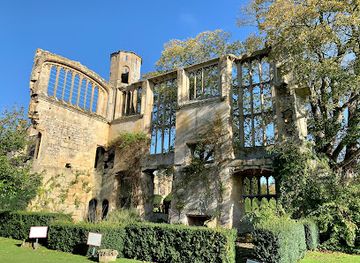
Explore Cotswolds AONB on the Map
A handpicked selection of must-see spots near Cotswolds AONB, mapped for you.
Getting There
-
Train and Bus Combination
Travel by train from London Paddington to Moreton-in-Marsh (approximately 1 hour 30 minutes), then take a local bus to various Cotswold villages. Bus services run regularly but check schedules as frequency varies. Train fares range from £15-£30 one way.
-
Coach Service
National Express coaches operate from London Victoria Coach Station to Cheltenham or Gloucester, taking about 2 to 2.5 hours. From there, local buses or taxis connect to Cotswold destinations. Coach tickets typically cost £10-£20.
-
Car Rental
Renting a car offers flexible access to the dispersed Cotswolds AONB. Driving times from London average 2 hours. Parking is available in towns and villages but can be limited during peak seasons. Fuel and rental costs vary but expect around £50-£100 per day.
-
On-Demand Local Bus
Use The Robin, a bookable on-demand bus service operating within the Cotswolds, ideal for reaching smaller villages. Booking in advance is required. Fares are approximately £3-£5 per trip.
For the on-the-go comforts that matter to you
-
 Restrooms
-
 Drink Options
-
 Food Options
-
 Seating Areas
-
 Information Boards
Discover more about Cotswolds AONB
A Vast and Timeless English Countryside
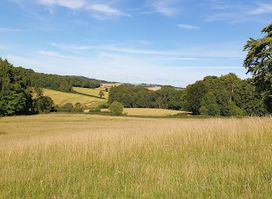
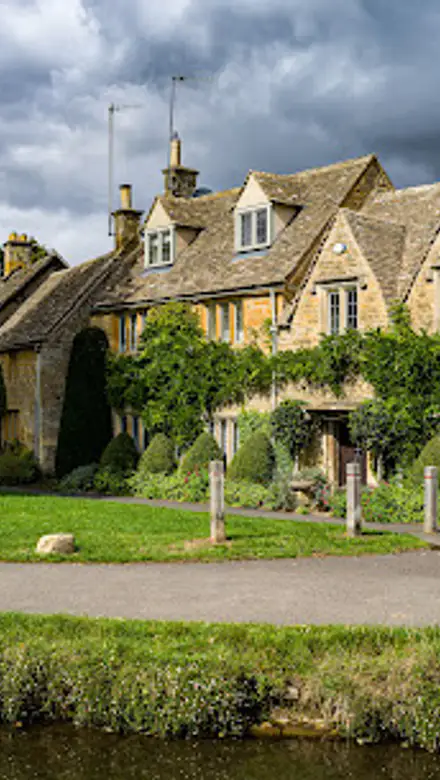
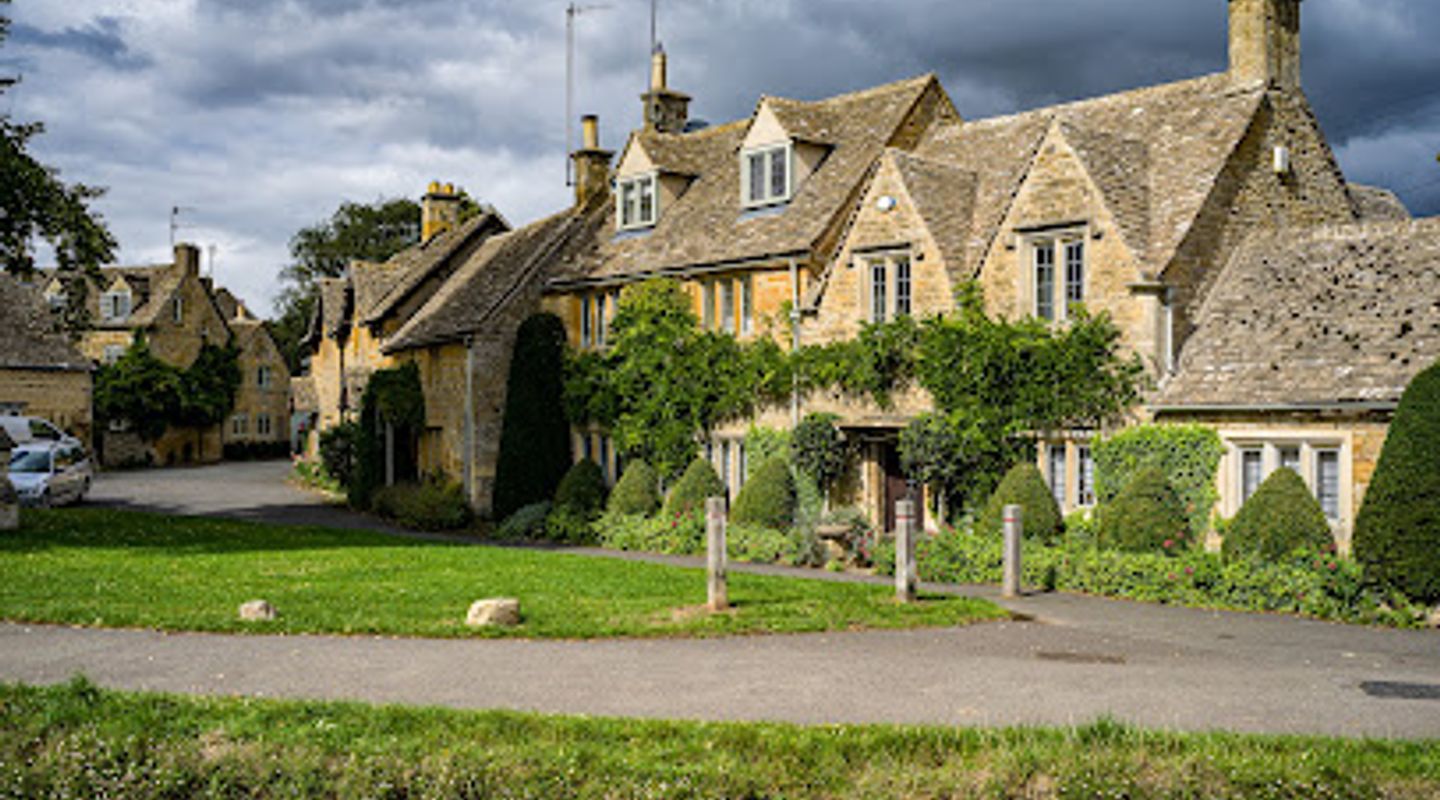
The Cotswolds AONB covers almost 800 square miles across southern England, primarily within Gloucestershire and Oxfordshire but extending into Warwickshire, Wiltshire, Worcestershire, and Somerset. It is the largest Area of Outstanding Natural Beauty in England and Wales, officially designated in 1966 and expanded in 1990. This expansive region is characterized by gently rolling hills, lush river valleys, and quintessentially English pastoral scenery. Its landscape is dotted with honey-colored limestone cottages, historic market towns, and charming villages that seem frozen in time, offering a serene escape from modern life.Rich History and Cultural Heritage
Human activity in the Cotswolds dates back over 6,000 years, with evidence of Neolithic long barrows and Iron Age hill forts scattered throughout the area. The region’s historic towns and villages feature architecture from medieval to Georgian periods, including timber-framed houses and grand country estates. Notable landmarks such as Broadway Tower, an 18th-century folly designed by Capability Brown and James Wyatt, offer panoramic views across 16 counties. The area’s cultural fabric is woven with stories from the Arts and Crafts movement and historic preservation campaigns led by figures like William Morris.Natural Beauty and Wildlife Habitats
Approximately 10% of the Cotswolds is covered by ancient and semi-natural woodlands, primarily beech, with stands of poplar, chestnut, rowan, and whitebeam. These woodlands provide vital breeding habitats for birds and rare invertebrates. Seasonal wildflowers and orchids bloom in abundance, attracting butterflies such as the rare Large Blue. The landscape’s mosaic of meadows, stone walls, and hedgerows supports diverse wildlife, making it a haven for nature lovers and bird watchers. The area’s conservation is supported by local volunteers who maintain trails and promote sustainable access.Outdoor Activities and Scenic Trails
The Cotswolds is a walker’s paradise with over 5,000 km of footpaths and bridleways, including the famous Cotswold Way National Trail. Visitors can enjoy epic hikes, leisurely strolls through picturesque villages, and cycling routes that connect historic sites and natural landmarks. The region’s varied terrain offers opportunities for adventure and relaxation alike, from gentle valley walks to panoramic hilltop vistas. Seasonal events such as the traditional cheese rolling on Cooper’s Hill add unique local flavor to the outdoor experience.Village Charm and Local Experiences
The honey-colored stone villages of the Cotswolds are renowned for their timeless charm, with bustling market towns like Stow-on-the-Wold, Bourton-on-the-Water, and Chipping Campden offering artisan shops, cozy pubs, and vibrant local markets. Visitors can savor regional specialties, including cheeses, meats, and ciders, in gastro pubs and quaint cafes. The area also hosts numerous festivals celebrating arts, crafts, and rural traditions, enriching the cultural experience.Conservation and Community Stewardship
Managed as a National Landscape, the Cotswolds AONB benefits from partnerships between local authorities, conservation groups, and over 400 voluntary wardens who help protect its natural and cultural heritage. Efforts focus on sustainable tourism, habitat preservation, and community engagement to ensure the landscape’s beauty and biodiversity endure for future generations. This stewardship fosters a deep connection between people and place, making the Cotswolds not just a destination but a cherished living landscape.












Your all‑in‑one travel companion app
Explore expert travel guides, compare and book tours, experiences, hotels, and more—all from the palm of your hand. Download now for seamless trip planning wherever your wanderlust takes you.


Explore More of Gloucestershire
Looking beyond Cotswolds AONB? Discover Gloucestershire for broader travel guides, local hot-spots, and regional highlights.
Explore Gloucestershire