

Free Gloucestershire Travel Guide & Mobile App
Explore Gloucestershire with free travel guides. Discover regional history, expert tips, proposed trips, and audio guides on web or mobile app.


Explore Gloucestershire for Cotswold villages, Gloucester's cathedral, Forest of Dean woodland, market towns, gardens and local food.
Read more about Gloucestershire
When is the best time to visit Gloucestershire?
Best: June–August · 21–22°C| Month | High (°C) | Rainfall (mm) |
|---|---|---|
| January | 7 | 61 |
| February | 7 | 51 |
| March | 10 | 49 |
| April | 13 | 48 |
| May | 17 | 52 |
| June (best) | 21 | 57 |
| July (best) | 22 | 57 |
| August (best) | 22 | 57 |
| September | 19 | 53 |
| October | 15 | 62 |
| November | 9 | 64 |
| December | 7 | 64 |
Getting to and around Gloucestershire
How to get there
Transportation
Top city travel guides in Gloucestershire
The cities of Gloucestershire, and the easiest places to base yourself.
-

-

-

-


Swipe for more cities
Destinations in Gloucestershire
Resorts, valleys and scenic spots worth a trip of their own.
-
-


Swipe for more destinations
Best attractions in Gloucestershire
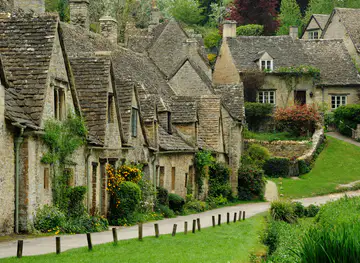
Gloucestershire's attractions range from Roman archaeology and cathedral heritage to woodland adventures and carefully cultivated gardens. Cirencester's Corinium Museum interprets the Roman town that once dominated the region, while Gloucester Cathedral combines medieval architecture with later history and cultural associations. Tewkesbury Abbey and the town's battlefield heritage provide a concentrated medieval experience, and Berkeley Castle and Sudeley Castle offer contrasting perspectives on aristocratic and political history. In the Cotswolds, village streets, market squares, manor houses and walking routes are attractions in their own right, particularly around Bourton-on-the-Water, Stow-on-the-Wold, Painswick and Winchcombe. Westonbirt, the National Arboretum, provides extensive collections of trees and seasonal colour, while the Forest of Dean offers cycling, walking, caves, wildlife and industrial heritage in a wooded setting. Families can choose from museums, railway experiences and outdoor activity centres, while birdwatchers and nature enthusiasts are drawn to WWT Slimbridge and the Severn Vale's wetlands. The county's appeal lies in this contrast between cultivated limestone landscapes, working rural communities, historic urban centres and deep western woodland.
-
Nature reserve
Cotswolds AONB
Explore England’s largest Area of Outstanding Natural Beauty, where timeless villages, rolling hills, and rich heritage create an unforgettable countryside experience.
-
Arboretum
Westonbirt, The National Arboretum
Explore 600 acres of global tree species, seasonal wonders, and tranquil paths at Westonbirt, the UK's premier National Arboretum.
-
Cathedral
Gloucester Cathedral
Explore Gloucester Cathedral’s 1,300 years of history, stunning architecture, royal tombs, and iconic cloisters in the heart of Gloucester.
-
Abbey
Abaty Tyndyrn / Tintern Abbey
Explore the hauntingly beautiful ruins of Tintern Abbey, a masterpiece of Gothic architecture set in the scenic Wye Valley.


Best landmarks in Gloucestershire
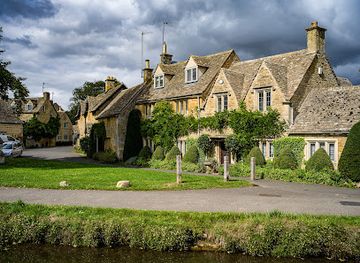
Gloucester Cathedral is Gloucestershire's most recognisable historic building, its Romanesque and Gothic fabric reflecting the city's medieval religious importance; the cloisters and fan vaulting are especially notable architectural features. Tewkesbury Abbey dominates the town with its substantial Norman and later medieval structure, while Berkeley Castle remains a powerful medieval landmark beside the Severn and is closely associated with the long history of the Berkeley family. In Cheltenham, the Promenade and surrounding Regency streets express the town's transformation into an eighteenth- and nineteenth-century spa. Cirencester's market place and surviving Roman context mark its continuing role as a Cotswold centre, while Painswick's stone streets and churchyard represent the architectural character of the limestone uplands. The Cotswold escarpment provides a geographical landmark visible across much of the county, and the Forest of Dean's wooded ridges and steep valleys create an entirely different western silhouette. These places are significant not merely as photo stops but as evidence of religious power, medieval politics, spa culture, trade, geology and the county's long relationship with woodland.
-
Historical landmark
Broadway Tower
An 18th-century Gothic folly atop the Cotswolds offering rich history, panoramic views, and a cultural retreat for artists and visitors alike.
-
Monument
William Tyndale Monument
A towering tribute to William Tyndale, pioneering English Bible translator, offering stunning views over Gloucestershire’s scenic Vale of Berkeley.
-
Historical landmark
Painswick Beacon
Explore the ancient hillfort summit of Painswick Beacon with stunning 360-degree views across the iconic Cotswold Hills and beyond.
-
Church
Church of St Peter and St Paul, Northleach
The 'Cathedral of the Cotswolds'—a 15th-century masterpiece built by wool merchants at the height of medieval prosperity.


Explore Gloucestershire on the map
Plan your trip on one map. See where the top cities, national parks and sights are, and book hotels and experiences in a few clicks.
Best hotels in Gloucestershire
Best restaurants in Gloucestershire
Gloucestershire's food scene combines traditional country cooking with contemporary cafés, farm shops and restaurants in its larger towns. Local produce commonly includes Gloucester Old Spot pork, Cotswold cheeses, seasonal vegetables, apples, cider and farmhouse baking, while game and locally reared meat appear on menus during appropriate seasons. Country pubs and rural inns remain important for hearty lunches and regional ales, particularly around the Cotswold villages and Forest of Dean, while Cheltenham, Gloucester and Stroud offer broader choices including modern British cooking, international food and vegetarian dishes. Cirencester and the surrounding farming districts are useful places to look for produce-led cafés and food shops, and markets around the county provide opportunities to buy bread, cheese, preserves and seasonal fruit. Menus change with supply and season, so local specialities are often best discovered through independent producers, delicatessens, farm shops and pub kitchens rather than treated as a fixed regional menu.
-
Greek
Greek on the Docks
Experience authentic Greek cuisine and vibrant Mediterranean flavors with stunning waterfront views in the heart of Gloucester Docks.
-
Steak
Miller & Carter Gloucester
Experience expertly cooked steaks and warm hospitality at Miller & Carter Gloucester in the heart of Quedgeley’s Olympus Park.
-
British
The Ivy Montpellier Brasserie Cheltenham
Elegant dining in Cheltenham’s historic Montpellier Rotunda, blending modern British cuisine with iconic Ivy style and grand architectural charm.
-
British
Bill's Gloucester Quays Restaurant
A relaxed, modern British restaurant at Gloucester Quays, perfect for a post-shopping meal or casual catch-up with friends and family.


Best bars in Gloucestershire
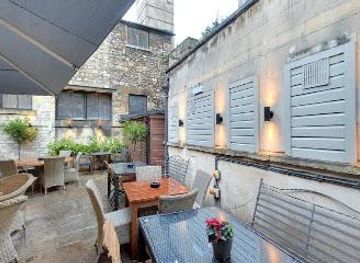
Evening life in Gloucestershire varies sharply between its towns and rural districts. Cheltenham has the county's broadest urban choice, with traditional pubs, wine and cocktail bars, restaurants, live music and theatre-related evenings concentrated around the centre. Gloucester offers historic pubs, contemporary bars and entertainment near its centre and docks, while Stroud has a strong independent and arts-oriented scene supported by pubs, cafés and live performance. In Cirencester, Tewkesbury and the Cotswold market towns, evenings generally centre on welcoming pubs, hotel bars, restaurants and occasional live music rather than a large nightclub circuit. The Forest of Dean is quieter after dark, with evening activity focused on local pubs and dining. Some venues operate seasonally or on limited days, particularly outside the larger towns, so check current arrangements and plan transport in advance rather than relying on late rural buses.
-
Pub
The House in The Tree
A charming and historic English pub in Cheltenham, serving hearty homemade meals in a cozy, welcoming atmosphere with rustic character.
-
Pub
The Crystal Palace, Bath
Historic Victorian pub near Bath’s Roman Baths, blending regal charm with traditional British hospitality and a spacious garden.
-
Pub
The Fountain Inn
Charming Grade II listed pub in Gloucester’s city centre offering real ales, hearty British fare, and a cozy historic atmosphere with garden and function rooms.
-
Pub
Café René
A lively Gloucester pub and restaurant blending historic charm, award-winning food, and vibrant live music in the city centre.



Best nightclubs in Gloucestershire
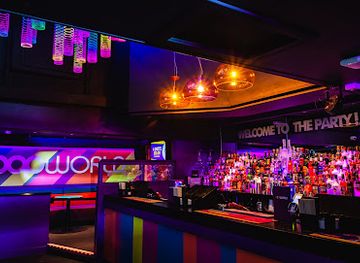
Evening life in Gloucestershire varies sharply between its towns and rural districts. Cheltenham has the county's broadest urban choice, with traditional pubs, wine and cocktail bars, restaurants, live music and theatre-related evenings concentrated around the centre. Gloucester offers historic pubs, contemporary bars and entertainment near its centre and docks, while Stroud has a strong independent and arts-oriented scene supported by pubs, cafés and live performance. In Cirencester, Tewkesbury and the Cotswold market towns, evenings generally centre on welcoming pubs, hotel bars, restaurants and occasional live music rather than a large nightclub circuit. The Forest of Dean is quieter after dark, with evening activity focused on local pubs and dining. Some venues operate seasonally or on limited days, particularly outside the larger towns, so check current arrangements and plan transport in advance rather than relying on late rural buses.
-
Nightclub
Popworld - Cheltenham
Popworld Cheltenham: Where cheesy pop tunes meet vibrant nightlife and unforgettable party vibes in the heart of the city.
-
Nightclub
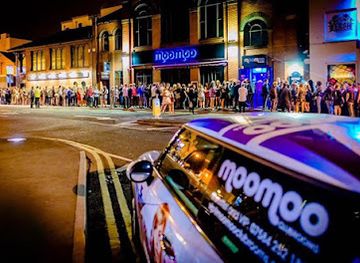
MooMoo Clubrooms Cheltenham
Experience Cheltenham’s vibrant nightlife at MooMoo Clubrooms, where lively music, friendly vibes, and late-night fun come together.
-
Nightclub
Bar Fever Gloucester
Experience Gloucester’s vibrant nightlife at Bar Fever, a trendy nightclub with dynamic music, stylish interiors, and a welcoming atmosphere.
-
Nightclub
Home and Botanic Nightclub
Experience Cheltenham’s vibrant nightlife in a historic Regency setting with five unique rooms, dynamic DJs, and stylish cocktails.


Best shops in Gloucestershire
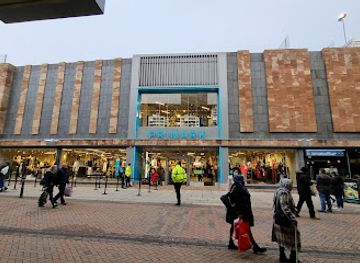
Shopping in Gloucestershire is shaped more by market towns, independent businesses, food producers and antiques than by large-scale retail. Cheltenham provides the broadest urban choice, with established central streets, department-store traditions, independent fashion, books, galleries and specialist food shops. Gloucester combines its historic centre with the Gloucester Quays development, while Stroud is known for independent retailers, vintage and creative businesses, and a strong local-produce culture. Cirencester's market-place setting and surrounding streets are useful for antiques, interiors, crafts, books and Cotswold goods, and Tewkesbury offers smaller-scale independent shopping alongside its historic townscape. In the villages, look for galleries, pottery, textiles, artwork, preserves, cheese, cider and other farm-produced goods rather than standard souvenirs. Market arrangements vary by town and date, so check locally; purchasing directly from established producers is a practical way to take home a taste of the county without relying on generic tourist merchandise.
-
Shopping outlet
Gloucester Quays
Discover designer bargains and festive charm at Gloucester Quays, a lively waterfront outlet set within historic docks.
-
Shopping Centre
King's Walk
A central Gloucester shopping destination featuring popular high street brands, convenient amenities, and a welcoming city-centre atmosphere.
-
Homewares Shop
The Malt House Emporium
Discover unique antiques, vintage treasures, and a cozy café experience at The Malt House Emporium near Tewkesbury.
-
Shopping Centre
Westgate Retail Park
Convenient shopping with free parking and a variety of homeware stores in the heart of Gloucester’s Westgate Street.



Get your free copy of our complete guide to Gloucestershire, delivered straight to you.
Everything on this page, from attractions and restaurants to essentials and local phrases, in one PDF you can read offline, print or share.
Already have an account? Sign in
Your Gloucestershire guide is ready.
We'll send it to · Not you? Sign out

Getting your guide ready…
We are putting together a fresh copy of the Gloucestershire guide. This can take up to a minute.
This can take a few moments. If your browser asks, choose Allow so the download can start. You'll find the guide in your Downloads folder.
Nothing happened? Download it again
Sorry, the guide is taking longer than usual. Please try again in a minute, or get it by email instead.
Gloucestershire essentials
Currency and Payment
Safety
Emergency Situations
Do's and Don'ts
Local Tips
From Eve
Local phrases worth knowing
You don't need to get them perfect. A few words go a long way, and locals appreciate the effort.
Basics
| English | Local | Say it |
|---|---|---|
| Hello | Alright | [aw-reet] |
| Goodbye | See ya | [see yah] |
| Yes | Aye | [ai] |
| No | Naw | [naw] |
| Please/You're welcome | Ta | [tah] |
| Thank you | Cheers | [cheers] |
| Excuse me/Sorry | Sorry | [so-ree] |
| How are you? | How's it going? | [how's it goin'?] |
| Fine. And you? | I’m good, you? | [I'm good, yew?] |
| Do you speak English? | Do ya speak English? | [do ya speek English?] |
| I don't understand | I don’t get it | [I don’t get it] |
Eating & Drinking
| English | Local | Say it |
|---|---|---|
| I'd like to see the menu, please | Can I see the menu, please? | [can I see the men-you, pleeze?] |
| I don't eat meat | I don't eat meat | [I don't eat meet] |
| Cheers! | Cheers! | [cheers] |
| I would like to pay, please | Can I pay now, please? | [can I pay now, pleeze?] |
Emergencies
| English | Local | Say it |
|---|---|---|
| Help! | Help! | [help] |
| Go away! | Clear off! | [clear off] |
| Call the Police! | Ring the coppers! | [ring the cop-ers] |
| Call a doctor! | Get a doc! | [get a dock] |
| I'm lost | I’m all turned around | [I'm all turned around] |
| I'm ill | I’m poorly | [I'm poorly] |
Shopping
| English | Local | Say it |
|---|---|---|
| I'd like to buy... | I’d like to get... | [I'd like to get...] |
| I'm just looking | Just browsing | [just browsing] |
| How much is it? | How much’s that? | [how much's that?] |
| That's too expensive | That’s a bit pricey | [that's a bit pry-see] |
| Can you lower the price? | Can ya knock the price down? | [can ya knock the pryce down?] |
Time & Numbers
| English | Local | Say it |
|---|---|---|
| What time is it? | What’s the time? | [what's the time?] |
| It's one o'clock | It's one o'clock | [it's one o'clock] |
| Half past (10) | Half ten | [half ten] |
| Morning | Mornin' | [mornin'] |
| Afternoon | Arvo | [ar-vow] |
| Evening | Evenin' | [evenin'] |
| Yesterday | Yest'day | [yest-day] |
| Today | Today | [to-day] |
| Tomorrow | Tomorra | [to-mor-ra] |
| 1 | One | [one] |
| 2 | Two | [two] |
| 3 | Three | [three] |
| 4 | Four | [four] |
| 5 | Five | [five] |
| 6 | Six | [six] |
| 7 | Seven | [seven] |
| 8 | Eight | [eight] |
| 9 | Nine | [nine] |
| 10 | Ten | [ten] |
Transport & Directions
| English | Local | Say it |
|---|---|---|
| Where's a/the...? | Where’s the...? | [where's the...?] |
| What's the address? | What’s the address? | [what's the address?] |
| Can you show me (on the map)? | Can ya show me on the map? | [can ya show me on the map?] |
| When's the next (bus)? | When's the next bus? | [when's the next bus?] |
| A ticket (to ....) | One ticket to ... | [one ticket to ...] |
History of Gloucestershire
Prehistoric and Iron Age Gloucestershire
Gloucestershire contains evidence of settlement and activity extending back into prehistory, including hillforts, earthworks and ancient trackways on the Cotswold escarpment and surrounding uplands. The Iron Age Dobunni were the principal people in much of the area before the Roman conquest. Their agricultural communities and hillforts formed part of a wider western British landscape, and later Roman towns often developed within or near territories that had already been economically and politically organised.
Roman Corinium and Glevum
Roman rule transformed the region through roads, commerce, administration and urban development. Corinium Dobunnorum, centred on modern Cirencester, became one of Roman Britain's largest towns and an important administrative centre. Glevum, at Gloucester, was established as a colonia for retired soldiers and occupied a strategic position near the Severn. Roads linked these settlements with other parts of Britain, while villas and agricultural estates spread across the surrounding countryside. Museum collections and archaeological remains preserve this period's significance.
Anglo-Saxon and Medieval Consolidation
After the end of Roman administration, Gloucestershire became part of the developing Anglo-Saxon kingdoms and later the county system of medieval England. Gloucester emerged as an important political and religious centre, while monasteries, churches and estates shaped the countryside. Tewkesbury Abbey, founded in the twelfth century, and Cirencester Abbey, later dissolved during the Reformation, reflect the wealth and influence of medieval religious institutions. Market towns expanded as wool, livestock and agricultural trade connected rural communities.
Castles, Conflict and the Wars of the Roses
The county's position between the Welsh Marches, the Midlands and western England gave it strategic importance during the Middle Ages. Berkeley Castle developed as a powerful lordly stronghold, while Gloucester, Tewkesbury and surrounding estates became involved in national conflict. The Battle of Tewkesbury in 1471 was a decisive Yorkist victory during the Wars of the Roses. Its political consequences were felt across England, and the abbey and town still provide an unusually clear setting for understanding the conflict.
Wool, Cloth and Market Towns
From the late medieval period into the early modern era, wool and cloth shaped much of Gloucestershire's economy. Cotswold sheep supported the wealth of merchants, landowners and towns, while weaving and cloth finishing became especially important in the Stroud valleys. Cirencester, Chipping Campden and other market centres prospered through trade, although prosperity varied between landowners, merchants and workers. The stone houses, churches, market buildings and former mills seen across the county are enduring evidence of this commercial history.
Industrialisation in the Stroud Valleys and Forest of Dean
The Industrial Revolution altered Gloucestershire most visibly in the Stroud valleys and the Forest of Dean. Water-powered mills produced cloth around Stroud, Nailsworth and neighbouring valleys, while coal, iron ore, timber and stone supported industries in the Forest. Canals and railways improved the movement of raw materials and finished goods. Mining communities developed their own traditions and institutions, and the remains of furnaces, tramways, quarries and mills form a substantial industrial heritage alongside the county's more celebrated rural landscapes.
Spa Culture, Conservation and Modern Gloucestershire
Cheltenham's mineral springs helped establish it as a fashionable spa from the late eighteenth century, leading to Regency streets, gardens, assembly rooms and cultural institutions. In the twentieth century, changing industry, improved transport and the growth of tourism reshaped the county's economy. Gloucestershire also became important for landscape and wildlife conservation, notably through the protection of the Forest of Dean, the Cotswold countryside and the wetlands at Slimbridge. Today the county balances agriculture, heritage, creative industries, education and visitor economies.
Gloucestershire in Photos
Browse through our photo collection highlighting the charm and character of the destination.
Neighbouring regions of Gloucestershire
The closest regions to Gloucestershire, if you have time for more than one.
-

-

-

-
-


Swipe for more regions
Explore more

Explore more of United Kingdom
Discover the United Kingdom: A blend of rich history, stunning landscapes, and vibrant cities, offering a unique travel experience for every visitor.
Explore United Kingdom