
Lodge Park and Sherborne Park Estate: England’s Unique 17th-Century Grandstand and Tranquil Cotswold Wildlife Haven
Explore England’s only surviving 17th-century grandstand nestled in a tranquil Cotswold estate teeming with wildlife and historic landscapes.
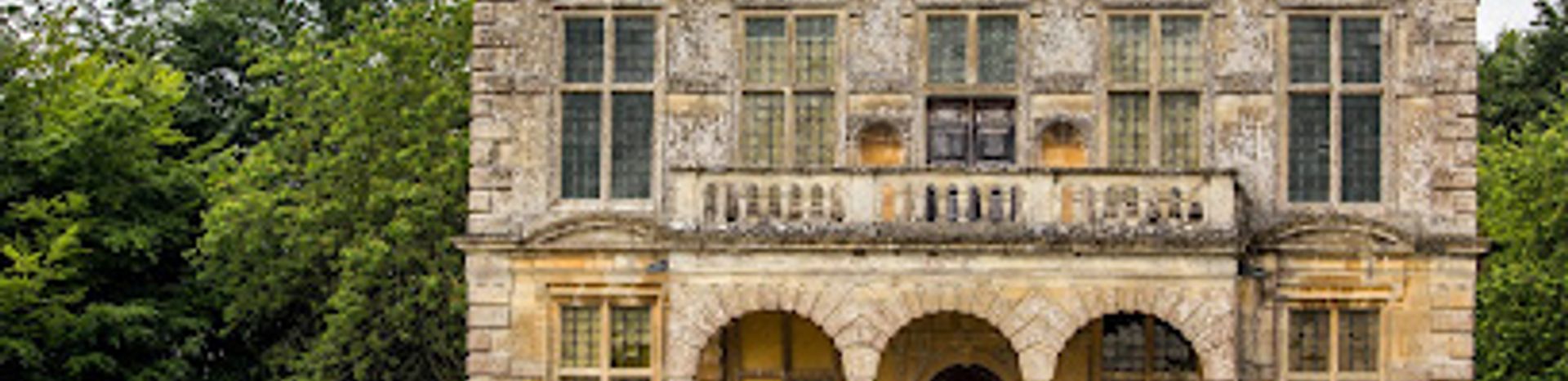
Lodge Park, located near Aldsworth in Gloucestershire, is England’s only surviving 17th-century grandstand, restored by the National Trust to its original form. Set within the expansive Sherborne Park Estate, this historic site offers visitors a glimpse into aristocratic leisure pursuits alongside peaceful walks through diverse wildlife habitats, including deer, badgers, and foxes. The estate’s water meadows and Bridgeman-designed landscape add layers of natural and cultural heritage, making it a serene destination for history enthusiasts and nature lovers alike.
A brief summary to National Trust - Lodge Park and Sherborne Park Estate
- Lodge Park, Cheltenham, Aldsworth, GL54 3PP, GB
- +441451844130
- Visit website
- Duration: 1 to 2 hours
- Mid ranged
-
 Outdoor
- Mobile reception: 4 out of 5
- Friday 10 am-4 pm
- Saturday 10 am-4 pm
Local tips
- Book guided tours in advance as Lodge Park is open on select days and some upper areas may be closed for restoration.
- Wear sturdy footwear for walking the estate’s varied terrain including woodland paths and farmland trails.
- Visit during summer weekends to enjoy family-friendly nature workshops and sculpture trails.
- Bring binoculars for wildlife spotting, especially deer, badgers, and birds in the water meadows.

For the on-the-go comforts that matter to you
- Restrooms
- Seating Areas
- Information Boards
Getting There
-
Car
Driving from Cheltenham takes approximately 30 to 40 minutes via the A40 and local rural roads. Limited parking is available on-site; expect a short walk over uneven terrain from parking areas. No parking fees apply.
-
Bus and Walk
Take the bus from Cheltenham to Northleach (approximately 45 minutes), then enjoy a 3-kilometer walk through scenic countryside footpaths to Lodge Park. The walk includes some uneven ground and is not suitable for wheelchairs.
-
Walking
For nearby visitors staying in Aldsworth or Sherborne, walking to Lodge Park takes 30 to 45 minutes over rural footpaths with gentle hills. Suitable for most fitness levels but not wheelchair accessible.
National Trust - Lodge Park and Sherborne Park Estate location weather suitability
-
 Any Weather
-
 Clear Skies
-
 Mild Temperatures
-
 Rain / Wet Weather
Discover more about National Trust - Lodge Park and Sherborne Park Estate
An Architectural Gem of the 17th Century
Lodge Park was originally constructed in 1634 as a grandstand for deer coursing, a popular aristocratic sport, by John 'Crump' Dutton. It is the only surviving grandstand of its kind from the 17th century in England. The building features two storeys with a flat roof and basement, including a portico with a balcony and a Great Room on the first floor where guests were entertained. Over the centuries, Lodge Park underwent various transformations—from a house to cottages and back—before being bequeathed to the National Trust in 1982. The Trust undertook meticulous restoration to return it to its original grandstand form, guided by historical documents and archaeological findings.The Sherborne Estate: A Working Landscape Rich in Wildlife
Surrounding Lodge Park is the Sherborne Estate, a working agricultural estate that is home to a variety of wildlife including fallow and roe deer, badgers, foxes, otters, and water voles. The estate’s 18th-century water meadows, complete with historic drainage channels and sluices, provide important habitats for dragonflies and other species. The estate is open year-round from dawn to dusk, offering several walking routes such as the Short Woodland Stroll, Family Fun Walk, and Historic Farmland Hike, all starting from Ewe Pen Barn. Visitors can enjoy peaceful nature walks and a sculpture trail within the pleasure grounds.Restoration and Landscape Heritage
The landscape surrounding Lodge Park was designed in the 18th century by Charles Bridgeman, a pioneering gardener whose work was considered revolutionary. Although Bridgeman’s original design was never fully completed, recent efforts by the National Trust aim to restore the estate’s historic landscape features. This includes reviving the Bridgeman landscape and enhancing wildlife corridors to support biodiversity alongside sustainable farming practices. The restoration work reflects a balance between preserving cultural heritage and fostering ecological health.Visitor Experience and Activities
Lodge Park is open to the public on select weekends from March to October, with daily openings in August. Visitors can explore the grandstand’s restored interiors on guided tours, although some upper areas may be temporarily closed for maintenance. The estate’s extensive footpaths invite leisurely walks through mixed woodland and farmland, ideal for families, dog walkers, and wildlife enthusiasts. Seasonal nature-inspired activities and workshops are offered during summer weekends, enriching the visitor experience. The estate’s tranquil atmosphere makes it a perfect spot for relaxation and reconnecting with nature.Historical Significance and Cultural Legacy
Lodge Park stands as a rare architectural and cultural relic that illustrates 17th-century leisure and social customs among the English gentry. Its survival and restoration provide valuable insights into period-specific design, entertainment, and landscape architecture. The estate’s ongoing management by the National Trust ensures that both the historic structure and its natural surroundings are protected for future generations, blending heritage conservation with environmental stewardship.Natural Beauty and Wildlife Conservation
The Sherborne Estate’s diverse habitats support a rich array of wildlife, making it a significant site for nature lovers and conservationists. The presence of deer, badgers, foxes, otters, and numerous bird species enriches the estate’s ecological tapestry. The National Trust’s initiatives to maintain water meadows and wildlife corridors exemplify modern conservation efforts harmonized with traditional land use. Visitors can enjoy scenic views, peaceful walks, and the chance to observe wildlife in a quintessential Cotswold setting.For the vibe & atmosphere seeker
- Tranquil
- Scenic
- Relaxing
- Unique
For the design and aesthetic lover
- Vintage Styles
- Rustic Designs
For the architecture buff
- Historic
- Landmarks
- Parks & Gardens
For the view chaser and sunset hunter
- Iconic Views
- Panoramas
- Sunset Spots
For the social media creator & influencer
- Instagrammable
- Photo Spots
- Aesthetic Corners
For the eco-conscious traveler
- Eco-Friendly
- Protected Area
- Public-Transport Accessible
- Locally Managed
- Wildlife Habitat
For the kind of experience you’re after
- Cultural Heritage
- Nature Escape
- Day Trip
- Weekend Getaway
- Photowalk
For how adventurous you want the journey to be
- Easy Access
Location Audience
- Family Friendly
- Senior Friendly
- Child Friendly
- Teen Friendly
- Wheelchair Access
- Pet Friendly
- Solo Friendly
- Couple Friendly
- Vegetarian Friendly
- Vegan Friendly


