
Windmill Tump Long Barrow: Ancient Neolithic Burial Monument in the Cotswolds
Explore Windmill Tump Long Barrow, a mysterious 5,500-year-old Neolithic burial mound with a symbolic false entrance nestled in the scenic Cotswolds.
Windmill Tump Long Barrow, also known as Rodmarton Long Barrow, is a remarkable Neolithic chambered tomb located in the rolling Cotswolds countryside near Tetbury, Gloucestershire. Dating back over 5,500 years, this ancient burial mound features a distinctive 'false entrance' and was constructed by early farming communities as a funerary monument and territorial marker. The site offers scenic views and insights into prehistoric ceremonial practices.
A brief summary to Rodmarton Long Barrow
- Tetbury, Trull, GB
- +443703331181
- Visit website
- Duration: 0.5 to 2 hours
- Free
-
 Outdoor
- Mobile reception: 4 out of 5
- Monday 12 am-12 am
- Tuesday 12 am-12 am
- Wednesday 12 am-12 am
- Thursday 12 am-12 am
- Friday 12 am-12 am
- Saturday 12 am-12 am
- Sunday 12 am-12 am
Local tips
- Visit during daylight to fully appreciate the scenic views and the barrow’s earthwork features.
- Wear sturdy footwear as the site is set on uneven, steep slopes with natural footpaths.
- Bring a camera to capture the panoramic vistas over the Cotswolds and distant Wales.
- Read about Neolithic burial practices beforehand to enrich your understanding of the site’s purpose.

For the on-the-go comforts that matter to you
- Information Boards
- Seating Areas
- Trash Bins
Getting There
-
Bus
Take the Stagecoach bus service from Tetbury to Rodmarton, which runs approximately every 1-2 hours; the journey takes around 20-30 minutes. From Rodmarton village, a 15-minute walk over rural footpaths leads to Windmill Tump. Bus fares range from £3 to £5 one way.
-
Car
Driving from Tetbury to Windmill Tump takes about 15 minutes via local roads. Limited parking is available near Rodmarton village, with some walking required on uneven terrain. No parking fees apply, but access roads are narrow and may be busy during peak seasons.
-
Walking
For active visitors, a scenic 1.5 to 2-hour walk from Tetbury to Windmill Tump follows marked footpaths through Cotswold countryside. Terrain includes gentle hills and grassy slopes; suitable footwear recommended. No entry fees apply.
Rodmarton Long Barrow location weather suitability
-
 Any Weather
-
 Clear Skies
-
 Mild Temperatures
-
 Rain / Wet Weather
Discover more about Rodmarton Long Barrow
Origins and Construction of an Ancient Tomb
Windmill Tump Long Barrow is a Neolithic burial site constructed around 3800 BC by early farming communities who settled in the Cotswolds. The long barrow is a large stone tumulus, originally built from approximately 5,000 tons of stone, now concealed beneath an earthen mound. Measuring roughly 200 feet (60 meters) in length and 69 feet (21 meters) wide, it is oriented east to west. This monumental structure served as a burial place for around 35 to 40 individuals and likely marked territorial boundaries for the community that built it.Architectural Features and the Enigmatic False Entrance
One of the most striking features of Windmill Tump is its 'false entrance'—a pair of large upright stones with a third leaning stone arranged to resemble a gateway. Unlike typical entrances, this portal did not lead into the tomb but is believed to have held symbolic or ritual significance. The barrow’s burial chambers were accessed via short passages from the side of the mound, where remains were interred. Excavations in the 19th and 20th centuries revealed upright tombstones and a complex arrangement reminiscent of cromlechs found in other parts of Britain and Ireland.Historical Context and Archaeological Discoveries
First excavated in 1863 and again in 1939, the site has undergone restoration and study revealing fireplaces, pottery, flints, and animal remains associated with burial rites. The forecourt area likely hosted ceremonies and ritual activities, possibly including hearth fires and offerings placed on the walls. Nearby, the site is linked to the historic Battle of Deorham in 577 AD, a pivotal conflict that shaped the cultural landscape of post-Roman Britain.Setting and Scenic Views in the Cotswolds
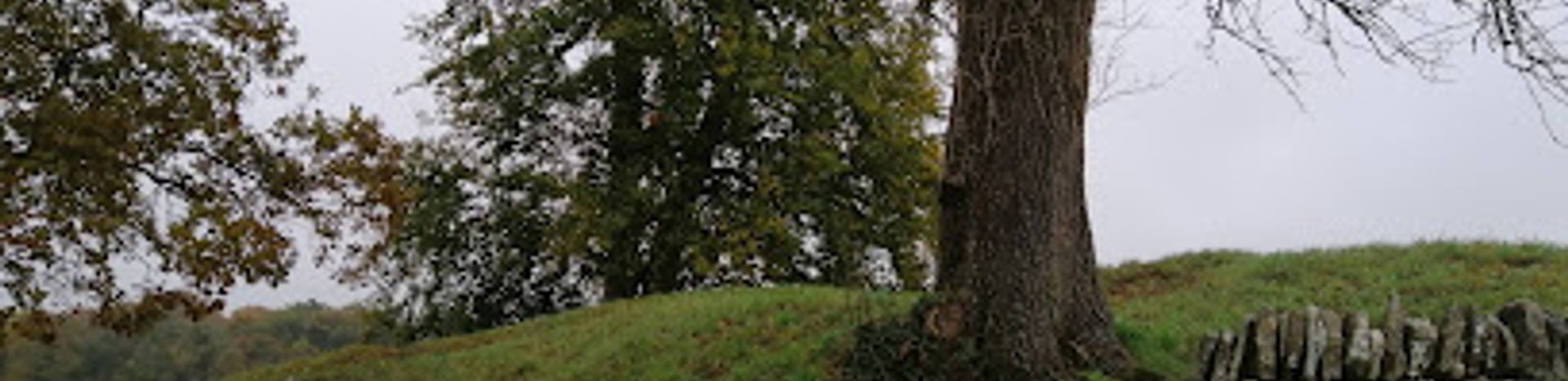
Set amidst the gently rolling hills of the Cotswolds, Windmill Tump offers expansive views over the surrounding countryside, including vistas extending towards Wales. The site is bordered by ancient field systems and steep slopes, accessible via footpaths that allow visitors to appreciate both the natural beauty and archaeological importance of the area. The peaceful rural environment enhances the contemplative atmosphere of this prehistoric monument.Significance and Visitor Experience
Windmill Tump Long Barrow stands as a testament to Neolithic life and death, reflecting early human efforts to commemorate ancestors and define community identity. Visitors can explore the site’s evocative landscape, imagine the ceremonies once held here, and connect with thousands of years of history. The enigmatic false entrance invites reflection on the symbolic meanings embedded in ancient architecture.Preservation and Educational Value
Managed by heritage organizations, the site is preserved to maintain its archaeological integrity while providing educational opportunities. Interpretive materials and guided insights help visitors understand the cultural and spiritual significance of long barrows in Neolithic Britain. Windmill Tump remains a key landmark for those interested in prehistoric archaeology and the origins of early farming societies.For the vibe & atmosphere seeker
- Tranquil
- Scenic
- Unique
- Relaxing
For the design and aesthetic lover
- Rustic Designs
For the architecture buff
- Historic
- Landmarks
For the view chaser and sunset hunter
- Iconic Views
- Panoramas
For the social media creator & influencer
- Instagrammable
- Photo Spots
For the eco-conscious traveler
- Public-Transport Accessible
- Leave-No-Trace Critical
- Locally Managed
For the kind of experience you’re after
- Cultural Heritage
- Photowalk
- Nature Escape
- Day Trip
- Weekend Getaway
- Myth & Legends
For how adventurous you want the journey to be
- Easy Access
Location Audience
- Family Friendly
- Senior Friendly
- Child Friendly
- Teen Friendly
- Wheelchair Access
- Pet Friendly
- Solo Friendly
- Couple Friendly


