
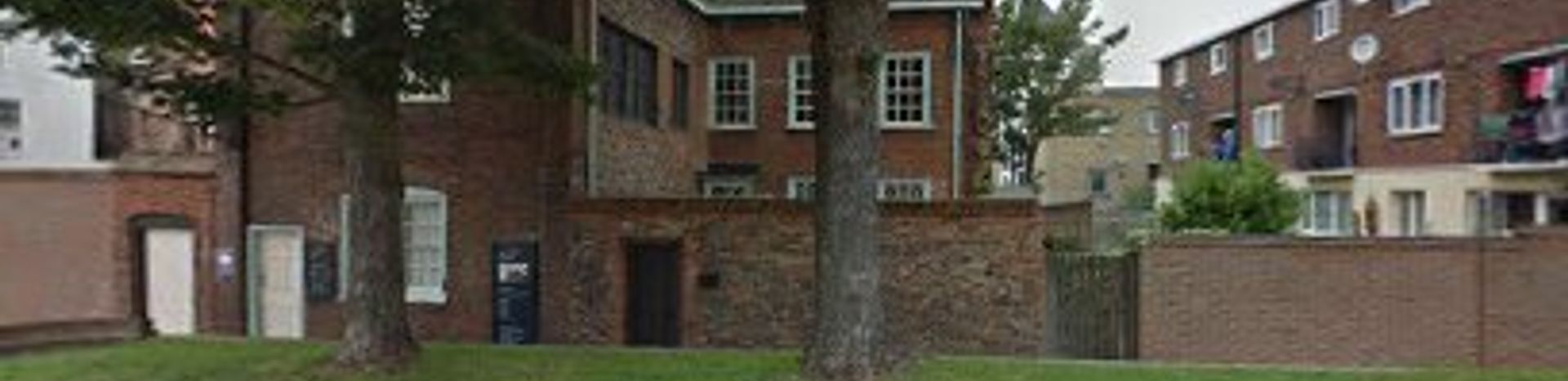
Great Yarmouth Row Houses and Greyfriars' Cloisters
Explore Great Yarmouth’s unique medieval merchant houses and historic Rows, a rare glimpse into centuries of urban life and maritime heritage.
The Great Yarmouth Row Houses are a unique collection of historic merchant residences located on South Quay in Great Yarmouth, Norfolk. Dating back to the early 17th century, these houses were originally built for wealthy merchants but were later subdivided to accommodate the town's growing population. They form part of the medieval 'Rows'—a distinctive network of narrow streets and alleys that have defined Great Yarmouth's urban landscape for over 700 years. The nearby Greyfriars' Cloisters add to the area's rich heritage, offering a glimpse into the town's medieval past.
A brief summary to Great Yarmouth Row Houses
- Great Yarmouth, NR30 2RG, GB
- Visit website
- Duration: 1 to 2 hours
- Mid ranged
-
 Outdoor
- Mobile reception: 4 out of 5
Local tips
- Check opening times before visiting, as the Row Houses are often closed for conservation.
- Explore the surrounding Rows to appreciate the medieval street layout and historic signage.
- Visit the nearby Time and Tide Museum for broader context on Great Yarmouth’s maritime history.

For the on-the-go comforts that matter to you
- Information Boards
- Seating Areas
- Restrooms
- Food Options
- Drink Options
Getting There
-
Bus
Local bus services connect Great Yarmouth town center with stops near South Quay, approximately 10-15 minutes travel time. Buses run frequently during the day, with tickets costing around £2-£4. Note that service frequency may reduce on weekends and holidays.
-
Train
Great Yarmouth railway station is about 2.5 km from the Row Houses. A taxi or local bus ride from the station to South Quay takes 10-15 minutes, with taxis costing approximately £7-£10. Train services connect to Norwich and other regional hubs.
-
Car
Driving to Great Yarmouth Row Houses is possible with several public car parks nearby. Parking fees vary, typically £1.50-£3 per hour. The historic area has narrow streets, so walking from parking areas is recommended. Accessibility may be limited in peak seasons.
Great Yarmouth Row Houses location weather suitability
-
 Any Weather
-
 Rain / Wet Weather
-
 Clear Skies
-
 Mild Temperatures
Discover more about Great Yarmouth Row Houses
A Medieval Urban Legacy in Great Yarmouth
The Great Yarmouth Row Houses stand as a rare surviving example of the town's historic Rows—narrow, tightly packed streets that have existed since at least the 12th century. These Rows were originally designed to maximize housing density within the constrained space inside the town walls, which were built in the 13th century. This medieval street layout, largely unchanged for centuries, reflects the town’s origins as a fishing and trading port. The Rows were home to a diverse community, with wealthy merchants living alongside poorer residents in close proximity, illustrating a unique social fabric of the time.Merchant Residences and Architectural Features
The Row Houses themselves date primarily from the early 1600s, constructed as grand homes for prosperous merchants who thrived on Great Yarmouth’s maritime economy. Over time, many of these houses were subdivided into smaller units to accommodate a burgeoning population, especially as wealthier inhabitants moved away following 19th-century urban expansion. Architecturally, the houses feature period details such as timber framing, narrow facades, and small, irregularly placed windows, which speak to their adaptation over centuries. Recent conservation efforts have preserved key elements, including restored period windows and structural repairs, ensuring the survival of these historic buildings.The Rows: A Unique Townscape and Social History
The Rows themselves are a defining feature of Great Yarmouth’s heritage. Originally numbering over 145, around 80 remain today, each with evocative names like ‘Kittywitches Row’ and ‘Body Snatcher’s Row’ that hint at their colorful pasts. The Rows were not just residential but also hubs of local trade and community life, where people lived, worked, and socialized in a compact urban setting. In the 20th century, many Rows were demolished due to slum clearance programs, but conservation projects have sought to protect and celebrate those that remain, including improved signage and interpretation panels that bring their stories to life.Greyfriars' Cloisters: A Glimpse into Monastic Life
Adjacent to the Row Houses are the Greyfriars' Cloisters, remnants of a medieval Franciscan friary that once played a significant role in the religious and social life of Great Yarmouth. These cloisters offer visitors a tangible connection to the town’s spiritual heritage and medieval ecclesiastical architecture. Together with the Row Houses, they form a historical ensemble that enriches understanding of Great Yarmouth’s layered past.Conservation and Community Engagement
Recent decades have seen dedicated efforts to conserve the Row Houses and the Rows themselves. Projects have involved structural repairs, restoration of historic features, and community-driven research initiatives that document the lives of former inhabitants. These efforts have included the installation of cast metal signs displaying traditional Row names and interpretation panels that provide historical context. The Great Yarmouth Preservation Trust and English Heritage have played key roles in these initiatives, emphasizing the importance of preserving this unique urban heritage for future generations.Experiencing the Rows Today
While the Great Yarmouth Row Houses and Greyfriars' Cloisters are currently closed to the public, their presence remains a powerful reminder of the town’s rich maritime and social history. The Rows continue to shape the character of Great Yarmouth’s historic quarter, inviting exploration and reflection on centuries of urban life, community resilience, and architectural evolution. Their story is one of adaptation and survival, offering a rare window into England’s medieval and early modern urban heritage.For the vibe & atmosphere seeker
- Historic
- Tranquil
- Scenic
- Unique
For the design and aesthetic lover
- Vintage Styles
For the architecture buff
- Historic
- Heritage Neighborhoods
For the view chaser and sunset hunter
- Iconic Views
For the social media creator & influencer
- Instagrammable
- Photo Spots
For the eco-conscious traveler
- Public-Transport Accessible
- Locally Managed
For the kind of experience you’re after
- Cultural Heritage
- Photowalk
- Day Trip
- Weekend Getaway
For how adventurous you want the journey to be
- Easy Access
Location Audience
- Family Friendly
- Senior Friendly
- Child Friendly
- Teen Friendly
- Solo Friendly
- Couple Friendly
- Vegetarian Friendly
- Vegan Friendly


